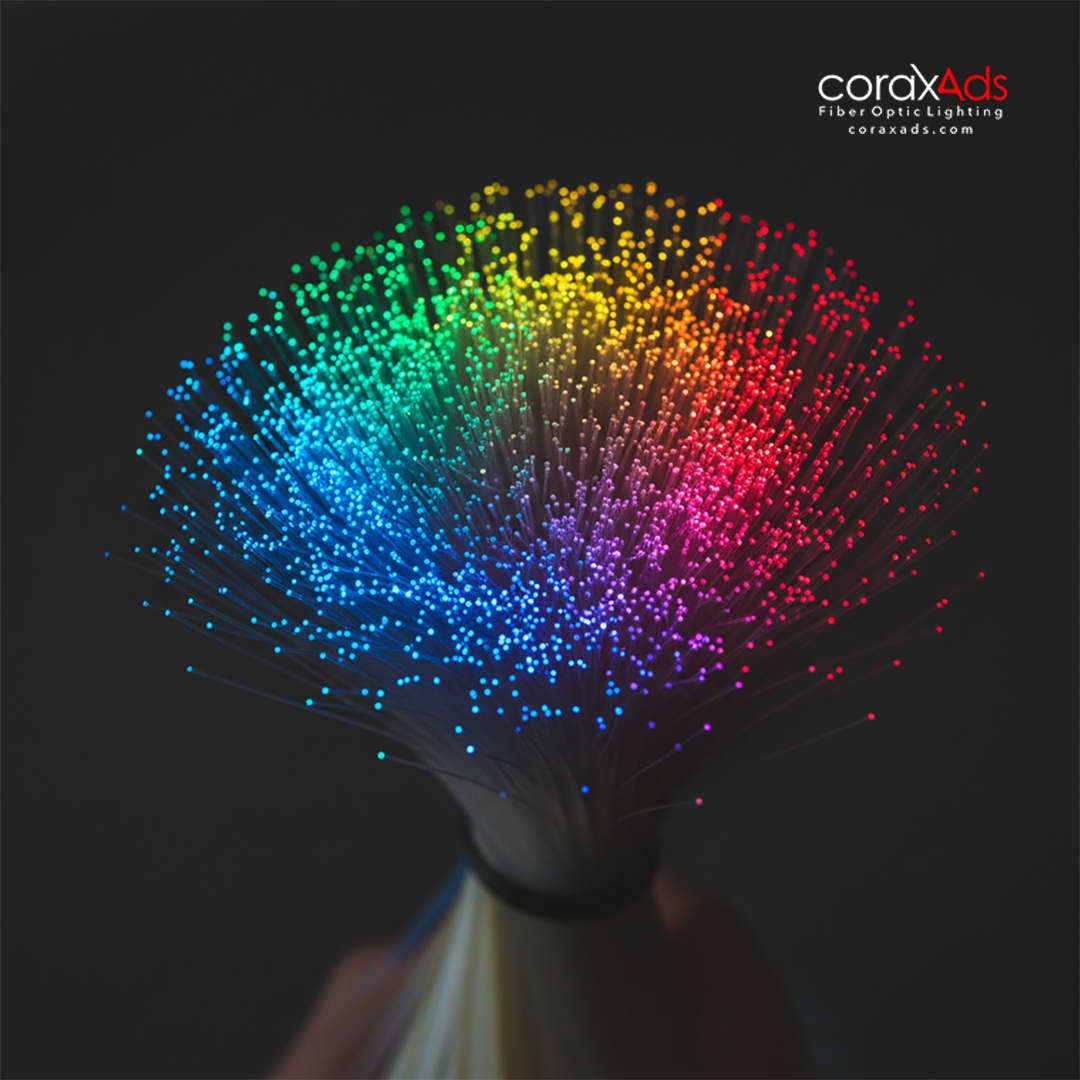
A fiber optic lighting ceiling is a ceiling system that uses flexible optical fibres to transmit light from a remote illuminator to visible points, patterns or glowing designs on the ceiling. Because the light source stays hidden in a void or cupboard, the ceiling can display starfields, pixel effects or soft ambient colour without heat or glare. British homeowners use this lighting in cinemas, bedrooms and lounge ceilings. This guide covers how the technology works, design options, installation costs and maintenance for UK projects.
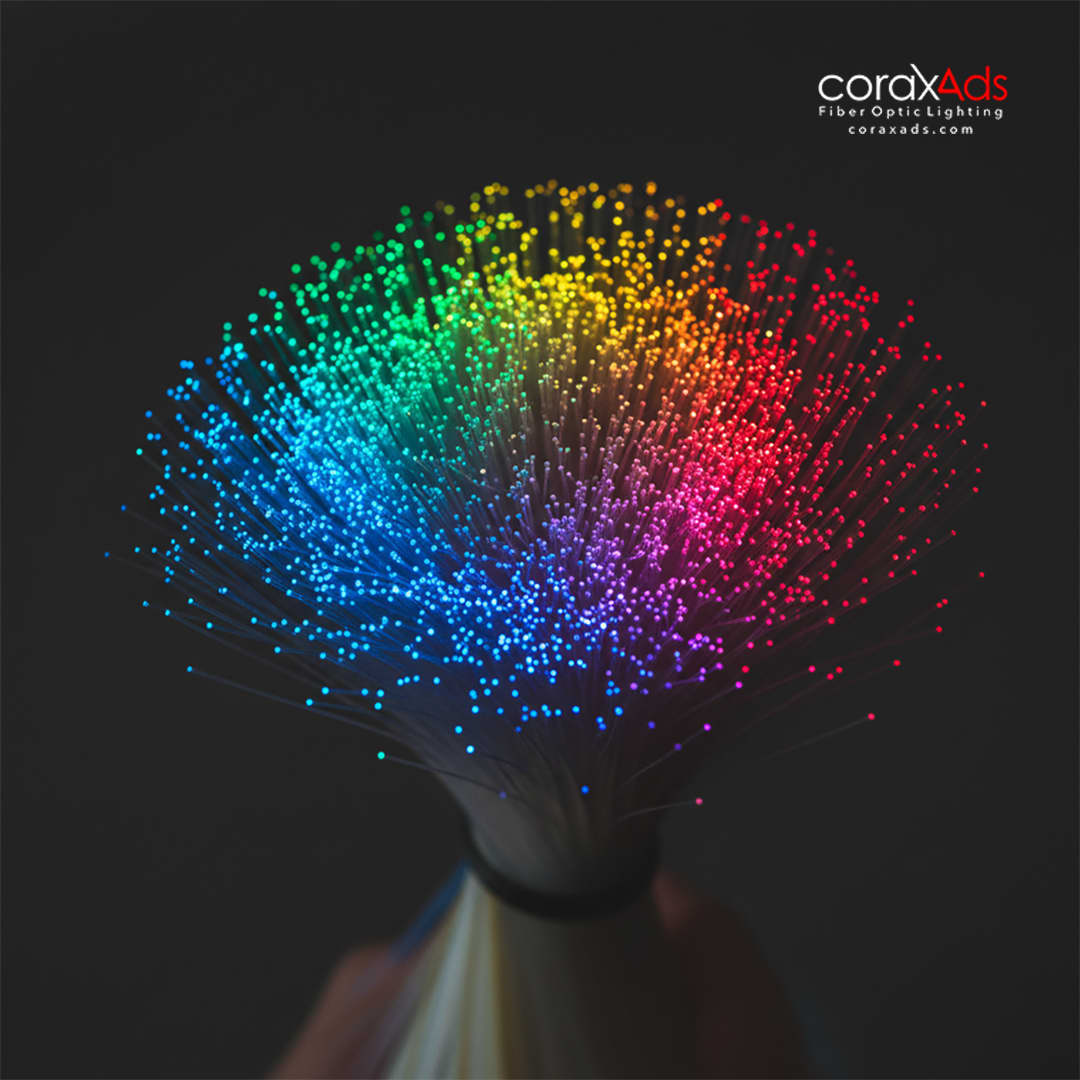
- A fiber optic lighting ceiling separates the light source from the emitter, so no mains voltage is present at the visible ceiling point.
- Ceiling-grade plastic optical fibres are commonly available in diameters from 0.5mm to 3.0mm; larger diameters create larger, brighter points.
- LED illuminators for fibre optic ceilings typically run for 30,000 to 50,000 hours before replacement.
- Side-glow fibre emits light along its length, while end-glow fibre emits only at the cut tip.
- A typical DIY fiber ceiling kit needs a small 20-30W illuminator, while full-room installations often use 50-150W units.
Table of Contents
If you are still deciding how many points to include, try the set builder tool to test different star layouts before you drill any holes.
How Does a Fiber Optic Lighting Ceiling Work?
A fiber optic lighting ceiling works by projecting light from a remote illuminator through flexible optical cables into emitting tips or glowing strands mounted on the ceiling surface.
A fiber optic lighting ceiling starts with a light source, called an illuminator, normally mounted in a loft, ceiling void, cupboard or junction box. The illuminator contains an LED or halogen lamp plus a colour wheel on more advanced units. Light travels down plastic optical fibres, also known as end-glow or side-glow cables, depending on the effect needed.
At the ceiling, the fibres terminate in small fittings such as star heads, lenses, crystals or connector adapters. Some designs press the bare polished fibre into a plasterboard ceiling and fix it with adhesive, creating a tiny point of light. For larger features, 1.0mm, 1.5mm or 2.0mm fibres can be bundled to create glowing pods or panels.
Corax Ads supplies cable diameters from 0.5mm to 3.0mm, so you can choose between fine star ceilings and brighter feature elements. When planning a system, match the illuminator output to the total number and length of the fiber optic cables so brightness stays even across the ceiling.
What Are the Benefits of a Fibre Optic Ceiling?
The main benefits of a fibre optic ceiling are low heat, low energy consumption, design flexibility, safety and the ability to create dramatic ceiling effects without bulky fixtures.
Because the lamp sits away from the ceiling, almost no heat reaches the visible emitter. This makes a fiber optic lighting ceiling comfortable in bedrooms and family rooms, and it also reduces the dark rings left by traditional downlights.
LED illuminators use less electricity than older halogen ceiling lights and can run for thousands of hours before the light source needs attention. Since the ceiling side is passive, no electrical cables or connectors are buried in the plaster, which lowers installation risk and makes later maintenance easier.
Designers also value the flexibility of these systems. A single illuminator can feed dozens of fibre ends, creating a custom starfield or a gentle wave across the room. For different effects, combine light sources, pixel controllers and transparent cable with colour-changing output.
Which Ceiling Designs Work Best in UK Homes?
The best fibre optic ceiling designs for UK homes are plasterboard star ceilings, coves with side-glow cable, and suspended ceiling panels with crystal or acrylic tips.
The most requested fiber optic ceiling design is a star ceiling. Homeowners drill or press between 100 and 500 small holes into a plasterboard ceiling, insert optical fibres and finish with concealed connectors. A remote control or mobile app can adjust twinkle speed, colour and brightness.
Side-glow cables are ideal for coves, recesses and perimeter effects because the whole cable glows along its length. You can run the cable in gentle curves to create wave patterns above a bath, behind a curtain track or around a media room. These installations use accessories such as clips, ferrules and adapters to keep the cable neat.
For offices, restaurants and reception areas, suspended ceiling tiles with pre-inserted fibre optic modules look clean and professional. They are easier to access than fixed plaster ceilings, so technicians can adjust or replace individual fibres without opening the whole ceiling.
How Much Does a Fiber Optic Ceiling Cost in the UK?
In the UK, a fibre optic ceiling typically costs between £300 and £2,500 for materials, before installation labour.
Small DIY kits with a 30W illuminator, a few metres of cable and a small pack of tips can start at around £120. For a full ceiling, the price rises because you need more cable, a high-capacity light source and hundreds of polished fibres for a natural starfield.
A typical bedroom ceiling of 12 square metres may use 200-400 fibre ends with a 50W-150W LED illuminator. Depending on cable diameter and accessory choices, material costs of £300 to £2,500 are common. Using 2.0mm or 3.0mm fibres raises the cost noticeably.
Before buying, plan the layout carefully and use the Corax Ads set builder tool to estimate the number of cables, tips and light source parts. This also helps you compare ready-made ceiling sets that bundle popular components.
How Do You Maintain a Fiber Optic Ceiling?
You maintain a fiber optic lighting ceiling by vacuuming or wiping the exposed tips, cleaning the illuminator filter and checking that loose fibres remain seated in their connectors.
One advantage of a fiber optic lighting ceiling is low upkeep. The exposed tips can collect dust on a horizontal ceiling over time. Use a soft microfibre cloth or a vacuum brush to restore brightness without removing the fibres.
The illuminator, not the ceiling, needs the most attention. If the unit includes a fan or dust filter, inspect it every three to six months. A clogged filter reduces light output and can shorten the life of the lamp or LED driver.
Occasionally a fibre can slip from its ferrule, especially if a star ceiling has been disturbed by decorating. Slide it back and check the brightness. For detailed help, see the Corax Ads FAQ page or contact the team through the contact page. You can also browse the Corax Ads blog for ceiling project photos and installation stories.
For stubborn breaks or upgrades, replace the affected run with compatible fiber optic cables rated for the same light source and ceiling void.
Frequently Asked Questions
Can a fiber optic lighting ceiling be installed on standard plasterboard?
Yes, standard UK plasterboard is fine. Installers make small holes for each individual fibre and fix the tip with a small connector or adhesive. The light source can be mounted in a loft, cupboard or ceiling void, so you do not need to chase mains cable into the ceiling.
Are fiber optic ceiling lights expensive to run?
No. LED illuminators for fibre optic ceilings consume much less power than traditional downlight sets. A 50W unit can drive dozens of fibres, and at typical UK electricity rates the running cost is usually only a few pounds per month.
How long do fibre optic ceiling systems last?
Most LED illuminators are rated for 30,000 to 50,000 hours, and the plastic fibres should last for many decades if they are not exposed to strong UV or sharp bends. Only the connector tips or lenses may need replacement.
Can I change the colour of my fiber optic ceiling?
Yes, choose an RGB, RGBW or ARGB pixel light source. These systems let you adjust hue, saturation and twinkle patterns, and some can run animated effects across different fibres or cable sections.