How is starry floor lighting done? Are you curious? This magical effect that brings the sky beneath your feet is the undisputed star of 2026 decoration trends. In fact, it's not just lighting; it's an unforgettable experience that will touch your home, office, or business. In this comprehensive guide, I will share with you all the secrets of starry floor lighting, the application steps with 2026 technology, and professional tips, drawing from my over a decade of industry experience.
Table of Contents
- What is Starry Floor Lighting and Why is it So Popular in 2026?
- How is Starry Floor Lighting Done? List of Essential Materials You Will Need
- How is Starry Floor Lighting Done: Critical Steps Specific to 2026
- How is Starry Floor Lighting Done? Maintenance and Considerations for Longevity in 2026
- How is Starry Floor Lighting Done? 2026 Model and Price Guide
- 5 Frequently Asked Questions About Starry Floor Lighting (2026 FAQ)
- Conclusion: Get Ready for 2026 with Starry Floor Lighting
In short: Starry floor lighting is a decorative system that creates thousands of tiny light points spread across the floor via special fiber optic cables from a single LED light source. Consequently, the reasons it's so dazzling in 2026 are clear: technology becoming accessible to everyone, a passion for personalizing spaces, and up to 80% energy savings from LEDs. Moreover, industry data speaks for itself; the decorative fiber optic market is growing by over 22% annually.
What is Starry Floor Lighting and Why is it So Popular in 2026?
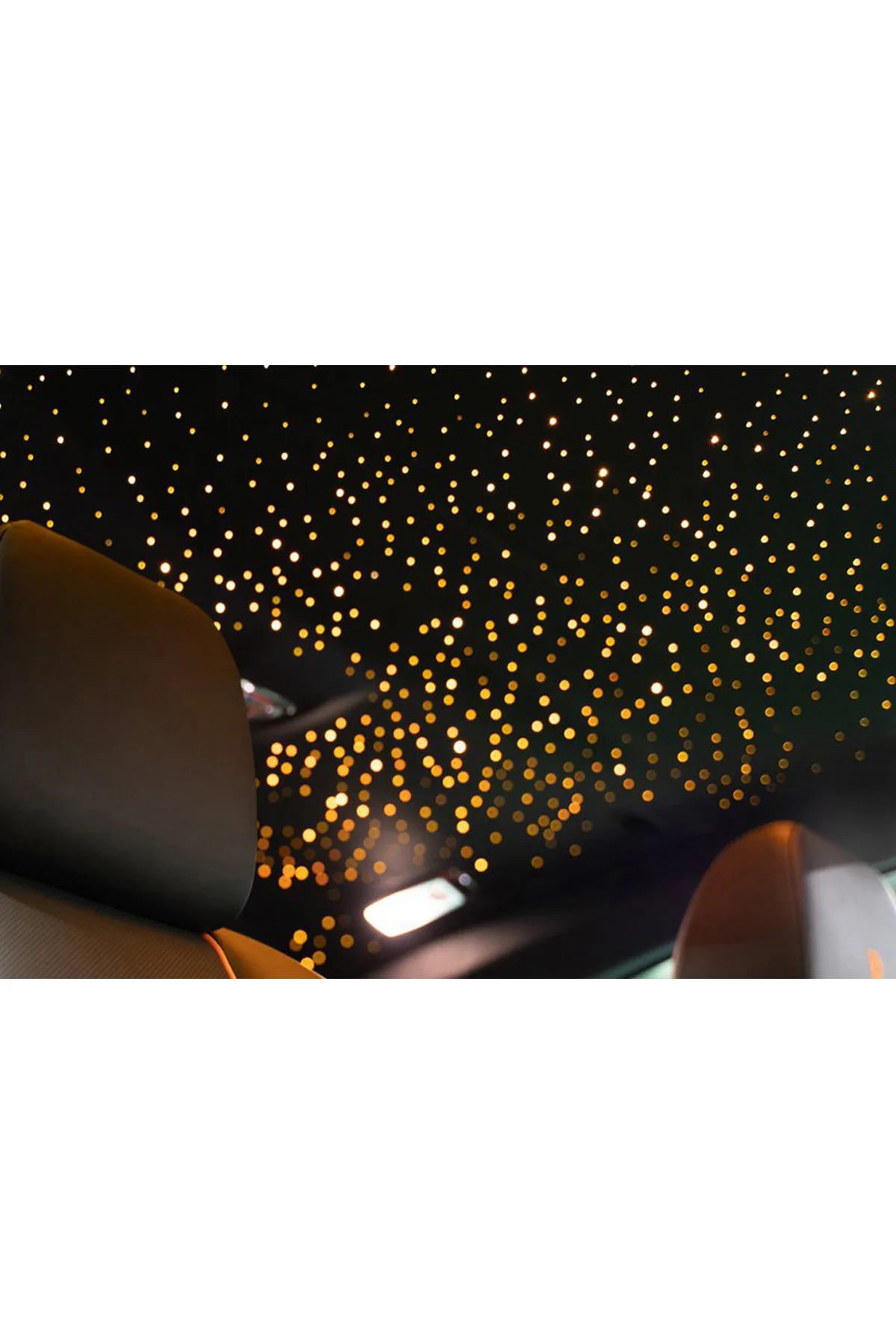
Frankly, starry floor lighting isn't magic. Indeed, light from a single, powerful LED projector is carried by special fiber optic cables. For example, the light that leaks in a controlled manner from the side surfaces of these cables creates thousands of tiny points on the floor. Additionally, they are distributed with varying brightness and size, much like a real sky. And that's the magic.
The Technology Bringing the Sky to the Ground: The Magic of Fiber Optic Floors
However, the cables used here are very different from the communication cables we know. Furthermore, they have "side-glow" or "end-glow" properties. Thus, manufacturers use a formula that allows the light traveling inside the cable to leak controllably from the side surfaces. Moreover, the result? In short, the cable emits light like tiny stars along its entire length.
The Heart of Decorative Lighting in 2026 Trends: Floors
So why is everyone talking about it in 2026? Moreover, the answer isn't simple—it's multi-layered. In short, first, technology no longer burns a hole in your pocket. Also, the number of people wanting to personalize their spaces and add emotional depth to them has increased. Yet, the calming and inspiring power of stars on the human soul is undeniable. Additionally, we're lucky that systems perfectly compatible with 2026 home automation allow you to instantly change color and brightness with your voice or phone. On the other hand, all this magic doesn't multiply your energy bills. Therefore, thanks to LED technology, savings of up to 80% compared to classic lighting are possible. Furthermore, the numbers are clear: 2026 industry data shows the decorative fiber optic lighting market's annual growth rate exceeds 22%.
"Starry floor lighting is not just light; it's a touch that awakens the soul of a space. Moreover, in 2026, it has become an indispensable tool for emotional expression in smart homes." - Space Design Expert
How is Starry Floor Lighting Done? List of Essential Materials You Will Need
Recently, a client asked, "Does this work with just a few materials?" My response was: Yes, but with the *right* materials. Therefore, never compromise on quality. Furthermore, here are the essential components needed to build a system meeting 2026 standards:
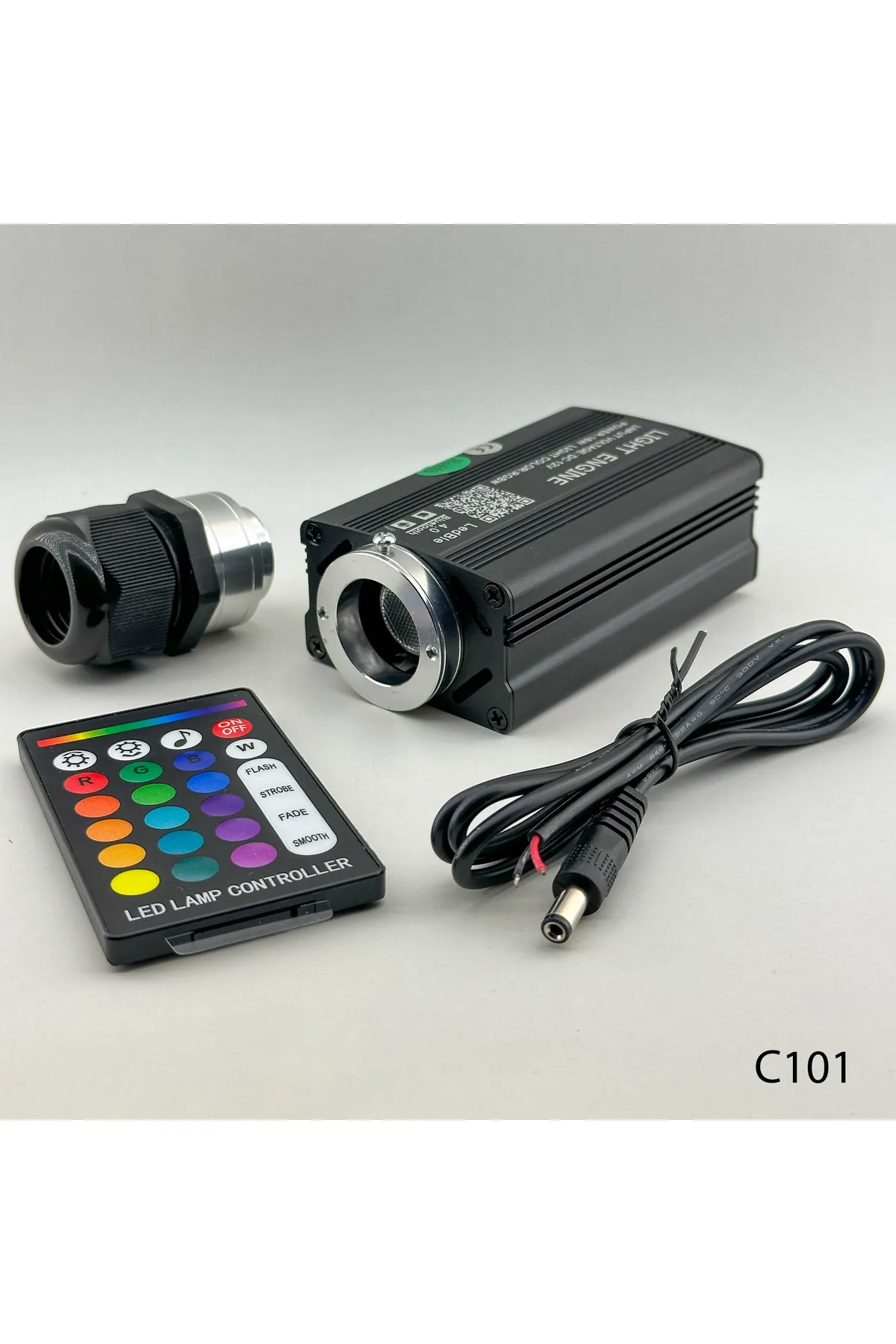
- LED Projector (Light Source): The heart of the system beats here. Indispensable.
- Fiber Optic Cables: The magical veins that carry the light and create the stars.
- Distribution Module / Connector: The traffic cop that fairly distributes light from the projector to multiple cable groups.
- Cable Terminators and Protective Components: The craftsmanship in the details that makes the system robust and clean-looking.
- Protective Surface Coating: Transparent epoxy resin or laminate that will protect the floor stars for a lifetime.
The Heart of the Light Source: LED Projector Selection
Short Answer: Five main materials are essential: an LED projector, fiber optic cables, a distribution module, cable terminators, and transparent epoxy resin to protect the floor. Indeed, if we listen to experts, for 2026, smart projectors capable of RGB+W color mixing and Wi-Fi control are worth their weight in gold.
The Veins Carrying the Stars: Fiber Optic Cables
If you want to create starry floor lighting, material selection is half the job. For example, each component here plays a critical role. Therefore, your projector choice affects everything. Consequently, in 2026, single-color projectors are no longer sufficient. Models capable of RGB+W (Red, Green, Blue + White) mixing, controllable via Wi-Fi or Bluetooth, and even changing color with music are in vogue. In summary, the projector power (between 10W and 100W) depends on the size of the area you want to illuminate. For instance, the "Pro Series" projectors found on CoraxAds.com, with IP65 water-dust protection, are tailor-made for semi-open areas like balconies.
Auxiliary Equipment for Installation and Finishing
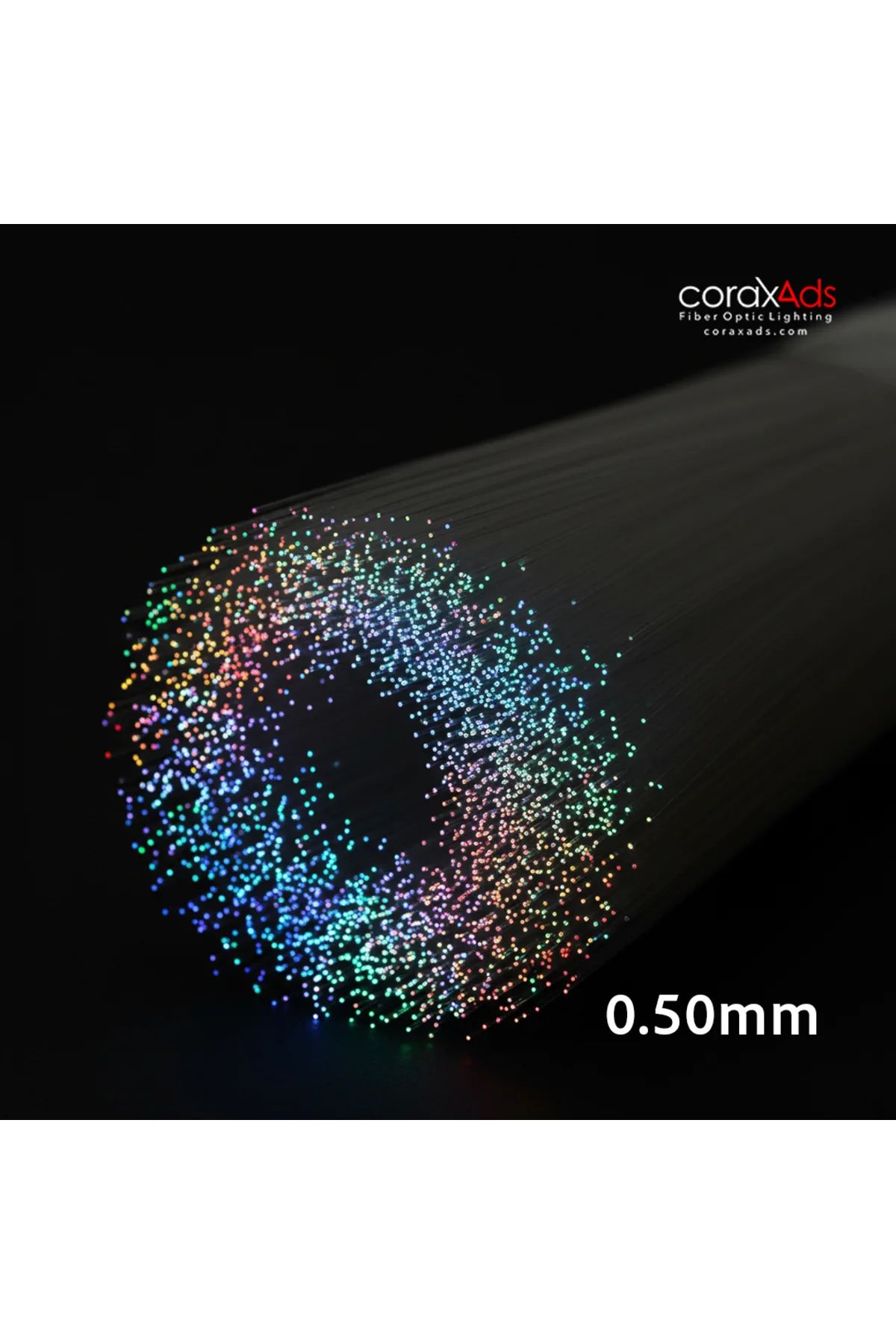
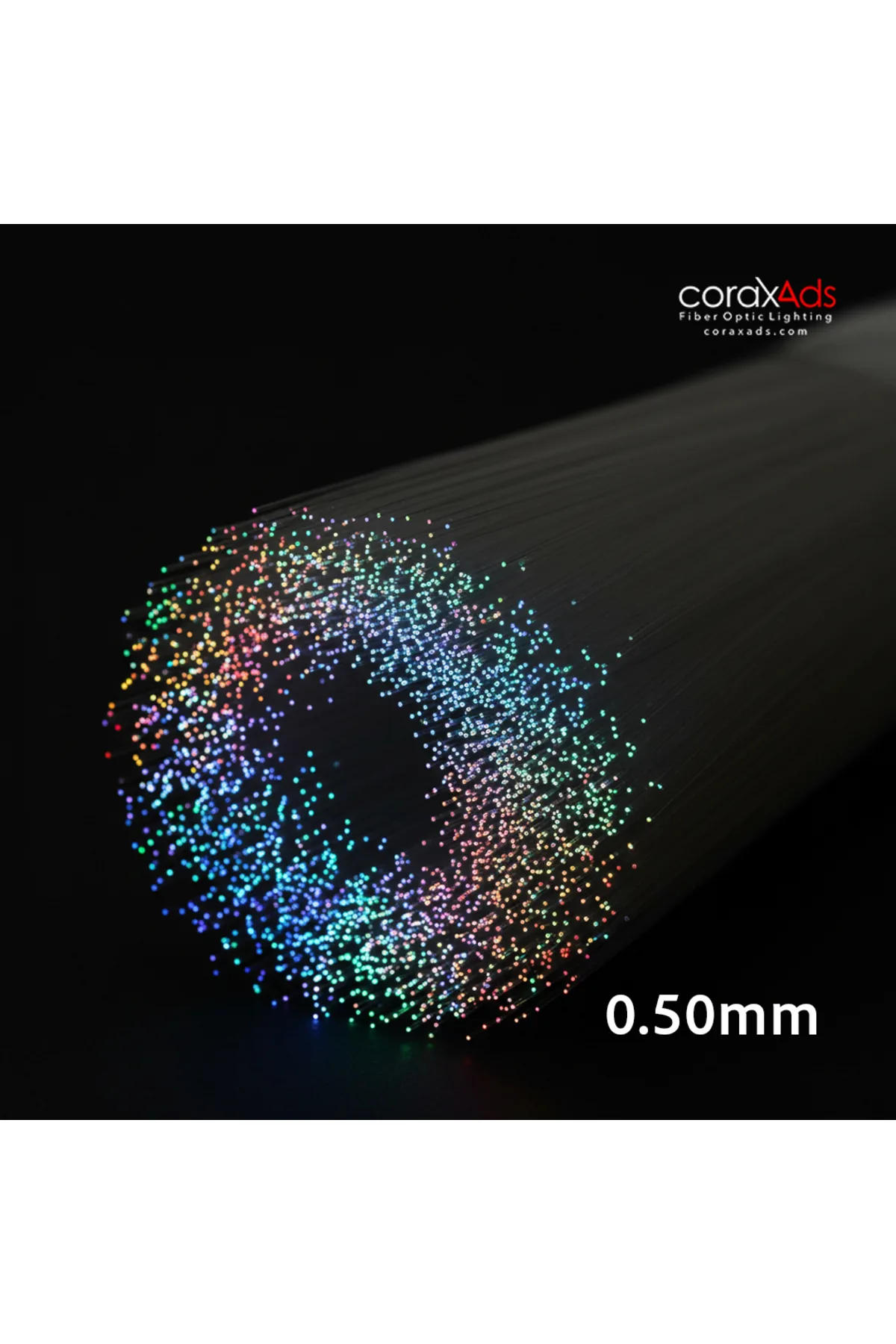
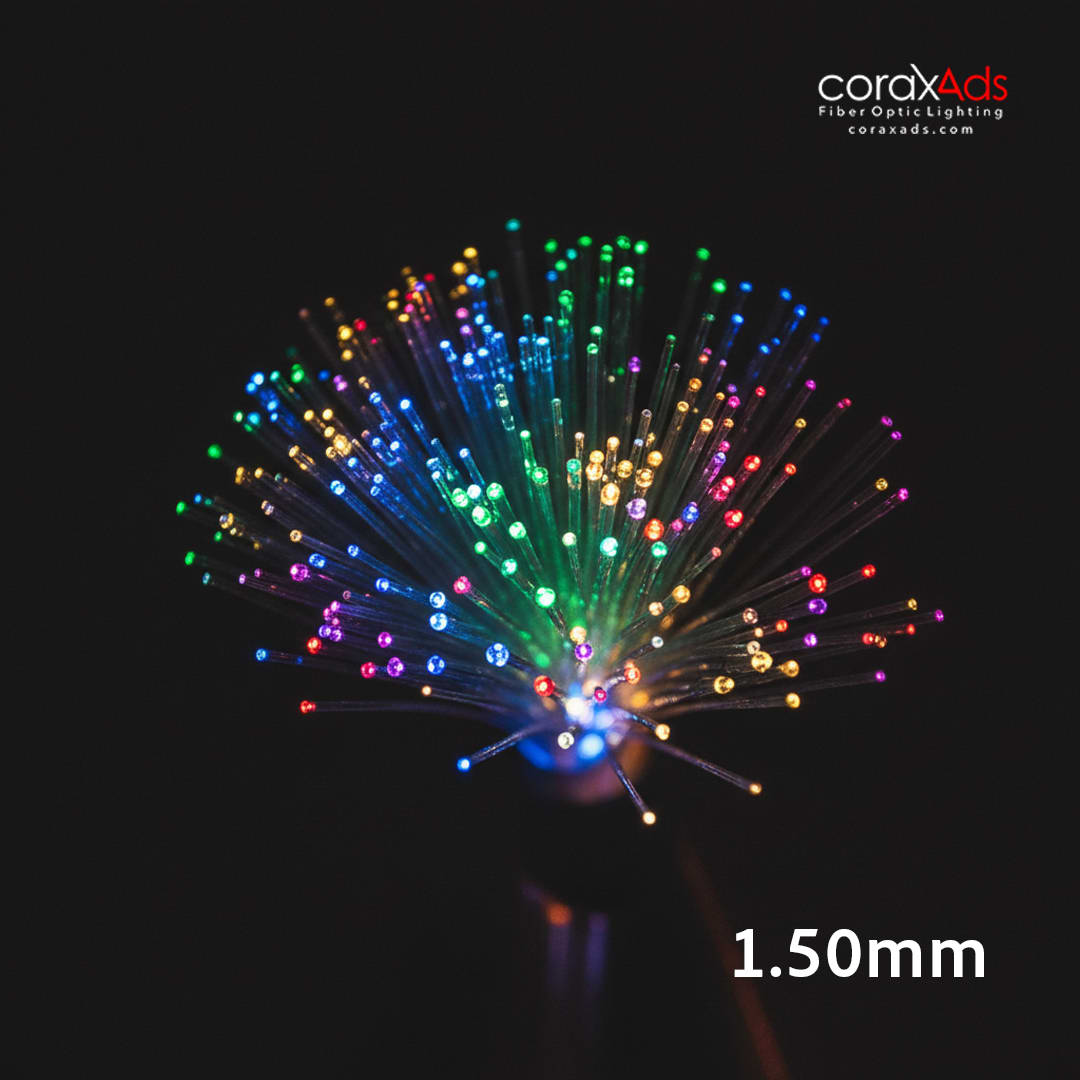
Cable selection determines the character of the stars. Because the smaller the diameter, the finer and denser the stars will be. There are two main options:
- 0.50 mm – 0.75 mm Diameter: For a dense, galaxy-like effect. Requires laying more cable per square meter.
- 1.00 mm – 1.50 mm Diameter: For sparser, more distinct, and brighter stars. Covers a larger area with less cable.
Special side-glow PMMA cables are essential for starry floor lighting. Be sure to check out our guide on fiber optic cable types and features to clear up any questions.
How is Starry Floor Lighting Done: Critical Steps Specific to 2026
Your job remains half-finished without these helpers: mounting brackets, special connectors, adhesives to secure cables, and a fiber optic cutter. However, fortunately, most professional kits come with all this equipment included.
Step 1: Floor Preparation and Creating the Cable Bed
In summary: There are three main steps: floor preparation and channeling, laying and light testing of cables, and finally protecting the cables with epoxy or laminate. However, experienced masters emphasize meticulousness and pre-testing at every stage.
Step 2: Laying and Distributing the Fiber Optic Cables
If the materials are ready, the fun part begins. Remember: The floor is a surface that is walked on. It requires many times more durability than a ceiling. Therefore, you must take each step carefully.
- Transparent Epoxy Resin: Promises high durability, waterproofing, and crystal clarity. Ideal for commercial areas and crowded places.
- Durable Laminate / Acrylic Panel: A faster and more economical solution. High light-transmitting special laminates are adhered over the cables.
The first task is to ensure the application floor is clean, dry, level, and solid. Existing coverings like tiles or laminate should be removed. It's usually applied over a screed floor. At this stage, you create thin channels (5-10 mm deep) for the fiber optic cables. These channels prevent bumps on the surface when the final coat is applied. Don't forget to plan the cable path to the projector in advance.
Step 3: Final Coat Application and Light Test
This is the most creative and enjoyable part of the job. After connecting the cables to the distribution module, freely sprinkle them into the prepared bed. You can do it randomly or according to a pattern. The point is for the cables to be neither too dense nor too sparse; aim for a natural star distribution. After lightly securing the cables in the channel, definitely perform a light test! Turn on the projector and ensure all stars light up. After testing, neatly seal the cable ends with terminators.
How is Starry Floor Lighting Done? Maintenance and Considerations for Longevity in 2026
After the cables are laid and tested, you apply the final coat to protect them and level the floor. In 2026, there are two popular options:
Resistance to Moisture, Pressure, and Chemicals
After the final coat material dries, perform one more final light test. Now the system is ready! Our guide on star ceilings for large areas like wedding halls also contains many technical details that will inspire you.
What to Do If Light Intensity Loss Occurs?
In short: A robust protective layer like epoxy resin is essential for longevity. Keep it away from sharp objects, use non-abrasive cleaners. Light reduction is usually due to the projector; the filters of these devices, which have a lifespan exceeding 50,000 hours, should be cleaned occasionally.
System Expansion and Repair Possibilities
A starry floor done with quality materials and proper application can accompany you for decades. However, there are subtleties you need to pay attention to.
| Model / Set Type | Covered Area (Estimated) | Standout Features | Usage Recommendation | Average Material Cost Range (TL) |
|---|---|---|---|---|
| Mini / Starter Set | 1 - 3 m² | Single color (White/Blue), 10W projector, 0.75mm cable, basic accessories | Small balcony corner, hallway entrance, decorative niche | 1,500 - 3,000 TL |
| Medium Scale / Residential Set | 5 - 15 m² | RGB+W color, Wi-Fi control, 30W projector, 1.0mm cable, includes epoxy resin | Bedroom floor, specific part of living room, bathroom entrance | 4,500 - 9,000 TL |
| Professional / Commercial Set | 20 m² and above | High-power RGB+W projector(s), music synchronization, high-durability cable, professional distribution unit | Restaurant entrance, boutique store floor, spa center, walkways | 10,000 TL and above |
A floor coated with epoxy resin withstands almost any condition. If laminate is used, be careful in excessively humid places (like constantly wet bathroom floors). Normal foot traffic, furniture weight, or dropped light objects won't cause problems. However, be vigilant against the risk of scratches or punctures from sharp, hard objects. Choose non-acidic, non-abrasive products for cleaning.
- Fiber Optic Cable Meterage and Thickness: A denser star appearance means more cable. This increases cost.
- LED Projector Technology: Smart control features and high power are directly proportional to the price tag.
- Protective Surface Quality: Industrial-grade epoxy resin is expensive compared to standard laminate but lasts just as long.
A slight light reduction over time is normal. However, if there is a noticeable dimming, the cause is likely the light source. LED projectors also have a lifespan (over 50,000 hours). The first place to check is the projector's ventilation filters. Clean them if dusty and ensure nothing is blocking airflow around the device. If the problem persists, you may need to replace the projector.
Source: tr.wikipedia.org
5 Frequently Asked Questions About Starry Floor Lighting (2026 FAQ)
1. Can starry floor lighting be used in humid environments like bathrooms?
There's also this: 2026 systems are modular. If you want to add a new area to the floor, you can connect a new cable group to your existing distribution module, provided your current projector has sufficient power. Even if a single fiber optic cable breaks, you can locate that cable, remove the terminator, and replace it with a new one. There's no need to remove the entire floor. Very practical!
2. Do the stars go out or get damaged when stepped on?
Short Answer: In 2026, starry floor lighting sets are categorized as Mini (1-3 m²), Medium Scale (5-15 m²), and Professional (20 m²+). Cost varies based on cable quantity, projector technology, and protective surface quality. Prices can start from 1,500 TL and go above 10,000 TL.
3. Can I install starry lighting over my existing tiled floor?
The 2026 market is full of sets for every need. Price is shaped by the area's width, cable density, projector capabilities, and protective material quality. The table below will give you a clear idea.
4. Are the stars visible in sunlight or during the day?
Three main factors determine the price:
5. Can I apply it myself, or is professional help necessary?
Our article on set selection for restaurant ambiance lighting will also shed light on your commercial projects.
Conclusion: Get Ready for 2026 with Starry Floor Lighting
Summary Answer: The most frequently asked questions are about moisture, durability, application over existing floors, daytime visibility, and DIY potential. Experts say: With the right materials and application, it can be used in bathrooms, stepped on, but should not be applied directly over tiles.
Absolutely usable! Under two conditions: First, the LED projector used must have an IP65 or higher waterproof rating. Second, the fiber optic cables must be perfectly sealed with waterproof transparent epoxy resin. Are these conditions met? Then you can confidently consider it for bathroom floors or enclosed pool edges.
No, they won't go out. You cover the system with a hard protective layer like epoxy resin or durable laminate. This layer is resistant to normal foot traffic, shoes, and even light furniture. Fiber optic cables work with light, not pressure. Stepping on them does not stop them from emitting light.
Applying directly over tiles isn't considered proper technique. To open channels for the cables and apply the final coat properly, it's best to remove the tiles. One alternative is to build a sub-structure called a "raised floor" over the tiles. However, this can create other issues like door threshold height. The cleanest way is to apply it over a screed floor during renovation.
When the projector is off, you might discern the fiber optic cables as thin transparent lines. They, of course, won't emit light. During the day, the ambient light is very strong, so the visibility of the star effect decreases. The real magic reveals itself in dim or dark environments. Starry ceiling lighting over a pool also works on similar principles.
You can try a mini set in a small area on your own. However, for medium and large-scale projects, especially those requiring epoxy resin, I strongly recommend professional help. Floor preparation, cable layout, and epoxy application require experience and special equipment. A wrong move can waste all the effort and money.
Final Word: Starry floor lighting is a system that stands out in 2026 decoration, adds emotional depth to spaces, and merges technology with art. For a successful project, proper planning, quality materials, and meticulous application are essential. You can use resources like CoraxAds.com for expert guidance and up-to-date products.
As you can understand, the answer to how starry floor lighting is done lies in meticulous planning, quality material selection, and careful application. This system goes beyond adding aesthetics to your space; it gives it an emotional soul. In 2026, our homes and workspaces are becoming increasingly personal. A starry floor will be one of the most striking and lasting expressions of this personalization.
If you decide to bring your project to life, our expert team is by your side to take the right steps. Visit CoraxAds.com to discover the newest fiber optic lighting sets of 2026 and contact us for free technical consultation. Remember, the sky isn't just above; with the right light, it can also shine beneath your feet. To explore our How is starry floor lighting done? collection and catch the best deals, visit https://CoraxAds.com now.