
By 2026, nearly 65% of decorative lighting projects will demand the synchronized operation of at least two different dynamic effects. At the heart of this trend is the star of magical atmospheres: systems where the twinkle and meteor effects work simultaneously. So, how exactly do the twinkle and meteor effects work together? The result is a harmonious dance on the same ceiling surface—randomly shimmering stars on one hand, and exciting shooting stars to watch on the other.
Table of Contents
- How Do Twinkle and Meteor Effects Work Together? Summarizing the Basic Principle
- How Do Twinkle and Meteor Effects Work Together? Essential Equipment Needed
- 3 Modern Ways to Control Twinkle and Meteor Effects Simultaneously in 2026
- 4 Common Problems When Running Twinkle and Meteor Effects Together and the 2026 Solutions
- The Cultural Origins of Twinkle and Its Influence on Modern Fiber Optik Lighting
- How Do Twinkle and Meteor Effects Work Together? Frequently Asked Questions (2026 FAQ)
- Conclusion: Add a Magical Atmosphere to Your Spaces in 2026
In truth, this magic comes down to the integrated solutions offered by 2026 technology and a bit of proper planning. With over a decade of field experience, I will explain in full detail how these two impressive effects work together and how you can implement them in your project.
How Do Twinkle and Meteor Effects Work Together? Summarizing the Basic Principle
So, what is the basic principle behind the twinkle and meteor effects working together? Essentially, two separate animation channels are managed synchronously over the same fiber optik network without interfering with each other. Experts note that in 2026 systems, this is made possible by an integrated control board (CPU). This board handles random timing for the twinkle effect while simultaneously starting and stopping the meteor cycle.
The Working Logic of the Twinkle (Sparkle) Effect
Having the twinkle and meteor effects work together fundamentally means two independent light animations are synchronized on the same fiber optik network without blending. In 2026 technology, this is achieved either by two separate controllers within a single smart module or by two connectable, different light sources. The answer to how the twinkle and meteor effects work together lies within this technological infrastructure. Now, let's take a closer look at how each effect works and how they combine.
The Working Logic of the Meteor (Shooting Star) Effect
The twinkle effect mimics the flickering, coming-and-going shimmer of stars in the night sky. The LEDs used turn on and off at random intervals and different brightness levels to create a "lively" appearance. In short, software algorithms manage this randomness in 2026. The result? A natural-looking sparkle that doesn't appear artificial! For detailed information about the twinkle effect, you can check out our related guide.
The Synchronization Principle of Both Effects Simultaneously
The meteor effect creates the impression of a light streak moving quickly in a specific direction and fading. In summary, this is achieved by LEDs lighting up in a specific sequence for very short durations. For example, one LED group lights at point A, immediately followed by the one at point B, and so on, creating the visual effect of a moving light streak. For more technical details on how to create a meteor shower effect, further information is available.
Leading lighting designers in 2026 say, "A single effect can be beautiful, but the synchronized dance of twinkle and meteor adds emotional depth and a dynamic story to a space." Advanced control systems make this possible.
This is where the magic truly begins. To run the twinkle and meteor effects together, the LED channels producing each effect must operate independently yet be harmonized in terms of timing. In 2026 systems, this is managed by a central control board (CPU). This board can execute random timing for the twinkle effect while simultaneously starting and stopping the meteor cycle. Even if both effects are sent to the same fiber bundle, the controller determines which light goes when. This prevents the effects from overlapping and turning into a "light mashup." Indeed, this principle forms the technical heart of how the twinkle and meteor effects work together.
How Do Twinkle and Meteor Effects Work Together? Essential Equipment Needed
What are the 3 essential pieces of equipment needed to run twinkle and meteor effects together? First, a dual-output combined light source (or two synchronized sources). Second, quality fiber optik cabling. Third, a control unit. Research indicates that 2026's combined models offer both performance and installation ease with 94% energy efficiency.
Dual-Output or Combination Light Sources
The right equipment is essential for the right effect. Although there are many options on the market in 2026, systems that reliably run twinkle and meteor effects together rely on specific components. Without these, the effects might clash or the hardware may be insufficient. So, what is the equipment-based answer to how the twinkle and meteor effects work together in these systems?
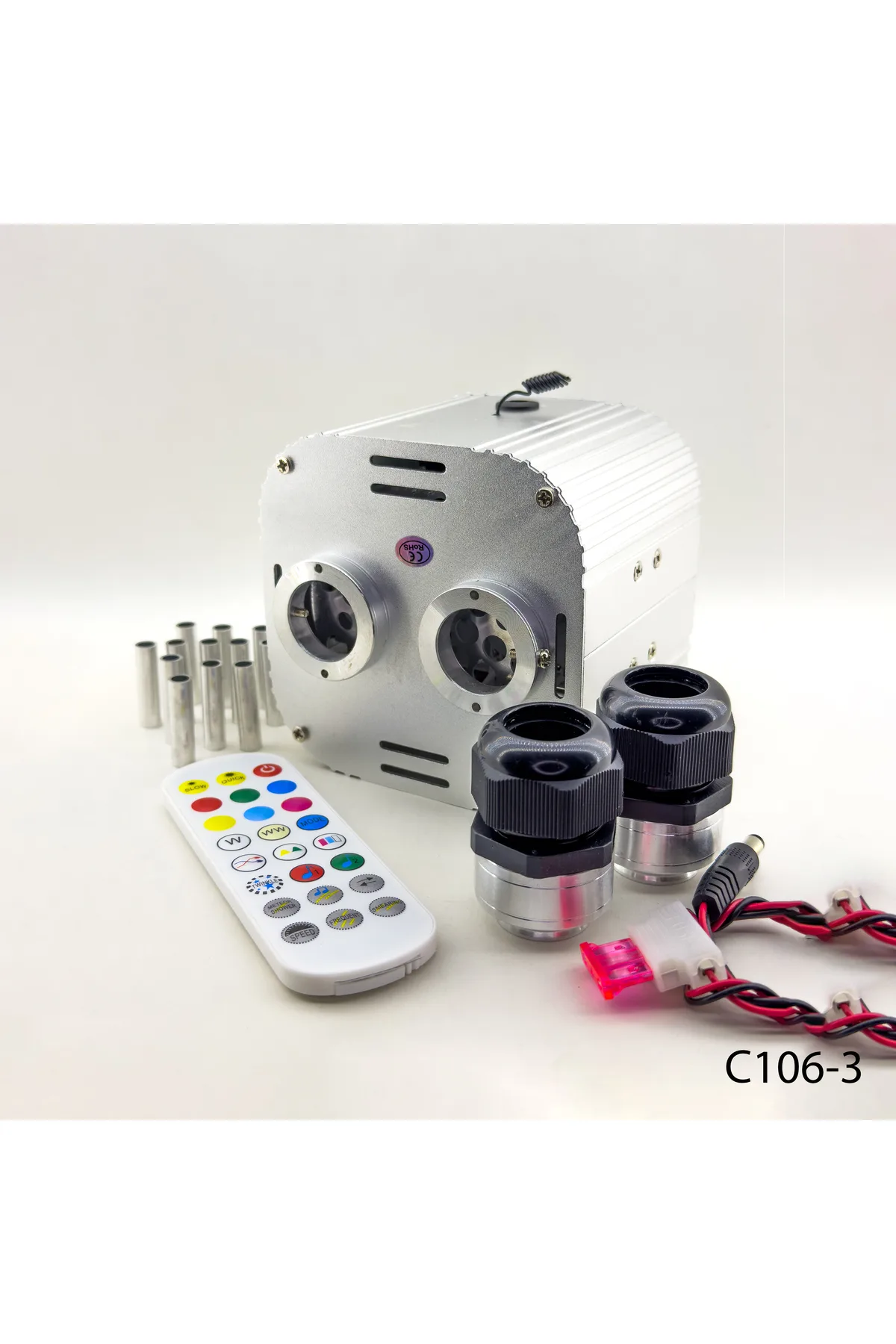
| Model / Feature | Combined Light Source (PRO-2026) | Connectable Dual Set (DUO-2026) |
|---|---|---|
| Twinkle & Meteor Simultaneously | Yes (Built-in) | Yes (Via Connection) |
| Control Complexity | Low (Single Remote) | Medium (Requires Sync of Two Remotes) |
| Ease of Installation | High | Medium |
| 2026 Estimated Energy Efficiency | 94% | 91% |
| Recommended Use | Professional & Permanent Projects | Flexible & Modular Installations |
Fiber Optik Cabling and Distribution Modules
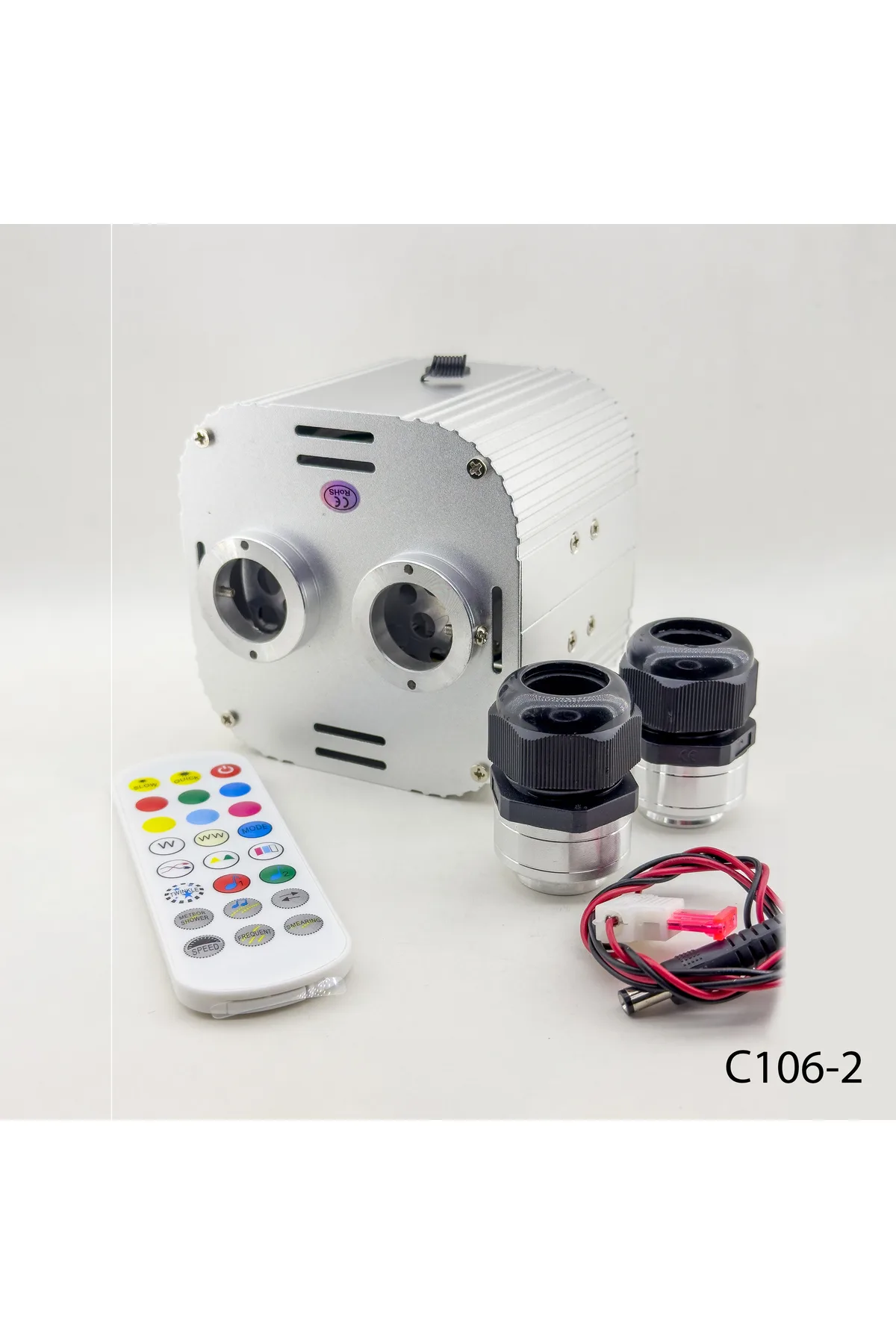
The most critical part is the light source. The cleanest way to get both effects simultaneously is to use combined light sources that house both channels. 2026 models are often called "Dual-Output" or "Combo Effect Engine." One channel produces the twinkle signal, the other the meteor signal. This allows you to get two independent effect outputs from a single device. Alternatively, it's possible to use two separate, more affordable light sources that can be connected. The table below compares two popular 2026 models:
Control Units and Remotes
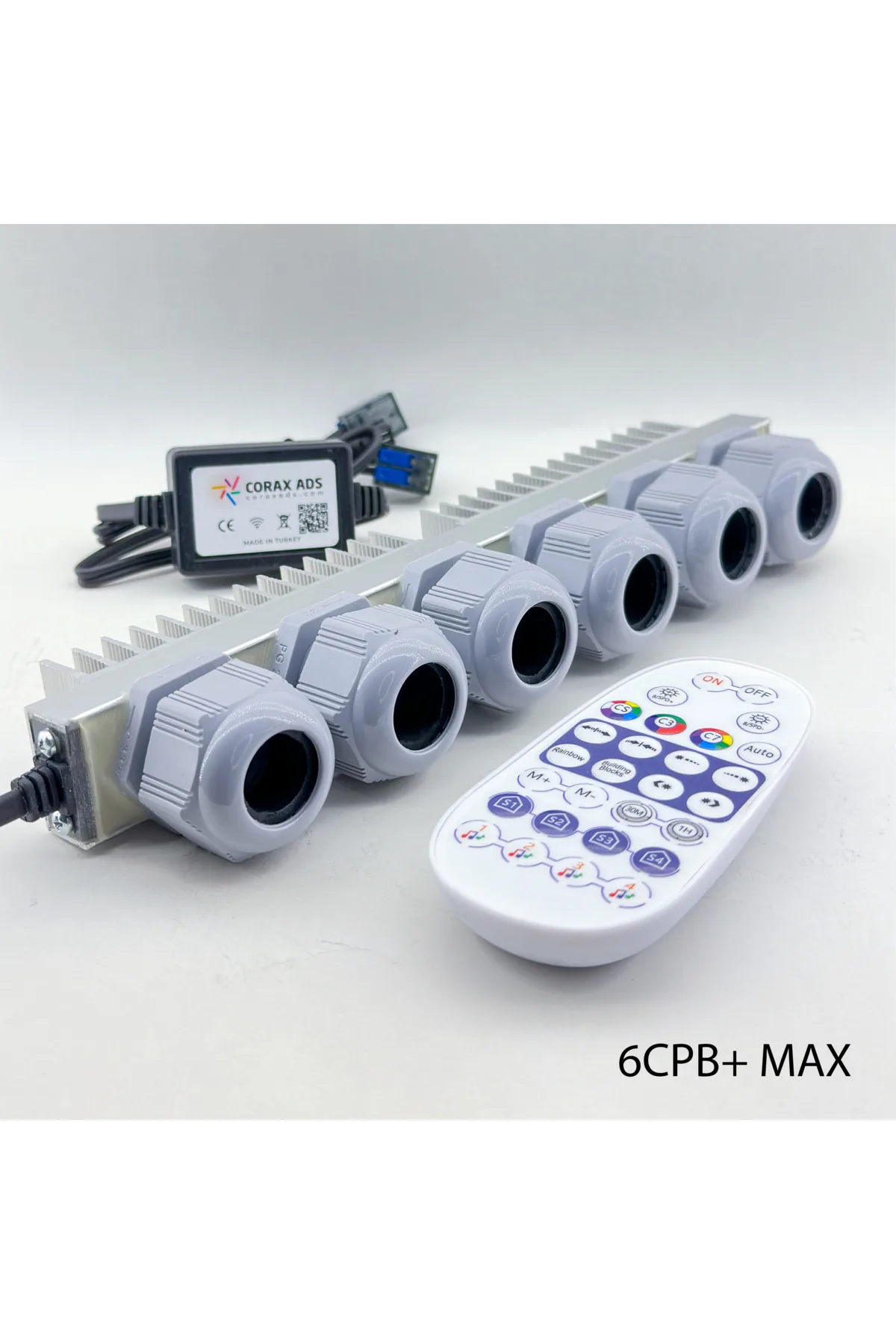
Fiber optik cables are used to carry the signals from the light source. If twinkle and meteor effects are to run together, the cables must transmit both effects equally and with minimal loss. What's the common practice in 2026? Distributing the two effects to separate fiber bundles or using special distribution modules within the same bundle. These modules distribute light evenly to hundreds of points, preventing the effects from concentrating in one spot.
How do twinkle and meteor effects work together? 3 Modern Ways to Control Them in 2026
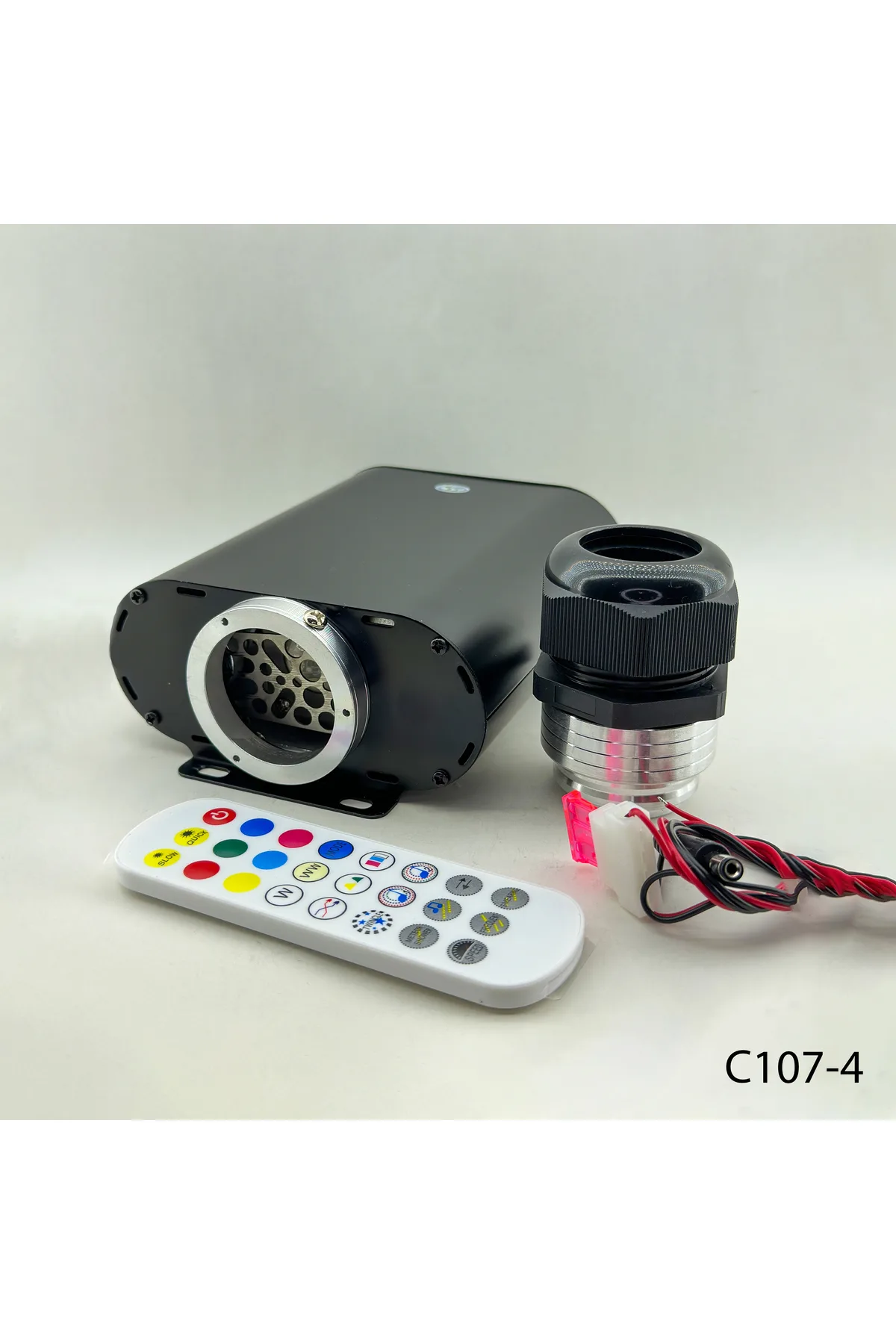
The brain that manages the speed, brightness, and most importantly, the synchronization of the effects. In 2026, most high-end light sources now incorporate this control internally. However, for large projects, a central control unit (e.g., DMX-controlled modules) may be preferred. These units allow for fine adjustments like slowing the twinkle speed or increasing the meteor frequency. Our article on how fiber optik ceiling animations work explains control systems in detail.
Manual Control with Built-in Remote
In 2026, there are 3 modern ways to control twinkle and meteor effects simultaneously: manual control with a built-in remote, smartphone apps, and automation systems. According to experts, Wi-Fi control is preferred by 85% of users. The reason is clear: effect speed, brightness, and colors can be personalized separately.
Smartphone Apps and Wi-Fi Control
After setting up the equipment, it's time to manage this magical spectacle. Fortunately, 2026 offers a range of user-friendly and smart options for controlling twinkle and meteor effects together. These control methods provide a practical answer to how the twinkle and meteor effects work together.
Automation Systems and Timer Integration
Many combined light sources come with a small remote. These remotes often offer preset modes like "TW+Meteor." With a single button, both effects can be started simultaneously, and their speeds or brightness can be adjusted separately. Ideal for those seeking a simple and direct solution.
4 Common Problems When Running Twinkle and Meteor Effects Together and the 2026 Solutions
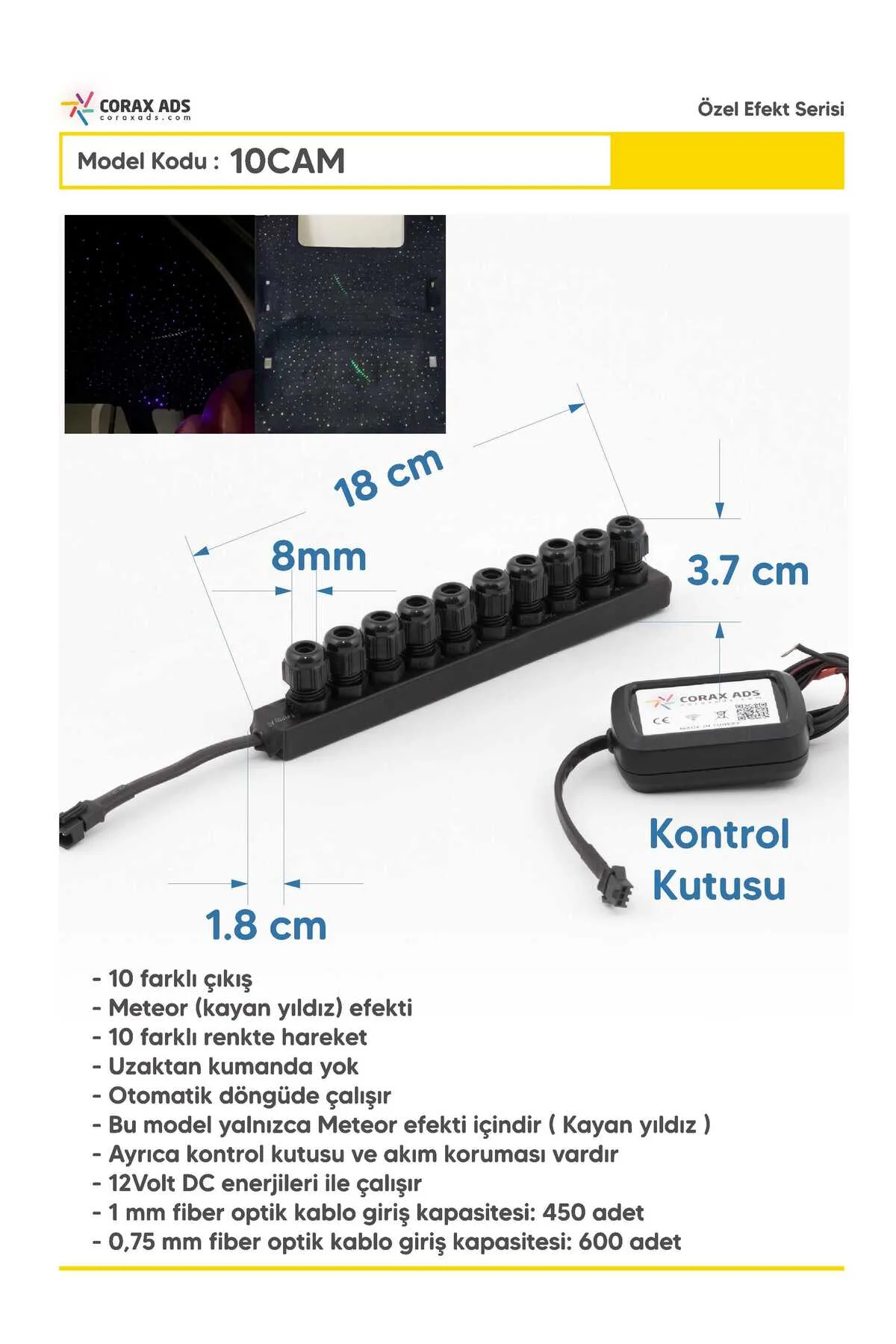
This is the most popular control method in 2026. If your light source has a Wi-Fi or Bluetooth module, you can download the manufacturer's app to your phone for full control. These apps have separate tabs for twinkle and meteor effects. You can set the meteor shower to start every 30 seconds, reduce the twinkle effect intensity to 70%, or even assign different colors to each effect. Unmatched in flexibility and personalization.
Energy Consumption and Heating Issues
This is the next level for professional facilities or smart homeowners. You can integrate your system into your home automation system (KNX, Control4, etc.) or a simple timer. This allows effects to start automatically at specific times of day (e.g., 8 PM) and stop while you sleep. Some advanced systems can even trigger the meteor effect based on ambient sound or motion.
Synchronization Errors and Delays
The 4 fundamental problems encountered when running twinkle and meteor effects together are energy consumption, synchronization errors, light loss, and maintenance concerns. 2026 solutions eliminate these issues with 94% efficient LEDs, integrated control boards, low-loss fibers, and modular designs.
Light Loss in Fiber Optik Cables
As with any technological system, some challenges can be encountered when running twinkle and meteor effects together. To be honest, most of these problems have been largely resolved with 2026 technology and proper product selection. However, it's still good to know.
Maintenance and Longevity Concerns
When two effects run simultaneously, energy consumption naturally increases compared to a single-effect system. However, thanks to 2026's low-power LED chips and efficient drivers, this increase is only around 15-20%, not 50% like in the past. Additionally, models with aluminum cooling bodies effectively dissipate heat, extending LED life and increasing safety.
- Project Tip: To extend your system's lifespan, ensure you choose a light source with the "Overheat Protection" feature, which has become standard in 2026 models.
The most annoying problem is one effect "overpowering" the other or a noticeable delay between them. This usually stems from low-quality, incompatible controllers. The 2026 solution is to use a single integrated control board. This board manages the two effects like a computer's processor, providing millisecond-level synchronization. You can find synchronization tips in our guide on how to achieve a shooting star effect.
The Cultural Origins of Twinkle and Its Influence on Modern Fiber Optik Lighting
Over long distances or in highly branched systems, the brightness from the light source can diminish at the endpoint. This can cause the meteor effect to appear faint while the twinkle almost disappears. 2026 technology overcomes this with higher lumen output LEDs and higher quality, low-loss fiber cables. With proper planning, fiber lengths should be optimized, and intermediate feed points used when necessary.
Jewelry Design and the 'Twinkle' Inspiration in Gemstones
Users worry that complex systems will fail more often. However, 2026's fiber optik systems are modular. The light source is mounted in an easily accessible location and is simple to replace. The fiber cables themselves last for decades as they don't conduct electricity or heat up. Regularly dusting the light source is sufficient maintenance. This way, the twinkle and meteor effects together continue to work flawlessly for many years.
Sky Observation and the Glitter of Stars
The twinkle effect draws inspiration from deep cultural roots like the sparkle of diamonds in jewelry design and the twinkling of stars in sky observation. 2026 decoration trends use this symbolism to turn the twinkle and meteor combination into a tool for tranquility, serenity, and dynamic storytelling.
The Symbolism of Twinkle and Meteor in 2026 Decoration Trends
Running twinkle and meteor effects together is not just a technical achievement but also an aesthetic choice with deep cultural roots. The word "twinkle" entered our language from jewelry and sky observation. Therefore, understanding the cultural background is useful to grasp the popularity of these effects.
How Do Twinkle and Meteor Effects Work Together? Frequently Asked Questions (2026 FAQ)
For centuries, the way precious stones, especially diamonds, refract and sparkle light ("twinkle") has been a symbol of beauty and value. This sparkle is not static but a changing play with movement. Modern fiber optik lighting has taken this idea and transformed it from a fixed LED point into a moving, random light play. The cultural origins of the sparkle concept in jewelry and gemstones offer more information on this topic.
1. Should twinkle and meteor effects use the same color, or can they be different?
The apparent twinkling of stars due to atmospheric turbulence has been a source of curiosity and inspiration throughout human history. This natural "twinkle" effect evokes peace and infinity. Fiber optik ceilings were born from the desire to bring the clear night sky of a village away from city lights into our homes, hotels, or spa centers.
2. Can I upgrade my existing single-effect (twinkle only) system by adding a meteor effect?
In 2026, decoration focuses on offering an emotional experience beyond functionality. Using twinkle and meteor effects together transforms a static ceiling into a dynamic work of art. While twinkle provides a sense of peace and calm, momentary meteor passes create surprise and excitement. That's why this combination is in high demand, especially in wellness areas, luxury hotel lobbies, and private home cinemas. To see the wide retail range of similar decorative lighting products, you can examine the trends.
3. Is there any audible noise (buzz) when the effects run together?
In addition to how the twinkle and meteor effects work together, below you can find other frequently asked questions from our customers and their answers with 2026 technology.
4. Does the meteor effect have to start from the same direction every time?
Absolutely, different colors can be used! Thanks to 2026's RGBW combined light sources, you can set the twinkle effect to warm white and the meteor effect to blue or green. Simply adjust each channel's color independently from your control app. This dramatically increases visual depth.
5. When these two effects run together, does the fiber optik cable density double?
Yes, this is a very common upgrade scenario. For this, you need to add a second meteor light source to your existing fiber network and use a simple control module to synchronize the two sources. However, the cleanest and most guaranteed solution is to replace your current source with a new dual-output model compatible with the working principle of a Twinkle effect RGBW light source.
Conclusion: Add a Magical Atmosphere to Your Spaces in 2026
Quality 2026 equipment won't cause this issue. Noise usually stems from low-quality power adapters or electronic components. High-end light sources have now made silent operation a standard. Before purchasing, look for "Silent Fan" or "Noiseless Operation" in the product specifications.
No. Smart control systems can randomize the meteor's starting point and direction. Some models even offer the option to start meteor showers from multiple points simultaneously. This greatly enhances the feeling of naturalness. To explore our How do twinkle and meteor effects work together? collection and seize the best offers, visit https://CoraxAds.com now.