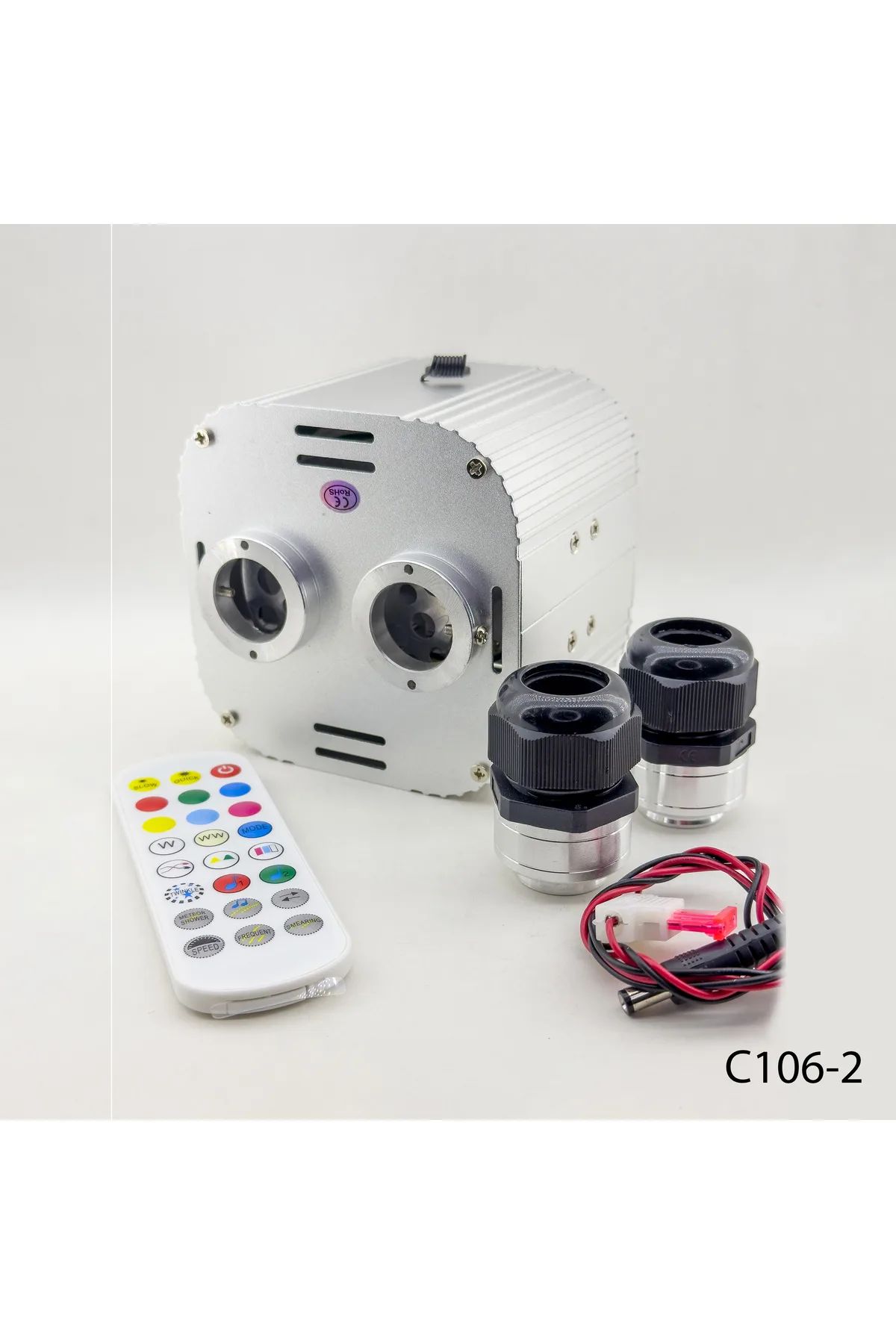
Are you curious about how a twinkle effect RGBW light source works? Do you dream of bringing the dazzling, shimmering glow of stars to your ceiling? The secret to this magical atmosphere in 2026 lies in twinkle effect RGBW light source technology. So, how does this system digitally recreate that natural twinkle from the sky? Frankly, the engineering behind it is both clever and incredibly precise.
In this article, we will dissect the question of how a twinkle effect RGBW light source works to 2026 standards, starting from the most basic components all the way to color algorithms and practical installation tips. If you're ready, let's dive into the technology behind the light.
How Does a Twinkle Effect RGBW Light Source Work? The Basic Principle Explained Simply
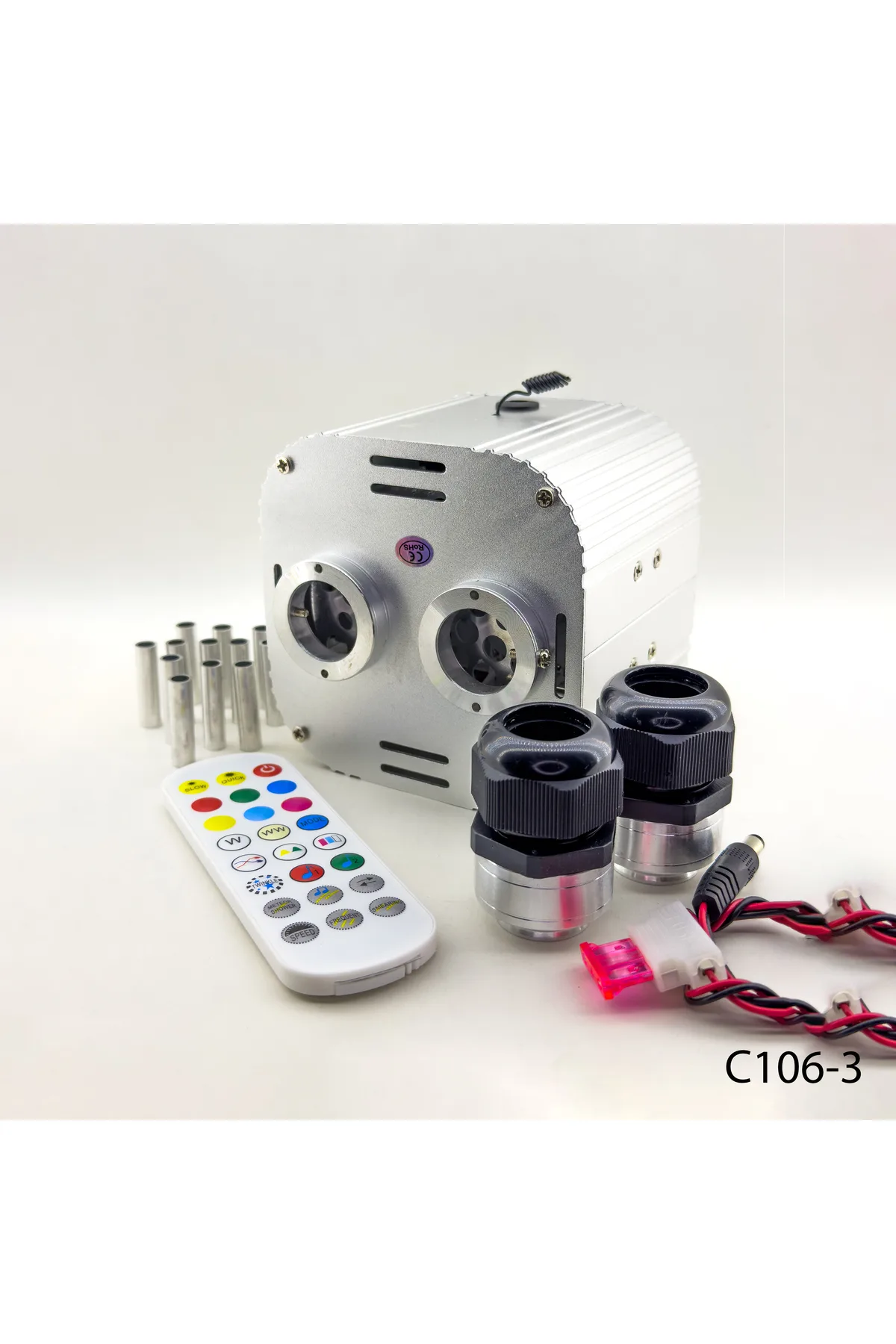
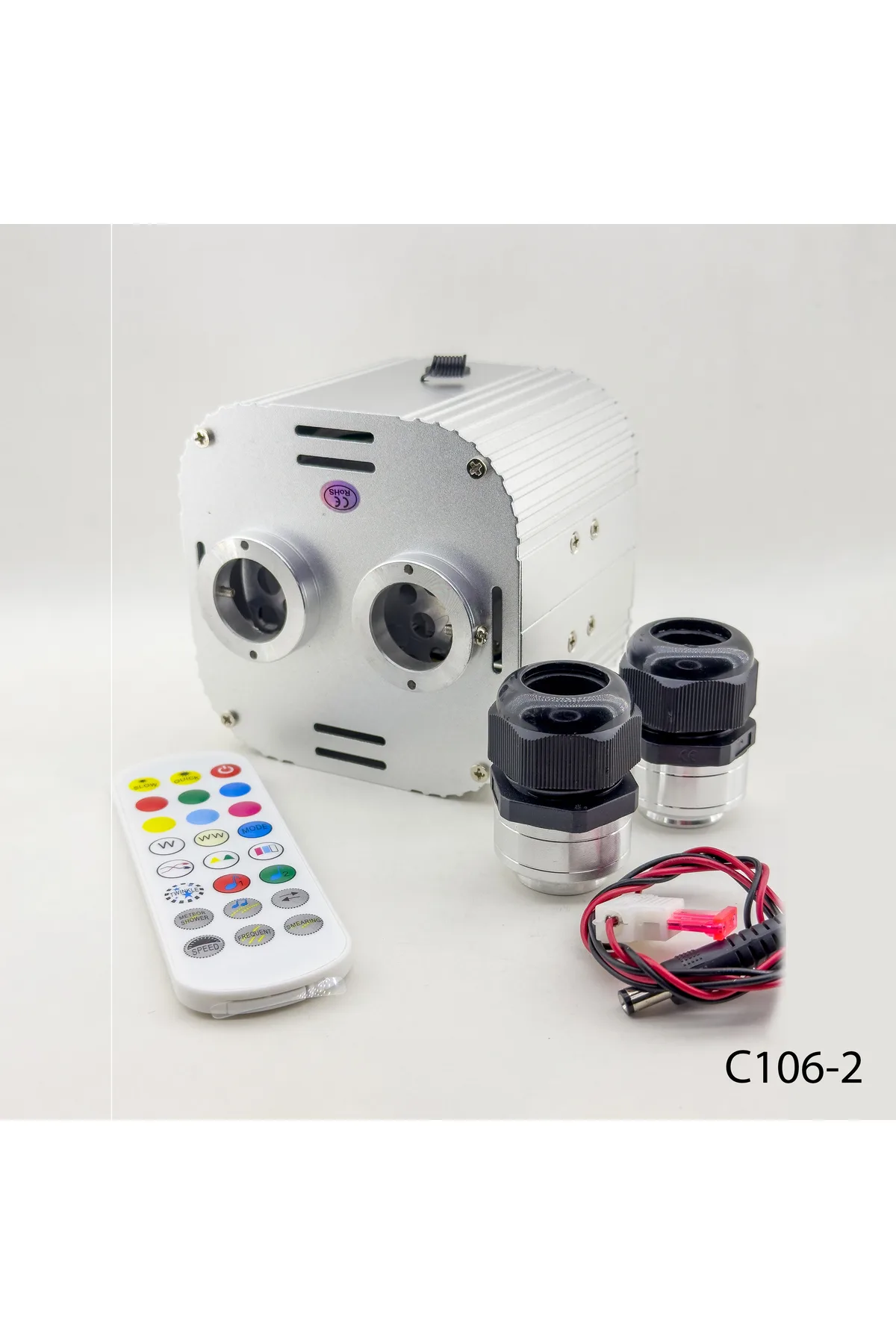
A twinkle effect RGBW light source functions through the harmonious operation of four main components: an RGBW LED array, a microcontroller that manages them, a power supply, and a heat sink. The magic we call the Twinkle effect originates from a special software algorithm loaded onto the microcontroller. This algorithm independently and randomly turns each color channel (Red, Green, Blue, White) on/off or changes its brightness within milliseconds. This creates a natural flickering sensation for the human eye. In fact, this randomness exists within a pre-programmed order, creating a controlled chaos.
"The Twinkle effect is not simply LEDs blinking on and off. The magic lies in the different fade curves designed separately for each color channel. The advanced microprocessors of 2026 can run these algorithms in almost infinite variety." - Fiber Optik Lighting Systems Expert
At its core, the answer to how a twinkle effect RGBW light source works is "a multi-channel PWM dimming system controlled by intelligent software." The system's operation roughly follows these steps:
- The user selects "Twinkle" mode via a remote or app.
- The microcontroller executes a set of instructions from a defined "sparkle library" for each color.
- These instructions are sent to PWM (Pulse Width Modulation) drivers.
- The PWM drivers interrupt the current to each LED in millisecond periods, creating rapid brightness changes.
- All these changes travel through fiber optik cables to create the mesmerizing twinkle we see at the star points.
How Does a Twinkle Effect RGBW Light Source Work? The Collaboration of RGBW Technology and Algorithms
To put it simply: an RGBW light source adds an extra White (W) LED that expands the pure color range and white quality. The Twinkle algorithm then manages these four channels in an independent and seemingly random pattern. This duo creates a realistic star sparkle simulation, ranging from pastel tones to vibrant colors. The heart of the atmosphere in projects beats right here. In summary, the answer to how a twinkle effect RGBW light source works lies in the magnificent harmony between color technology and intelligent software.
Why is the White (W) Channel in RGBW So Important?
In older RGB systems, white light was produced by turning red, green, and blue LEDs on at full power. However, this method often results in a cold and unbalanced white tone and wastes energy. The separate W channel in a twinkle effect RGBW light source is a dedicated LED that can produce pure white (like 6500K) or warm white (2700K-3000K). This results in:
- Much more natural and bright white tones.
- Creating pastel colors becomes easier and more energy-efficient.
- During the Twinkle effect, the flickering of white light plays a key role in mimicking stars of different temperatures in the sky.
A starry ceiling made with only RGB gives a colorful party vibe, while RGBW technology reflects the appearance of different star types in the Milky Way much more realistically. Therefore, to understand how a twinkle effect RGBW light source works, you should never overlook the unique contribution of the white channel.
How Does Twinkle Effect Software Create Randomness?
The sparkle of real stars is never regular. To mimic this natural randomness, the software uses "pseudo-random number generators" and timers. However, it's also essential that the effect isn't completely chaotic, otherwise, it becomes visually disturbing. The algorithm dances within these parameters:
- Burn Time: The duration an LED stays at full brightness (typically 50-500 ms).
- Fade Curve: The rate at which brightness decreases (sudden drop or slow fade).
- Minimum/Maximum Brightness: The levels at which the LED turns off or on.
- Channel Delays: Small timing differences between color channels.
The algorithm continuously and independently updates these parameters for each LED or LED group. This results in a flickering pattern that is pleasing to the eye yet constantly changing. By 2026 standards, these algorithms are flexible enough to allow users to select speed, intensity, and even "sparkle style" (e.g., calm night or active meteor shower). So, another answer to how a twinkle effect RGBW light source works lies in the flexibility of this intelligent software.
Project Suggestion: YOUTH ROOM STAR CEILING COLORED FIBER OPTIK LIGHTING AMBIANCE SET - MINI. The twinkle effect RGBW light source in this set offers precisely the color and effect richness we've discussed, perfect for small projects. With customizable Twinkle speed, you can create a magical sky in your child's room.
How Does a Twinkle Effect RGBW Light Source Work? Control Mechanisms and Signal Processing
A light source's ability to produce a Twinkle effect depends on the capabilities of its "brain," the microcontroller, and how commands are given to it. The basic principle is to control the LEDs with PWM signals and bring this control to user-friendly interfaces. Thus, in addition to how a twinkle effect RGBW light source works, how it is managed also becomes important. Without these control systems, creating an impressive display wouldn't be possible.
The Relationship Between the Microcontroller and PWM Signal
The microcontroller operates like a miniature computer, continuously running the Twinkle algorithm. The output of this algorithm is PWM signals. PWM changes the ratio (duty cycle) of "on" and "off" times of the voltage applied to an LED. For example, a 50% duty cycle means the LED shines at half brightness. The microcontroller changes this duty cycle value for each color channel in millisecond periods determined by the algorithm. These changes are so fast (usually above 1 kHz) that the human eye perceives not the LED turning on and off, but its brightness constantly changing. In short, the most technical answer to how a twinkle effect RGBW light source works is hidden right here.
| Microcontroller Model | PWM Resolution | Controllable Channel Count | Compatible Control Protocols | Twinkle Algorithm Variety |
|---|---|---|---|---|
| ESP32-C6 | 16-bit (65,536 levels) | 8+ | Wi-Fi, Bluetooth, DMX (with extra hardware) | High (User-defined) |
| ARM Cortex-M0+ | 12-bit (4,096 levels) | 4-6 | RF, 0-10V, Simple DMX | Medium (5-10 Pre-loaded effects) |
| Custom ASIC Driver | 14-bit (16,384 levels) | 4 (RGBW) | RF Remote, Manual Button | Basic (3-5 Fixed effects) |
DMX, RF Remote, and Mobile App Integration
The Twinkle effect doesn't have to be left alone after installation. Fortunately, control options have expanded considerably by 2026. These mechanisms open the door to personalizing the effect:
- RF Remote Control: The most common and easy-to-use method. The user can select effect modes, colors, and brightness from a small remote. Offers very reliable communication.
- DMX512 Protocol: The language of professional lighting. In large projects like theaters or hotel lobbies, it allows central console control of hundreds of light sources. Twinkle speed and intensity can be finely adjusted.
- Mobile App (Wi-Fi/Bluetooth): Indispensable in 2026. You can select a custom color tone from your phone, increase or decrease the Twinkle effect's "randomness factor," and even manage music synchronization. For details, check out our page on light control systems with RF remote.
Project Suggestion: BUS AMBIANCE LIGHTING FIBER OPTIK STAR CEILING SET - SHOOTING STAR - ECO PRO. This professional set features a robust microcontroller that works reliably even in vibrating environments and offers both RF remote and central control options. It's tailor-made to create an unforgettable passenger experience in vehicles.
How Does a Twinkle Effect RGBW Light Source Work? Cultural Inspiration and Technological Reflection
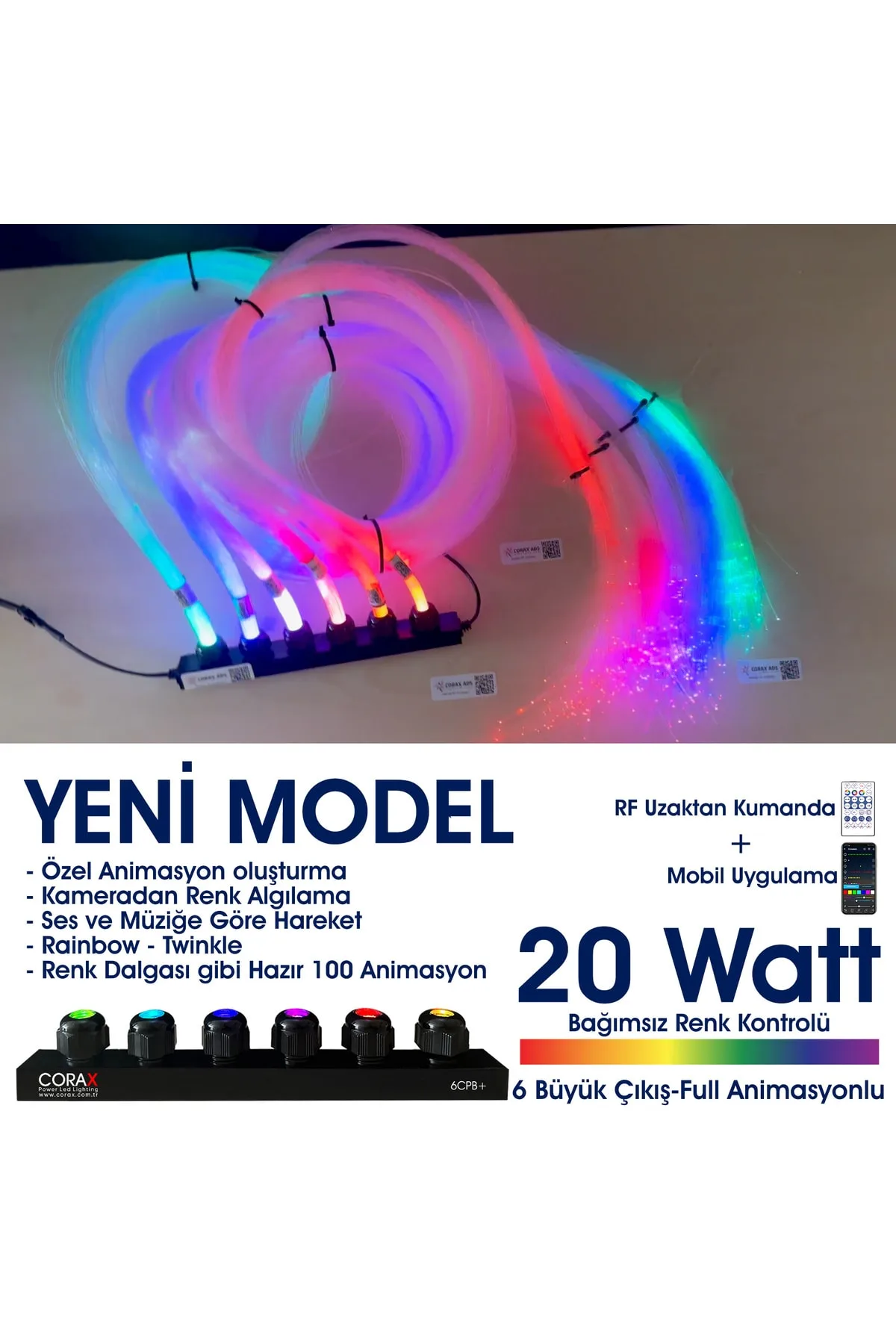
Truthfully, the success of a twinkle effect RGBW light source lies not only in technical superiority but in the universal emotion it touches. This effect is like the digital-age reflection of humanity's ancient fascination with the sky. In this sense, the question how does a twinkle effect RGBW light source work also explains why it is so captivating.
The Traces of Stars in Human History and Their Modern Interpretation
For thousands of years, stars have been a source of inspiration for navigation, religion, art, and decoration. The phenomenon astronomers call "atmospheric scintillation"—the twinkling of starlight caused by refraction as it passes through the atmosphere—is the original, natural form of the Twinkle effect. Modern technology gives us the chance to bring this natural wonder indoors. Moreover, according to 2026 decoration trend reports, this effect used in relaxation corners at home or spa centers is associated with an 82% rate of "peace and tranquility." So, technology gives us the power to design not just light, but a mood.
If you're curious about the use of star motifs in a cultural context, you can review a cultural reference on how star motifs have been used in decoration and jewelry throughout history.
Project Suggestion: RESTAURANT, CAFE AMBIANCE LIGHTING STAR CEILING FIBER OPTIK APPLICATION KIT. If you want to offer your customers an unforgettable, romantic atmosphere during dinner, the realistic Twinkle effect created with this kit is perfect for you. Your guests will experience the magic of dining under the stars.
How Does a Twinkle Effect RGBW Light Source Work? How Easy is Installation in 2026?
It might sound complicated. But thanks to today's plug-and-play sets, installing a twinkle effect RGBW light source is child's play compared to the past. Market research indicates that with the right set, the average installation time is between 3-6 hours, though this varies with project size. After learning how a twinkle effect RGBW light source works, the installation phase can also be completed with peace of mind.
Step-by-Step Installation Checklist
Follow these steps for a successful installation:
- Planning and Measurement: Measure your ceiling area, draw a layout for the fiber optik cable distribution.
- Positioning the Light Source: Secure the source in a well-ventilated place near a power outlet (like inside a cabinet) that can be central to the fiber cables.
- Power and Control Connections: Connect the light source to the power outlet. Plug the RF receiver or DMX cable into the relevant ports.
- Connecting the Fiber Optik Cables: Carefully insert the fiber bundles into the source's output connectors and tighten their screws.
- Placing the Fiber Ends: Thread the fibers through the holes or panels in the ceiling according to your prepared layout and secure them.
- Test and Calibration: Turn the system on. Use the remote or app to select color and Twinkle mode, checking that all points are working.
Integrated vs. Modular System Difference
Regarding installation ease, there are two main systems:
Integrated (All-in-One) Systems: The light source, driver, and remote are in the same box. Installation is simple, but expansion and maintenance may be limited.
Modular Systems: The light source, driver, and control unit are separate components. They offer flexibility and the option for high-capacity RGBW light source selection, but installation requires a bit more technical knowledge.
Project Suggestion: POOL LIGHTING FIBER OPTIK STAR, POOL AMBIANCE LIGHTING KIT - ECO. Thanks to its waterproof (IP68) special design, it provides both Twinkle effect and static lighting for poolside or jacuzzi areas. Its protected connectors promise a safe and easy installation.
How Does a Twinkle Effect RGBW Light Source Work? 5 Frequently Asked Questions (FAQ)
1. What is a twinkle effect RGBW light source and how does it work?
It is a source composed of Red, Green, Blue, and a dedicated White (W) LED. The microcontroller inside runs a software (Twinkle algorithm) that makes these four channels turn on/off at random times and brightness levels. The shimmering, natural star sparkle effect you see is born this way.
2. How are twinkle effect RGBW LEDs controlled?
In 2026, the most common control methods are RF remote control, smartphone apps (via Wi-Fi/Bluetooth), and the professional DMX512 protocol. Through these, the effect's speed, intensity, color, and brightness can be easily adjusted.
3. How is the Twinkle effect different from other light effects (e.g., fade, flash)?
Fade or Flash effects typically control all LEDs in a synchronized and regular manner. The Twinkle effect is based on randomness and asynchronous operation. Each LED or color channel shines independently at an unpredictable timing, giving a natural sky feel. For a detailed technical analysis, you can check our article on detailed technical analysis of the RGBW color model.
4. Where are twinkle effect RGBW lights used?
They are frequently used in starry ceiling applications (bedroom, home theater), pool and jacuzzi lighting, bus/minibus interior decoration, commercial spaces like restaurants, cafes, bars, hotel lobbies, and special design art installations.
5. Is installing a twinkle effect RGBW light source difficult?
With today's ready-to-use sets, installation for personal projects is quite simple. However, for large-scale or commercial projects (e.g., a multi-story hotel lobby), it is strongly recommended to work with a professional team for electrical wiring and fiber integration.
Conclusion: Bring a New Imagination to Light in 2026
As you've seen, the answer to how a twinkle effect RGBW light source works lies at the intersection of engineering, software, and human psychology. This technology is no longer just a lighting tool; it's a design element that can add emotion, peace, and magic to spaces. 2026 gives us the chance to use these effects in a more customizable, energy-efficient (consuming on average 60% less energy with LED technology), and long-lasting (up to 50,000 hours lifespan) way.
Remember, with proper planning and quality product selection, creating the atmosphere of your dreams is easier than ever. We can now gaze upon the stars we've admired for thousands of years from the comfort of our own homes.
Final Call: Are you ready to take your project to the next level? Check out the VIP STAR CEILING FIBER OPTIK STARLIGHT MINIBUS SHOOTING STAR SET - ECO, designed for luxury transport vehicles, offering both Twinkle and shooting star effects. Don't hesitate to contact us for detailed technical consultation and free project planning.