Table of Contents
- How to Install Fiber Optic Lighting Behind a TV? Basic Principle and the 2026 Approach
- How to Install Fiber Optic Lighting Behind a TV? Required Materials List
- Decorative and Psychological Effects of TV Backlighting: Why Focus "Behind" It?
- Step-by-Step: How to Install Fiber Optic Lighting Behind a TV? Installation Procedure
- How to Install Fiber Optic Lighting Behind a TV? 5 Key Points to Consider
- Post-Installation Maintenance and FAQs for TV Backlighting with Fiber Optics
Now, let's talk about a detail that revolutionizes home decor and viewing pleasure. In fact, 2026 research reveals that approximately 72% of smart home users view installing fiber optic lighting behind the TV not just as a "decoration," but as an essential component for eye health and comfort. So, how can you achieve this popular and beneficial effect in the highest quality and most flexible way? The answer: fiber optic technology. In this guide, we will answer the question how to install fiber optic lighting behind a TV? in every detail, providing 2026-specific tips and step-by-step installation instructions.
How to Install Fiber Optic Lighting Behind a TV? Basic Principle and the 2026 Approach
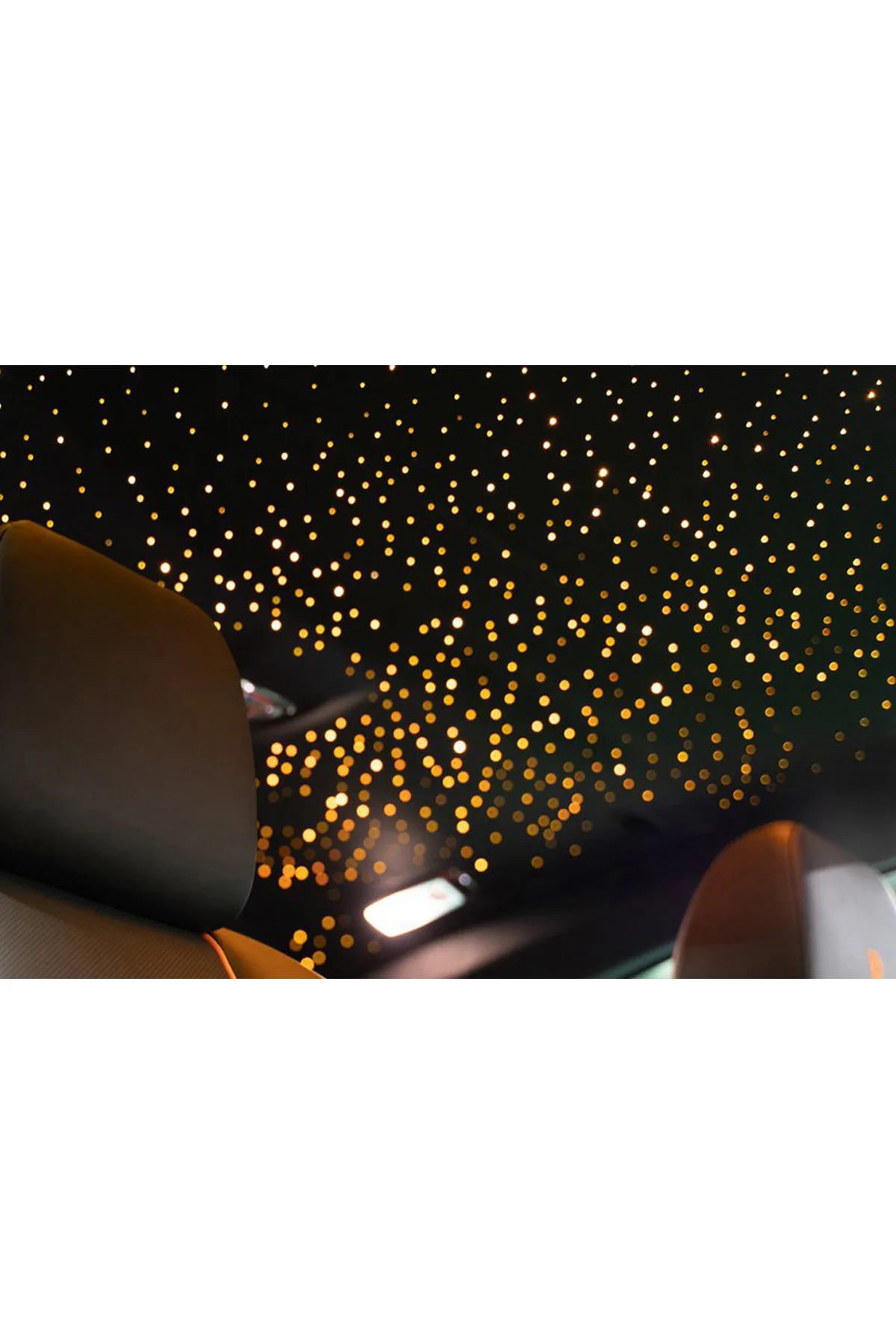
Fortunately, the answer to how to install fiber optic lighting behind a TV, while seemingly complex, is based on a very simple and logical principle. Essentially, the system works by having bright white or RGB light emitted from a single LED projector (light source) travel through special fiber optic (PMMA) cables to reach the back frame of your TV, where it then diffuses as a soft, homogeneous beam of light. Unlike traditional LED strips, however, you position the light source away from the TV, keeping heat and electronic noise distant from the screen. Therefore, learning how to install fiber optic lighting behind a TV starts with understanding this basic principle.
Furthermore, understanding this principle makes all the steps you'll encounter during installation logical.
Advantages of Applying Fiber Optic Lighting Behind a TV
First, the biggest advantage of this method is that it allows perfect integration into the thinnest edges of your TV without any protrusion, thanks to the ultra-thin and flexible fiber cables. On the other hand, since color changes are controlled from a single source, it provides simultaneous and consistent lighting effects. Moreover, the fibers themselves do not conduct electricity, adding an extra layer of safety during installation. In addition, installing fiber optic lighting behind the TV with this system offers a modular structure; you can add or remove cables anytime.
The Relationship Between Bias Lighting and Eye Health
Actually, "Bias Lighting" or "backlighting" is a technique used for years in professional studios to reduce eye strain by softening contrast. Installing fiber optic lighting behind the TV brings this professional technique into your home. Therefore, when answering how to install fiber optic lighting behind a TV, it's important to highlight the benefits of bias lighting. For example, looking at a bright screen in a dark room strains your eye muscles. The soft light behind reduces this sharp contrast and significantly increases your visual comfort, especially during long movie marathons. Consequently, this project is not only decorative but also functional.
"In 2026, the consumer electronics trend is shifting from the screen itself to the personalized experience surrounding it. Fiber optic bias lighting is one of the most stylish and technically clean solutions that combines this experience with health benefits."
How to Install Fiber Optic Lighting Behind a TV? Required Materials List
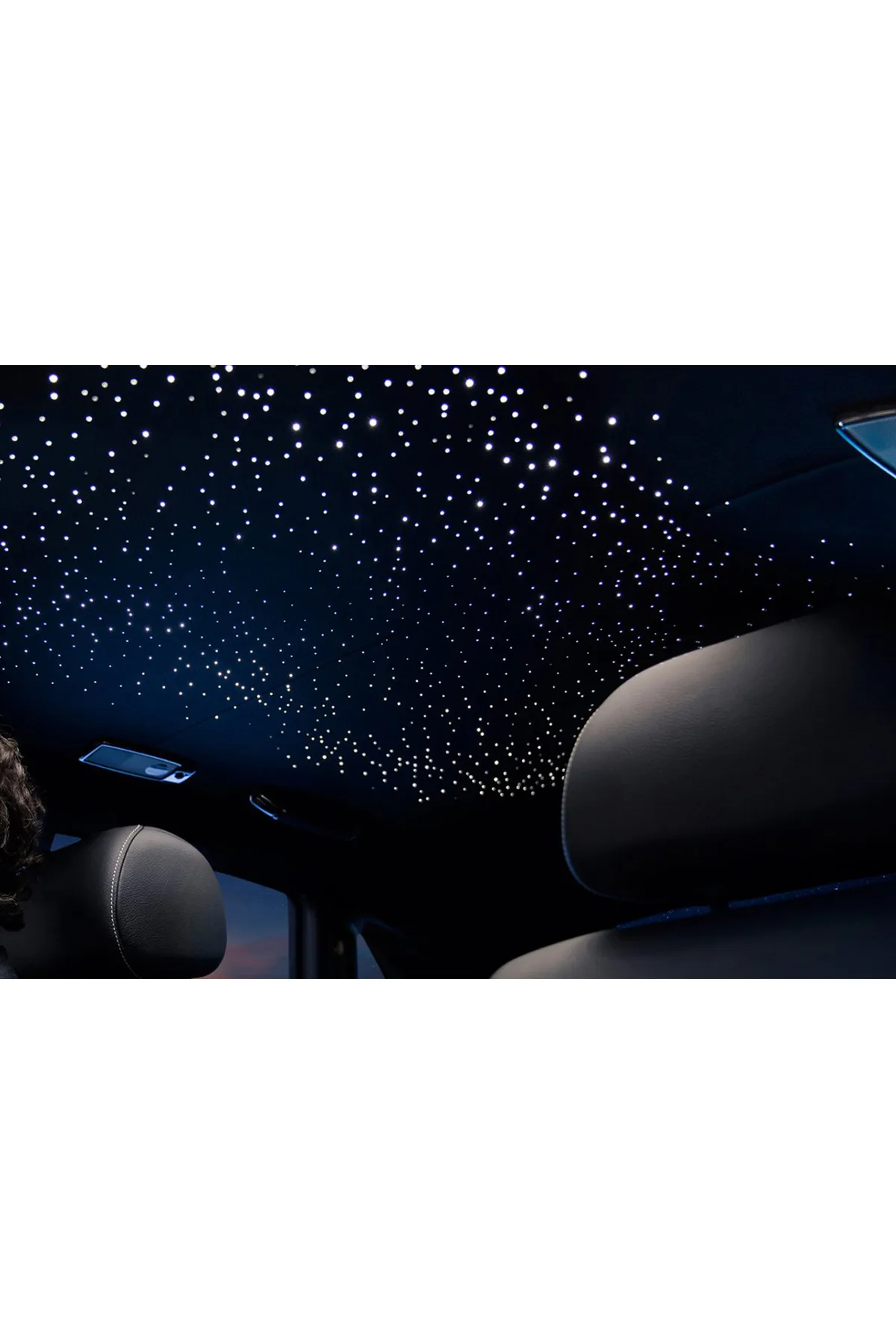
Gathering the right materials is essential for a successful project. Here is the basic list you need to install fiber optic lighting behind a TV. Alternatively, this list can be shortened by purchasing ready-made kits that simplify the process:
- LED Light Source (Projector): The heart of the system. Available in single-color (white) or color-changing RGB/RGBW models. Remote-controlled and music-synchronized options have become standard in 2026.
- Fiber Optik Cable: Typically "Side Glow" PMMA cable with a diameter of 0.75mm or 1.0mm is used. You need to calculate the length based on your TV size. For a 55-inch TV, roughly 4-5 meters of cable may suffice.
- Connection Fittings and Distributors: You can use connectors to attach the cables to the light source, and you may need a splitter to route multiple cable lines.
- Mounting Materials: Clear double-sided tape, special cable clips, or a hot glue gun.
- Power Supply: You must choose an adapter with appropriate voltage and current values for the LED projector.
- Basic Hand Tools: Utility knife, ruler, pliers, electrical tape.
Light Source Selection: LED Projector and Control Unit
The soul of the project lies in this choice. In 2026, ready-made kits that greatly simplify installation stand out in the market. For example, the "CORAX QUICK TV Ambient" kit provides all necessary parts in one package, specifically designed for TV backlighting. If you're looking for features like smartphone app control, thousands of color options, and movie/music modes, you should opt for such comprehensive kits. In short, choosing the right light source is one of the most critical answers to the question of how to install fiber optic lighting behind a TV.
Fiber Optik Cable Types and Thickness Selection
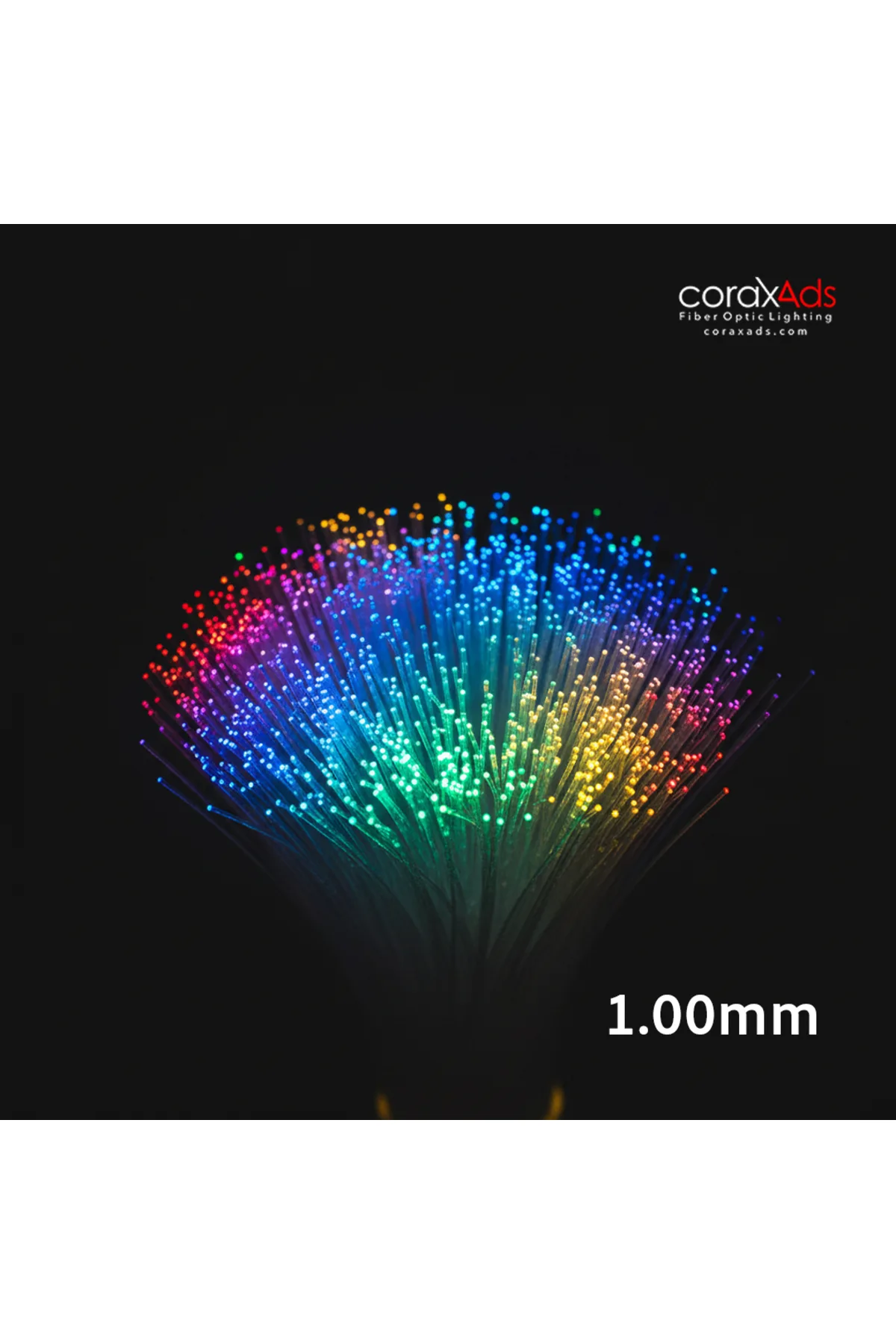
For tight spaces like behind a TV, 0.75mm cable is ideal due to its thinner and more flexible structure. However, a 1.0mm diameter may be preferred for brighter and more homogeneous light distribution over longer distances. The color of the light depends on the LED source color; the fiber itself does not produce color, it only transmits it. A quality PMMA cable minimizes light transmission loss and serves for many years without yellowing. Therefore, cable quality directly affects the longevity of your project.
Decorative and Psychological Effects of TV Backlighting: Why Focus "Behind" It?
When discussing the decorative effects of how to install fiber optic lighting behind a TV, focusing 'behind' is essential. The critical point here is the emphasis on "behind." Positioning the light precisely behind the TV, rather than in front, below, or above it, creates a "halo" effect on the wall, giving an illusion of depth. This creates a visual perception that the TV is slightly floating off the wall and can make the room appear larger than it is.
Effect of "Behind" Lighting on Spatial Perception
Psychologically, this soft backlight provides a transition between the focal point (TV screen) and the background (wall). This prepares a more relaxing environment for the eyes. Additionally, dynamic background lighting that adapts to the color of the content you're watching immerses you in the atmosphere of the movie or game, fostering a deeper psychological connection. For a similar depth and ambiance effect, consider installing fiber optic lighting on a living room ceiling. Thus, installing fiber optic lighting behind the TV offers an experience that goes beyond visual comfort.
TV Backlighting in 2026 Decor Trends
In minimalist and technological home designs, clean lines free from cable clutter are gaining importance. Fiber optic lighting, with its invisible cables and single-point control, perfectly fits this trend. "Smart lighting," now an integral part of decor, can change according to one's mood or activity. For instance, it can shift to a warm yellow for guests or blue tones for movie watching. Moreover, learning how to install fiber optic lighting behind a TV puts you a step ahead in catching this trend.
Step-by-Step: How to Install Fiber Optic Lighting Behind a TV? Installation Procedure
Now, let's get to the most exciting part: Application. The step-by-step answer to how to install fiber optic lighting behind a TV is hidden in the instructions below. By following these steps, you can install your own professional-looking system. Thus, you will find a practical answer to how to install fiber optic lighting behind a TV.
1. Measurement, Planning, and Cable Route Determination
The first task is to measure the perimeter of your TV's back frame with a tape measure. You may want to run the cable around the entire TV perimeter or just along the bottom and side edges. Add at least 50 cm to your total cable length; it's always easier to cut off excess. Decide where to place the light source (projector): on the TV stand, a shelf, or wall-mounted. Ensure the cable is long enough to reach there. However, when planning, you should avoid sharp corners in the cable route.
2. Cutting Fiber Optik Cables and Connecting to the Light Source
You should cut the fiber optic cable to your measured length using a sharp utility knife or a special fiber cutter. Make the cut straight and clean. Then, carefully insert the cut end of the cables into the connection point (jack or special connector) on the projector. If you are using multiple cables, you can power them from a single projector using a splitter. After making the connection, plug in the system for a brief test and ensure light is emitting properly from all cables. Additionally, this testing phase allows you to spot any connection errors early.
3. Mounting Behind the TV and Finishing Touches
If the test is successful, disconnect the power again. Now it's time to place the fiber cable on your TV's back frame. First, determine the cable's route. Then, place small pieces of pre-cut clear double-sided tape or special mini clips on the back of the TV along the path where the cable will run. Gently press the fiber cable onto these tapes or clips to secure it. Avoid sharp bends at corners; try to make wide arcs if possible, as this prevents light loss. Neatly organize the light source and excess cables behind the TV or on the stand. At the same time, be careful not to secure the cables too tightly.
How to Install Fiber Optic Lighting Behind a TV? 5 Key Points to Consider
- Safety First: Do not manually check all electrical connections (projector and adapter) while the system is powered on. Absolutely ensure the power supply's voltage values are compatible with the projector.
- Heat Management: Do not cram the LED projector into a closed, airtight compartment. Leave at least 5-10 cm of space around the device, ensuring ventilation holes are not blocked. This will extend its lifespan.
- Cable Integrity: When bending the fiber cable, adhere to the minimum bend radius rule (generally 10 times the cable diameter). Excessively tight bends can cause fractures and internal damage, impairing light transmission.
- Surface Preparation: Clean the TV's back surface where you will stick the cable with isopropyl alcohol to remove dust and grease. This process significantly increases the adhesive's holding power.
- Power Balance: If you connect too many fiber cables to a single projector, light intensity may weaken on each branch. Check that your projector's power is sufficient for the cable length and quantity you are using.
In our guide on how to install fiber optic lighting behind a TV, we recommend not skipping these points. Indeed, paying attention to these details ensures trouble-free use in the long run.
| Maintenance Period | Point to Check | Action to Take |
|---|---|---|
| Weekly | Light Intensity and Color Consistency | Ensure light is emitting evenly and homogeneously from all cables. Check connections if there are dim spots. |
| Monthly | Projector Ventilation and Dust | Ensure the projector's ventilation holes are not clogged with dust. Gently clean with a soft brush. |
| Every 3 Months | Mounting Points | Check that the double-sided tape or clips on the TV back are still holding firmly. Renew if necessary. |
| Every 6 Months | Physical Condition of Fiber Cables | Visually inspect cables for signs of breakage, scratches, or excessive stretching. |
| Annually | Power Supply and Connection Cables | Ensure there is no wear, melting, or swelling on the adapter and power cables. |
Post-Installation Maintenance and FAQs for TV Backlighting with Fiber Optics
After learning how to install fiber optic lighting behind a TV, you can move on to the maintenance phase. After installing your system, you can apply simple maintenance tips for long-lasting and trouble-free service. Therefore, regular checks are important. Moreover, when answering how to install fiber optic lighting behind a TV, planning the post-installation process also ensures the project's longevity.
Maintenance Tips and Cleaning
To clean fiber optic cables, use only a dry, soft, lint-free cloth. Never apply harsh chemicals or abrasive cleaners. Preventing your projector from accumulating dust directly affects its heating performance. Furthermore, for more complex systems, you can find maintenance suggestions in our article on fiber optic systems synchronized with music. For example, regular dusting prevents a decline in light quality.
Common Problems and Solutions
The most common issue is a decrease or interruption of light at specific points on the cables. This is usually caused by excessive bending of the cable, or a dirty or loose connection. Therefore, the first step for a solution is to check and clean the connection points and adjust the cable's route. For this purpose, keeping spare connectors and a cleaning kit will be useful.
Frequently Asked Questions (FAQ)
Do fiber optic cables damage the TV or wall?
No, absolutely not. Fiber cables do not conduct electricity or heat up. If the adhesive tapes you use are of good quality and the surface is properly prepared, they can be removed without leaving any stains or damage on your TV's back plastic or the wall.
Can I hide the LED projector behind the TV?
It is not recommended. The projector needs to breathe. Cramming it behind the TV can cause overheating and shorten its lifespan. You can ensure its ventilation and keep it out of sight by placing it on the TV stand, a shelf, or mounting it on the wall.
How much energy does a fiber optic system consume?
Extremely low. An average LED projector consumes only 5-15 Watts of power, depending on the brightness level. This is less than half of a traditional LED light source. According to 2026 data, even if you use these systems for 5 hours a day, the monthly electricity cost is almost negligible.
Should I run the cables around the entire perimeter of the TV?
This depends entirely on your aesthetic preference. Running them around the entire perimeter gives a more balanced and professional "halo" effect. However, running them only along the bottom edge or the bottom and side edges can also be effective. Skipping the top edge also reduces the chance of light shining directly into the eyes.
Can this system be used in different decorative projects?
Absolutely yes! Fiber optic lighting is extremely versatile. Using the same principle and similar materials, you can realize many creative projects such as using fiber optics for pool lighting, cabinet interior lighting, stair lighting, and more. To explore our collection on how to install fiber optic lighting behind a TV? and catch the best offers, visit https://CoraxAds.com now.
Conclusion and Evaluation: Proceed Step-by-Step for a Professional Touch
As you can see, the answer to "How to install fiber optic lighting behind a TV?" is a quite achievable DIY project when followed meticulously. With the right material selection, careful measurement and planning, a patient installation process, and fine-tuning, you can add cinema-quality atmosphere and a modern decorative element to your home. The greatest advantage of this system is that it provides soft, eye-friendly, and highly aesthetic lighting by moving the light source away from the viewing area. Compared to alternatives like LED strips, it delivers professional results with spotless and flicker-free light distribution.
Remember, the key to success is not to rush and to complete each step, especially the placement and securing of the fiber optic cables, with care. Your first attempt may not be perfect, but the experience you gain will be invaluable.
You now have all the materials, step-by-step guide, and professional tips you need. It's time to put this knowledge into action. Create your own personal cinema experience and add new depth, warmth, and character to your room. If you need support to start the project or choose the right products, you can review our TV backlighting products or contact us.
We have reached the end of this comprehensive guide where you learned step-by-step how to install fiber optic lighting behind a TV. As you can see, this project requires detailed planning beforehand, correct material selection, and careful work during installation. However, by following all these steps, you can have a professional-looking, eye-friendly lighting system that adds perfect atmosphere to your room. Compared to LED strips, fiber optic technology provides a more homogeneous, spotless, and high-quality light, making your investment worthwhile.
Remember, your first attempt may not be flawless, but every project will be a valuable experience for the next one. Installing fiber optic lighting behind the TV is one of the most impressive ways to add a personal touch to your home and merge technology with decoration.
Time to Take Action!
You now have the theoretical knowledge. It's time to put this knowledge into practice and bring your unique lighting project to life. For more technical support, to see the most suitable products for your project, or to exchange ideas, you can contact our expert team. If you're ready to start, explore our fiber optic lighting product catalog to discover everything you need and bring the cinema experience home!