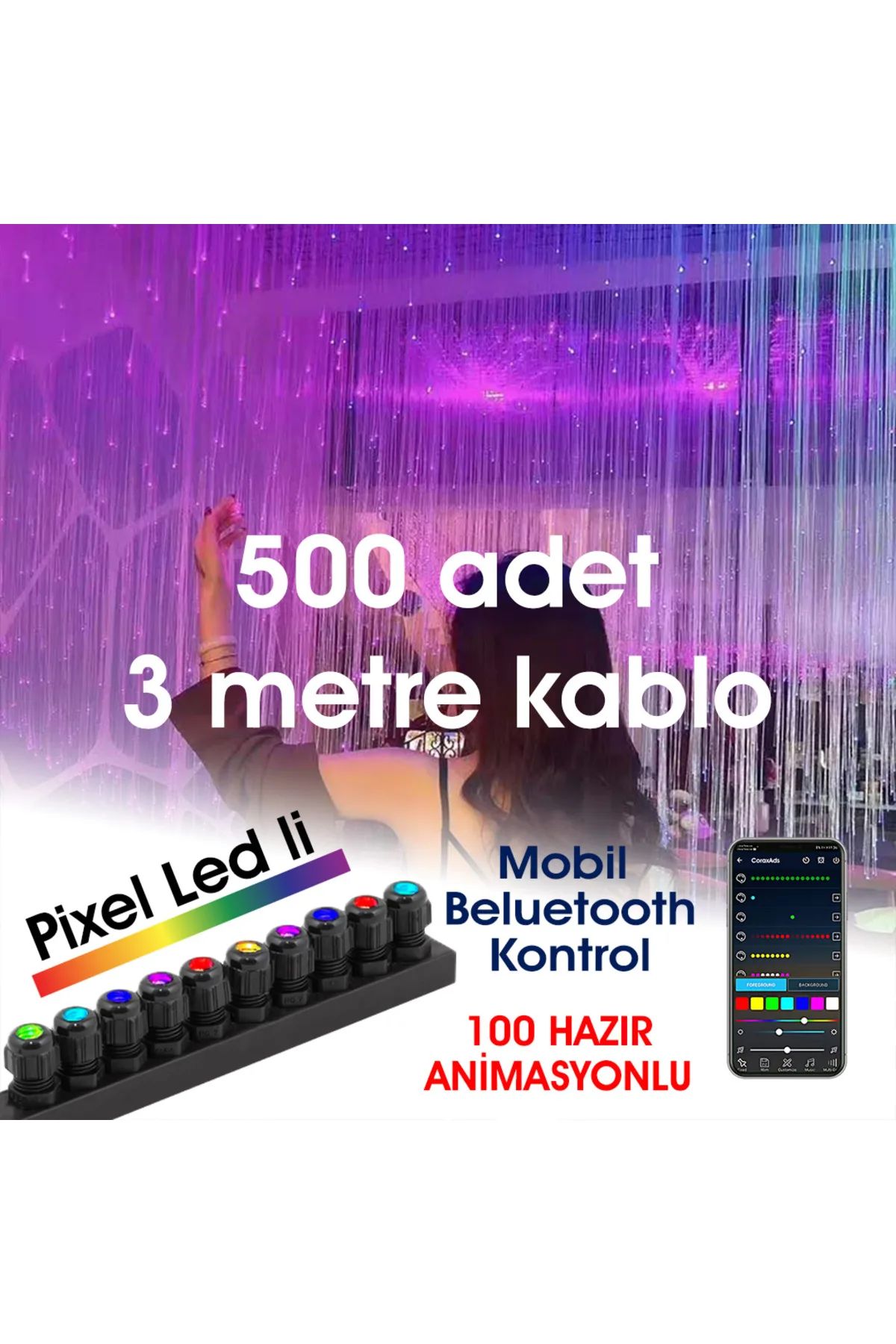
By 2026, it is estimated that 40% of the smart home automation market will consist of lighting control systems. Within these systems, fiber optik lighting holds a special place. One of the most common questions from project owners is: Is there an RF remote-controlled fiber optik light source? — particularly one that combines comfort and aesthetics. The answer is yes, and in this guide, we will explore in detail how this technology works, where it is used, and its advantages in 2026. Understanding the answer to this question is crucial for appreciating the comfort and control freedom it can bring to your decorative lighting projects.
Table of Contents
- Is There an RF Remote-Controlled Fiber Optik Light Source? The Basics
- Where and How Is This System Used?
- RF Remote-Controlled System Installation and Maintenance
- What Are the Advantages of RF-Controlled Fiber Optik Systems in 2026?
- RF Remote-Controlled Fiber Optik Light Source Buying Guide
- Frequently Asked Questions (FAQ)
- Conclusion: The Contribution of Remote Control to Decoration
Is There an RF Remote-Controlled Fiber Optik Light Source? The Basics
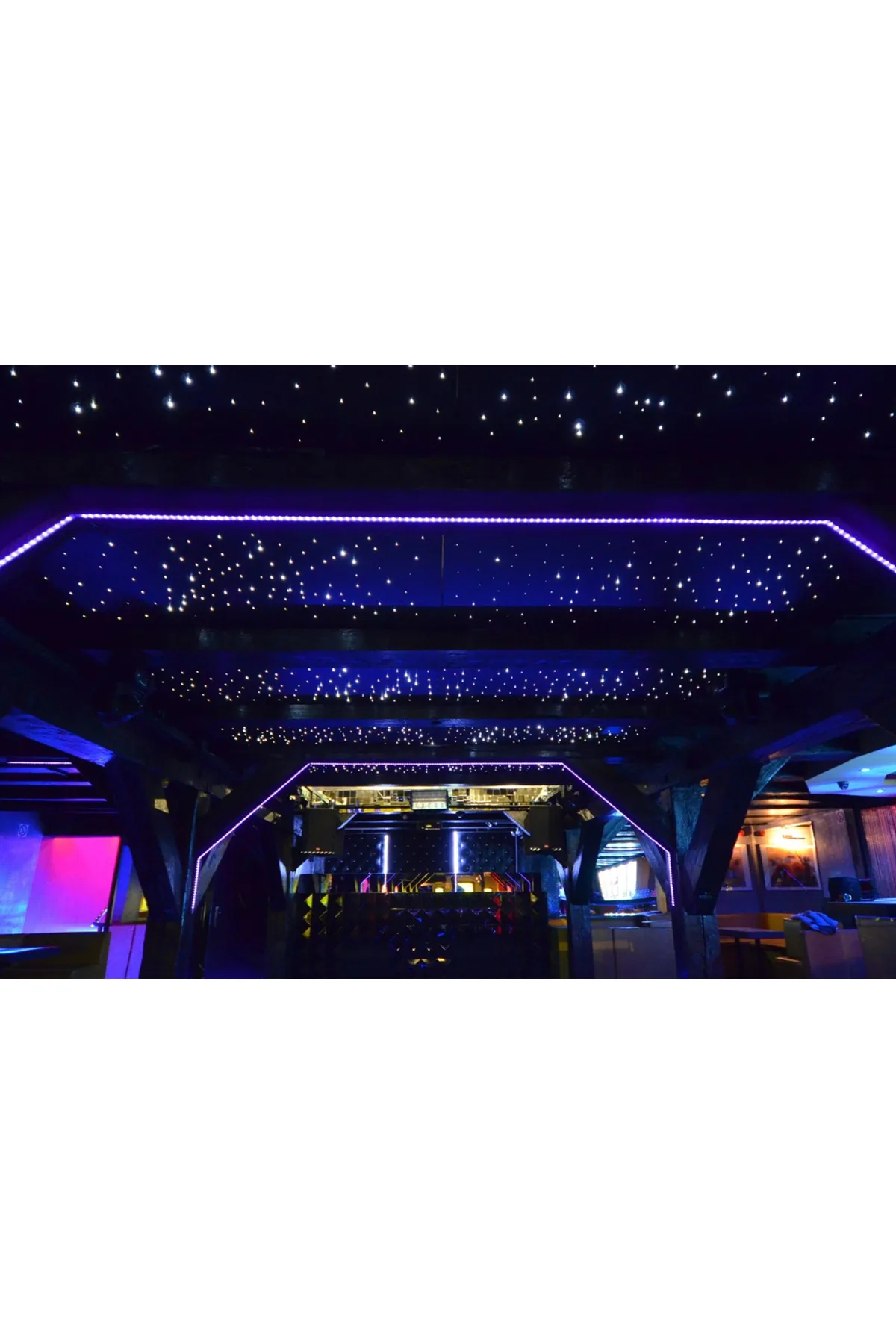
Yes, RF remote-controlled fiber optik light sources are systems widely used in both residential and commercial projects by 2026. This system provides decorative lighting by carrying light from a central LED source through fiber optik cables, and it is controlled wirelessly via Radio Frequency (RF) technology. Let's take a closer look at the details of this system. This way, you will clearly see the practical answer to the question, "Is there an RF remote-controlled fiber optik light source?"
How Does RF Technology Control Light?
RF, or Radio Frequency, transmits data using electromagnetic waves within a specific frequency range. In RF remote-controlled fiber optik light source systems, the remote control device emits these radio waves. The receiver module on the light source detects this signal and executes commands such as turning the light on/off, adjusting brightness, or changing colors. Importantly, this system does not require a direct line of sight. It works seamlessly even behind obstacles like walls, cabinets, or ceilings, offering great flexibility to the user.
For more technical information on how RF technology works, you can review the Radio Frequency Wikipedia page.
How Is It Different from an IR Remote?
However, many users wonder about the difference between RF and IR (infrared) remotes. IR remotes must be pointed directly at the light source because the signal is transmitted via line of sight. In contrast, RF remotes can operate from anywhere in the room, even from different rooms. Furthermore, RF signals have a longer range, typically effective up to 20-30 meters indoors. The table below summarizes the key differences between the two technologies:
| Feature | RF Remote | IR Remote |
|---|---|---|
| Signal Type | Radio Frequency (RF) | Infrared (IR) |
| Line of Sight Required | No | Yes |
| Typical Range (Indoor) | 20-30 meters | 8-10 meters |
| Can Penetrate Obstacles | Yes | No |
| Multi-Device Control | Yes (different channels) | Limited |
| Battery Life | Longer | Shorter |
In fact, due to these differences, RF remote-controlled fiber optik light source systems are more practical, especially for large areas or spaces with obstacles. Fortunately, many ready-to-use kits today come with an RF remote. For example, packages like the 'Ready-to-Install QUICK Set' provide everything you need in one box, simplifying installation.
Where and How Is This System Used?
RF-controlled fiber optik lighting can be used in almost any type of space. The wireless control capability makes these systems indispensable, especially in areas that are difficult to reconfigure or where decorative emphasis is desired. For instance, approximately 33% of residential projects completed in 2025 now prefer wirelessly controlled lighting systems. Let's look at the main application areas for these systems.
Applications in Residential Projects
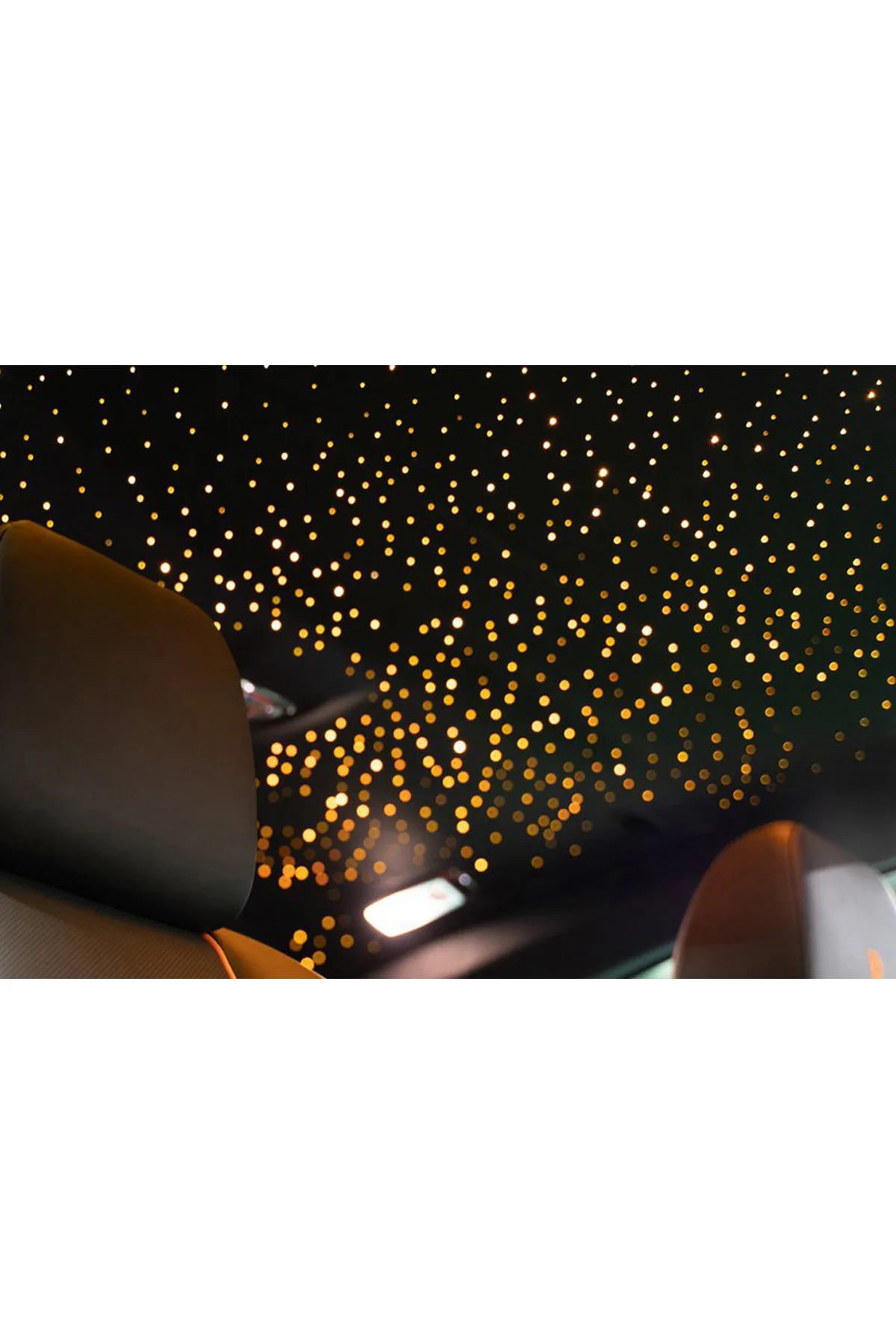
In homes, starry ceilings in children's rooms are one of the most popular applications. Thanks to the RF remote, you can turn the lights on/off or adjust brightness without getting out of bed. Additionally, they can be used to create a romantic atmosphere in adult bedrooms or as decorative background lighting in living rooms. Water-resistant fiber optik cables can also provide safe lighting around bathrooms and jacuzzis. For such projects, special packages like the 'VIP Star Ceiling Minibus Set' are available. While this set is optimized for small areas like minibus ceilings, it is also ideal for children's rooms.
Applications in Commercial and Public Spaces
In commercial spaces, RF-controlled fiber optik lighting is often chosen to enhance the customer experience. Creating star effects above tables or on walls in restaurants offers customers an unforgettable atmosphere. In stores, it can be used for window display or shelf lighting. Even entertainment centers, hotels, spas, and poolside areas are ideal for these systems. For example, the 'Pool Lighting Kit' provides both safe and impressive lighting with its special waterproof components. Furthermore, RF-controlled systems are a practical solution for the interior decoration of special vehicles (minibuses, caravans, boats) because wireless control eliminates the need for extra switches or keys inside the vehicle.
RF Remote-Controlled System Installation and Maintenance
To be honest, the installation of RF-controlled fiber optik systems is quite simple, thanks to ready-to-use kits. However, the scale of the project and the structure of the space can affect the installation process. Therefore, knowing the basic installation steps will generally make your job easier.
What Are the Basic Installation Steps?
Let's break down the installation step by step:
- Planning: Decide where the light source will be placed, the route the fiber cables will follow, and the locations of the star points.
- Securing the Light Source: Mount the RF receiver-equipped light source (projector) in a suitable location, preferably near a power outlet and where signal reception will be good.
- Placing the Fiber Cables: Run the fiber optik cables from the light source to the star points. You can use ceiling voids, conduits, or cable channels to hide the cables.
- Preparing the Fiber Ends: Cut the end of the fiber cables with a sharp knife and attach them to the light source's output. Place the other ends at the decorative points.
- Remote Pairing: Connect the light source to power. Pair the RF remote according to the manufacturer's instructions. This is usually as simple as pressing a button.
- Testing: Test all functions of the remote (on/off, brightness, color change).
Therefore, these steps provide a general overview. All-in-one packages like the 'Ready-to-Install MEGA Set' make installation even easier because everything comes together and is compatible.
Points to Consider in Wireless Integration
In wireless systems, signal strength and interference are important factors. RF signals can be weakened by thick concrete walls or metal surfaces. Therefore, the receiver on the light source must be positioned where it can receive the signal from the remote. Additionally, other devices using the same frequency (e.g., some wireless headphones) can cause interference. In this regard, it is useful to test the remote's range and signal quality when setting up your system. On the other hand, another tip is to monitor the remote's battery life. RF remotes typically have low power consumption, but regularly checking the batteries prevents sudden interruptions.
RF System Maintenance Tips
However, following simple maintenance steps is important for long-lasting and trouble-free use. First, ensure the ends of the fiber optik cables do not get dusty; wiping them once a year with a soft, dry cloth maintains light output quality. Second, make sure the light source is placed where air circulation is not blocked, as overheating can shorten the LED's lifespan. Finally, regularly check the batteries in the RF remote and remove them if the remote will not be used for an extended period. These simple precautions will ensure your system works like new for years to come.
"In 2026, user experience is at the forefront of wireless lighting control systems. RF technology creates an invisible wireless network, providing full control without disrupting the aesthetic integrity of spaces. Especially in decorative applications like fiber optik lighting, this control freedom increases the value of projects." - Lighting Designer, Can Demir
What Are the Advantages of RF-Controlled Fiber Optik Systems in 2026?
These systems offer many advantages compared to traditional methods. In particular, they have features that exceed the expectations of those researching, "Is there an RF remote-controlled fiber optik light source?"
Ease of Use and Accessibility
The most obvious advantage of RF-controlled systems is ease of use. Moreover, with a single remote, you can turn the light on/off, adjust its brightness, and select color transitions or animation effects. This control offers great accessibility for the elderly or individuals with mobility limitations. It also serves as a safe night light in children's rooms and allows children to control their own room lighting.
Energy Efficiency and Long Lifespan
RF-controlled LED fiber optik sources are extremely energy efficient. LED technology provides up to 80% energy savings compared to traditional lighting. Furthermore, fiber optik cables provide cold lighting as they do not emit heat, which reduces the load on air conditioning systems. The average lifespan of an LED light source can exceed 30,000 hours, meaning decades of trouble-free use. As a result, they offer savings on electricity bills and low long-term maintenance costs.
RF Remote-Controlled Fiber Optik Light Source Buying Guide

Choosing the right product directly affects your project's success and your satisfaction. Therefore, after the question "Is there an RF remote-controlled fiber optik light source?" comes "Which one should I buy?" — here is a list of what to consider.
Technical Specification Checklist
- Power (Watt): Choose a source with sufficient power (e.g., 10W, 20W) for the size of the area you want to illuminate.
- LED Count and Type: Prefer models with high-quality, sufficient numbers of LEDs for more vibrant and homogeneous light.
- RF Range: Look for a range value suitable for your project's physical conditions (at least 20-30 meters indoors).
- Control Features: Ensure the remote can not only turn on/off but also adjust brightness (dimmable) and change RGB/RGBW colors.
- Channel Count: If you want to control multiple light sources separately, opt for multi-channel models (e.g., 4 channels).
Model Selection Based on Project Needs
While a simple set is sufficient for a small child's room, more powerful and waterproof (IP-rated) systems are needed for a restaurant ceiling or poolside area. For example, the Ready-to-Install QUICK Set is ideal for small and medium-sized rooms. For larger areas and more impressive effects, you can consider more comprehensive packages like the Ready-to-Install MEGA Set.
Product Comparison and Trend Analysis
2026 trends show that RF-controlled systems are evolving towards models that can be integrated into smart home ecosystems (Amazon Alexa, Google Assistant) via voice commands. However, basic RF remotes still stand out as the most stable and easiest-to-install option. The comparison table below will give you an idea of which type of RF remote-controlled fiber optik light source model might be more suitable for different needs.
| Model Type | Ideal Use Area | Key Advantage | Points to Consider |
|---|---|---|---|
| Basic RF Remote Set (QUICK) | Children's Room, Bedroom, Small Living Room | Easy installation, affordable price | More limited range and effect variety |
| Advanced RF Remote Set (MEGA) | Large Living Rooms, Restaurant Corners, Store Windows | High light output, multiple effects, wide area illumination | Price-performance balance, installation can be slightly more complex |
| Waterproof (IP68) RF Set | Bathroom, Jacuzzi, Poolside, Outdoor | Full protection against moisture and water splashes | Higher cost compared to standard models |
| Multi-Channel RF Control Unit | Large Spaces, Separate Control of Different Zones | Ability to manage multiple sources separately from one remote | Requires installation and channel programming |
In short, by carefully analyzing your needs and budget, you can choose the most suitable RF remote-controlled fiber optik light source model based on the above criteria.
Frequently Asked Questions (FAQ)
What is an RF remote-controlled fiber optik light source and how does it work?
This system consists of an RF remote-controlled fiber optik light source and the fiber optik cables connected to it. The source produces light from a powerful LED and transmits this light through the fiber cables. The RF (Radio Frequency) remote allows you to wirelessly send signals to the source to perform controls such as on/off, brightness adjustment, color change, and effect selection. When the remote's buttons are pressed, the transmitted radio signals are detected by the receiver on the source, and the relevant command is executed.
What is the RF remote range, and is the signal affected by obstacles?
In standard RF remote-controlled fiber optik light source systems, the range is typically around 20-30 meters in open areas. However, this range can vary depending on obstacles in the environment. Thick concrete walls, metal doors, or dense furniture can weaken the signal. RF signals penetrate obstacles better compared to infrared (IR) remotes, but it is recommended to position the source's receiver in as open a location as possible.
Can I control multiple light sources with one remote?
Yes, many professional RF remote-controlled fiber optik light source models have multi-device control capability. By pairing the remote and receivers on the same frequency, a single remote can manage multiple light sources in different rooms or zones, either individually or in groups. This is ideal for centralized control, especially in large space projects.
Are RF systems advantageous compared to Wi-Fi or Bluetooth-controlled systems?
Each technology has its own advantages. RF remote-controlled fiber optik light source systems are not dependent on Wi-Fi, so they are not affected by internet outages and are simpler to install. Compared to Bluetooth, they offer a much longer range and higher obstacle penetration capability. RF is an excellent choice for users seeking stable, reliable, and uncomplicated wireless control.
Can I upgrade my existing fiber optik lighting system to be RF-controlled?
It depends on the connection and control compatibility of your existing light source. If your system has a structure where you can gain control by simply replacing the light source, then yes, you can upgrade. However, the most guaranteed and trouble-free way is to purchase a complete set consisting of an RF remote-controlled fiber optik light source and compatible accessories. If you wish to consult about your existing system, you can contact our expert team.
Conclusion: The Contribution of Remote Control to Decoration
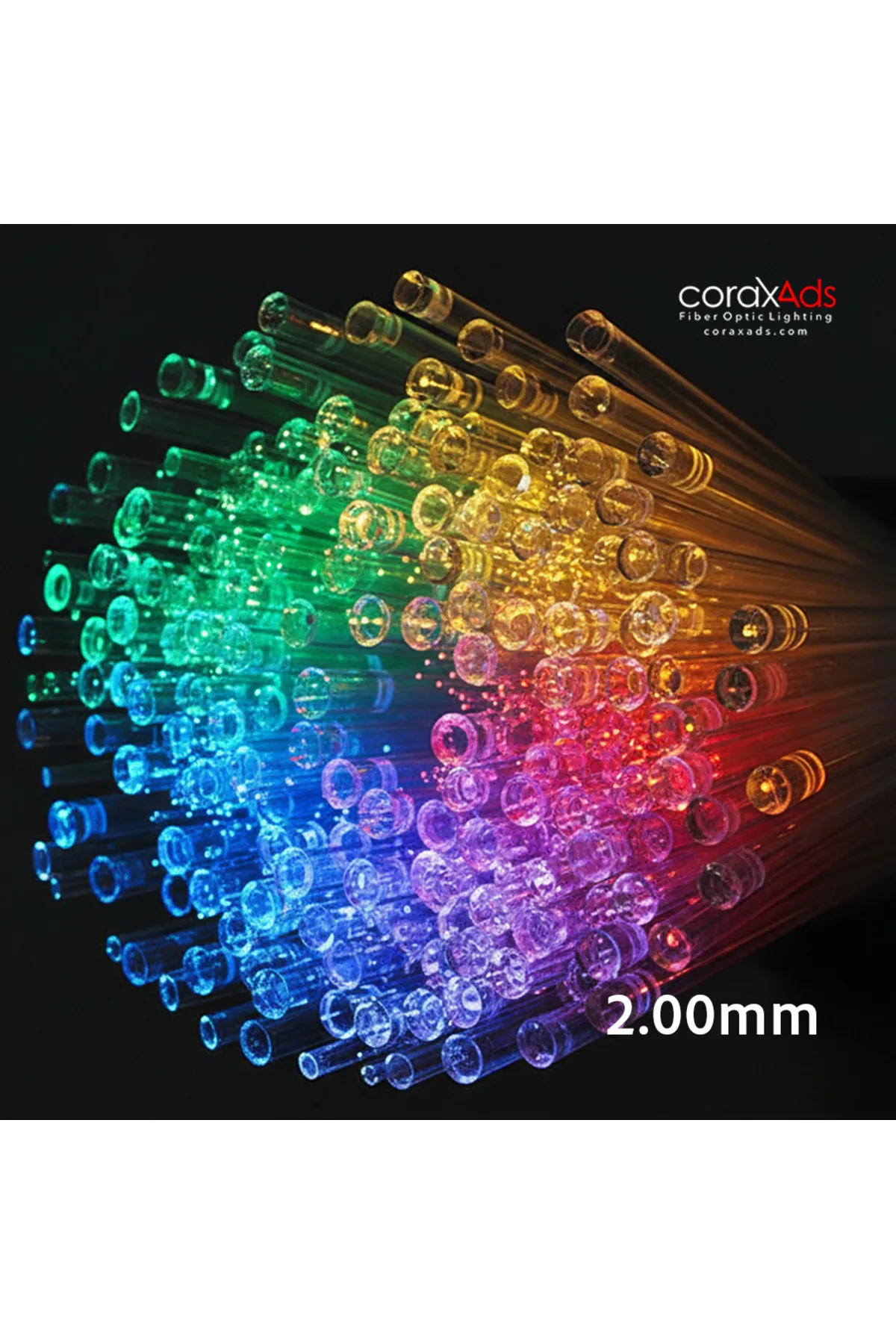
As we have seen, the answer to "Is there an RF remote-controlled fiber optik light source?" is definitely yes. This technology adds comfort, flexibility, and modern control capability to decorative lighting projects. With its wireless nature providing easy installation, wide range, and obstacle penetration ability, RF control is preferred in applications like starry ceilings, bar counter lighting, museum displays, or landscape lighting. In conclusion, with the right product selection and professional installation, it offers trouble-free use for many years.
To explore our RF remote-controlled fiber optik light source solutions, see different model and set options, and choose the most suitable product for your project, visit our store now. In the "Ready-to-Install Sets" category on our site, you can find easy-to-use packages that include all the parts you need in one place. Start enjoying wireless freedom in the world of decorative lighting!