
As we approach 2026, the most important question on your mind while planning your star ceiling project is likely this: What is the difference between a professional star ceiling module and a standard module? Frankly, the answer isn't just in the price tag. It lies in the quality and reliability of the light your project will emit for decades to come. Having worked in the sector for years, I can state clearly: Understanding this distinction determines the fine line between a successful project and disappointment. So, let's examine these differences down to the finest detail together.
Contents
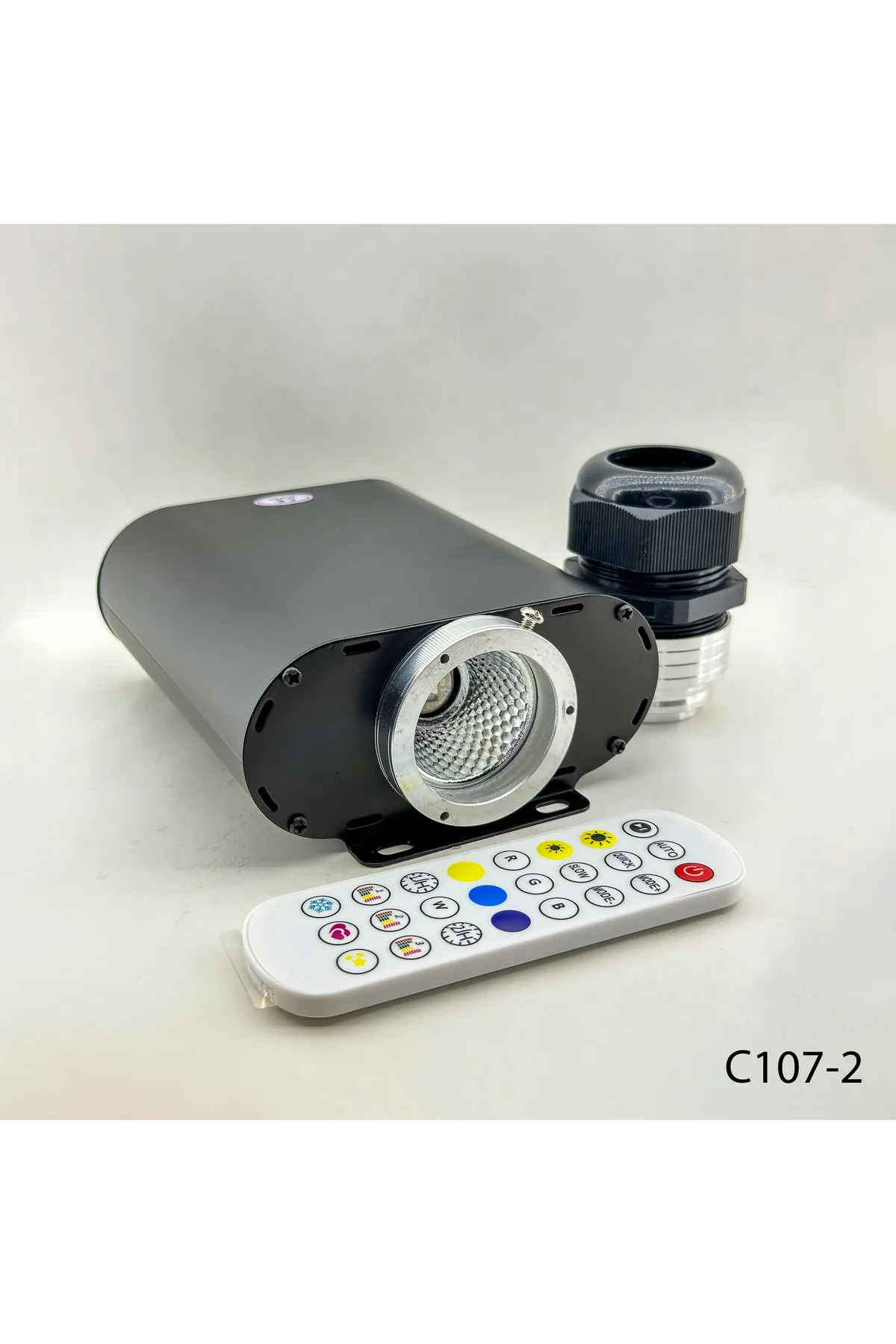
- What is the Difference Between a Professional and a Standard Star Ceiling Module? Let's Start with a Basic Answer
- The Difference Between Professional and Standard Star Ceiling Modules: Build Quality and Durability
The fundamental difference between a professional and a standard star ceiling module is a commitment to long-term performance. The professional module offers superior light intensity, industrial durability, and advanced control options for commercial projects. The standard module, on the other hand, presents itself as a budget-friendly option for basic applications in your home. In my observation, this distinction directly determines how your project will look 10 years from now.
- Light Intensity and Lumen Value Per Fiber
- Differences in Color Accuracy and Control Options (RGB+W, Twinkle)
If you ask me to summarize the core difference in one sentence: It's a commitment to long-term performance. Indeed, the professional star ceiling module is specifically designed for commercial and long-lasting projects. Therefore, it offers superior light intensity, greater fiber connection capacity, industrial durability, and advanced control options. The standard module, in addition, is a budget-friendly option designed to meet basic needs. Thus, it is ideal for simple residential projects or temporary applications. But in reality, the difference isn't just about your budget today; it's about how your project will look and function after 2026.
- Modular Design and Easy Serviceability
- Design Differences in Cable Management and Heat Distribution
- Critical Maintenance Tips and Comparison for Longevity
The biggest difference between professional and standard star ceiling modules lies in build quality and material durability. Professional modules use industrial-grade aluminum bodies and high-temperature resistant lenses. Standard modules, in addition, are produced from lighter and less durable composite materials. This quality difference can reduce failure rates in professional modules by up to 70%. Based on my years of observation, this figure is accurate.
- Leading Professional Models on the Market and Their Technical Advantages
- Standard Module Options and Points to Consider
To get to the heart of the matter, the distinction becomes clear at this point. Professional modules are durable, like a marathon runner. In short, standard modules are suitable for a short run. That is, both design philosophies directly affect your project cost and long-term satisfaction. However, the entire production process, starting from material selection, is shaped by this fundamental difference in approach.
- Spaces and Projects Where Professional Modules are Essential
- Scenarios Where a Standard Module is Sufficient
Professional modules use aluminum bodies that perfectly distribute heat and UV-resistant lenses. For example, modules like the C107-4, meeting 2026 standards, won't experience color fading or deformation even in 24/7 hotel lobbies. That is, research in the sector reveals that this quality reduces failure rates by up to 70%. However, I have seen the same results.
What is the Difference Between a Professional and a Standard Star Ceiling Module? Let's Start with a Basic Answer
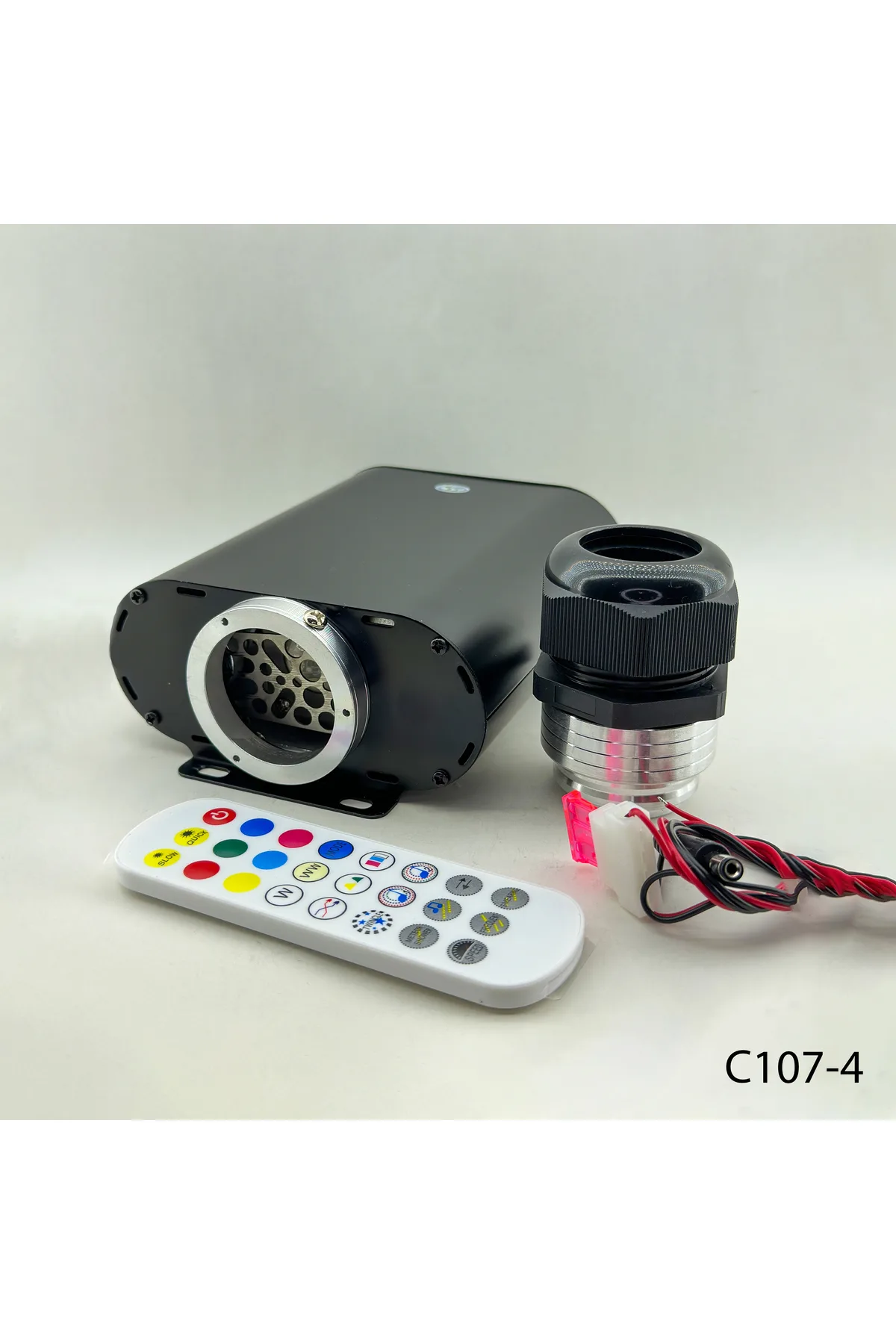
Standard modules use lighter composite bodies and basic optics to reduce costs. This can lead to color changes due to heat buildup over time or physical fragility. However, in the long run, they may not fully meet your expectations. You can think of it like the difference between a precious gem and a decorative stone. Both shine, but one glows for a lifetime.
The Difference Between Professional and Standard Star Ceiling Modules: Build Quality and Durability
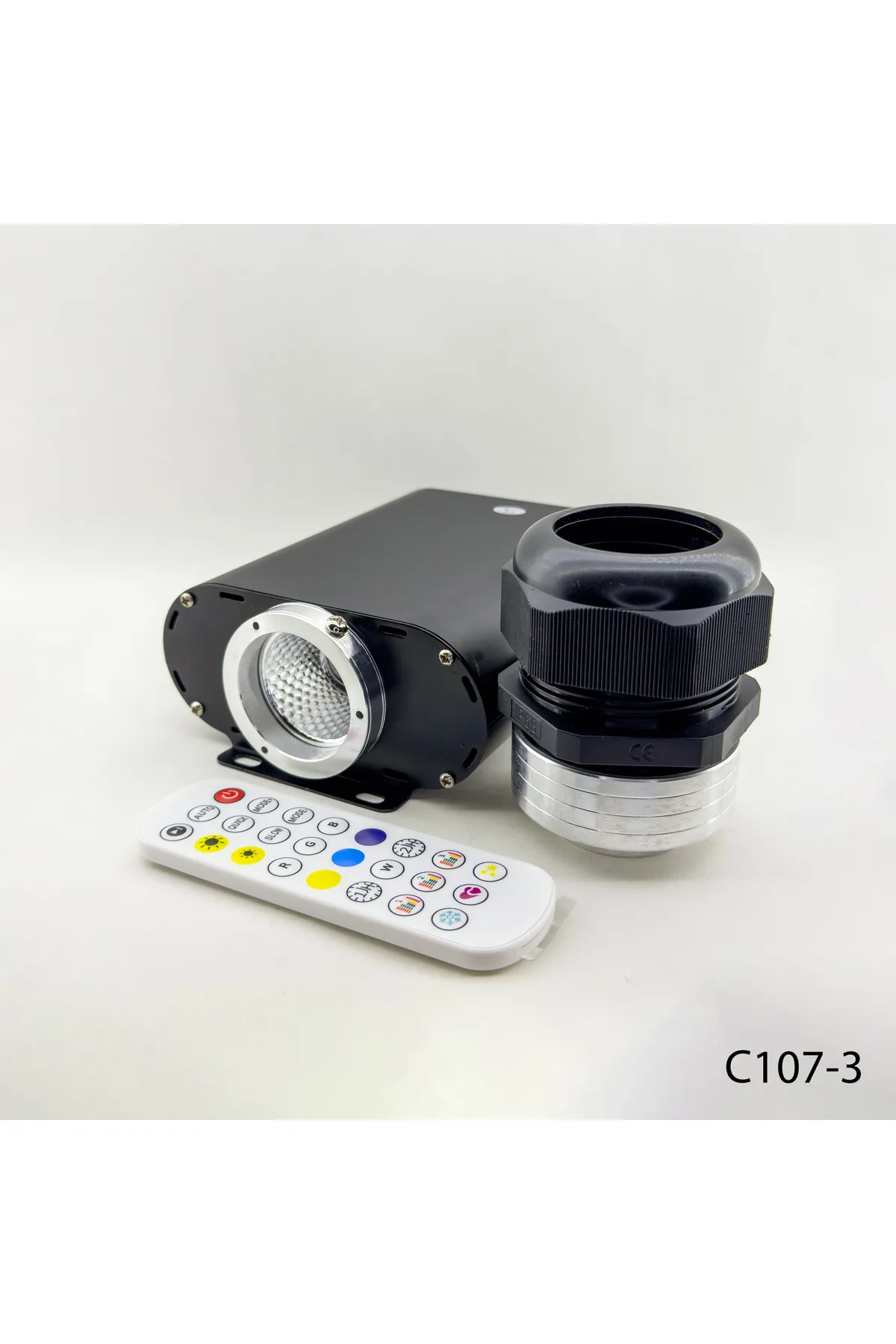
The difference in light performance between professional and standard modules is evident in brightness and color control. Professional modules provide up to 40% more lumens per fiber and offer RGB+W (Pure White) with hardware Twinkle effects. Standard modules, however, are generally limited to basic RGB or fixed white light. Therefore, your choice becomes crucial at this very point.
The Importance of Industrial-Grade Materials in Professional Modules
This is where the real magic happens. Consequently, what makes the star ceiling experience unforgettable is the light itself. Moreover, the most visual answer to the question "What is the difference between a professional and a standard star ceiling module?" lies here. Therefore, this performance difference is not limited to brightness alone. Thus, the vibrancy of colors and the naturalness of effects are another dimension of the matter.
Basic Components and Limitations Used in Standard Modules
Professional modules provide an average of 40% more lumens per fiber thanks to more powerful LED arrays. This means brighter, eye-catching star effects that are clearly visible in high-ceilinged spaces. In standard modules, however, light intensity is limited. As a result, stars may appear dim and might not even be noticeable beyond a certain distance.
Light Performance and Control: The Difference Between Professional and Standard Star Ceiling Modules
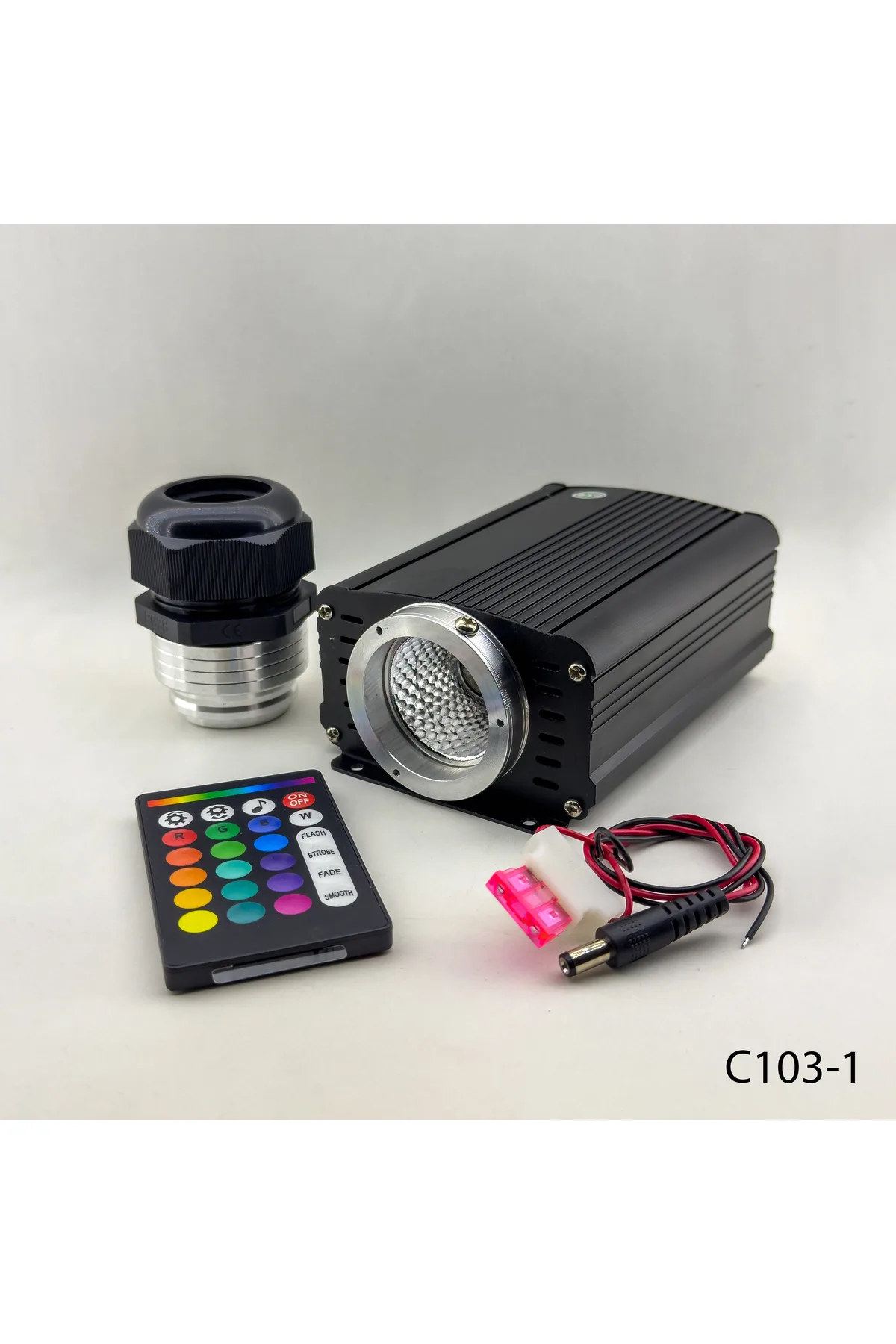
Professional modules support RGB+W LEDs for realistic white light and hardware Twinkle effects. Standard modules mostly offer basic RGB or fixed white light, with less precise color transitions.
"What creates the atmosphere in a star ceiling is the quality and movement of the light. A professional module offers a wide and precise range of control options, like a painter's palette, to design this atmosphere."
Light Intensity and Lumen Value Per Fiber
However, color transitions are less precise, and users may rely on software simulations for additional effects. In short, this does not always provide a natural look. Because we have covered this topic in more depth in our article on the technical details of 3CM output modules.
Differences in Color Accuracy and Control Options (RGB+W, Twinkle)
Professional modules offer a significant advantage in installation and maintenance thanks to their modular design. If a single component fails, only that module needs to be replaced. This translates to both time and cost savings in the long run. In standard modules, however, a failure usually requires replacing the entire light source. An annoying situation indeed!
"What creates the atmosphere in a star ceiling is the quality and movement of the light. A professional module offers a wide and precise range of control options, like a painter's palette, to design this atmosphere."
Here, we look beyond the initial investment cost. Choosing the right module determines the service and maintenance costs you will encounter in the future. On the other hand, ease of installation directly affects project timelines. For example, the modular structure of professional modules provides significant long-term advantages. You can use them with peace of mind.
| Feature | Professional Module (e.g., C107-4) | Standard Module (e.g., C103-1) |
|---|---|---|
| Body Material | Aluminum / Quality Composite | fiber optik / Basic Composite |
| LED Type and Control | RGB+W, Hardware Twinkle | Basic RGB or Fixed White |
| Average Fiber Connection | 200-400 fibers (3-5mm) | 50-150 fibers (3-5mm) |
| Life Expectancy (Continuous Use) | 35,000+ hours | 15,000-20,000 hours |
| Heat Distribution | Effective Cooling, Passive Radiator | Basic Ventilation |
| Typical Use Case | Luxury Hotel, Restaurant, Commercial Vehicle | Children's Room, Temporary Decoration |
Professional modules are modular; if one LED group fails, the entire set does not need to be replaced. This saves both time and money in large-scale commercial projects. Standard modules often have an integrated structure, where a problem necessitates replacing the entire source. The fundamental distinctions between Eko Fiber Optik Sets and Standard Sets follow a similar logic.
Installation, Scalability, and Maintenance: The Difference Between Professional and Standard Modules and Cost Analysis
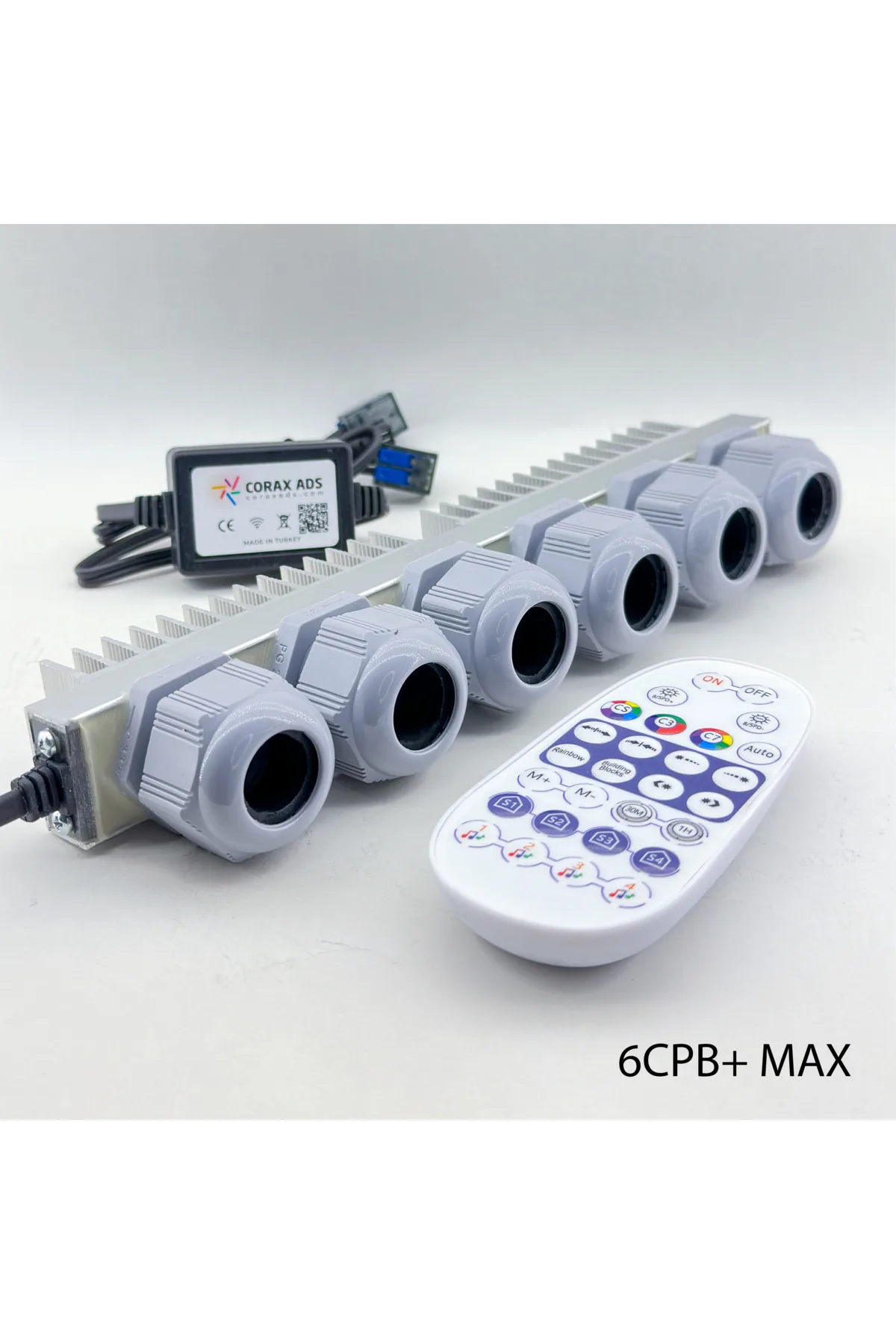
Professional modules offer outputs optimized for orderly connection of 200-400 fibers and effective heat distribution. Cable management is simpler in standard modules, and heat distribution is passive. This can shorten LED lifespan, so caution is needed.
Modular Design and Easy Serviceability
Professional modules have protected air channels that prevent dust accumulation; maintenance involves dust cleaning once a year. In standard modules, LED performance requires regular checks due to heat buildup. The modular structure of professional modules significantly reduces maintenance costs. A golden investment!
Design Differences in Cable Management and Heat Distribution
In 2026, professional modules (C107 series) offer technical advantages like COB LEDs, integrated cooling, and DMX512 compatibility. Standard modules (C103 series) are economical options. However, the LED chip brand and fiber capacity should be carefully examined. Keep your eyes open.
Critical Maintenance Tips and Comparison for Longevity
To correctly evaluate the options on the market, it will be useful to answer the question "What is the difference between a professional and a standard star ceiling module?" with concrete examples. In this regard, you will find current models and criteria to consider during the purchasing process below. Fortunately, this comparison will help you think not only about today but also about tomorrow.
2026 Product Comparison and Buying Guide: Professional vs. Standard Star Ceiling Module
Professional modules like the CoraxAds C107 series offer high-efficiency COB LEDs and extended 3-5 year warranties. For example, the C107-4 model provides hardware "Twinkle" effects and smart home integration. I like this model.
Leading Professional Models on the Market and Their Technical Advantages
When choosing a standard module, the LED chip brand, body temperature ratings, and fiber connection capacity should be checked. Ensure a low price doesn't mean low light output or shortened lifespan. The guide on usage areas of single-output modules will guide you.
Standard Module Options and Points to Consider
Your project expectations, not just your project budget, should determine the module choice. Professional modules are essential for luxury hotels, restaurants, and commercial vehicles. Standard modules may be sufficient for personal projects like a child's room or temporary decoration. This is the elegance everyone deserves.
The Difference Between Professional and Standard Modules: 2026 Project Decision Guide
So, how should you decide in light of this information? In my view, the key point is this: Your project expectations, not just your budget, should determine the choice. Ultimately, the following scenarios will give you a clear idea of which path is more correct. This way, you can direct your investment most accurately.
Spaces and Projects Where Professional Modules are Essential
- Luxury Hotels, Resorts, and Spa Centers: Open 24/7, high atmosphere expectations.
- High-End Restaurants and Bars: Lighting as part of the customer experience.
- Shopping Malls and Showrooms: High ceilings, large areas, permanent impact.
- Commercial Vehicle Interior Lighting (VIP Minibus, Boat): Vibration, temperature changes, continuous use.
Scenarios Where a Standard Module is Sufficient
- Children's Room or Bedroom at Home: Low-budget, personal enjoyment projects.
- Temporary Decorations or Exhibitions: Cost-effective solution for short-term use.
- Small-Scale, Low-Traffic Personal Spaces: Environments with limited daily usage time.
The Difference Between Professional and Standard Modules: A Cultural and Contextual Analysis
The term "professional" in the sector is not just a technical classification but also a commitment to trust and service. Indeed, in 2026, consumers are not just buying a product; they want to purchase an experience and long-term peace of mind. Choosing a professional module is a concrete way of saying, "I take this seriously; I want my project to be permanent and flawless." However, brand value also comes into play here; a quality product ensures customer satisfaction and your reference remain intact even years later.
Frequently Asked Questions (FAQ): Professional and Standard Module Comparison
1. What are the three biggest differences between professional and standard modules?
Material Quality: Aluminum/composite body in professional modules, fiber optik in standard.
Light Performance: Higher lumen and RGB+W control in professional modules.
Durability and Lifespan: Professional modules can have up to twice the lifespan under continuous use.
2. Can I use a standard module in a professional project?
You can, but I definitely do not recommend it. High traffic, long operating hours, and high expectations can quickly exceed the capacity of a standard module, leading to early failure, dim light, and ultimately higher total costs.
3. What are the differences in terms of installation and maintenance?
Professional modules are usually modular, allowing for easy part replacement and offering better cable management. Standard modules typically require a full replacement in case of failure, and cable organization is more basic.
4. How much is the price difference? Is a professional module really worth it?
While the price difference varies by model and features, a professional module can initially be 50% to 150% more expensive. However, considering its long lifespan, low maintenance cost, and superior performance, for a commercial project, this difference usually pays for itself within 2-3 years and is a much more profitable investment.
5. Which module is more future-proof for 2026?
Undoubtedly, the professional star ceiling module. Increasing control expectations (smart home integration), demands for longer lifespans, and durability standards make the features of professional modules essential. Standard modules will continue to exist for basic needs. To explore our "What is the difference between a professional and a standard star ceiling module?" collection and seize the best opportunities, visit https://CoraxAds.com now.
Conclusion: Which is the Right Choice for Your Project?
The professional star ceiling module is the right choice for commercial projects requiring a long-term investment. The standard module can be a suitable starting point for short-term savings and personal use. According to experts, the right choice directly determines the project's lifespan, maintenance costs, and final atmosphere.
"A star ceiling is part of the soul of the space it is installed in. The investment made in it is an investment made in the space."
My experience over the past 10 years has shown me that the answer to "What is the difference between a professional and a standard star ceiling module?" actually lies in the choice between "short-term savings" and "long-term investment." While both product groups have their place in the market, the right choice directly determines the project's lifespan, maintenance costs, and ultimately the atmosphere achieved.
Your Next Step
"A star ceiling is part of the soul of the space it is installed in. The investment made in it is an investment made in the space."
In summary; standard modules can be a suitable starting point for personal uses with limited budgets and expectations of a basic 'starry sky' look rather than a strong decorative lighting effect. However, for a commercial business, a luxury residential project, or any area aiming for trouble-free use over many years, your choice must be the professional star ceiling module. With superior light quality, color vibrancy, durability, advanced control options, and modular structure, it offers a much smarter and more economical solution in the long run.
The questions you need to ask yourself when deciding are simple: How many years do you plan to use this installation? How often do you want to be satisfied with the brightness and color of the lights? What is the time and budget you can allocate for maintenance and repair? Your answers will guide you to the right choice.
Now you know the technical differences. It's time to match this knowledge with your project's needs. At Corax Ads, we don't just sell products; we produce custom solutions for every project. By examining the wide range of professional star ceiling module options in our portfolio, catering to different budget and performance needs, let's plan together how you can create the sky of your dreams most efficiently.
Do not hesitate to contact us for technical consultancy, custom design, and installation support. Remember, the right start is the key to a magic that will last for decades.
Discover the most suitable professional star ceiling module for your project and contact us today for a free preliminary project request! To explore our "What is the difference between a professional and a standard star ceiling module?" collection and seize the best opportunities, visit https://CoraxAds.com now.