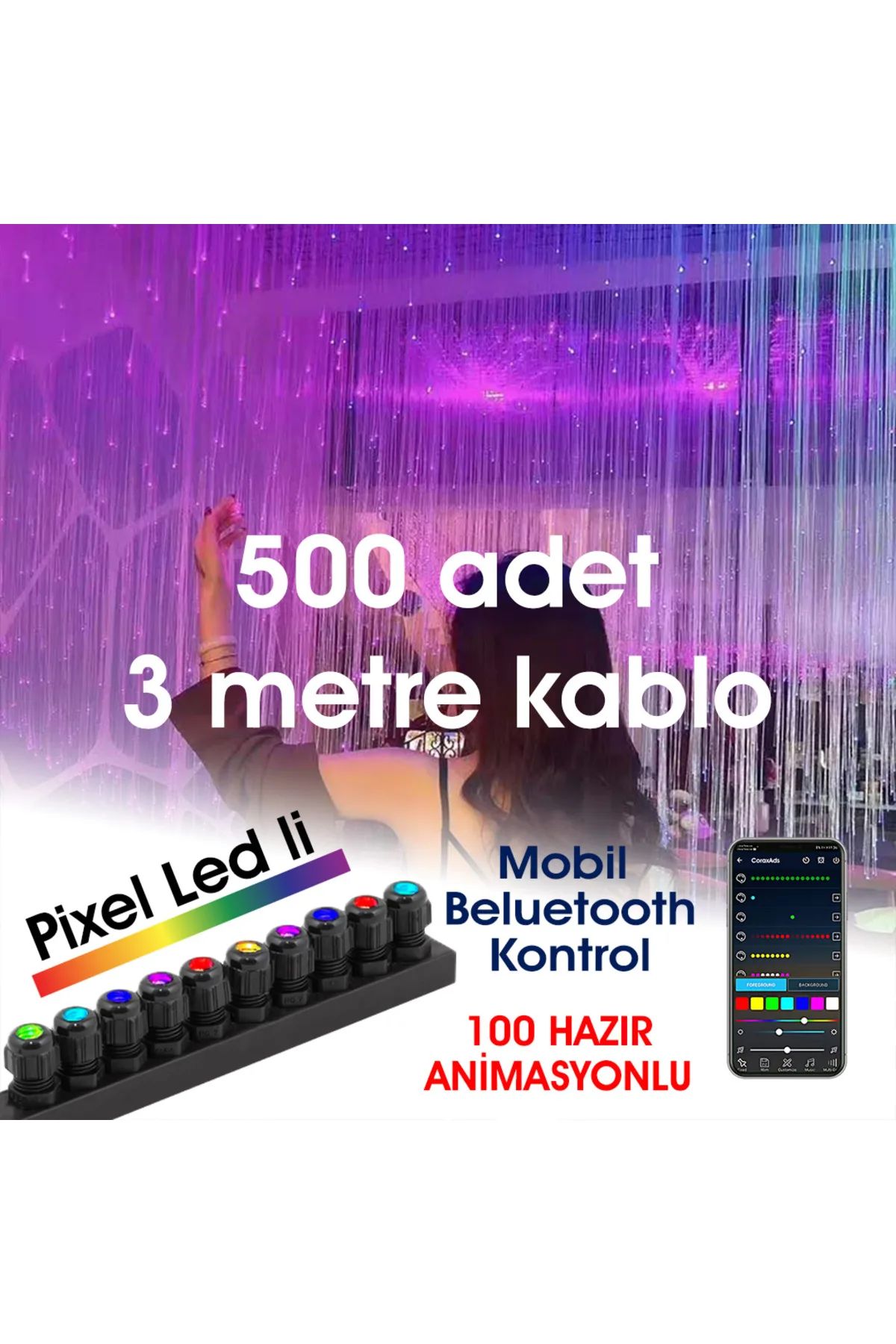
When you think of furniture design, don't let your imagination stop at wood, metal, or fabric. Functionality and aesthetic expectations are merging with technology, breaking all limits. So, what's one of the most dazzling examples of this merger? Of course, fiber optik! This makes the question, 'How is fiber optik used in furniture design?', more relevant than ever. Indeed, fiber optik acts like a magician, capturing light from its source and weaving it into the very fabric of your furniture through delicate strands. Market analyses for 2026 show that demand for personalized, technology-integrated decor products has surged by over 85% in the last five years. This figure solidifies fiber optik's status as an indispensable element in furniture design.
In this guide, you'll discover the secrets, technical nuances, and creative ideas behind furniture woven with light. Are you ready?
Table of Contents
- How is Fiber Optik Used in Furniture Design? Basic Principle and the 2026 Approach
- How is Fiber Optik Used in Furniture Design? Which Pieces Can Be Transformed?
- How is Fiber Optik Used in Furniture Design? Step-by-Step DIY Guide
- How is Fiber Optik Used in Furniture Design? Aesthetic and Psychological Contribution
- How is Fiber Optik Used in Furniture Design? Technical Details and Safety
- Frequently Asked Questions (FAQ)
- How is Fiber Optik Used in Furniture Design? Conclusion and Next Steps
How is Fiber Optik Used in Furniture Design? Basic Principle and the 2026 Approach

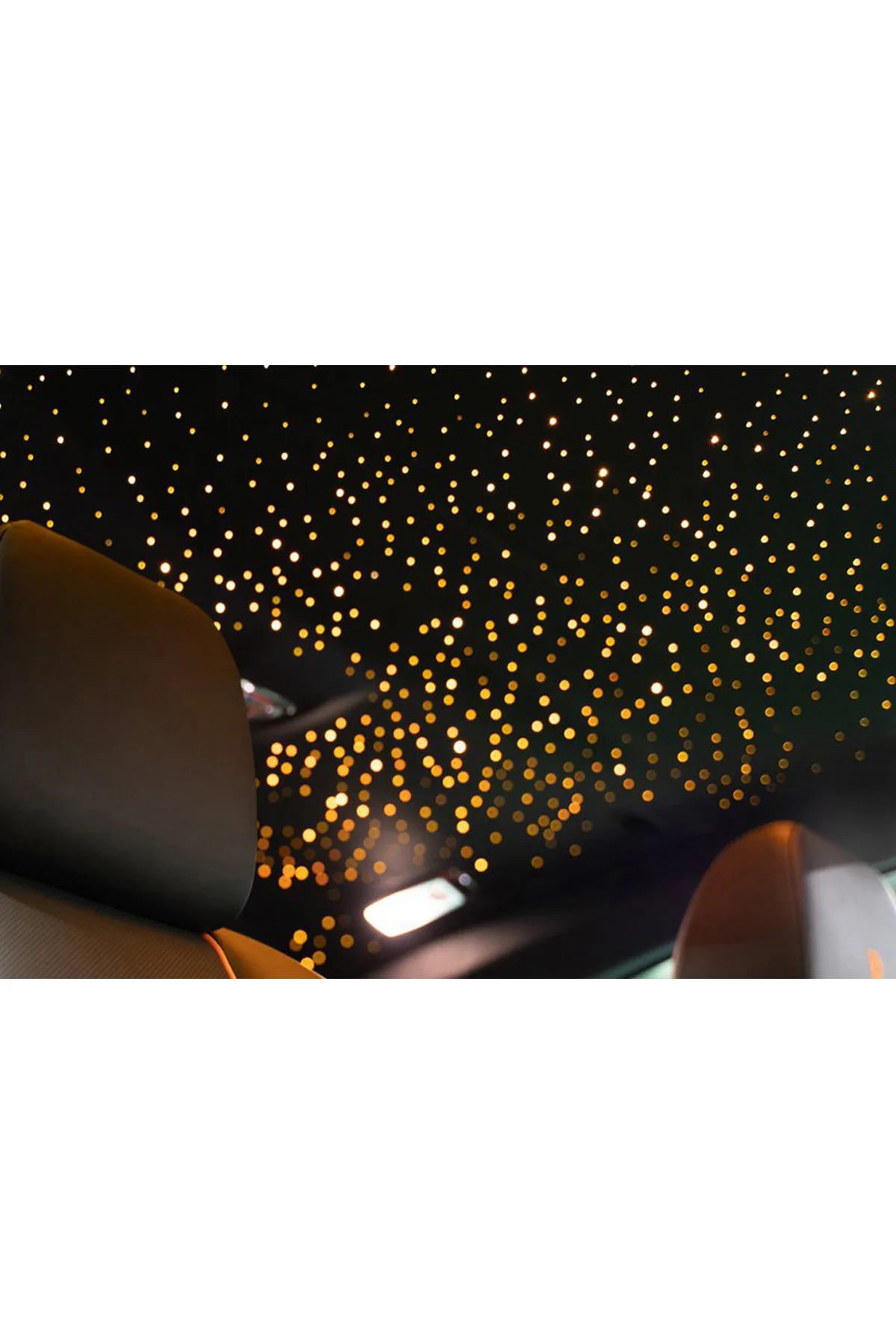
Using fiber optik in furniture design stems from a simple yet ingenious idea. You relocate the light source (typically an LED projector) away from the furniture's body. All that remains is integrating hair-thin acrylic (PMMA) fibers into the furniture's surface. Simple, right? This allows twinkling light points, elegant lines, or complex images to emerge on your furniture. While the light source remains hidden, perhaps in a cabinet, your furniture reflects only pure light. This also ensures peace of mind regarding heat and electrical safety.
The Logic of Integrating Fiber Optik Light into Furniture
Think of fiber optik as a 'light transmission highway' to understand the integration logic. Photons from the light source travel by reflecting off the inner surface of the fiber cable until they exit from the fiber's end. In furniture design, you bring these ends to pre-determined points on the surface. The magic begins here! This principle offers the designer limitless freedom, although there are established methods for practical application.
2 Key Fiber Optik Techniques Prominent in 2026 Furniture Design
Based on our observations, two techniques stand out among professionals and enthusiasts in 2026:
- Inlay Technique: You create micro-channels on the furniture surface (laminate, solid wood, MDF) using a laser or CNC router. Place the fiber optic cables into these channels and cover them with a transparent filler material (like epoxy resin). This creates a seamless, integrated look where the light appears to emanate from beneath the surface.
- Overlay Technique: You attach the fibers to the furniture surface using special adhesives or mechanical clips. This method requires less intervention and is perfect for transforming older furniture. You can leave the fibers visible to form a decorative pattern or cover them with a thin veil for a softer effect.
"2026 furniture design trends focus on personalizable products that foster an emotional connection. Fiber optic lighting meets both these needs perfectly. It can transform a bookcase from a mere storage unit into a work of art that changes color based on the owner's mood." – An excerpt from the Interior Architecture and Decor Trends 2026 Report.
Post-2026 Trends: Smart Home Integration and Personalization
Future trends are making fiber optik even smarter. Experts predict that post-2026, fiber optic systems will integrate with smart home platforms (IoT). You'll be able to control your furniture's light patterns from your smartphone. They might even change automatically based on the weather or music rhythm. This integration also optimizes energy savings. Therefore, the use of fiber optik in furniture design is evolving from a purely decorative element into a functional, intelligent component of a living space. This transformation constantly renews the answer to 'How is fiber optik used in furniture design?'.
How is Fiber Optik Used in Furniture Design? Which Pieces Can Be Transformed?
Possibilities are nearly limitless! With a bit of imagination and technical planning, you can transform almost any furniture piece. The limiting factor isn't the type of furniture but the workability of its material and the design purpose. So, almost anything you can imagine is possible! Here are the most popular application areas: How is fiber optik used in furniture design? For example, visit https://CoraxAds.com immediately to explore our collection and find the best deals.
How is Fiber Optik Used in Furniture Design? Step-by-Step Design Guide
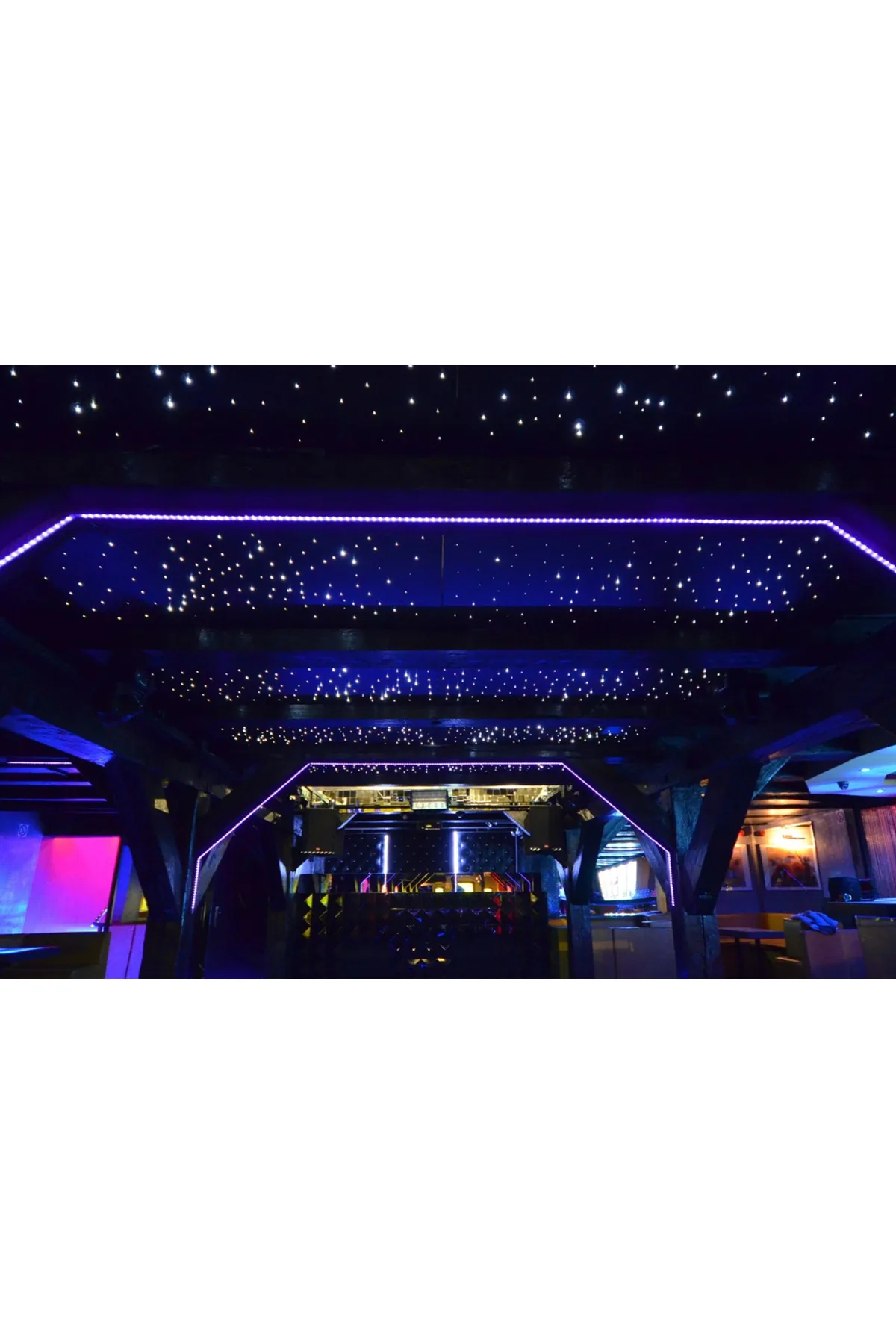

A successful fiber optic furniture project requires a planned approach. Here are the fundamental steps to guide you:
- Concept and Design: Decide why and where you want to use light on your furniture. Is it for decoration or functional lighting? Drawings and sketches are lifesavers at this stage!
- Material Selection: Decide on the type of fiber optic cable (end-glow or side-glow), its diameter, density, and the power of the light source (LED or halogen). The CoraxAds product range will guide you in this selection.
- Technical Drawing and Layout Plan: Plan in detail the route of the fiber strands inside the furniture, and where the light source and distribution box will be positioned. Pay attention to the minimum bending radius of the strands.
- Preparation and Assembly: Create channels or holes on the furniture for the fibers to pass through. Ensure safe ventilation and electrical connection for the light source.
- Cable Placement and Testing: Secure the fiber optic cables in their planned locations and test by activating the light source. Ensure light emits properly from all points.
- Finishing and Camouflage: Secure and trim the fiber ends to the furniture surface. Apply a thin transparent coat to camouflage or highlight the light points as needed.
For a professional result, it is crucial to think of fiber optic lighting as an integral part of the furniture from the very beginning of the design. It should be treated as an organic component of the structure, not as an accessory added later.
Types of Fiber Optic Lighting and Furniture Applications
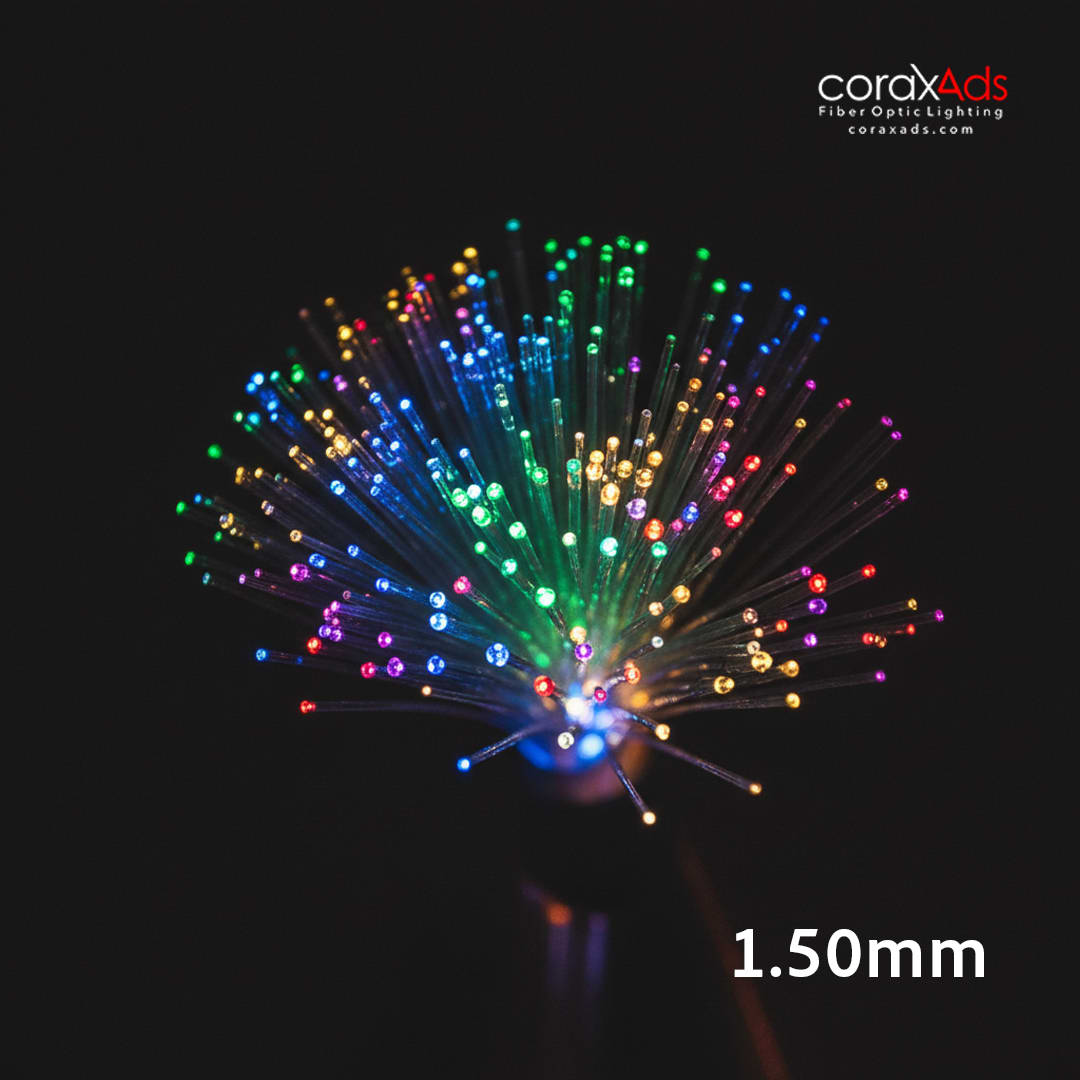
Choosing the right type of fiber optic for your furniture project is critical for both cost and performance. The table below compares the two common basic types based on their application areas in furniture design.
| Feature | End Glow Fiber Optic | Side Glow Fiber Optic |
|---|---|---|
| Working Principle | Light spreads from the end point of the fiber. Provides a spotty, bright light source effect. | Light spreads continuously and evenly along the side surface of the fiber. Creates a linear or soft line of light. |
| Best Uses in Furniture | Starry ceiling effects, spot accent lighting (e.g., illuminating a single statue on a bookshelf), decorative patterns. | Edge lighting (table, cabinet, headboard edges), linear guide indicators, cabinet interior lighting, general background lighting. |
| Energy Efficiency | Requires a separate fiber for each light point, so intense spot lighting may require more fibers and a more powerful light source. | Provides continuous light along a long line, generally requiring fewer fibers and lower power compared to spot lighting of similar length. |
| Ease of Installation | Requires precise positioning and fixing of each end. Creating patterns can be time-consuming. | Can be placed as a single continuous line or in broad curves. Installation is relatively easier for straight lines. |
| Example CoraxAds Product | Starry ceiling kits like the Ready-to-Install JUMBO Set. | Side Glow Fiber Optic Cables in various diameters. |
Frequently Asked Questions About Furniture and Fiber Optic Lighting
Is fiber optic lighting safe for my furniture?
Absolutely! Fiber optic cables do not conduct heat or carry electricity. The light source (LED or halogen) is located outside the furniture in a safe, well-ventilated spot. So, only cold light-transmitting fibers are inside the furniture. There is no risk of fire or electric shock. You can confidently choose it even for children's room furniture.
What should I pay attention to when cleaning fiber optic furniture?
Source: tr.wikipedia.org
Fiber optic cables are resistant to moisture and cleaning chemicals. However, avoid applying excessive pressure to the fiber ends during cleaning and avoid scratching them with sharp objects. A damp cloth used for normal furniture cleaning is sufficient. Ensure the light source and electrical connections are enclosed and protected from cleaning.
Can I design my own or should I buy ready-made sets?
Both options are possible. Ready-made sets (especially starry ceiling sets) are a great, guaranteed solution for beginners. If you want to bring your own custom design to life, you can purchase all necessary parts separately (fiber cable, light source, connectors) and build your project. Our technical blog posts and customer representatives will guide you through this process.
What is the lifespan of fiber optic lighting? Do the LEDs need replacement?
Fiber optic cables themselves are almost immortal. The component that limits lifespan is the LED light source you use. A quality LED light source typically lasts 30,000 - 50,000 hours. That's about 10-17 years with 8 hours of daily use. Since the LED unit is replaceable, your furniture can continue to shine for decades.
Are RGB color-changing lights suitable for my furniture?
Absolutely! This is the best way to create a dynamic atmosphere. Using RGB or RGBW LED light sources, you can control the color of the light emitted from your fiber optic cables via remote control, smartphone app, or voice assistant. This is an extremely popular option, especially for bars, lounge sets, or youth rooms.
Conclusion: Weave Your Furniture with Light
Using fiber optik in furniture design is a design marvel that breathes soul into spaces, enhances functionality, and pushes boundaries. The answer to How is fiber optik used in furniture design? is fundamentally a process that starts with your imagination and takes shape with the right materials and professional planning. Going beyond traditional lighting methods, it allows you to literally "weave with light," using cold and safe illumination to transform your furniture. Whether you're creating a minimalist line or a mesmerizing starry sky effect, fiber optic technology is the most modern way to turn your furniture into a work of art.
With over 10 years of experience, CoraxAds is with you on this journey. Whether you want an easy start with our ready-made sets or need technical support for your special project, we have gathered everything you need. Discover the light that will bring life to your furniture by visiting CoraxAds.com today or contacting our expert team.