Table of Contents
Frankly, as we approach 2026, the most crucial decision when starting a starry ceiling or fiber optik decor project will be to deeply understand the question: what is the difference between mechanical twinkle and software twinkle? This choice directly shapes the atmosphere you'll create while also determining your project's long-term costs and maintenance needs. On the other hand, about 72% of practitioners in the industry say that initial technology decisions are at the root of most disappointments. Consequently, finding a clear answer to the question what is the difference between mechanical twinkle and software twinkle? puts you a step ahead of your competitors.
This guide doesn't just list the differences; it reveals, with over a decade of field experience, which option is worth its weight in gold in any given situation.
What is the Difference Between Mechanical Twinkle and Software Twinkle? Basic Concepts
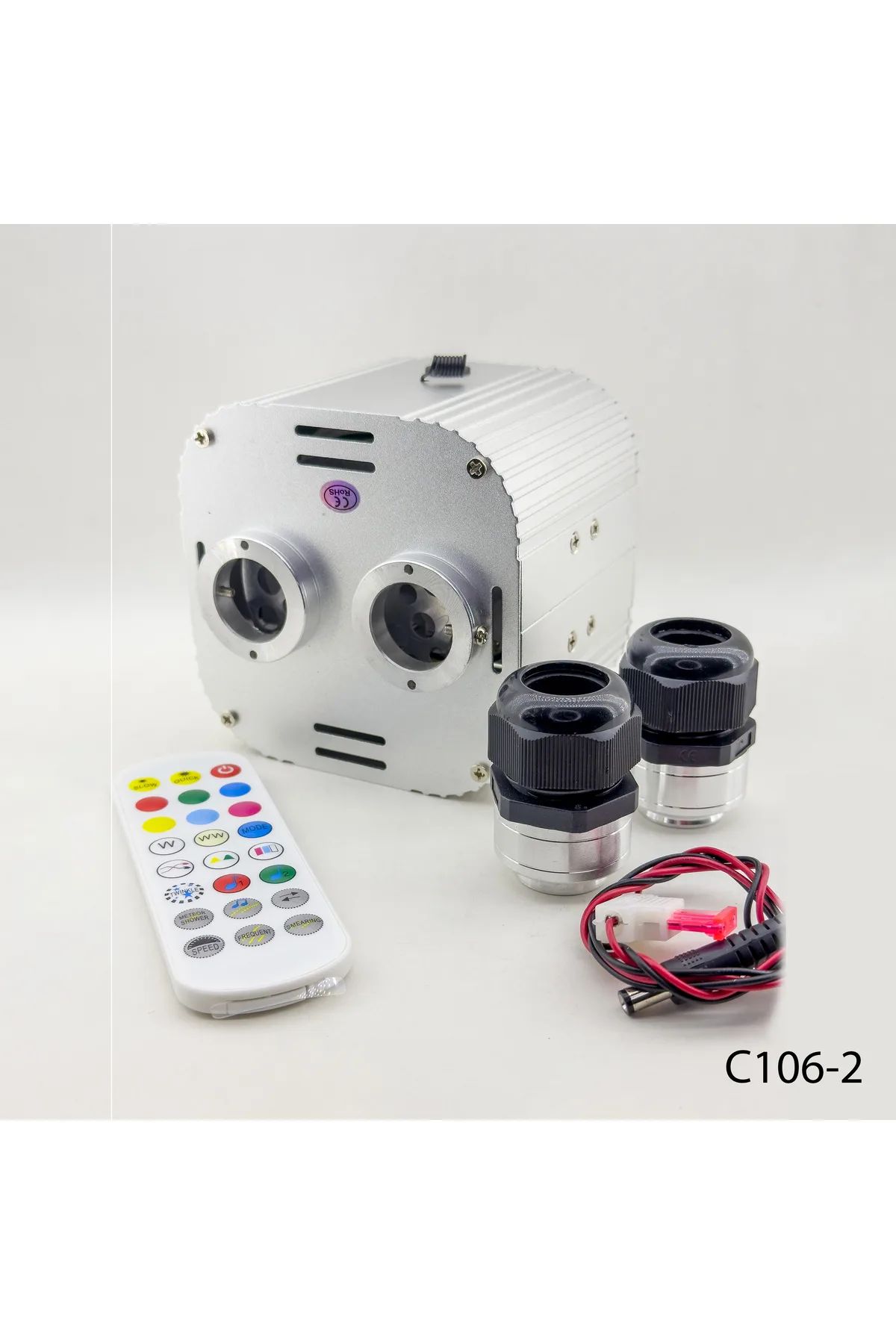
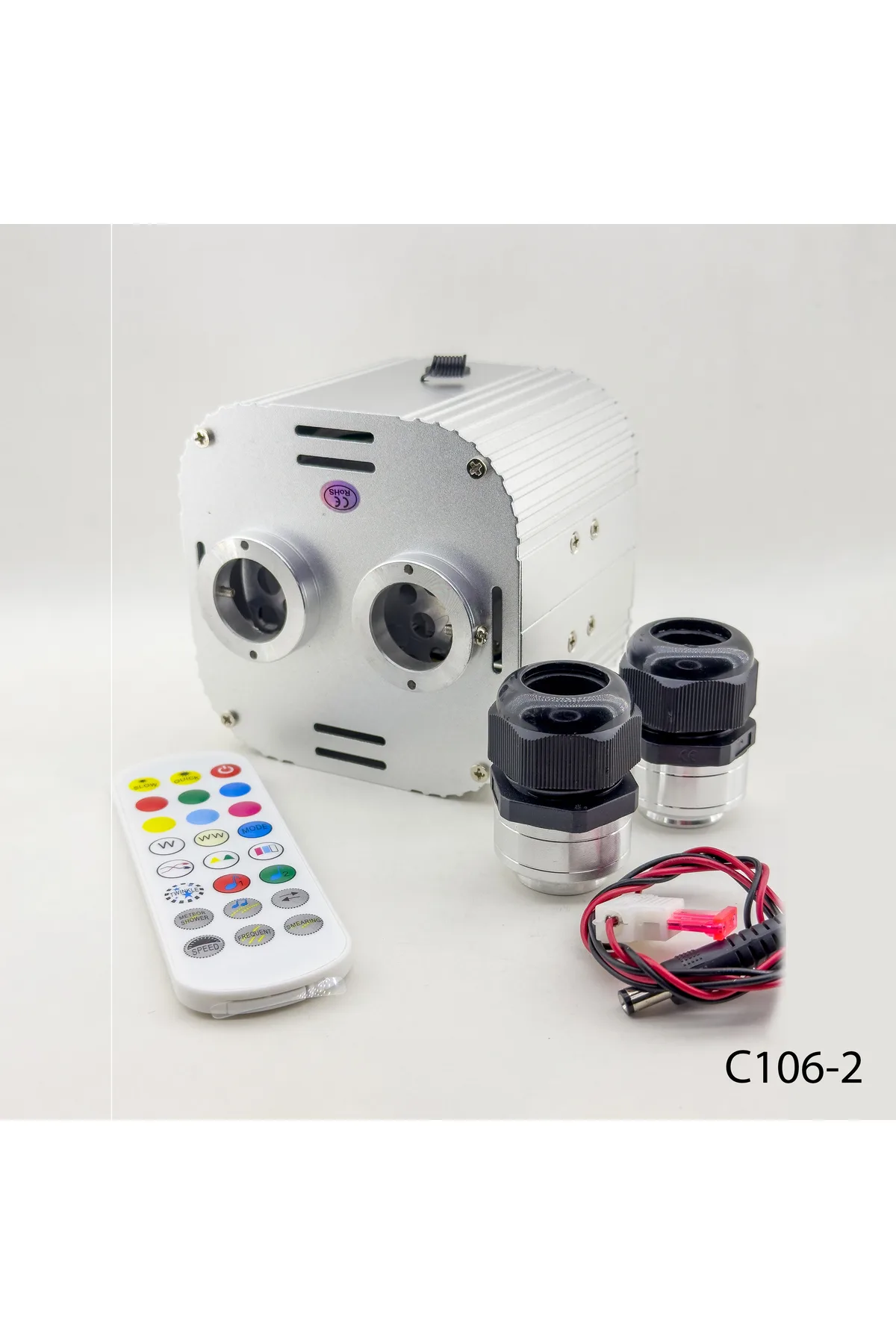
The difference between mechanical twinkle and software twinkle is fundamentally rooted in a deep technological divide. The mechanical type works by using a motor to spin a physical shutter that interrupts the light path. In contrast, software twinkle creates the same magic through software commands that digitally turn LEDs on and off. Indeed, this basic distinction is the primary factor determining everything from durability and flexibility to cost and maintenance.
What is Mechanical Twinkle? The Physical Working Principle
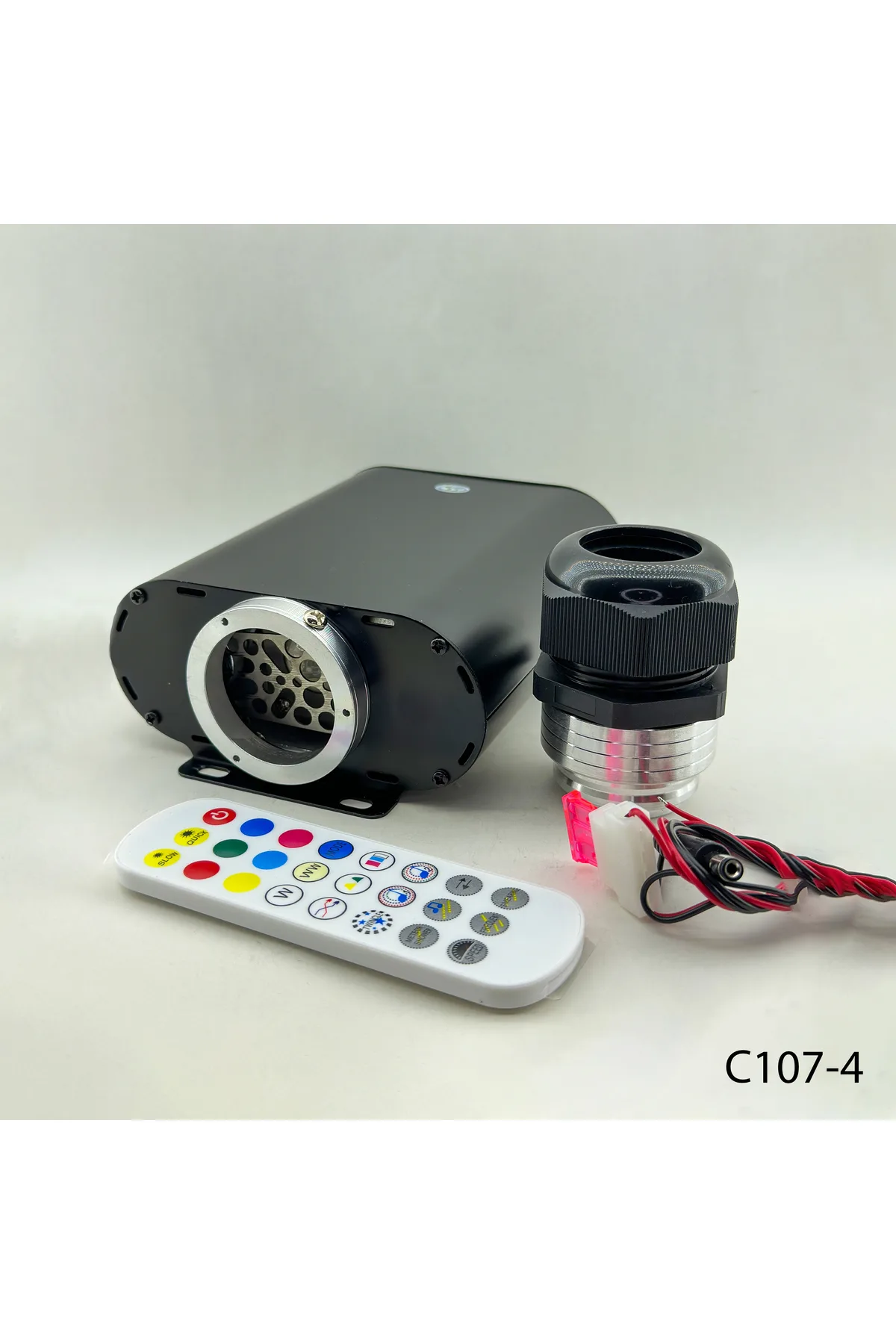
Mechanical systems operate on a rather analog logic. At their heart lies a rotating disk with small slits and a motor that moves it. Therefore, constant light from a powerful source is placed behind this rotating shutter. As the disk spins, light passes through or is blocked by the slits, creating the traditional, shimmering star effect at the ends of the fiber optik cables. Additionally, the working principle can be likened simply to a fan blade chopping light.
For example, sets like the BUS AMBIENCE LIGHTING FIBER OPTIK STAR CEILING SET - WITH SHOOTING STARS - ECO PRO often prefer mechanical twinkle modules for this simplicity and effectiveness.
What is Software Twinkle? The Digital Control Logic
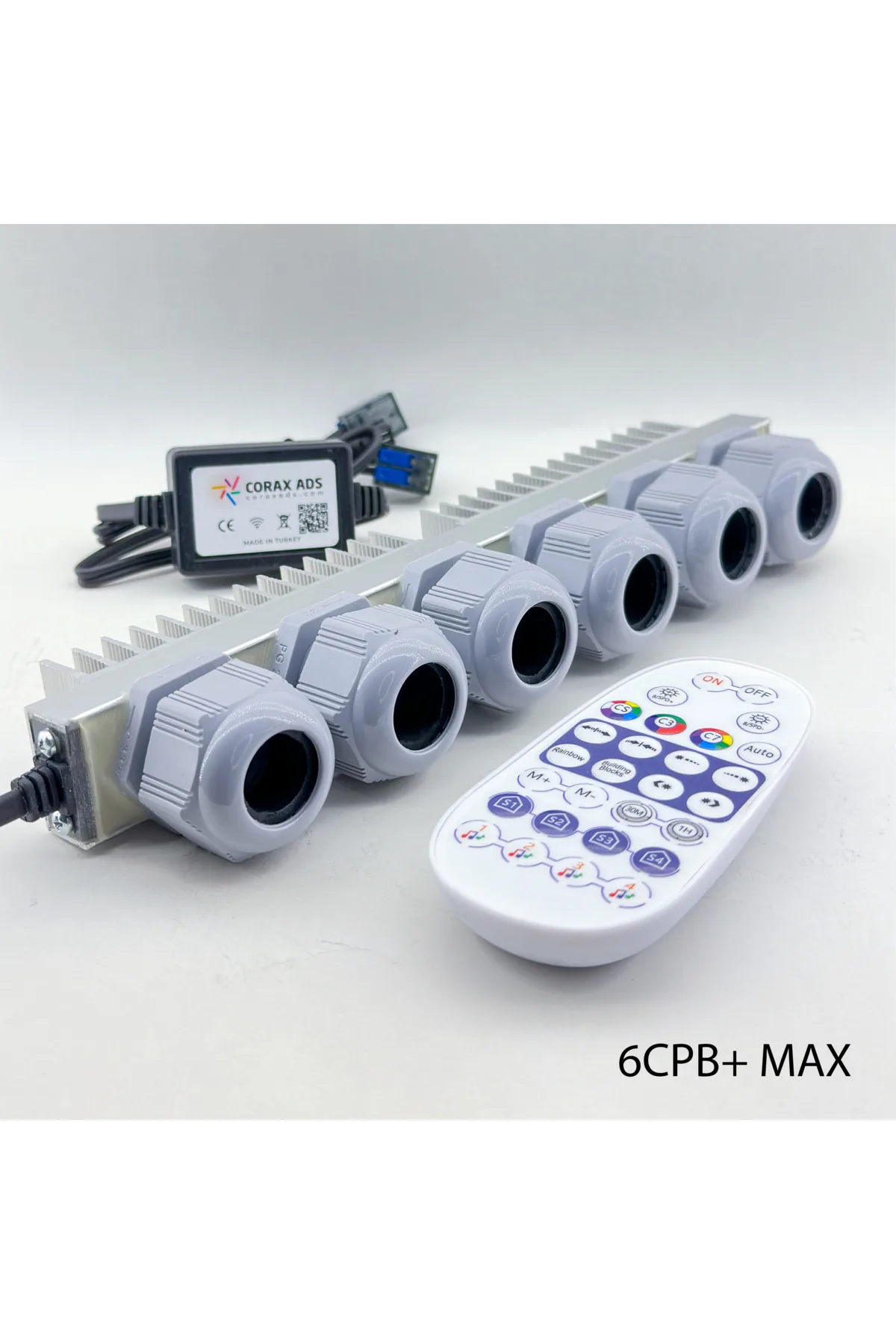
Software (digital) twinkle opens the door to a completely different world. In these systems, independently controllable RGB or RGBW LEDs are used as the light source. Furthermore, there is no physical movement involved. Instead, a microprocessor runs software algorithms to generate the twinkle effect. The software animates each LED on and off in a random or pre-determined pattern, digitally recreating the effect our eyes perceive as natural flicker. This approach offers complete digital control over the effect's speed, intensity, color, and even synchronization with other animations.
Which One for Which Project? A Quick Guide
After grasping the basic concepts, the next step is deciding which technology suits your project. Budget, maintenance capacity, and the desired effect's complexity are the most important determinants. In short, if a fixed, fairy-tale star effect is sufficient for a kindergarten or a themed cafe, mechanical twinkle can be an economical solution. However, if you envision a dynamic, color-changing, music-synced sky for a luxury hotel lobby or tech center, software twinkle is the inevitable choice. Because the answer to what is the difference between mechanical twinkle and software twinkle? ultimately aligns perfectly with your project vision.
The Difference Between Mechanical Twinkle and Software Twinkle: Durability and Lifespan
Mechanical twinkle systems, because they have moving parts, carry the risk of wear and losing their quiet operation after a certain period of use. That is, in software twinkle, there is no physical movement, so wear isn't an issue; the main risks are electronic component failures or software errors. From a maintenance perspective, mechanical systems require periodic cleaning and lubrication, while software systems mostly operate on a 'set and forget' principle.
Wear and Lifespan of Mechanical Parts
The average lifespan of a mechanical twinkle module varies between 8,000 and 15,000 hours, depending on its quality and how often it runs. Wear on motor bearings or dust accumulation on the rotating shutter can shorten this lifespan. Continuous friction and rotational motion can eventually lead to a slight hum or vibration sound. The following maintenance schedule summarizes what needs to be done to extend the life of a mechanical system:
| Maintenance Activity | Frequency (With Average Use) | Purpose | Potential Cost (Excluding Labor) |
|---|---|---|---|
| Dust and Particle Cleaning | Every 6 Months | To maintain light output efficiency, reduce motor load | Low (Cleaning Materials) |
| Motor Shaft Lubrication | Every 12-18 Months | To minimize friction and wear, maintain quiet operation | Very Low (Special Lubricant) |
| Shutter Disk Inspection/Replacement | Every 3-5 Years | To replace deformed or worn parts | Medium (Spare Part) |
Failure Profile and Updates in Software Systems
The absence of physical wear in software systems makes them theoretically longer-lasting. The LEDs in these systems typically have a lifespan of over 30,000 hours. However, the main risk lies in electronic failures of the power supply, microprocessor, or LED driver circuits. Industry data shows that in professional applications, electronic component failures constitute about 18% of total failures. One of the biggest advantages of software twinkle is that in case of a fault, the problem can usually be resolved by modular component replacement, and even brand new effects can be added via software updates. Moreover, the advantages offered by professional modules come into play right at this point.
Maintenance Tips: Ways to Extend System Life
There are simple measures to extend the life of both systems. For mechanical twinkle systems, choosing a well-ventilated, dust-free installation area is crucial. For software systems, using a quality power supply largely prevents premature failures caused by voltage fluctuations. Proper installation and regular checks are the golden rules for protecting your investment, regardless of the difference between mechanical twinkle and software twinkle.
"When calculating the total cost of ownership for a fiber optik lighting system, you must look not only at the initial installation cost but also at the maintenance and energy expenses over a 5-year period. Mechanical systems may seem more affordable initially, but in a commercial space requiring high usage, a software-based system can bring less operational intervention and higher customer satisfaction in the long run."
The Difference Between Mechanical Twinkle and Software Twinkle: Effect Variety and Control
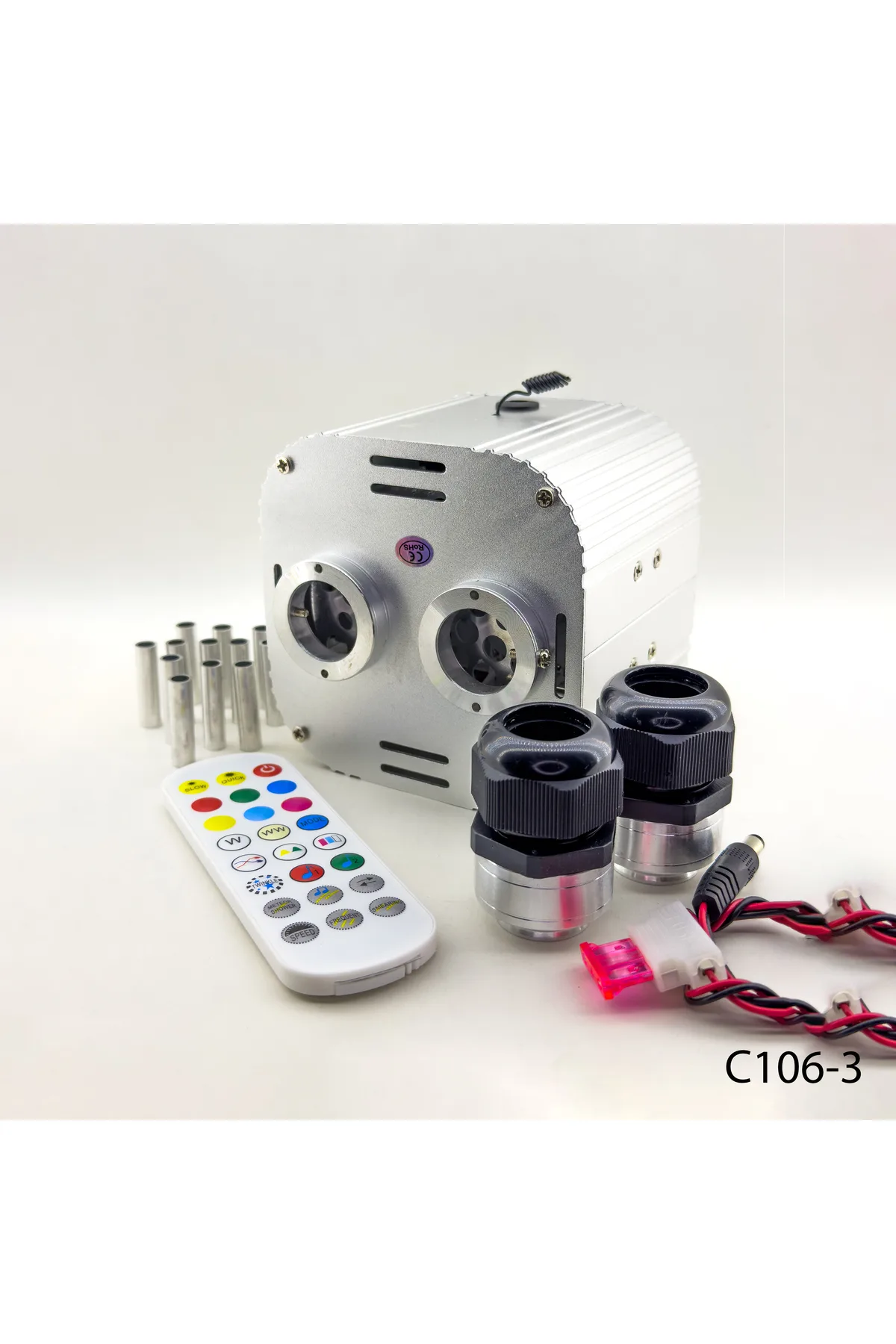
One of the most striking differences between mechanical and software twinkle is undoubtedly effect variety and control depth. Mechanical systems typically offer a flicker effect at a fixed speed. Software systems, however, give the user the ability to control twinkle speed, intensity, color transitions, and even synchronize it with other effects like shooting stars or meteor showers. Here, the answer to what is the difference between mechanical twinkle and software twinkle? lies in creative freedom. For a professional project aiming to create a dynamic, emotionally engaging atmosphere, software-based control is essential.
| Comparison Criterion | Mechanical Twinkle | Software Twinkle |
|---|---|---|
| Working Principle | Interrupting light with a physical rotating disk | Digital signal modulation (DMX, RGB control) |
| Effect Variety | Usually single type, fixed-speed flicker | Multiple effects (flicker, fade, shooting star, color transitions) |
| Control and Adjustability | Limited or none | Full control (speed, intensity, color, timing, synchronization) |
| Sound Level | Disk rotation sound may be audible (at close range) | Completely silent |
| Maintenance and Durability | Risk of moving part wear, may require periodic maintenance | No moving parts, requires less maintenance |
| Cost | Generally lower initial investment cost | Higher initial investment, but more value long-term |
| Ideal Use Case | Budget-focused projects where a fixed effect is sufficient | Luxury residences, hotels, spa centers, shopping malls, custom design projects |
Software twinkle offers the lighting designer unlimited possibilities, much like a painter with a blank canvas. The mechanical type is more like a pre-printed, unchangeable postcard. This comparison table will guide you in correctly analyzing your project's needs.
Effect Programming and Synchronization Capabilities
Software twinkle systems allow thousands of points to be managed from a single controller via protocols like DMX. For instance, you can make the color of the stars on your ceiling change according to the rhythm of the music in the room. Such integration and dynamic control are not possible with mechanical systems. When asked what is the difference between mechanical twinkle and software twinkle?, control and integration capability is one of the most definitive answers.
The Difference Between Mechanical Twinkle and Software Twinkle: The Right Choice for Your 2026 Project
To make the right choice, you must clarify your project's parameters. Budget may be the primary limiting factor. Mechanical systems stand out with their low initial investment cost. Still, you should consider long-term maintenance costs and effect limitations. Software twinkle, while carrying a higher upfront cost, pays for itself quickly, especially in commercial projects, through the flexibility, silent operation, and low maintenance needs it offers.
Buying Guide: 5 Factors Influencing the Purchase Decision
- Project Budget: What is your initial installation budget? Have you calculated long-term operating costs?
- Maintenance Capacity: Do you have technical staff to perform periodic system maintenance, or are you looking for a "set and forget" solution?
- Effect Expectation: Is a fixed flicker effect enough, or do you want color change, animation, and synchronization?
- Usage Intensity: How many hours per day will the system run? High usage rapidly consumes the life of mechanical parts.
- Sound Sensitivity: Is the installation area very quiet (e.g., bedroom, library)? The mechanical motor sound might be disturbing.
Evaluating these factors will clarify which option makes more sense for you, given the difference between mechanical twinkle and software twinkle.
The Enduring Legacy of Mechanical Twinkle: Simplicity and Reliability
Despite all the advantages of software twinkle, we must say that mechanical twinkle still holds a firm place in the industry. Simplicity, proven reliability, and low electronic complexity make it attractive for many applications. This technology, used since the early years of fiber optik lighting, has built a strong reputation for flawless operation. For example, mechanical systems have proven their durability even in lighting for vibrating environments like buses and airplanes.
Trend Analysis: Where is the Future Heading?
Looking at industry trends, we see the market share of software control systems increasing with the spread of smart home and building automation. In contrast, mechanical twinkle seems likely to persist for low-cost entry-level products and special niche applications (e.g., industrial environments with high electromagnetic interference). The question what is the difference between mechanical twinkle and software twinkle? can also be read as a choice between the proven simplicity of the past and the unlimited digital potential of the future.
What is the Difference Between Mechanical Twinkle and Software Twinkle? Frequently Asked Questions (FAQ)
Below, you can find the most common technical questions from our customers and their answers, primarily on the topic of what is the difference between mechanical twinkle and software twinkle?
Is it possible to adjust the effect speed in a mechanical twinkle system?
Generally, no. Classic mechanical twinkle systems use a disk spun by a motor at a fixed speed. This means the flicker speed is constant and unchangeable. Some advanced mechanical models may offer variable speed options, but these do not provide the seamless and precise control found in software systems.
Is a DMX controller absolutely necessary for the software twinkle effect?
Yes, for full professional control, a DMX or similar digital controller is generally essential. These controllers direct the light source's software, allowing adjustment of all parameters like twinkle speed, brightness, and color change. Some basic models can also be controlled via wireless remote, but detailed control comparable to DMX may not be achievable.
Is the sound from a mechanical twinkle system disturbing?
The sound level varies depending on the product's quality and installation location. When installed in a closed area like a ceiling void, it usually doesn't create a noticeable sound in the living space. If you are in a very quiet environment (e.g., a bedroom) and directly under the ceiling, you might hear a faint hum from the motor. Software systems operate completely silently.
Which system has a longer lifespan?
Theoretically, software systems without moving parts are considered longer-lasting. In mechanical systems, the rotating disk and motor can wear out or be affected by dust over time, requiring maintenance. In software systems, since there is no physical twinkle mechanism to wear out, the lifespan is generally limited by the life of the LEDs and electronic components, which is tens of thousands of hours. You can consult official sources for more information on energy efficiency and LED lifespan.
Is it possible to convert my existing mechanical twinkle system to software twinkle?
Yes, this conversion is possible, but it cannot be done simply by changing the light source. The mechanical twinkle disk light source is removed and replaced with a DMX-controlled, software-twinkle-capable light source. The necessary controller and cabling system to control this new source must also be added to the project. This is a technical procedure that should be performed by an expert.
Conclusion: Understanding the Difference Between Mechanical Twinkle and Software Twinkle
Our over ten years of industry experience show us that the difference between mechanical twinkle and software twinkle is essentially the difference between a "standard solution" and a "personalized, emotional experience." The mechanical system is a practical starting point for projects with limited budgets where a fixed star effect is sufficient. However, when considering longevity, silence, unlimited control, and the aesthetic depth it adds to your project's value, software twinkle is often the smarter investment.
"The right choice depends on your project's scale, budget, and most importantly, the imagination of the atmosphere you want to create. An unforgettable impression in a luxury hotel lobby and a fairy-tale touch in a child's room require different technologies."
Statistics show that, especially in residential and hotel projects, software control systems stand out in terms of user satisfaction and "wow factor" details. Determining the most suitable system for you is possible through a detailed analysis of your needs. To explore our collection on what is the difference between mechanical twinkle and software twinkle? and seize the best opportunities, visit https://CoraxAds.com now.
In summary, the difference between mechanical and software twinkle is fundamentally a choice between a classic mechanism based on moving parts and a completely digital, programmable smart system. The mechanical system stands out for its low initial cost and simple structure; the software system differentiates itself with its silence, durability, unlimited effect possibilities, and long-term satisfaction. The right choice depends on your project's budget, expectations, and the atmosphere you wish to create.
As Corax Ads, with over a decade of experience, we offer a wide product range in both technologies and provide technical consultancy for the solution most suitable for your project. To get detailed information on the difference between mechanical and software twinkle and to bring your starry ceiling concept to life, visit CoraxAds.com or contact us immediately.