Recently, a mother wanted a starry ceiling for her newborn baby. "But static stars aren't enough," she told me. "My son should see shooting stars slowly moving across the sky as he falls asleep." In that moment, I saw with my own eyes just how far lighting technology has come. So, how do you choose a pixel light source with a shooting star effect? The secret lies right here. Ultimately, I can confidently say that bringing this magic into your home in 2026 is child's play. However, finding the right equipment is the most critical step that determines the lifespan of this magical show.
This guide provides crucial answers to the question of how to choose a pixel light source with a shooting star effect, without getting bogged down in technical terms. Therefore, we will explain step-by-step what you need to pay attention to at every stage of the process. Moreover, it's useful to envision not just today's technology, but the trends of 2026 and beyond.
How to Choose a Pixel Light Source with a Shooting Star Effect? First Step: Understanding the Technological Foundations of the Effect
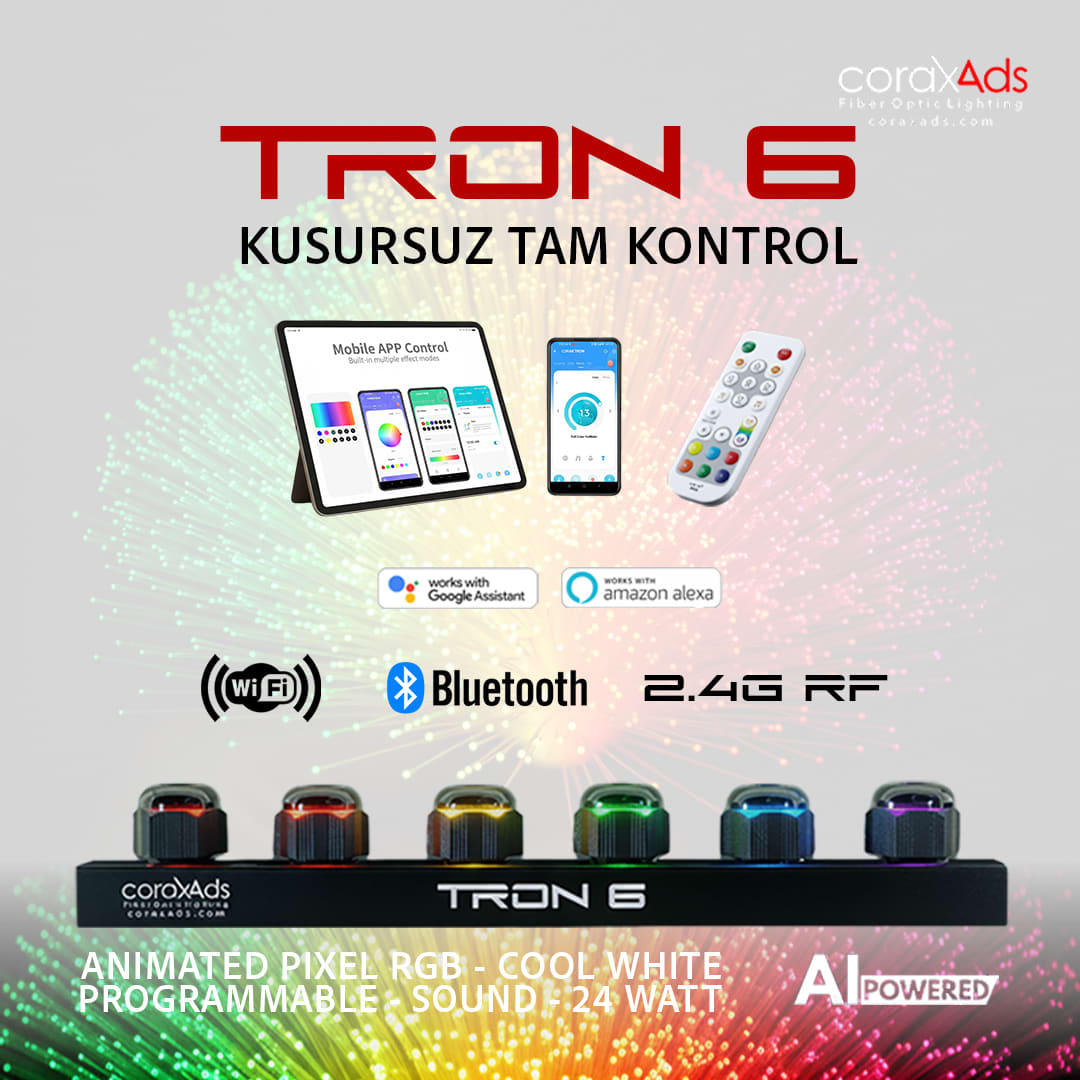
The shooting star effect is created by the independent and timed control of each light point. So, what should you look for first when choosing a pixel light source with a shooting star effect? Indeed, you should start by understanding the logic that produces this effect. This is also the biggest difference from a simple LED strip: each tiny light can turn on/off independently, change its color, and create a sense of movement via a computer command. Furthermore, the answer to how to choose a pixel light source with a shooting star effect lies precisely in this independent control power.
How Does Pixel Light Create the "Shooting" Effect?
In traditional fiber optik ceilings, a single color from the source illuminates hundreds of fiber strands. In a pixel system, however, the situation is different; the source powers each fiber or LED point through a separate channel. The software turns these channels on and off at the speed and sequence you define, thus almost perfectly mimicking a shooting star in the sky. This is why, when choosing a pixel light source with a shooting star effect, the number of independent channels you can control is the first thing to pay attention to.
The Importance of Pixel Pitch and Refresh Rate by 2026 Standards
Technology is advancing at a dizzying pace. Additionally, among our rising expectations for 2026, high resolution and fluidity lead the way. Pixel pitch, meaning the distance between light points, determines their density. A smaller pitch means a denser and smoother star image. In short, the refresh rate determines how fluid the effect will appear. For example, a low rate like 30 Hz can make the movement appear flickery and choppy. However, according to 2026 quality standards, a refresh rate of at least 200 Hz is essential for a solid system. This way, the shooting stars become both realistic and easy on the eyes. The foundation of the question how to choose a pixel light source with a shooting star effect lies in these two technical details.
How to Choose a Pixel Light Source with a Shooting Star Effect? Critical Technical Criteria for 2026
For choosing the right source, output count, IP rating, color gamut, and control protocol compatibility are among the top criteria not to be overlooked in 2026. Mastering these parameters directly affects both the quality of your project and your budget. Fortunately, most products on the market meet these criteria at different levels.
Output Count and Channel Capacity: How Many 'Stars' Do You Want to Control?
The output count is the number of independent light points a controller can manage. A 10-output module can move 10 different stars simultaneously. However, a complex and dense sky effect may require hundreds of outputs. Therefore, you can check our article on the coverage area of 10-output pixel LEDs. For example, a 30-output system can deliver a truly impressive display on a wide ceiling.
"In 2026, a successful pixel project is measured not just by a high number of outputs, but by the ability to control those outputs stably and without noise. Moreover, integrated cooling solutions have now become standard." – Lighting Systems Expert, CoraxAds Technical Team
IP Rating: What to Consider for Indoor and Outdoor Use
The shooting star effect is no longer just for bedrooms. It's now sought after by poolside areas, building facades, and outdoor cafes. In such a project, the IP rating is of crucial importance. While IP20 is sufficient for indoor use, areas exposed to dust and moisture require products with at least IP65, and for underwater applications, IP68 certification is a must. Overlooking this detail can significantly shorten the lifespan of your installed system.
The VIP YILDIZ TAVAN FİBER OPTİK STARLIGHT MİNİBÜS KAYAN YILDIZLI SET - EKO, with its full 30 independent outputs, is a golden choice for wide ceiling projects. For example, thanks to the high current capacity per channel, each 'star' remains bright and stable.
The Most Suitable Control Software and Connection Options for the Shooting Star Effect (2026)
For programming shooting stars, there are options like DMX, WLED, or proprietary software. Your choice in 2026 depends on your technical background and how much flexibility you want. But now, there are options suitable for users of all levels. In short, perhaps the most crucial part of the question how to choose a pixel light source with a shooting star effect is this control flexibility.
User-Friendly Interfaces: DMX, Art-Net, and WLED Comparison
- DMX512: The language of professional stage and architectural lighting. Extremely flexible and powerful, but its setup and programming require some technical knowledge.
- Art-Net: Carries the DMX protocol over Ethernet. Tailor-made for large projects with hundreds of channels.
- WLED: The rising star of recent years. An open-source software controlled via WiFi. Its mobile app is incredibly simple, perfect for amateur users. The official WLED documentation site also offers comprehensive information.
Beginner-Friendly Controller Recommendations for DIY Projects
Want to set up quickly without diving into technical details? Then ready-made kits are just for you. These kits come with a compatible controller, software, and sometimes even pre-loaded effects. In summary, when choosing a pixel light source with a shooting star effect, these ready-made solutions can save you significant time and effort.
The OTOBÜS AMBİYANS AYDINLATMA FİBER OPTİK YILDIZ TAVAN SETİ - KAYAN YILDIZLI - EKO PRO comes into play right at this point. Unbox, connect, turn on, and control from your phone. It comes with 8 different pre-loaded shooting star modes; you don't need to be a technician to get professional results.
How to Choose a Pixel Light Source with a Shooting Star Effect? Product Comparison by Application Area
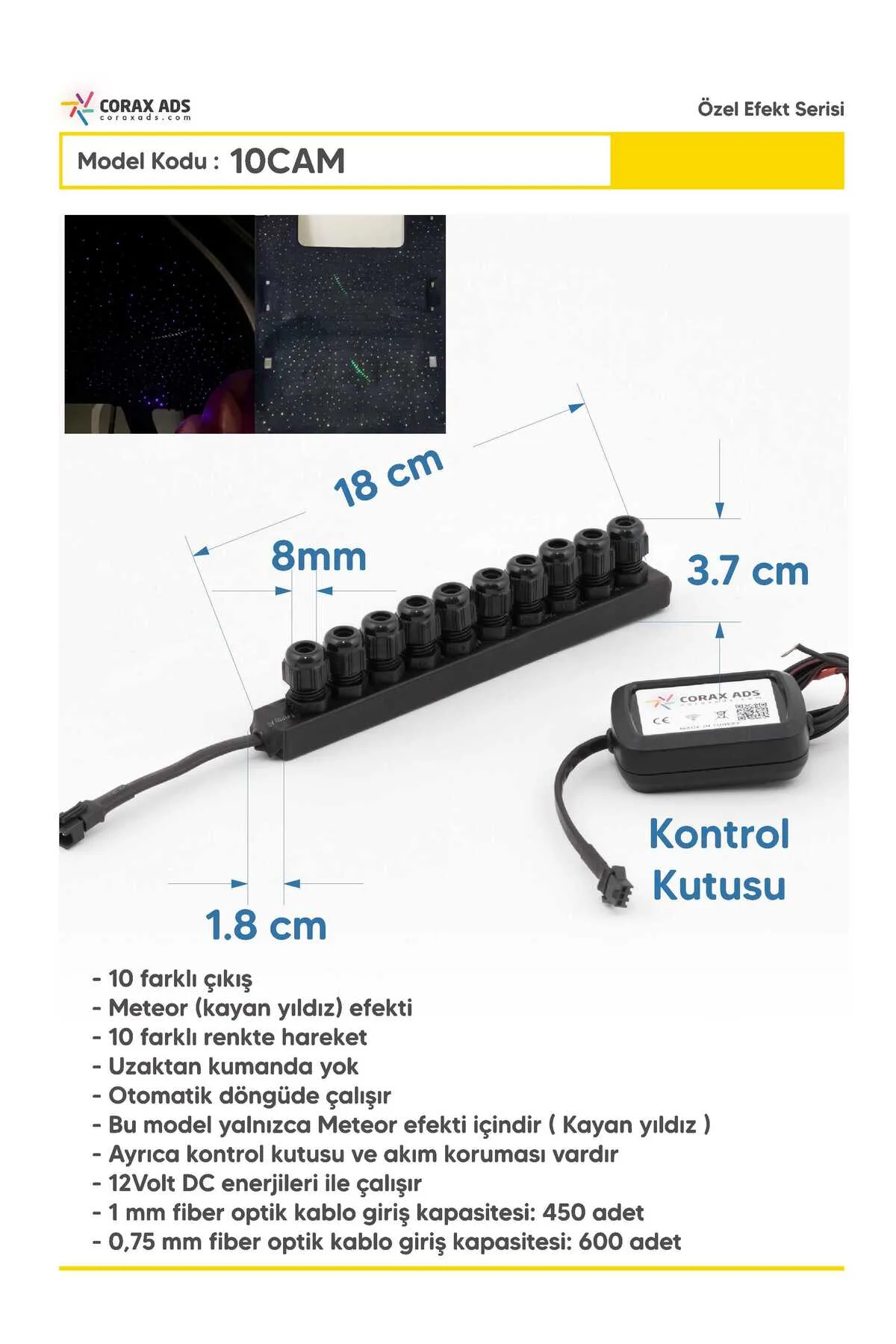
Choosing a pixel light source with a shooting star effect changes depending on where you'll use it. While 10-output sets are sufficient for small rooms, high IP-rated industrial models are a must for pools or outdoor use. The table below summarizes which features to look for in different scenarios.
| Application Area | Recommended Output Count | Minimum IP Rating | Important Criterion | Example Product |
|---|---|---|---|---|
| Children's Room / Home Theater | 10 - 20 | IP20 | Quiet operation, ease of use | GENÇ ODASI YILDIZ TAVAN RENKLİ FİBER OPTİK AYDINLATMA AMBİYANS SETİ - MİNİ |
| Restaurant, Cafe, Store | 30 - 60+ | IP20 (Indoor) | High brightness, long-term operational durability, DMX control | RESTORAN, KAFE AMBİYANS AYDINLATMA KİTİ |
| Poolside / Outdoor | 20 - 40+ | IP68 | Full resistance to water and UV rays | HAVUZ AYDINLATMA FİBER OPTİK YILDIZ KİTİ - EKO |
| Vehicle Interior (Bus, Boat) | 20 - 30 | IP54 (Resistant to dust and splashes) | Compatibility with 12V/24V DC power, vibration resistance | OTOBÜS AMBİYANS AYDINLATMA FİBER OPTİK YILDIZ TAVAN SETİ - KAYAN YILDIZLI - EKO PRO |
Compact Solutions for Small Rooms and Home Theaters
The goal here is to create an intimate and impressive atmosphere. Looking at 2026 data, the majority of home users see ease of installation as the most important criterion. WLED-supported or remote-controlled ready-made sets will therefore be the ideal choice. Our guide on installing pixel-animated star ceilings in small rooms will guide you through this process. Don't overlook these user-friendly solutions when considering how to choose a pixel light source with a shooting star effect.
Durable Models for Commercial Spaces and Pool Lighting
This is where things get serious. The system may run for more than 12 hours a day and be exposed to moisture, chlorine vapor, or direct sunlight. Therefore, just a high IP rating is not enough; quality components (copper wires, aluminum-cooled LEDs) and professional control protocols are essential. When choosing a pixel light source with a shooting star effect, do not ignore these durability factors.
The 'Shooting' Metaphor in Culture and Technology: The Emotional Impact of Light
The shooting star effect creates a tremendous emotional atmosphere by bringing the metaphor of transience and wish-making from the sky into indoor spaces through technology. The reason behind your choice of this effect is most likely this association. However, choosing the right equipment is equally critical to maximizing this impact.
The Place of the Sky and Shooting Stars in Human Psychology
For centuries, people have associated this transient and rare celestial event with hope, wishes, and inspiration. Psychology research shows that slow and predictable moving visual stimuli have a calming effect. Shooting stars slowly flowing across your bedroom ceiling can create a meditative effect before sleep. The answer to how to choose a pixel light source with a shooting star effect has not only a technical but also an emotional depth.
The Creative Use of Movement in Decorative Lighting
Static light is beautiful, of course. But moving light gives a space soul and personality. The working principle of shooting star animation on a fiber optik ceiling captures exactly this spirit. Creating a slow flow specific to dining hours in your restaurant or a lively star shower for a birthday party is now very easy. Light transcends decoration to become a storytelling tool.
How to Choose a Pixel Light Source with a Shooting Star Effect? Post-Purchase in 2026: Installation, Maintenance, and Tips for Long-Term Use
To extend the life of your pixel light source with a shooting star effect system, choose the right power supply, prevent overheating, and don't neglect software updates. Many system failures stem from not following these simple rules. Knowing how to choose a pixel light source with a shooting star effect is just as important as knowing how to protect it.
Common Mistakes in Power Supply Selection
The biggest mistake is choosing a power supply that operates at its maximum limit. Let's say your pixel LEDs draw a total of 48W. You should choose a model of 60W or higher, leaving at least a 20% margin, not a 50W adapter. This prevents the power supply from overheating and failing prematurely. For safety, using products with international certifications like CE is also essential.
3 Practical Tips to Extend the Lifespan of Pixel LEDs
- Heat Management: Place the controller and power supply in a well-ventilated, unenclosed area. Excessive heat is the biggest enemy of the LED chip.
- Watch for Voltage Drop: Especially on long cable runs (over 5 meters), signal and brightness loss can occur. You can prevent this by using thicker cables or signal amplifiers.
- Software Updates: If you're using smart systems like WLED, perform regular software updates. These updates can bring performance improvements and brand new effects.
Frequently Asked Questions About Pixel Light Sources with Shooting Star Effects (2026 FAQ)
What is the minimum number of outputs needed for a shooting star effect?
In my opinion, at least 10 independent outputs are needed to achieve a good sense of flow. Simple effects can certainly be done with 5-6 outputs, but more control points are essential to create the feeling of stars shooting one after another. For example, 10 outputs are sufficient for a small area, and 20-30 outputs are quite adequate for a medium-sized room.
Can I convert my existing fixed star ceiling into a shooting star system?
Yes, it's possible. However, this depends on the thickness of your existing fiber optik cables and the location of your light source. Generally, the fixed light source needs to be removed and replaced with a pixel light source and controller. I recommend getting professional support for this job.
What's the difference between WiFi (WLED) and DMX control? Which should I choose?
WiFi/WLED control is easy to use, mobile-app friendly, and tailor-made for home users. DMX is more professional, stable, and suitable for larger projects. If your technical knowledge is limited and you're working on a small-scale project, start with WLED. For a commercial space where you want an uninterrupted, synchronized show, turn to DMX.
How much power does a pixel light source consume?
Consumption varies based on the number of active pixels, brightness level, and color. For example, a 30-output system, with all LEDs on white at full brightness, might consume approximately 15-25W. During average use, this value is much lower. LED efficiency has increased significantly in 2026 models, so you can rest easy regarding energy savings.
Besides IP rating, what should I pay attention to when choosing a pixel light source for outdoor use?
The IP rating is certainly the most important, but it's not the only factor. Cable quality (UV-resistant exterior jacket), waterproofness of connection connectors, and operating temperature range (e.g., -20°C to +50°C) are also very critical. Models with metal housings dissipate heat better and extend lifespan. You can refer to USITT resources regarding the durability of the DMX protocol outdoors.
Conclusion
2026 is a year where options for pixel light sources with shooting star effects have reached a peak in terms of both variety and accessibility. In this guide, we've covered all the crucial steps, from the foundations of the technology to technical details, control options, and application areas. Remember, the right choice should be suitable not only for your wallet but also for the emotion you want to create and the physical conditions of the space. Now you have one more wish you can make: the wish to bring the sky within four walls. If you're ready to embark on this magical journey, you can consult with the CoraxAds team to choose the right pixel light source or browse the application-specific kits on our site.