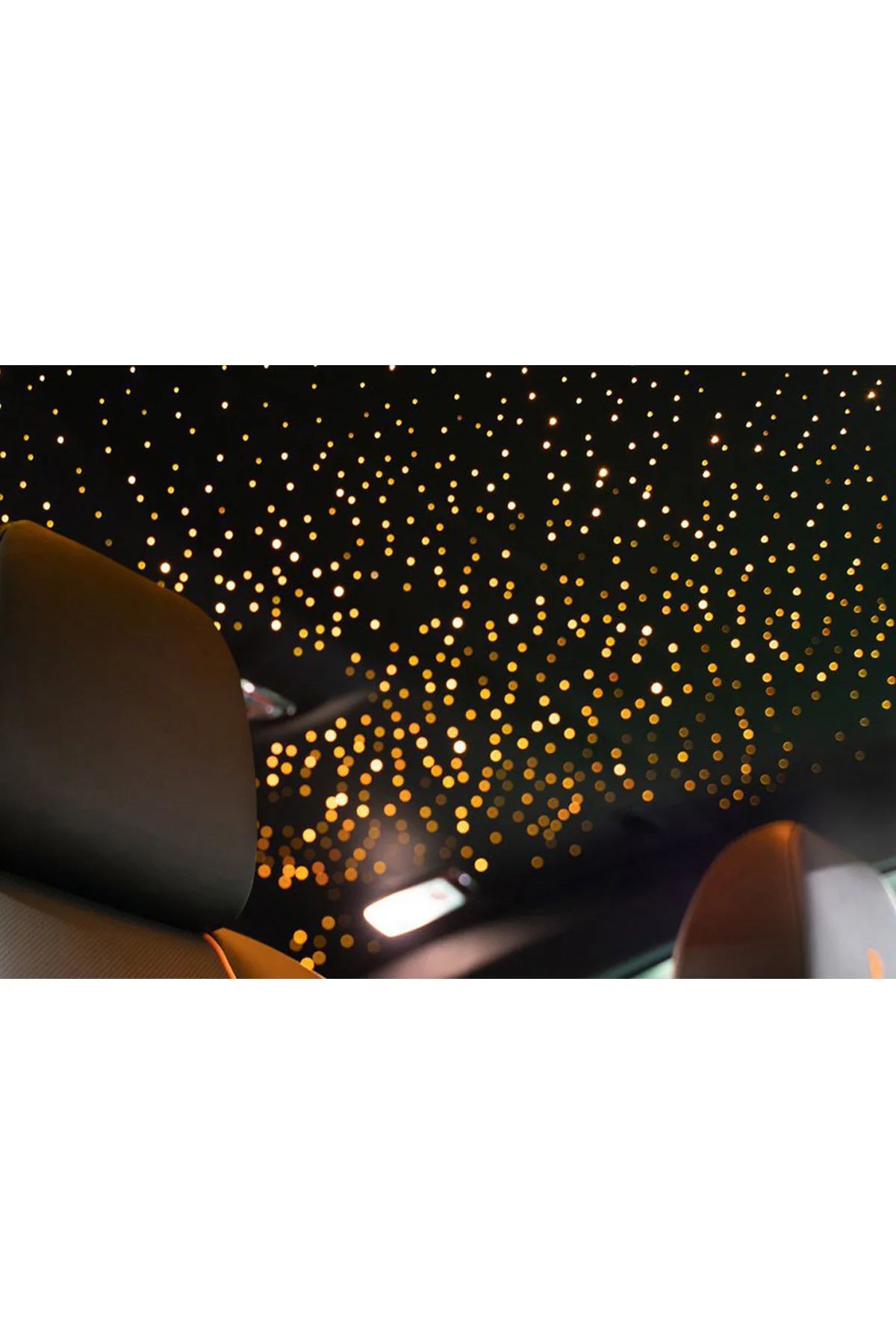
When it comes to fiber optik lighting projects, a common comparison arises: delicate, slender cables or bold, powerful thick fiber cables? To be honest, when making this comparison, one of the most important questions that comes to mind is 'Which light source is compatible with thick fiber cables?'. However, in 2026, the favorites for luxury venues and permanent installations are undoubtedly thick cables. Therefore, the question of which light source is compatible with thick fiber cables is a critical starting point for selecting the right equipment. So, what is the power source that will fuel these massive light highways? The answer to the question Which light source is compatible with thick fiber cables? directly determines the success of your project.
Contents
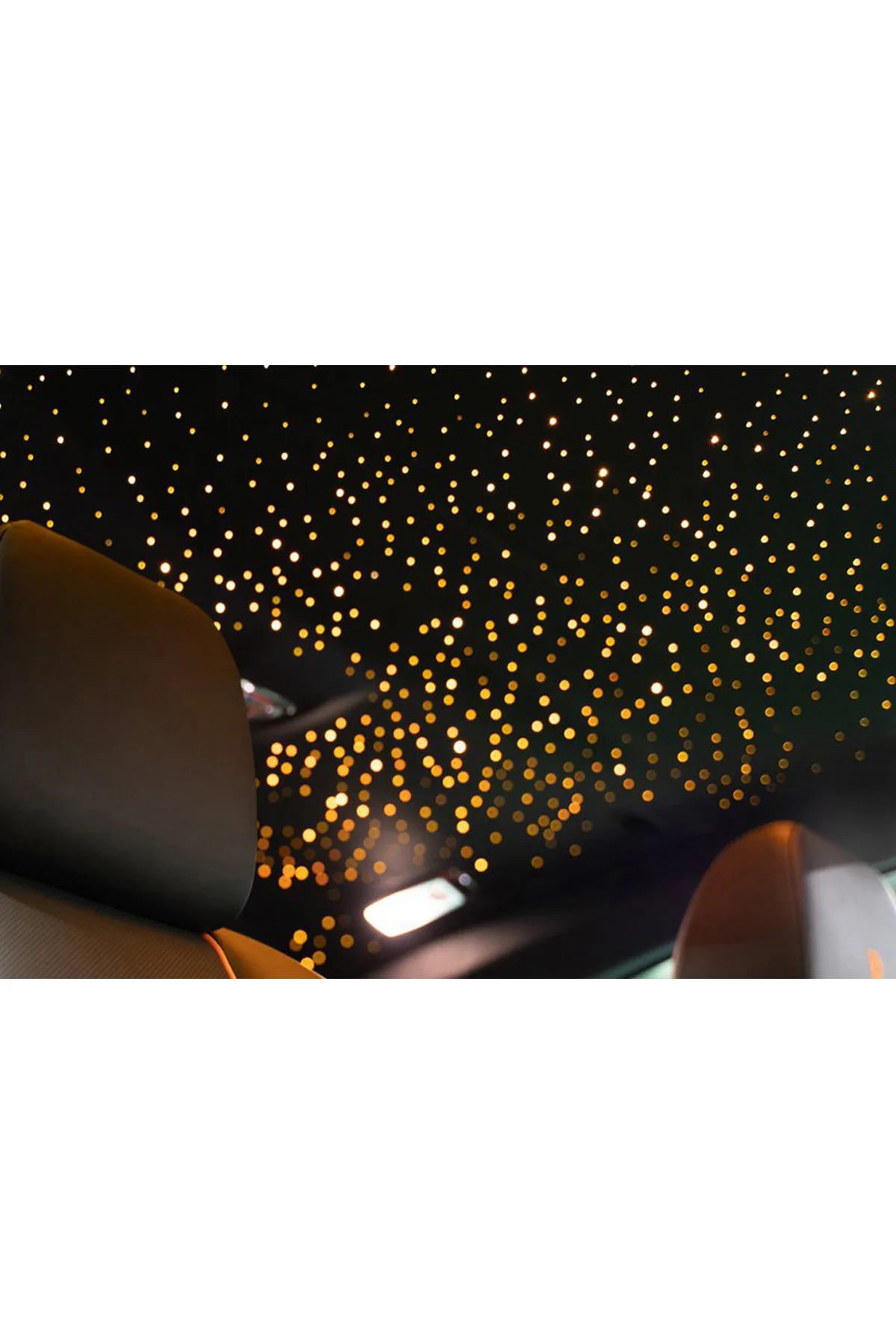
- Which Light Source is Compatible with Thick Fiber Cables? The Basic Answer
- The Most Suitable Types of Light Sources for Thick Fiber Cables in 2026
- 5 Critical Technical Criteria for Selecting a Light Source Compatible with Thick Fiber Cables
- 2026 Architectural Trends: Which Light Source is Compatible with Thick Fiber Cables?
- Practical Project Suggestions: Which Light Source is Compatible with Thick Fiber Cables?
- Frequently Asked Questions (FAQ): Which Light Source is Compatible with Thick Fiber Cables?
- Conclusion and Expert Advice: Make the Right Decision for Your 2026 Project
At the heart of this question, you will find the best light source solutions to make thick cable systems efficient. However, we are focusing on the question Which light source is compatible with thick fiber cables? so that you can make the most accurate choice.
Which Light Source is Compatible with Thick Fiber Cables? The Basic Answer

Let me put it in the simplest terms: A light source compatible with thick fiber cables is a professional LED source with high lumen output (100W and above) and a wide light output aperture (3cm-4cm diameter), featuring a robust cooling system. This definition, where every word is worth its weight in gold, should never be overlooked.
The Necessity of High Lumens and a Wide Output Aperture
Thick cables carry either a greater number of fibers or wider single fibers. Naturally, this results in extreme "light hunger." Consequently, if you feed them with a weak source, the result is disappointing: dim, ineffective lighting. Therefore, the lumen power of the source should be your top priority. For example, the source's output aperture must be wide enough to fully encompass the end surface of the cable bundle. Otherwise, the center will be bright while the edges remain dark—an unacceptable error in terms of homogeneity.
Definition of Thick Cable: Diameter and Light Carrying Capacity
In the market, the term "thick" generally applies to optical fibers with a diameter of 2.00mm and above. Indeed, industrial cables with diameters of 3.00mm or 4.00mm are essentially light strips. Therefore, think of it this way: a single 3.00mm cable carries almost 5 times the light of a standard 0.75mm cable. That's why, when selecting a source, the first step should be to examine the technical specifications of your thick cable and its total light transmission capacity.
Light Source Options Compatible with Thick Fiber Cables: The Most Suitable Types for 2026
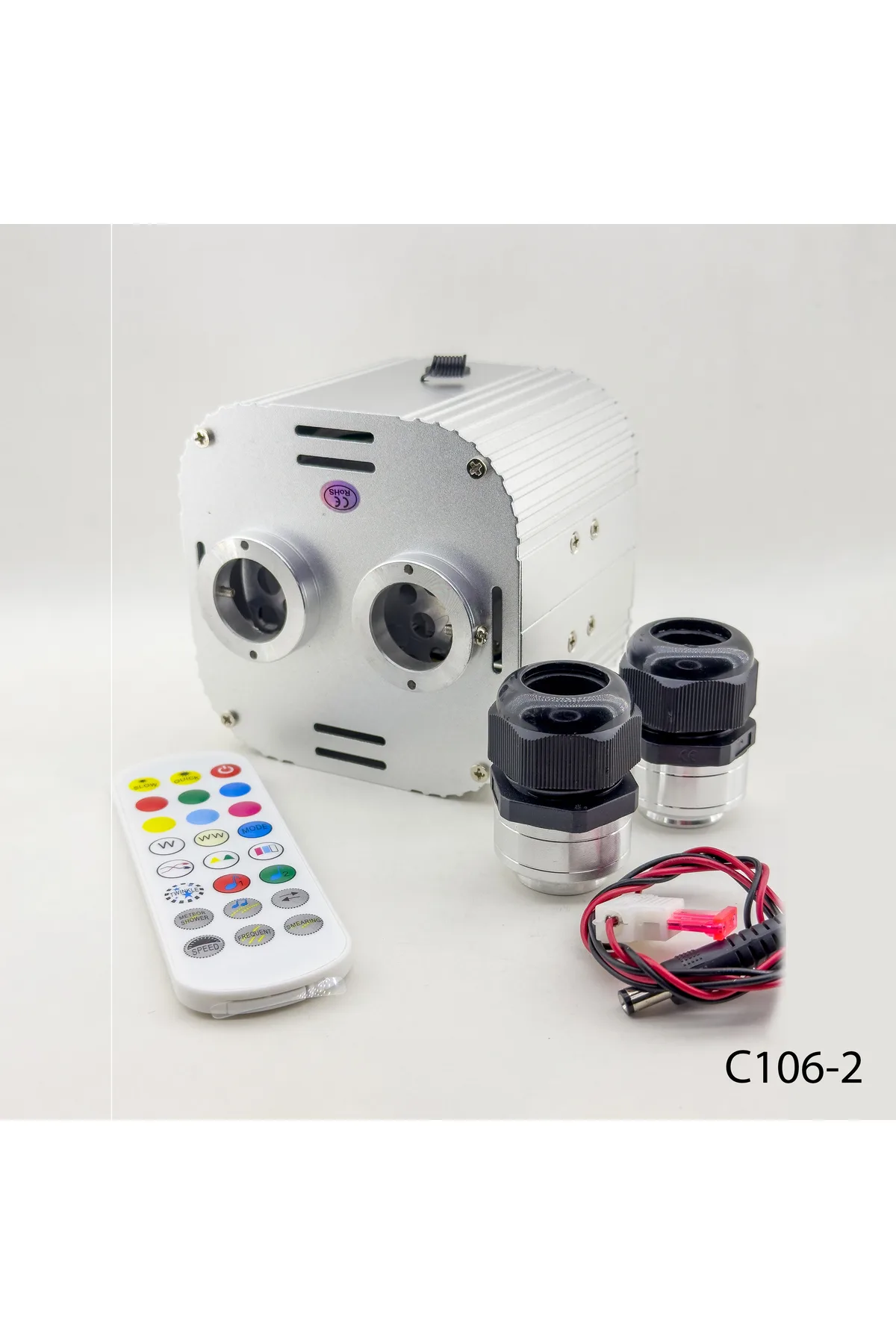
Direct Answer: The types of light sources compatible with thick fiber cables are high-power fixed white LED, RGBW color-changing, and ARGB pixel control sources. Therefore, in 2026, these sources, with power up to 150W, output apertures up to 45mm, and smart control options, are making a splash for luxury and permanent projects.
High-Power Fixed White LED Sources
2026 technology brings to the forefront specialized light source families for thick cables. Additionally, categorizing models based on the effects and solutions they offer is the most logical approach.
Animation Possibilities with RGBW and ARGB Pixel Sources
They deliver excellent results in museum accent lighting, fixed lighting for large pools, or decorative lights in hotel lobbies. Typically operating at a fixed color temperature of 6500K (daylight white) or 3000K (warm white), these sources come into play with power up to 150W. In fact, a single source can brightly and steadily illuminate bundles of thick cables spanning dozens of meters. Moreover, energy efficiency in 2026 models has increased by 25%, significantly reducing long-term operating costs.
5 Critical Technical Criteria for Selecting a Light Source Compatible with Thick Fiber Cables
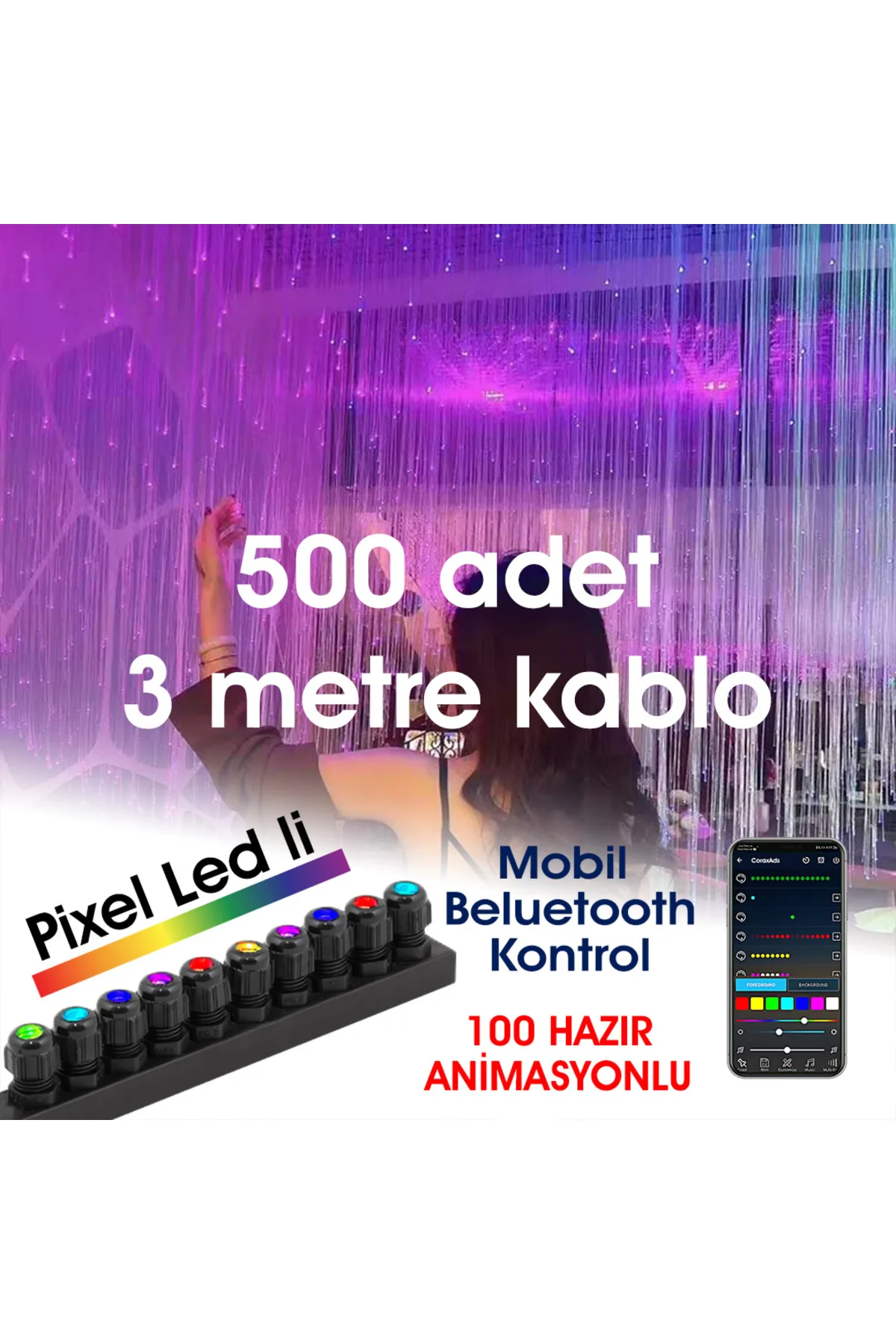
If you're after a dynamic and colorful atmosphere, this is exactly the solution you're looking for. RGBW sources combine Red, Green, Blue, and White LEDs to produce millions of colors and white tones. In short, the real revolution came with ARGB (Addressable RGB) Pixel Light Sources. That is, with a 9 or 30-output ARGB Pixel source, you can independently control each thick cable bundle connected to an output. The result? Shooting stars, color waves, or synchronized light shows on your ceiling! Therefore, the advantages of an RGB+W fiber optik light source multiply in such projects.
- Output Aperture Diameter and Cable Bundle Compatibility: The diameter of the source's output aperture (e.g., 40mm) should be at least 1-2mm wider than the total diameter of all the thick cables when bundled. A tight connection leads to light loss and overheating.
- Total Lumen Output and Cable Capacity: The source's lumen value must be high enough to compensate for losses due to cable length (light loss) and the number of cables. For example, a 50-meter run of 3.00mm cable may require a source with at least 12,000 lumens of power.
- Active/Passive Cooling System: High power means high heat. For models above 100W, a quiet fan (active) cooling or a high-quality aluminum heat sink (passive) cooling system is essential. Heat is the number one enemy that directly shortens LED lifespan.
- IP Protection Rating (Ingress Protection): Consider the environment where the source will be installed. For outdoor or underwater applications, an IP67 or IP68 protection rating, certifying resistance to dust and water, is mandatory.
- Control and Integration Flexibility: DMX512 protocol, RF remote control, WiFi, and even smart home system integration (e.g., Tuya, DALI) have become indispensable for 2026 projects. How controllable your source is defines the limits of your creativity.
| Model Type | Recommended Power Range | Output Aperture Diameter | Best Use Area | Standout Feature in 2026 |
|---|---|---|---|---|
| High-Power Fixed White | 100W - 200W | 35mm - 45mm | Museum, Pool, Static Decorative Lighting | 95% Color Rendering Index (CRI) and Dimmable structure |
| RGBW Twinkle/Color Change | 80W - 150W | 30mm - 40mm | Restaurant, Cafe, Dynamic Ceiling Lighting | 16 Million+ Colors, Synchronized Twinkle Effect, Remote Control |
| ARGB Pixel (9/30 Output) | 150W - 300W (Total) | 9x or 30x Separate Connection | Shooting Star Ceiling, Interactive Art Installations | Independent Control of Each Cable, Animation Programming via Software |
| IP68 Underwater Source | 50W - 120W | 30mm - 40mm | Underwater Pool, Fountain, Exterior Facade Lighting | Fully Waterproof Housing, Passive Cooling, Corrosion Resistant |
"In 2026, choosing 'thick cable' means not only more light but also longer lifespan and lower total cost of ownership. When paired with the right source, these systems can operate flawlessly for over 12 years. Today's luxury projects are investing in this durability."
2026 Architectural Trends: Which Light Source is Compatible with Thick Fiber Cables?
Direct Answer: When selecting a light source compatible with thick fiber cables, the five most critical technical criteria are output aperture diameter, total lumen output, cooling system, IP protection rating, and control flexibility. Our field experience shows that these criteria directly determine the project's lifespan and performance.
Luxury Commercial Spaces Seeking the 'Wow Effect'
Choosing the right source comes down to understanding this five-point checklist. Each item is essential for your project's longevity and performance.
Permanent, High-Investment-Value Decorative Solutions
Direct Answer: In 2026 architectural trends, light sources compatible with thick fiber cables are preferred to create a 'wow effect' in luxury commercial spaces and to offer permanent, high-investment-value decorative solutions. This trend makes professional LED sources that provide powerful and homogeneous light distribution mandatory.
Practical Project Suggestions: Which Light Source is Compatible with Thick Fiber Cables?
Thick fiber cables are no longer just a technical necessity but a conscious design choice. Consequently, 'permanence,' 'impact,' and 'experience' stand out in 2026 architecture. The intense and homogeneous light provided by thick cables comes into play right here. Furthermore, the success of these trends depends on choosing the right light source compatible with thick fiber cables.
Large Area Star Ceilings and Shooting Star Systems
Imagine a premium boutique hotel lobby or a wine cellar. The lighting should not be ordinary. It should be valuable and eye-catching, like gold craftsmanship. The seamless, smooth lines of light emanating from thick cables are unmatched in creating a 'wow effect.' They add depth to the space and give an artistic feel.
Underwater and Outdoor Decorative Lighting
Today's project owners do not want to pay for renovation costs 5-10 years later. Thick cables, with their mechanical durability and high light transmission, defy time. In summary, they are becoming part of the building's infrastructure rather than just decoration. With the right light source, this system turns into a real investment.
Frequently Asked Questions (FAQ): Which Light Source is Compatible with Thick Fiber Cables?
What wattage light source is needed to illuminate a single 3.00mm thick cable?
This varies depending on the cable length. The general rule is: For a 3.00mm cable up to 10 meters, a 15-20W LED source may suffice. For 30 meters and above, 50W or more may be required. What's important is that the source's lumen output provides the desired brightness at the cable end. When selecting a light source compatible with thick fiber cables, look at the lumen value, not just the wattage.
I have a wide-aperture source for thick cables, but the light distribution is not homogeneous. What could be the reason?
Let's set aside theory and offer practical solutions for the two most common scenarios I encounter in the field.
What is the fundamental difference between an RGBW light source and an ARGB Pixel source?
Project Description: A realistic night sky with slowly shooting star effects on a 100-square-meter restaurant ceiling.
Cable Suggestion: Hundreds of fiber optik cables with a diameter of 2.00mm or 3.00mm.
Light Source Solution: A single source won't suffice here. My recommendation is a 30-output ARGB Power Pixel Light Source System connected to a main controller. Each output feeds the cables in a specific section of the ceiling. Via software, the color, brightness, and flicker speed of the light on each output can be independently programmed to create a realistic shooting star illusion. This system offers much more advanced control than compact light sources.
Why do light source prices for thick cable systems vary so much on general e-commerce sites?
Project Description: Decorative lighting with blue/green color transitions for the coping stones and underwater area of a private villa pool.
Cable Suggestion: Special gel-filled, high-diameter (3.00mm) fiber cables for underwater use.
Light Source Solution: This project requires two separate sources: 1) An IP67 protected, 100W RGBW source for the pool edge (for color transitions). 2) For underwater lighting, a special IP68 class, passively cooled pool light source is a must. Passive cooling (fanless) is critical for reliability underwater. Additionally, both sources can be controlled synchronously with the same RF remote.
Is it possible to upgrade my existing thin cable system with thick cables and a new source?
There are two most common reasons for this situation: 1) The cable bundle not fitting perfectly into the source aperture and being off-center. You should secure the cable bundle with a connection ferrule and position it exactly at the center of the source. 2) A flaw in the LED chip array of the source. In high-quality professional sources, LEDs are distributed homogeneously. However, in low-quality models, this distribution may be uneven, highlighting how critical light source selection is.
An RGBW source sets all outputs to the same color and effect. That is, all your cables glow red or twinkle simultaneously. In an ARGB Pixel source, each output (pixel) is completely independent. One output can be blue, another red, and another can have a moving effect. This allows for much more complex and dynamic visuals.
Power, cooling system, LED quality, the driver used, and control electronics directly affect the price. A source labeled 50W by manufacturers but actually drawing 20W, without a fan or aluminum heatsink, cannot be priced the same as a genuine 50W, quality fan-cooled source. When comparing on e-commerce platforms, I recommend focusing on technical specifications and genuine user reviews.
Yes, it is possible. However, this should be considered more like installing a new system rather than an upgrade. You need to remove your existing thin cables and install thick cables and their compatible connection components in their place. Then, you can connect the new light source compatible with thick fiber cables. Depending on the project's scale, this process can be as costly as a new installation but offers a much more impressive result.
Conclusion and Expert Advice: Make the Right Decision for Your 2026 Project
As you can see, there is no single answer to the question which light source is compatible with thick fiber cables. Your project's scale, budget, desired effects, and installation environment determine the most suitable model. The common denominator is this: high power, wide aperture, robust cooling, and future-proof control options.
In short, thick cables are indispensable for the luxurious, permanent, and impressive spaces of 2026 and beyond. Pairing them with the right source is the insurance for your investment. In fact, choosing the right equipment handles 60% of the job. The rest is careful installation and programming. To explore our Which light source is compatible with thick fiber cables? collection and seize the best opportunities, visit https://CoraxAds.com now.