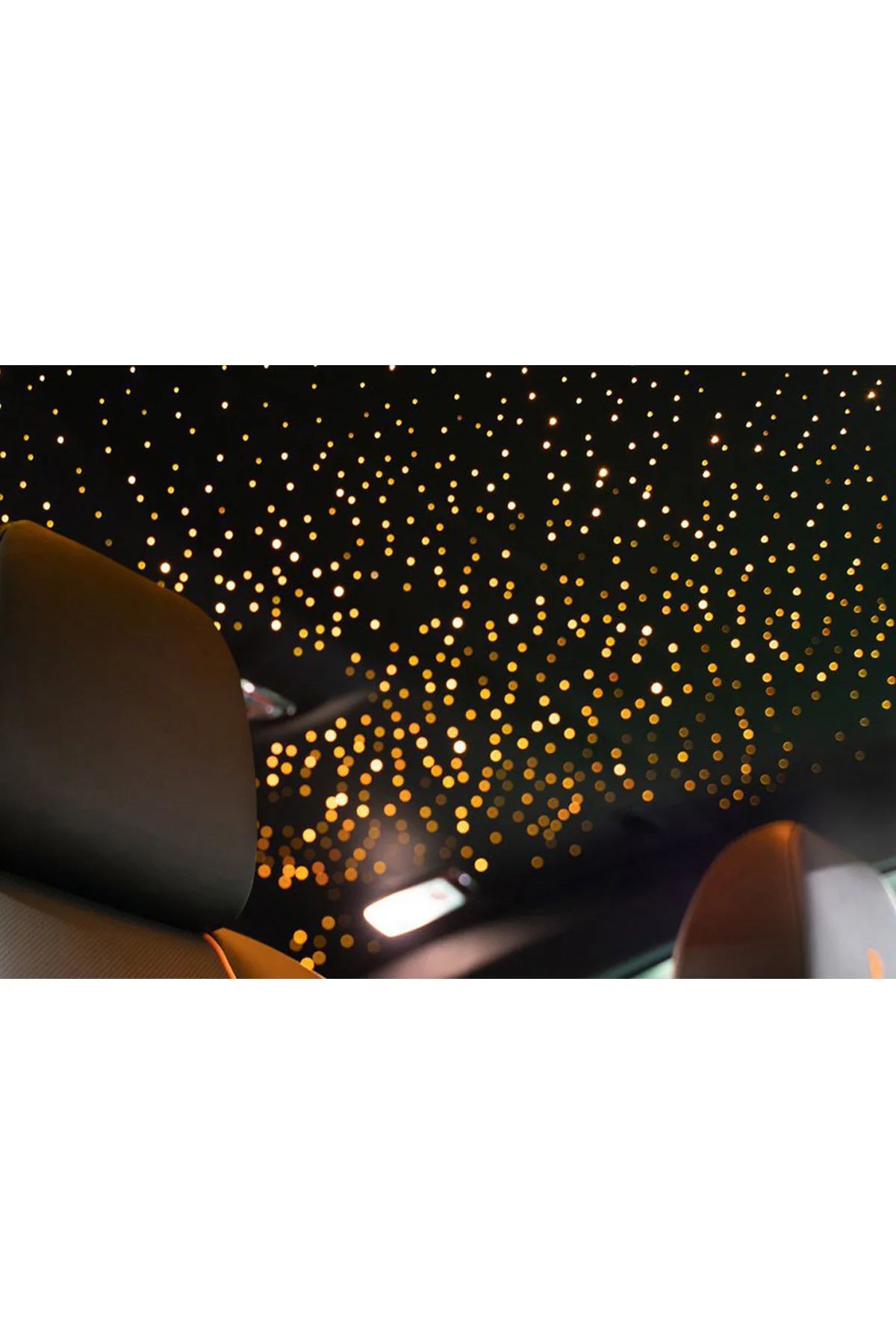
Which light source should you choose for fiber optik ceiling lighting? This is the crucial question that defines both the spirit and technical foundation of your project. So, which is it: LED, halogen, or an RGB projector offering a riot of color? As we step into 2026, the pros and cons of each option have become clear. Ultimately, the right choice can completely transform your space's ambiance while significantly impacting your electricity bill. With over a decade of experience in this sector, I've compiled my observations into this guide to help you navigate toward the optimal light source.
Which Light Source Should You Choose for Fiber Optik Ceiling Lighting?
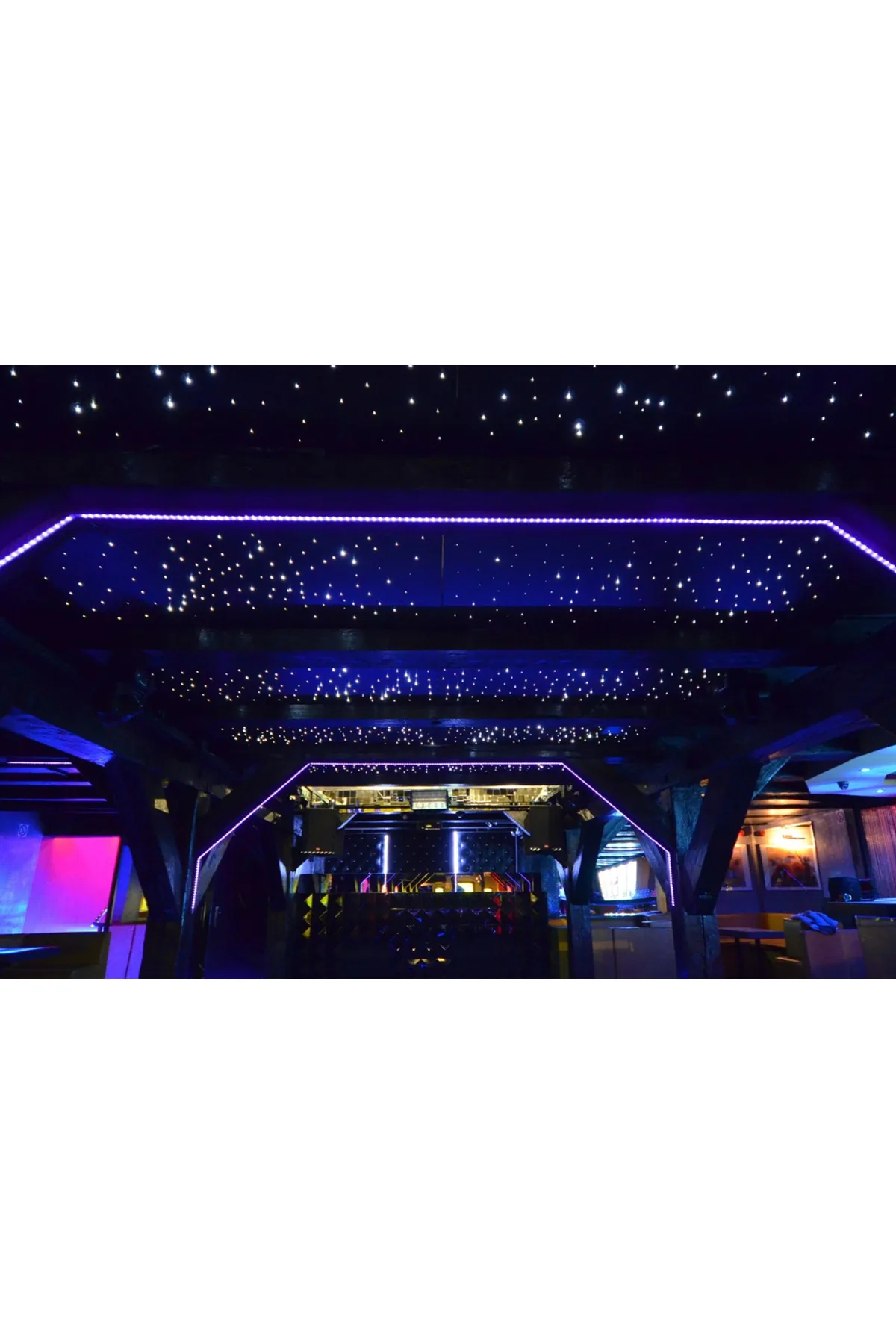
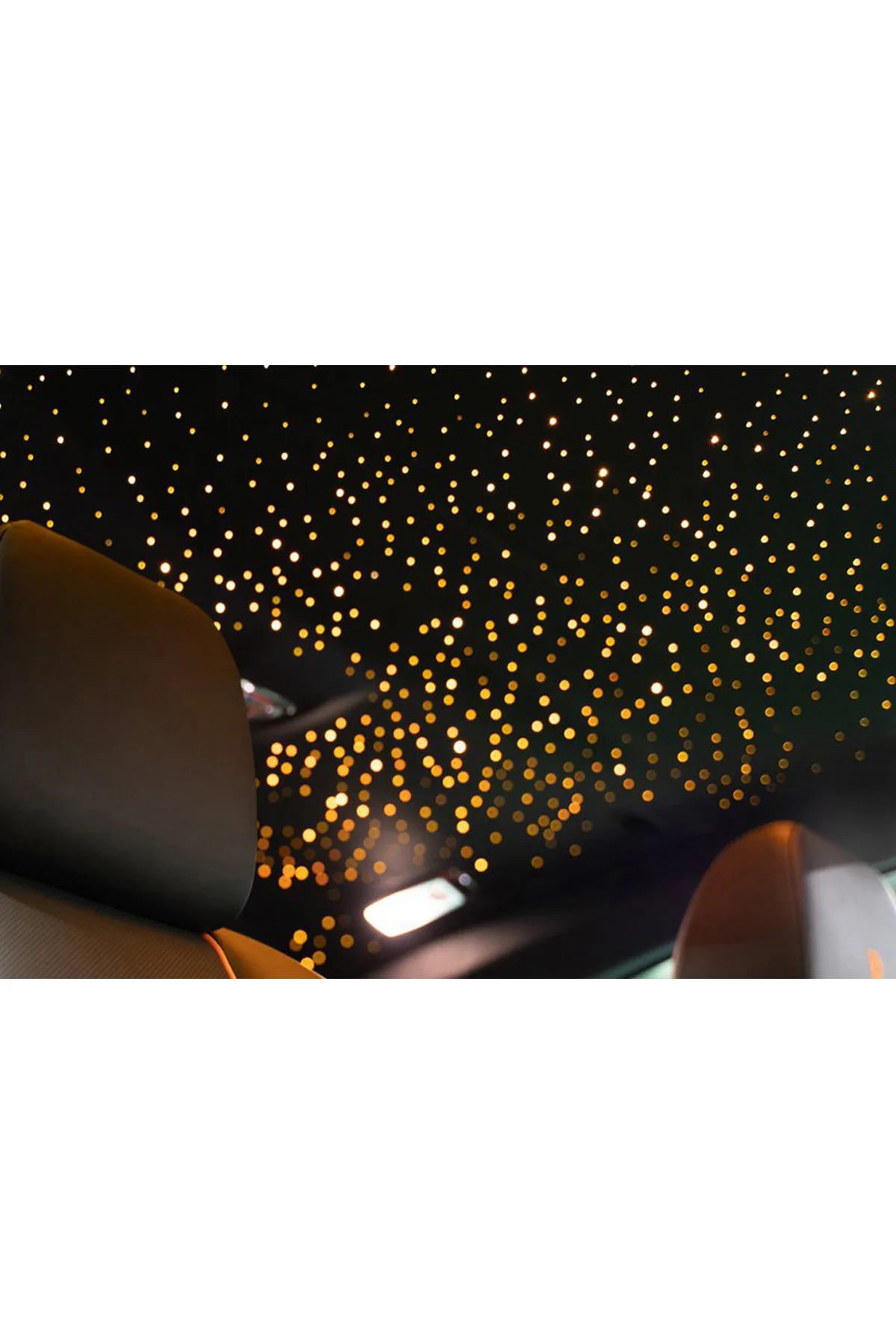
Choosing a light source is like selecting the heart of a star ceiling project. A wrong choice can undo all your hard work. Fortunately, in 2026, our options are quite clear. So, let's take a closer look at these three primary candidates.
LED Projectors: The Modern and Efficient Solution
When it comes to fiber optik ceiling lighting, LEDs are now the first option that comes to mind. Why? The answer is simple: they are unmatched in longevity and energy efficiency. For example, they can offer up to 85% energy savings compared to a traditional halogen source. With a lifespan of 50,000 hours, they promise nearly 6 years of continuous operation. In short, their color range is also broad, offering many alternatives from warm white (2700K) to the cool white (6500K) preferred in offices. Meanwhile, RGB and RGB+W models deliver a veritable feast of color.
Halogen Projectors: The Traditional Alternative
Halogen lights were the darlings of the early years of fiber optik lighting. Today, they are generally chosen for their low initial cost. However, their energy consumption is truly high, and their lifespan is limited to 2,000-5,000 hours. Moreover, they generate significant heat, which makes proper ventilation in the installation area a must. Their warm light around 3000K creates cozy environments, but they may flicker when used with a dimmer.
RGB and RGB+W Light Sources: Colorful Ambiance
Looking for a dynamic and lively atmosphere? RGB and RGB+W projectors are perfect for you. RGB models can produce millions of shades by mixing red, green, and blue. RGB+W models incorporate a separate white LED chip, allowing transitions from pastel tones to pure white. When combined with smart control systems, they can create music-synchronized shows or twinkling star effects. Therefore, they are tailor-made for entertainment venues and hotel lobbies.
Which Light Source Should You Choose for Fiber Optik Ceiling Lighting? Technical Factors

Knowing the type of light source isn't enough for the right choice. You also need to master the technical depths. These factors determine the quality of the visual spectacle you'll create and the system's durability.
Lumen Output and Brightness Relationship
Lumens measure the total amount of light emitted by the source. In fiber optik systems, a portion of this light reaches each fiber end. For instance, consider a ceiling with 100 ends. For each end to receive 10 lumens, you need a source of at least 1000 lumens. However, light loss within the fiber also comes into play. Therefore, it's wise to choose a projector with a lumen rating 20-30% higher than your calculated need.
Color Temperature and CRI (Color Rendering Index)
Color temperature (Kelvin) reveals the character of the light. The warm white range of 2700K-3000K is practically the gold standard for comfortable home environments. The 4000K-6500K cool white range adds vibrancy to dynamic spaces like offices and stores. CRI tells a different story; it measures how realistically light renders colors. A CRI of 90+ makes food look appetizing in restaurants, while 100 is perfection.
Power Consumption and Energy Efficiency
Power consumption directly affects your operating costs. LEDs are far ahead in this regard. An efficient 50W LED can deliver the same brightness as a 200W halogen—that's up to 75% savings. As of 2026, energy efficiency is no longer a luxury but a necessity, good for both the environment and your wallet.
Cooling and Lifespan
Heat is the biggest enemy of light sources. Halogens are very generous in this regard, producing high heat. Without proper ventilation, they can even melt fiber ends. LEDs are cooler; models with passive cooling offer long lifespan guarantees. The lifespan comparison is striking: LEDs last 50,000 hours, while halogens last only 2,000-5,000 hours.
Control Options (Dimmer, RGB, Smart Control)
Controllability is the magic key to lighting. You can dim brightness with a dimmer or change colors with RGB. Smart systems (Wi-Fi, DMX) allow you to program the light or even make it dance to music. LEDs are more compatible with these control options. Using a dimmer with halogens can sometimes cause flickering.
The Effect of Fiber Optik Diameter and Length on Light Source Selection
The fibers that form the basis of your project shape your light source choice. A thin 0.75mm fiber transmits less light, requiring a high-lumen projector. Thick, 3-5mm diameter fibers work more efficiently. On the other hand, the longer the fiber, the greater the light loss. For long-distance projects, choosing a powerful and efficient LED is inevitable. With CoraxAds' fiber optik cable variety, you can adjust these technical details according to your project.
| Light Source Type | Daily Check | Monthly Maintenance | Annual Maintenance | End of Life (Hours) |
|---|---|---|---|---|
| LED Projector | Operation status check | Dust cleaning, ventilation check | Cooling fan check (if present), connection point inspection | 50,000 |
| Halogen Projector | Operation status and overheating check | Dust cleaning, ventilation channel cleaning | Lamp replacement, reflector inspection | 2,000-5,000 |
| RGB/RGB+W LED Projector | Operation status and color change check | Dust cleaning, control software update | Connection point inspection, color calibration | 30,000-50,000 |
Light Source Recommendations by Space Type: 2026 Guide
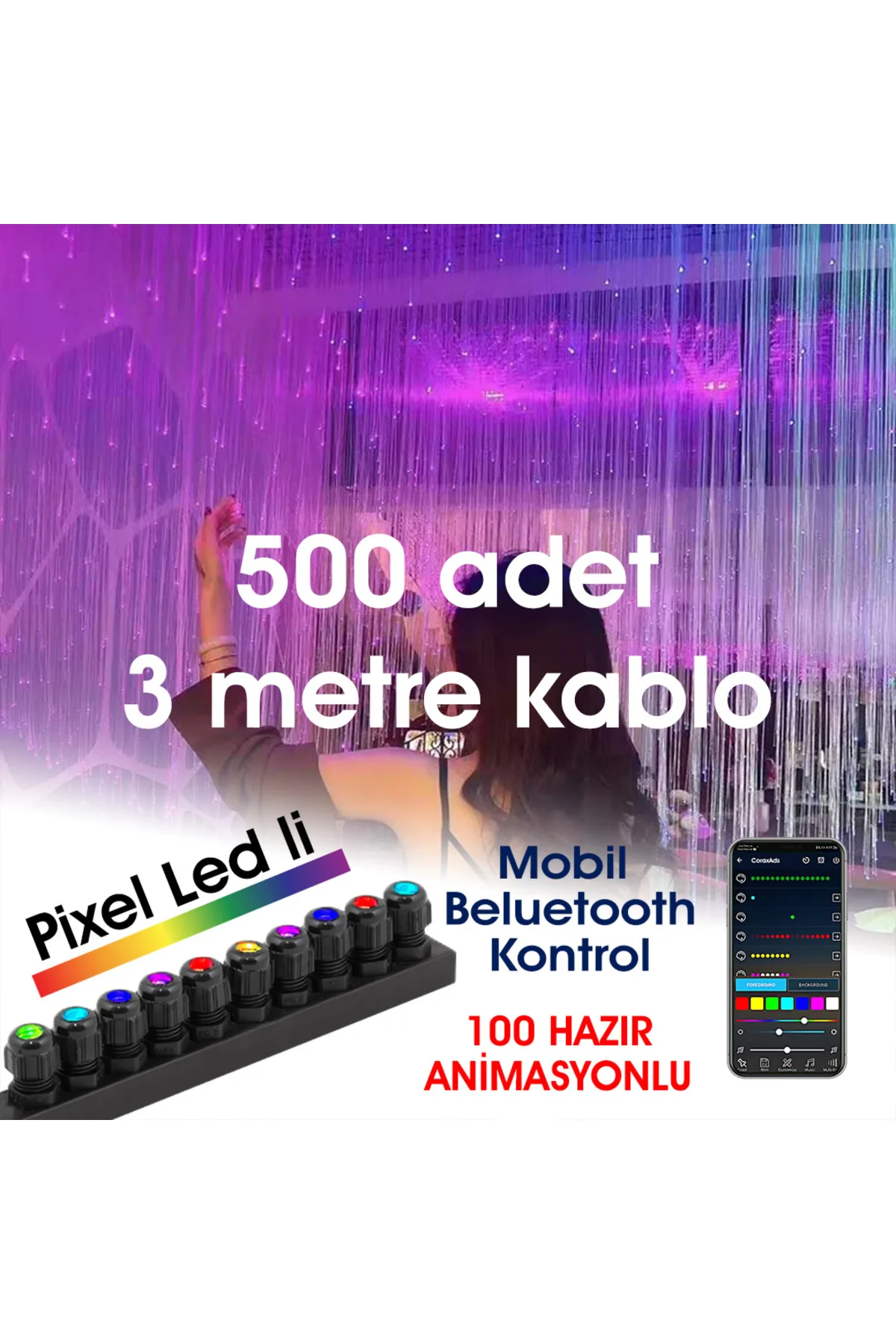
Spaces have a personality. Light is the accessory that completes it. The answer to which light source should you choose for fiber optik ceiling lighting? lies within that space's story. To find the right opportunities, check out the CoraxAds homepage.
Residences and Bedrooms: Comfort-Focused Choice
Our homes are our sanctuaries. For a bedroom or living room, comfort comes first. 2700K-3000K warm white LEDs provide exactly that atmosphere. Add a dimmer feature, and you have perfect control over the light level. Halogens offer a similar warm, cozy atmosphere but cannot compete with LEDs when considering energy bills and short lifespan.
Restaurants and Cafes: Appetizing and Intimate Lighting
Restaurant lighting holds the secret. It must show food colors accurately and add warmth to the space. Therefore, a high CRI (90+) is essential. 3000K LEDs provide energy savings and welcome guests with a sense of sincerity. Slightly brighter sources can be used to highlight tables. Perfect for creating an appetite-whetting ambiance.
Store and Display Lighting: Highlighting Products
The goal in stores is clear: to make products eye-catching. 4000K neutral white LEDs handle this by rendering colors accurately, and their low operating cost during long hours is a bonus. For dramatic effects in displays, high-lumen projectors will do the trick, making products shine.
Entertainment Venues and Hotels: Dynamic and Impressive
If you're looking for excitement, RGB or RGB+W LED projectors are your only option. Bars and hotel lobbies come alive with these color plays. Combined with smart control systems, they enable color transitions and theme effects. Your space can take on a different identity from morning to evening. This is precisely where fiber optik comes in.
2026 Trends: Smart and Connected Light Sources
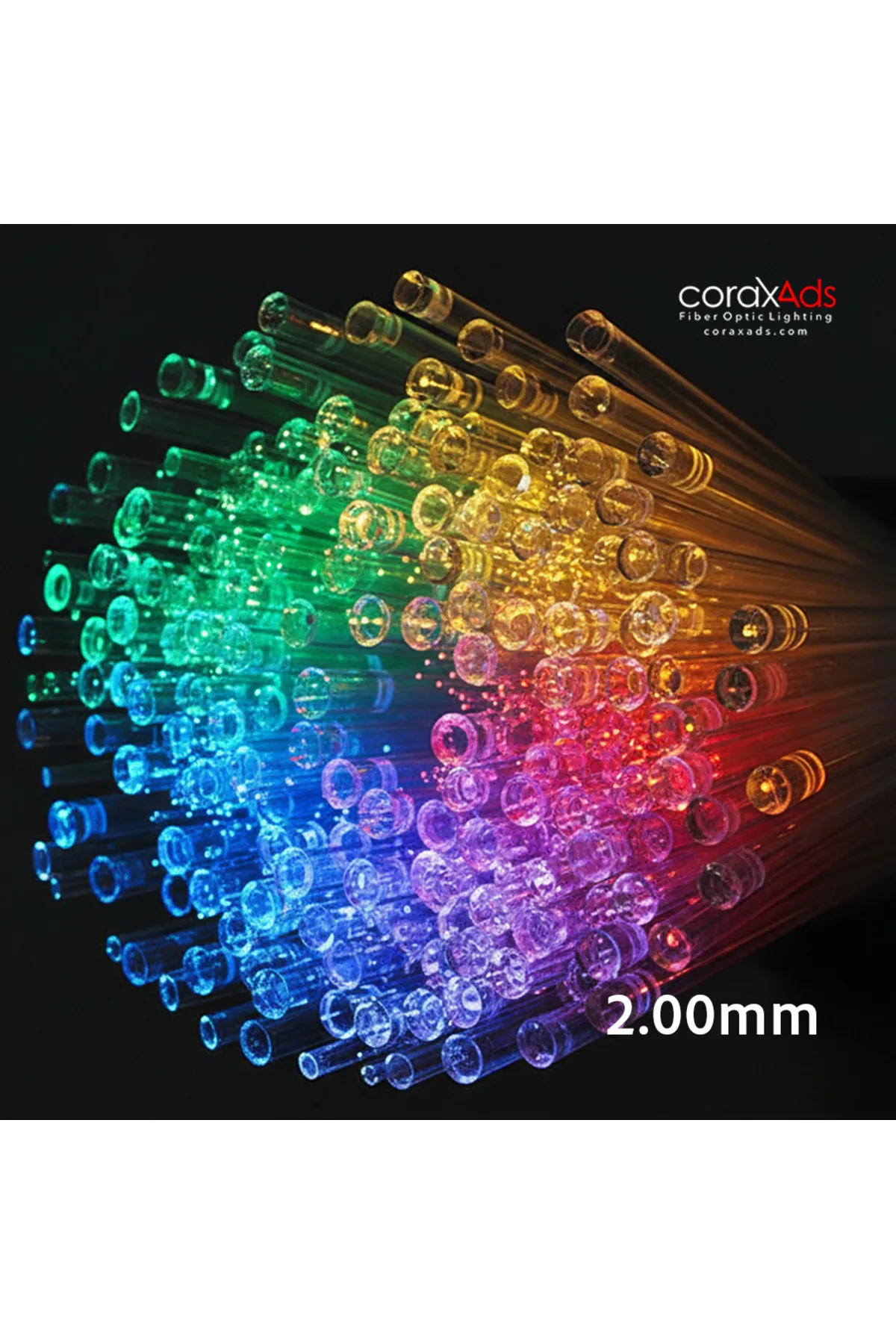
Technology never stops, and lighting evolves with it. Let's look at the trends shaping 2026.
IoT (Internet of Things) Integration
Many LED projectors now connect to your home network via Wi-Fi. You can turn the light on/off or change its color with a phone app. It's even possible to manage them with voice assistants. Say, "Alexa, dim the stars," and the lights in your bedroom will gently fade—a convenience that makes life easier.
Human-Centric Lighting (HCL)
This trend aims for light to adapt to the human body's natural rhythm. Advanced systems automatically adjust the color temperature throughout the day: energizing cool white (5000K) in the morning and relaxing warm white (2700K) in the evening. Ideal for boosting productivity in offices and schools.
Energy Management and Reporting
Smart light sources now also tell you how much energy you're using. This data allows businesses to clearly see savings opportunities, making it much easier to calculate return on investment for large projects. It's good to know where every penny goes.
Which Light Source Should You Choose for Fiber Optik Ceiling Lighting? Cultural and Decorative Importance
For centuries, light has been more than just an illumination tool. It's a symbol, an emotion trigger. The stars in the sky have always been a source of peace and inspiration for humanity. Fiber optik ceilings bring this magic indoors. The light source you choose can either strengthen or weaken this feeling. A warm white LED warms your heart, while a color-changing RGB source excites. Consider the feeling your project will create, not just the technical details.
Which Light Source Should You Choose for Fiber Optik Ceiling Lighting? Budget and Performance Analysis
The final decision is usually determined by budget and the long term. Initial cost doesn't always tell the whole story. Here's a realistic comparison:
- Halogen Projectors: The initial out-of-pocket cost is low. However, high energy bills, frequent lamp replacements, and heat issues cause the total cost to skyrocket.
- White LED Projectors: Initial investment is moderate. In contrast, operating costs are low, and lifespans are long. They typically pay for themselves compared to halogen within 2-3 years.
- RGB/RGB+W LED Projectors: The highest initial cost option. However, the dynamic features they offer, especially in commercial spaces, more than justify the investment. The customer experience is priceless.
In short, halogen might be an option if your budget is very tight and the project is small. However, a long-term, smart investment always favors LED.
Source: tr.wikipedia.org
Pre-Purchase and Installation Checklist
You've chosen the light source. What's next? Don't skip these items during the purchase and installation process:
- Compatibility: Does the projector you're buying physically fit the input adapter of your fiber bundle? Don't buy without testing.
- Power Supply and Transformer: LEDs typically operate on low voltage like 12V or 24V. Ensure you have the correct transformer.
- Ventilation: Is the location where you'll place the projector well-ventilated? This point is vital if installing inside a closed cabinet.
- Accessibility: Will you be able to easily access the light source later? You won't want to dismantle the ceiling when maintenance is due.
- Warranty and Technical Support: Does the product have a warranty? At CoraxAds, we offer warranty and consultancy for every product.
Which Light Source Should You Choose for Fiber Optik Ceiling Lighting? Frequently Asked Questions (FAQ)
What is the biggest difference between LED and halogen in fiber optik lighting?
Frankly, the biggest differences are efficiency and lifespan. LEDs consume much less energy than halogens while lasting 25-50 times longer. Halogens offer lower initial cost and a traditional light warmth.
How can I upgrade my existing system with halogen projectors to LED?
Direct replacement can sometimes cause issues. LEDs can have different electrical requirements. First, have an expert check if your existing transformer and wiring are compatible. We at CoraxAds assist with these conversion projects.
Can I get white light from an RGB LED projector as well?
Yes, you can. "RGB+W" models include a separate white LED chip. This allows both a color spectacle and pure white lighting from the same device. In pure RGB models, white is created from color mixing and may not give you the exact tone you want.
Is the brightness of the fiber optik ends directly proportional to the light source's power (watt)?
Basically yes, but it's not the only criterion. Brightness depends on many factors: the projector's efficiency, the fiber's thickness, length, and quality. An efficient 50W LED can be brighter than an inefficient 100W halogen. So, look at the lumen value, not just watts.
Can I change the location of the light source in a fiber optik system after the project is complete?
Absolutely yes! This is one of the system's best features. The light source is usually located in a technical room or above the ceiling. You can update the entire system by simply replacing the projector without touching the decor. Very practical.
Conclusion and Next Step: Choose the Right Light Source for Your 2026 Project
The right light source determines the soul and efficiency of your fiber optik decor. It's less of a preference and more of a technical decision based on the space's needs.
Over the years, I've seen that there is no single answer to the question, "Which light source should you choose for fiber optik ceiling lighting?" The correct answer is tightly bound to your project's technical details, aesthetic dreams, and budget.
Halogens exist for low budgets and warmth, LEDs for efficiency and modernity, and RGB/W systems for motion and emotion. Whichever you choose, using quality equipment is essential—your project's lifespan depends on it.
At CoraxAds.com, we don't just sell products. We help you plan your project correctly. Send us all your questions, and let's find the most suitable solution together. For professional support, we are always here on the CoraxAds website. Step into elegance. To explore our collection for 'Which light source should you choose for fiber optik ceiling lighting?' and seize the best opportunities, visit https://CoraxAds.com now.