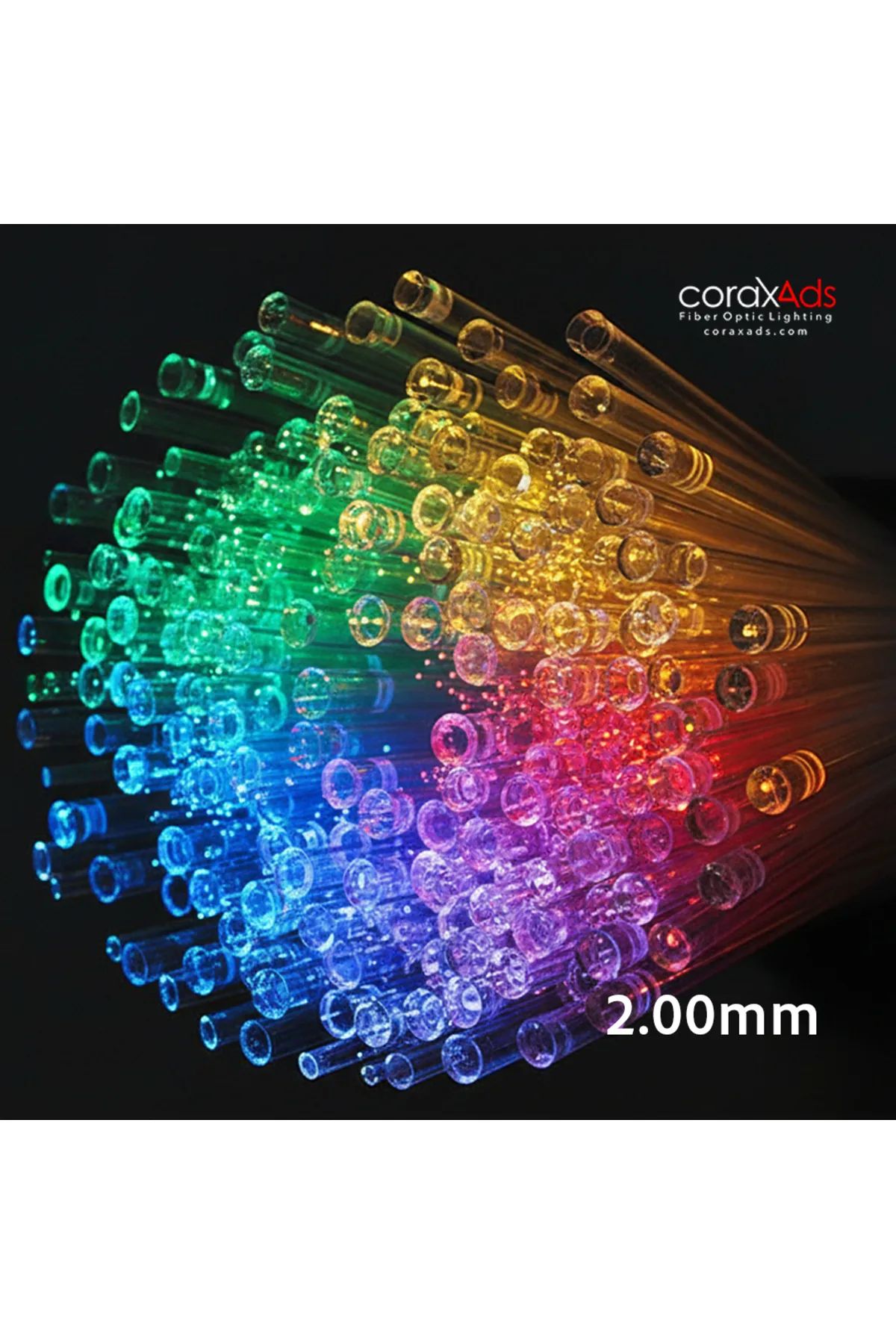
By 2026, the number of fiber internet subscribers in Turkey is expected to surpass 18 million, with nearly 65% of households having access to this technology. This figure is proof not only of fast internet, but also of the widespread adoption of a revolutionary technology that illuminates our homes, offices, and even our vehicles. So, what exactly is the magical "fiber cable" behind this transformation? Without drowning you in technical jargon, I will explain—drawing on over a decade of industry experience—how this technology has become indispensable in both communication and creative lighting.
Table of Contents
- Practical Guide — What is Fiber Cable and How Does It Work?
- What Are the Key Differences Between Fiber Cable and Copper Cable?
- What Are the Applications of Fiber Cable in 2026?
- 5 Critical Criteria to Consider When Choosing Fiber Cable
- Why is Fiber Cable Internet Connection Faster and More Secure?
- Frequently Asked Questions About Fiber Cable (2026)
- Conclusion and Recommendations
Practical Guide — What is Fiber Cable and How Does It Work?
In essence, a fiber cable is a special transmission medium that carries data or pure light as optical signals through glass or fiber optik strands, which can be thinner than a human hair. It is fundamentally different from traditional copper cables because it uses light instead of electricity. In fact, it's the same core technology behind both your gigabit internet speeds and the mesmerizing starry ceiling in your bedroom. In short, understanding this cable means grasping the foundation of modern communication and design.
Fiber Cable Types and Structural Features
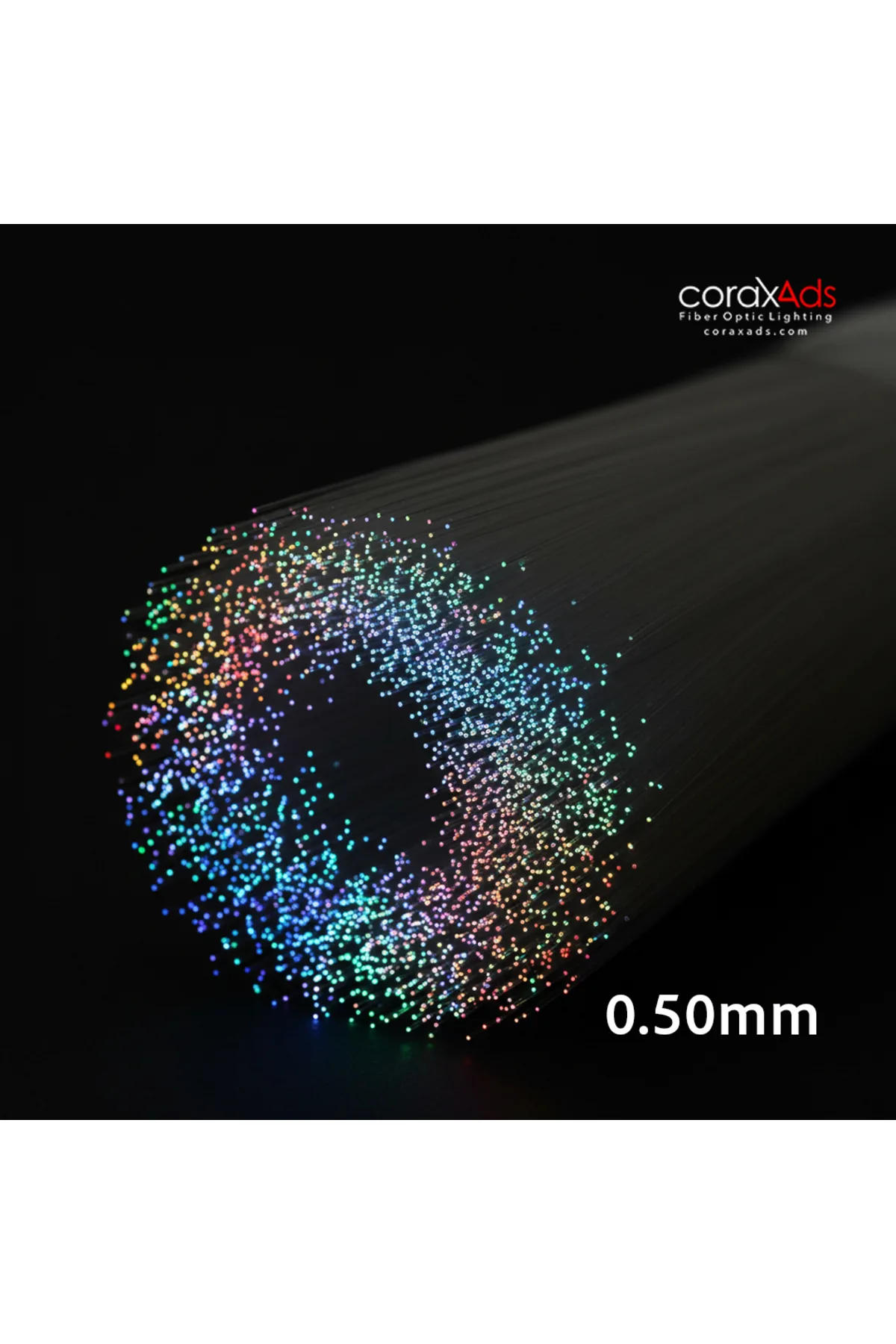
They are generally divided into two main groups: glass-based fibers used for communication and fiber optik (PMMA) fibers used for lighting. Glass fibers are further subdivided into single-mode and multi-mode. Single-mode uses laser light to transmit data along a single path for hundreds of kilometers with almost no loss. Multi-mode, with its wider core, uses LED light to provide high capacity over short distances (like in data centers). In decorative lighting, PMMA (Polymethyl Methacrylate) fibers reign supreme. They are flexible, durable, and cost-effective. For example, a 0.50mm diameter, 6000-meter PMMA end-glow fiber optik cable can create thousands of bright points on a shopping mall ceiling.
Moreover, each fiber cable type possesses characteristics stemming from this fundamental material difference.
"Fiber optic technology is one of those rare engineering marvels that allows information and light to speak the same language. It is the common denominator that enables us to have uninterrupted video conferences today and relax under a starry ceiling in the evening." - Lighting and Communication Systems Specialist
Light Transmission: The Basic Working Principle
Everything relies on the principle of "Total Internal Reflection." A fiber optic cable consists of a central "core" surrounded by a lower-density "cladding" layer. When light enters the core at a specific angle, it reflects inward every time it hits the cladding. Like a ball bouncing down a pipe, this allows the light to travel along the cable. As a result, signal strength experiences very little loss and is unaffected by external magnetic interference. This is why fiber cable systems are the ideal solution for long-distance data links or complex decorative lighting projects.
SEO Summary: A fiber cable is a transmission system that carries light by reflecting it within a glass or fiber optik channel. There are two main types: glass fibers for long-distance data communication and PMMA fiber optik fibers for flexible, economical decorative lighting.
What Are the Key Differences Between Fiber Cable and Copper Cable?
This comparison is the clearest way to understand why the world is moving to fiber. However, copper still has its own niche areas. When it comes to performance and future-proofing, fiber cable is clearly ahead.
Speed, Distance, and Security Comparison
The core of the matter is this: copper pushes electrons; fiber flies photons. This fundamental difference creates massive performance gaps. On the other hand, both cable types have their own strengths. But as demands increase, we see this balance shifting in favor of fiber.
- Speed and Bandwidth: While the fastest copper (Cat 8) can theoretically reach 40 Gbps, the practical distance is very limited (30m). In contrast, single-mode fiber cable maintains performance over tens of kilometers at speeds of 100 Gbps and above.
- Distance and Signal Loss: In copper, the signal weakens as distance increases, requiring repeaters. In fiber, the light signal attenuates much less. For example, a copper cable suffers significant signal loss over 100 meters, while loss in a fiber of the same length is almost imperceptible.
- Security and Interference: Copper cable can act like an antenna, picking up external electromagnetic interference (EMI) or causing interference to nearby devices. There's also a risk of data leakage if tapped. In contrast, fiber cable is completely electrically isolated. It is neither affected by lightning nor picks up interference. Physically tapping the cable to steal data is nearly impossible.
SEO Summary: Fiber cable offers vastly higher speeds, much longer distances, absolute immunity to interference, and superior physical security compared to copper. Copper remains valid for short-distance, low-budget installations.
What Are the Applications of Fiber Cable in 2026?
Fiber cable is no longer just a communication tool; it is a component of design and quality of life. From a 2026 perspective, it appears in two main ecosystems. Therefore, it plays a central role in our lives both as invisible infrastructure and as a visible design element. Indeed, this versatility makes it unique.
Its Role in Communication and Internet Infrastructure
It is the foundation of everything that comes to mind with "fiber internet." It is used in FTTH (Fiber to the Home) infrastructures by operators like Türk Telekom and Vodafone, in backbone networks forming city grids, and in connecting 5G/6G base stations. In data centers, almost all high-speed connections between server racks are fiber. Additionally, it is indispensable for cable TV broadcasting, security camera systems (especially long-distance and high-resolution), and industrial automation networks. Such a wide range of use highlights how critical a fiber cable network is.
Decorative and Architectural Lighting Applications
This is the area I most enjoy working in. Fiber cable is an extremely safe lighting tool that allows for unlimited creativity because it does not conduct electricity or generate heat. Thus, you can confidently choose it for wet areas and sensitive environments. Moreover, its flexible structure offers designers extraordinary freedom. Projects I frequently encounter:
- Starlight Ceilings: In special projects, hundreds of thin fibers extend from a single LED light source and are threaded through holes in the ceiling. This creates a thousands-of-stars effect in the dark. For example, ready-made kits like the VIP YILDIZ TAVAN FİBER OPTİK STARLIGHT MİNİBÜS SET are ideal for luxury vehicle interior ambiance.
- Pool and Underwater Lighting: It is tailor-made to avoid the dangerous combination of electricity and water. The light source is safely positioned at the poolside, and the fibers extend underwater. With a special HAVUZ AYDINLATMA KİTİ (Pool Lighting Kit), you can achieve mesmerizing effects without safety concerns.
- Architectural Accents and Artistic Installations: Widely used in building facade lighting, stair treads, museum display cases, and sculpture lighting.
From a cultural perspective, fiber cable embodies the modern era's myth of "light and information." While fire and torches spread knowledge in history, today both data and aesthetic light are disseminated simultaneously through these tiny glass strands. This symbolic union makes it not just an engineering product, but also a cultural object.
SEO Summary: In 2026, fiber cable is widely used in communication areas like high-speed internet (FTTH), data centers, and 5G infrastructure, as well as in decorative applications such as starlight ceilings, pool lighting, architectural lighting, and artistic installations.
5 Critical Criteria to Consider When Choosing Fiber Cable
Choosing the right fiber optic cable directly determines your project's success. Will you use it for internet or decorative lighting? Here are 5 golden rules distilled from my experience:
Diameter, Material, and Light Source Compatibility
- Define the Purpose Clearly: Glass-based (single/multi-mode) fiber is essential for internet/data communication, while PMMA fiber optik fiber is a must for decorative lighting. This distinction is the most basic step.
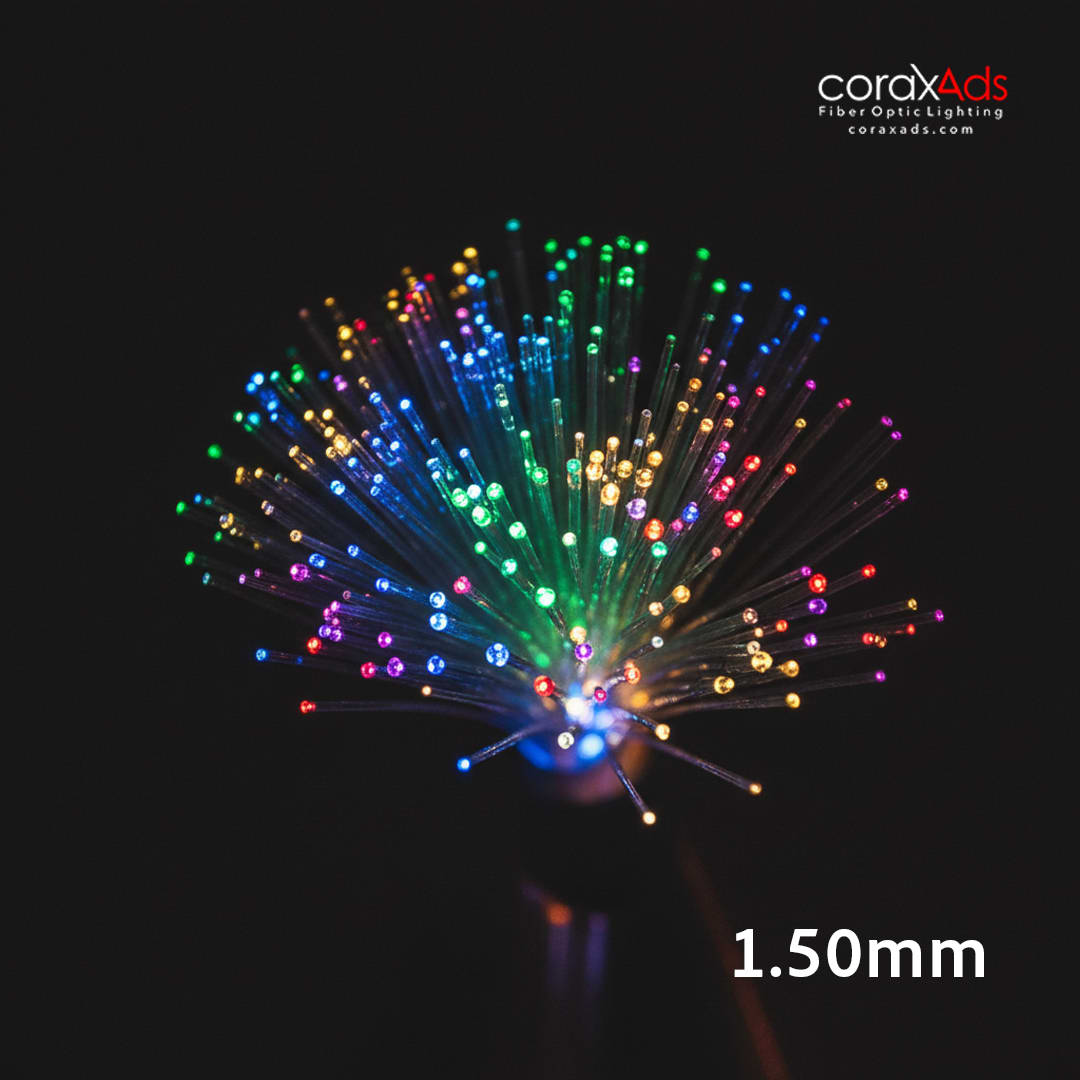
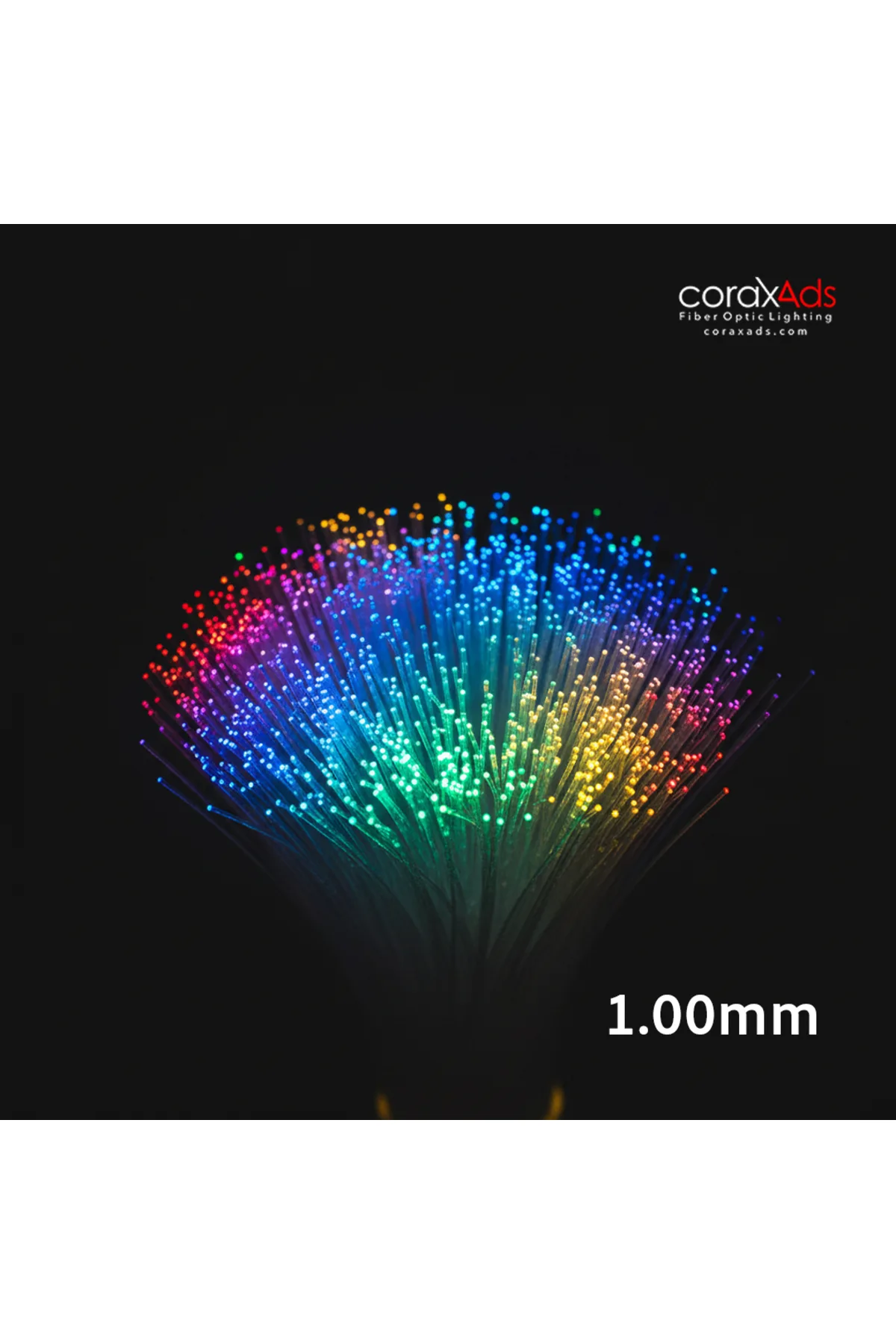
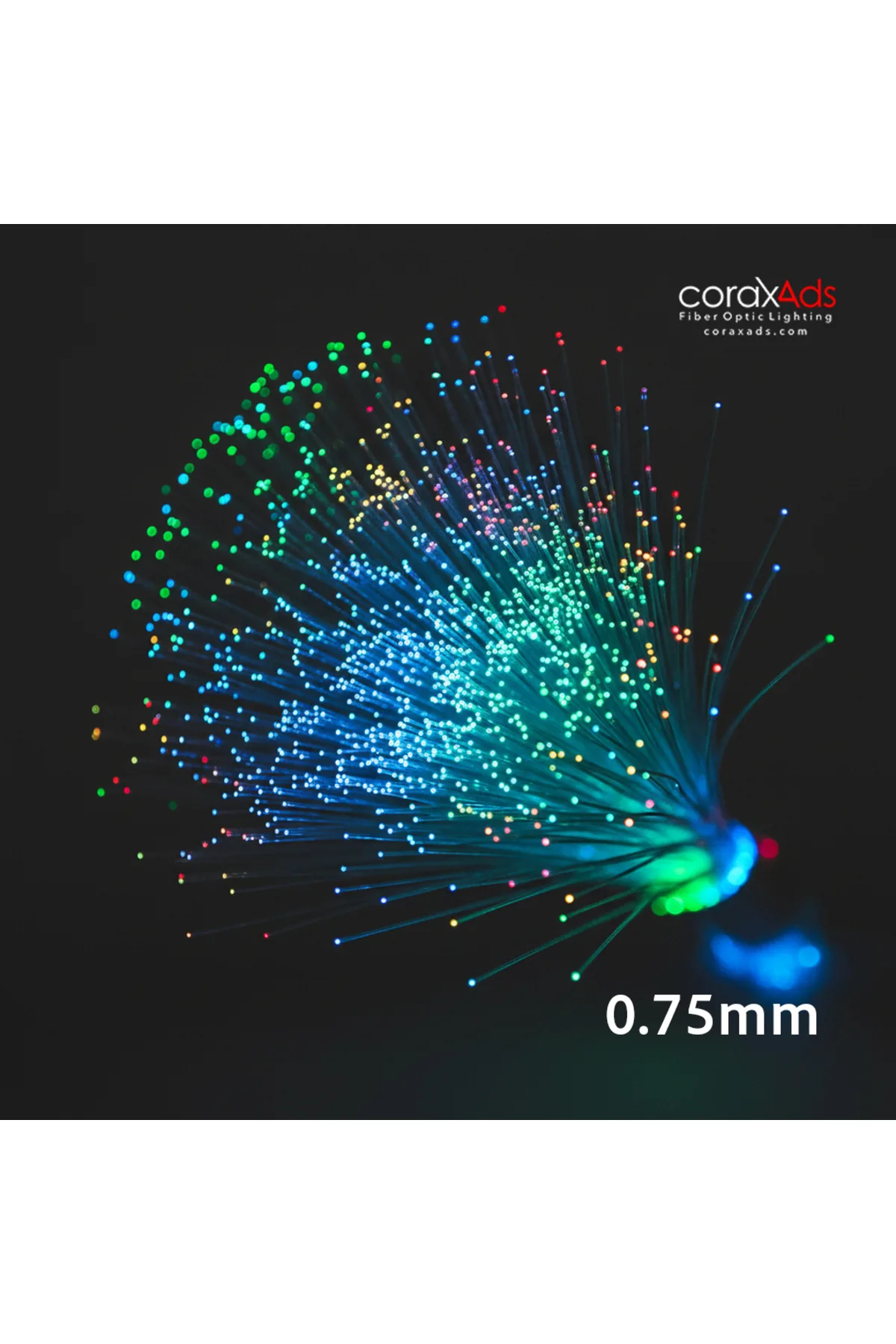
- Pay Attention to Cable Diameter: In decorative lighting, the diameter determines the brightness and appearance of the light output. 0.50mm-0.75mm diameters are for fine, pinpoint star effects; 1.0mm-1.50mm diameters are for more distinct points or short lines; 2.0mm and above diameters are ideal for bright, thick lines or end-glow sconces. We have detailed this topic on our detailed guide for fiber optic light cable selection page.
- Match with Light Source Power: The more fibers and the longer the distance, the more powerful an LED projector you will need. The number of fibers you can power with a 50W source is much lower than with a 150W source.
- Consider Environmental Conditions: For outdoor or underwater applications, special fiber cables with UV-resistant and waterproof sheaths should be selected.
- Think About the Future: For communication projects, choose fiber (at least Single-mode) that will meet your future bandwidth needs. For lighting, remember to purchase spare fibers of the same type in case you need to expand the system later.
These five criteria will protect you from costly mistakes and guide you to the ideal fiber cable choice.
| Cable Diameter | Primary Use Case | Light Character | Approximate Cost Per Meter Range (TL) |
|---|---|---|---|
| 0.50 mm - 0.75 mm | Fine starlight ceiling, Micro pinpoint effects | Pinpoint, weak-medium brightness | 1.50 - 4.00 |
| 1.0 mm - 1.50 mm | Standard starlight ceiling, Small line lighting | Distinct point, medium brightness | 3.00 - 8.00 |
| 2.0 mm and above | End-glow, Thick lines, Sconces | Strong, bright point or line | 7.00 - 15.00+ |
| *Prices may vary based on bulk purchase, brand, and features. Data is for Q1 2026. | |||
SEO Summary: To choose the right fiber cable, you must evaluate: the purpose (communication/lighting), cable diameter, material type, light source power, and environmental factors.
Why is Fiber Cable Internet Connection Faster and More Secure?
The answer to "Why is fiber internet better?" lies in the technology's physical advantages. All the limitations and risks you experience with copper simply vanish with fiber. This is why both home users and corporate firms are increasingly opting for fiber optic infrastructure. However, it's important to know the concrete advantages behind this preference.
Advantages of Data Transmission at the Speed of Light
Light is the fastest known thing in the universe. Carrying data at this speed primarily reduces "latency (ping)" times incredibly. This is vital for gaming, live stock trading, or controlling remote surgical systems. Secondly, the bandwidth is enormous. Dozens of simultaneous 4K streams, cloud backups, and large file downloads proceed smoothly. This capacity is impossible without a fiber cable infrastructure.
Security is a separate topic. Fiber cable does not carry electrical signals. Therefore:
- It is interference-free: A nearby high-voltage line or a powerful motor cannot disrupt your signal.
- It is resistant to lightning: Unless directly struck, it is unaffected by lightning-induced voltage surges.
- Physical tapping is difficult: With copper, data can be intercepted by physically connecting to the cable. With fiber, this requires breaking the cable and aligning it with special equipment with ultra-high precision, which causes an immediate signal loss that can be detected.
Operators like Türk Telekom and Kablonet install a fiber modem (ONT device) for you. This device is a bridge that converts the light signal into electrical signals your home devices can understand. In the background, RF-controlled fiber optic systems operate on a similar logic, allowing you to control the light source remotely. No matter how complex the technology seems, the basic principle is the same: the power of light.
SEO Summary: Fiber internet transmits data at the speed of light, providing very low latency and very high bandwidth. Because it does not conduct electricity, it carries no risk of interference or lightning damage and is much more secure against physical data theft.
Frequently Asked Questions About Fiber Cable (2026)
What is fiber cable and how does it work?
Fiber cable is a cable that transmits data or light as optical signals through the glass or fiber optik strands inside it. The basic working principle is light traveling along the fiber's core via "total internal reflection," allowing the signal to be carried over very long distances with minimal loss.
What are the differences between fiber optic cable and copper cable?
The main differences are: Fiber operates with light; copper with electricity. Fiber is much faster (100+ Gbps), covers longer distances (kilometers), is unaffected by electromagnetic interference, and is more secure. Copper can be used for shorter distances, at lower speeds (10/40 Gbps), and in lower-cost installations.
Why is fiber cable internet connection faster and more secure?
Speed comes from the physical superiority of light. Security stems from fiber not conducting electricity. It neither picks up interference nor can be easily physically tapped, which increases both stability and data privacy.
Where and for what purposes is fiber cable used?
In 2026, it is used for two main purposes: 1) Communication: Fiber internet (FTTH), data centers, 5G infrastructure, cable TV. 2) Decorative Lighting: Starlight ceilings, pool/waterfall lighting, architectural accents, artistic installations, and automotive interior decoration.
What should be considered during fiber cable installation and maintenance?
During installation, avoid sharp bends (<90 degrees). The pulling force should not exceed the manufacturer's limit. Keep connection ends clean and dust-free. Maintenance is simple; protect it from physical crushing, cutting, and excessive heat. Periodically checking connection points and the light source's cooling is sufficient.
Conclusion and Recommendations
In summary, in 2026, fiber cable continues to hold its throne as the most advanced technological method for creating the neural networks of the digital age and illuminating physical spaces in a captivating way. Whether you are a gaming enthusiast or an interior designer, the speed, reliability, and creative freedom offered by this technology will be one of the smartest future-proof investments for your projects. Fortunately, this technology is now more accessible than ever. Ultimately, with the right information and products, you too can be part of this transformation.
Final Word and Call to Action: To explore the right fiber cable solutions for your starlight ceiling, pool lighting, or special decoration project and to get information about the most up-to-date products of 2026, check out our decorative fiber optic lighting trends page. Remember, the right light illuminates not just the space, but life itself.