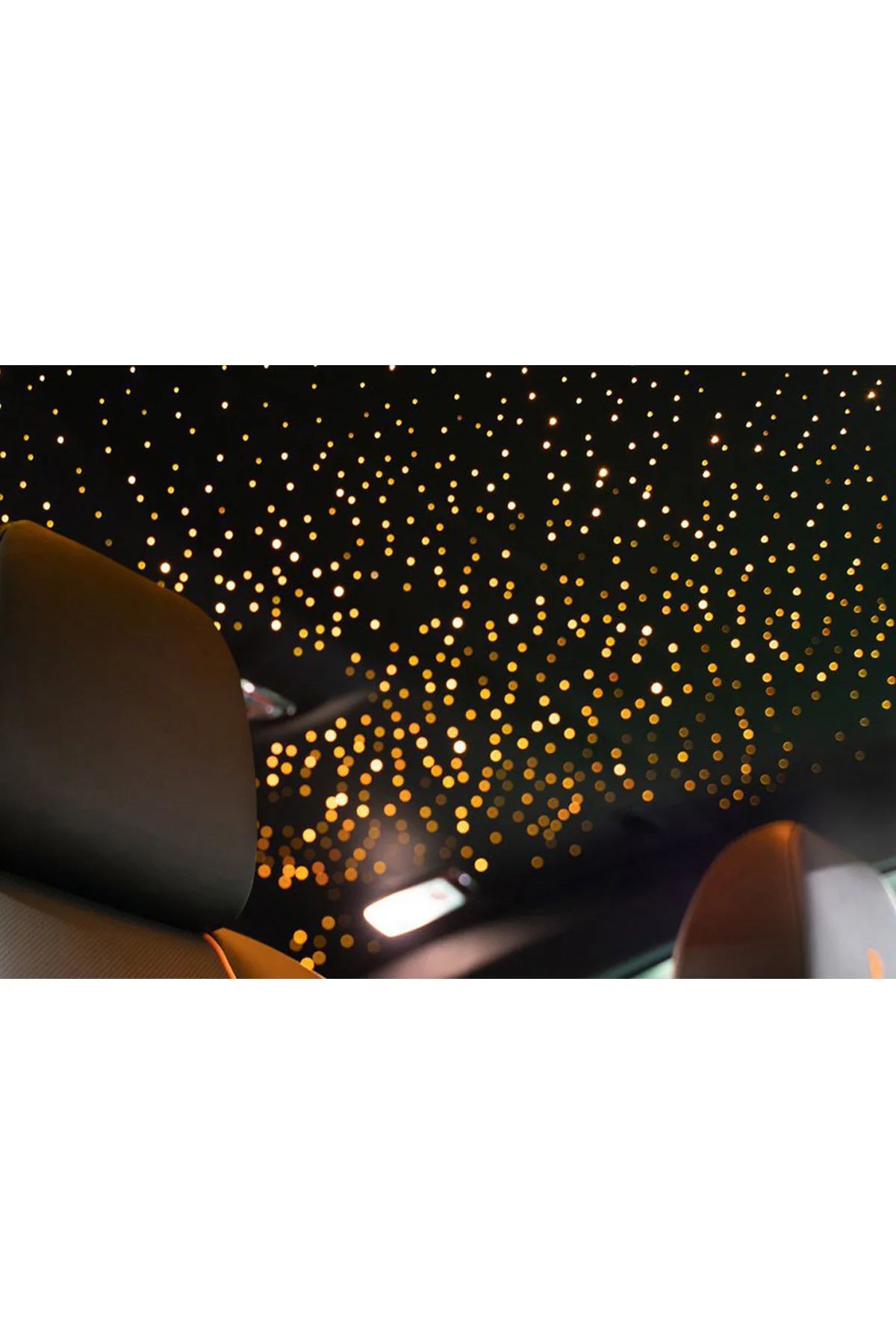
Looking back at the history of lighting, we see a turning point: the Industrial Revolution. Back then, lighting was just for "seeing." However, the frequently asked question today—'What does an industrial fiber optic light source mean?'—lies at the heart of industrial lighting, which has evolved into a complex science intersecting safety, efficiency, aesthetics, and sustainability. It is precisely at this point that we will discuss a technology that has become the backbone of modern projects: the industrial fiber optic light source. So, what exactly does an industrial fiber optic light source mean? In this guide, based on 2026 standards, we will answer this question in detail across five critical topics.
Table of Contents
- What Does an Industrial Fiber Optic Light Source Mean? Basic Definition and Working Principle
- What Does an Industrial Fiber Optic Light Source Mean? 3 Major Advantages in 2026
- What Does an Industrial Fiber Optic Light Source Mean? Which Sectors and 2026 Projects Use It?
- What Does an Industrial Fiber Optic Light Source Mean? 2026 Technical Checklist for Selection
- What Does an Industrial Fiber Optic Light Source Mean? Sets and Ready-Made Solutions for 2026
- 2026 Tips for Industrial Fiber Optic Light Source Maintenance
- What Does an Industrial Fiber Optic Light Source Mean? Frequently Asked Questions (2026 FAQ)
So, what exactly is an industrial fiber optic light source? This system is optimized for high power output, incredible durability, and long-distance lighting. Furthermore, it has become an indispensable part of professional, large-scale projects—a true light engine. Consequently, 2026 technology offers advanced cooling systems, high lumen efficiency, and protection ratings compliant with industrial standards. Most importantly, because light is transmitted through fiber optic cables, it provides electrical isolation—a golden advantage for safety.
What Does an Industrial Fiber Optic Light Source Mean? Basic Definition and Working Principle
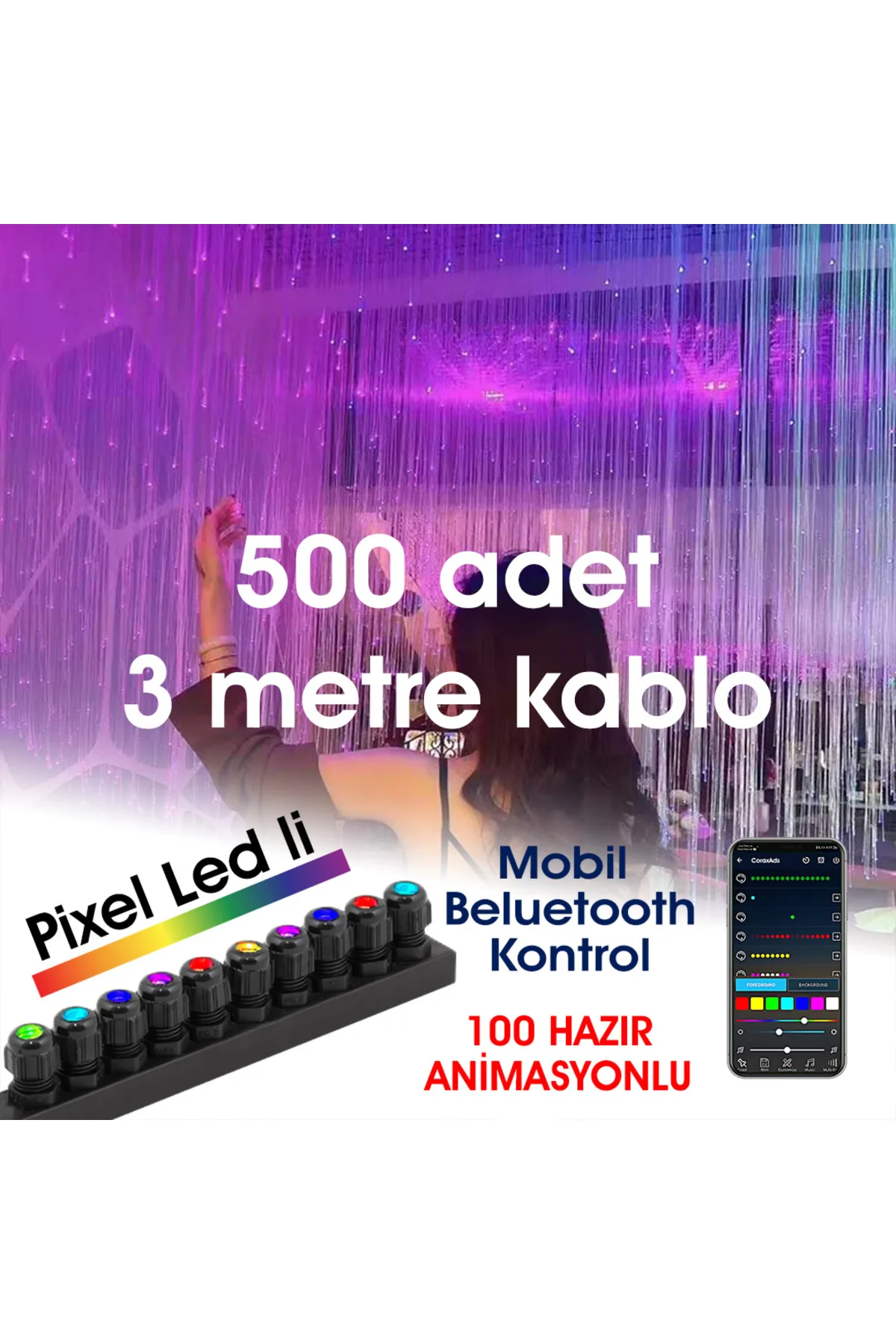

An industrial fiber optic light source actually consists of five core components: the light engine, active cooling system, industrial power supply, control unit, and optical connection interface. Each is carefully selected to deliver dazzling performance even under demanding conditions.
What Are the Components of an Industrial Fiber Optic Light Source?
Three fundamental differences distinguish industrial models from decorative ones: certifications, operational lifespan, and system integration. Here are the details:
- Light Engine (LED Array): A module composed of high-quality LEDs capable of operating flawlessly at high currents. In industrial models, power ratings above 50W are now considered standard.
- Active Cooling System: Fan or liquid cooling systems extend LED lifespan beyond 50,000 hours. While passive cooling suffices for decorative models, active cooling is essential here. Considering performance, this detail is a real lifesaver.
- Industrial Power Supply (Driver): Provides stable power protected against voltage fluctuations and electrical noise. This means the system protects itself even during sudden power interruptions.
- Control and Connection Unit: Offers compatibility with professional protocols like DMX512 and DALI, remote control, and color management options such as the advantages of RGB+W fiber optic light sources. Essentially, this control lets you speak the language of light.
- Optical Connection Interface: Specially designed, dust-proof connectors for high light transmission. End-emitting fiber optic cable selection is critically important here, as light quality begins at this point.
3 Fundamental Differences Between Industrial and Decorative Use
"In 2026, industrial lighting is no longer just a cost item but a strategic investment directly impacting operational efficiency and safety. Moreover, choosing the right fiber optic light source can reduce average maintenance costs over 10 years by up to 55%." - Industrial Lighting Systems Expert
As the expert stated, it's all a matter of investment. So, what are the differences?
- Power and Durability Certifications: Industrial models possess protection ratings like IP65 (dust and water-resistant) and IK08 (impact-resistant), along with certifications such as CE, RoHS, and sometimes ATEX (for explosive atmospheres). These certifications are generally absent in decorative models. In a sense, you could call it a "military standard."
- Uninterrupted Operational Lifespan: They are designed for 24/7 operation cycles. An average lifespan of 70,000 hours is now standard for an industrial model—approximately 40% longer than a decorative unit's lifespan. They promise a long-term relationship!
- System Integration: They can integrate seamlessly with Building Management Systems (BMS), emergency lighting circuits, or sensor networks. A decorative light source typically operates independently, whereas an industrial one is a team player.
So, what are the advantages of an industrial fiber optic light source? For example, in 2026, these systems offer three major advantages: energy efficiency, superior safety, and resilience in harsh conditions. Additionally, thanks to LED technology and smart drivers, energy savings of up to 75% are possible. Thus, safety increases with electrical isolation. Furthermore, thanks to IP67/IK08 protection ratings, they offer a wide operating range.
What Does an Industrial Fiber Optic Light Source Mean? 3 Major Advantages in 2026
Energy Efficiency and Long Lifespan
Industrial fiber optic sources provide up to 75% energy savings compared to traditional halogen or metal halide floodlights. Consequently, 2026 models have achieved 130 lumens/watt efficiency. Moreover, a 70,000-hour lifespan translates to over 16 years of use at 12 hours per day. In short, according to the Energy Efficiency Association's 2025 report, LED systems reduce average energy consumption in the industrial sector by 60% (source). Therefore, it benefits both your wallet and the environment.
Superior Safety and Minimal Maintenance Requirements
The greatest safety advantage of fiber optic systems is the complete isolation of electricity from the point where light is emitted. This feature is vital in environments with vibration or water contact. In summary, because LEDs do not emit UV or infrared light, they can be used with peace of mind in areas containing sensitive materials. As for maintenance, they require almost negligible attention.
High Performance and Durability in Harsh Conditions
Industrial models are tested to operate without performance loss in temperatures ranging from -25°C to +55°C. Furthermore, enclosures resistant to high levels of dust, moisture, and chemical vapors significantly reduce the likelihood of failure. They essentially defy desert storms or heavy rain.
2026 Trend: Smart Control and IoT Integration
The most important trend in 2026 is the full integration of lighting into the Internet of Things (IoT) ecosystem. New-generation sources can monitor energy consumption in real-time, predict failures, and be managed centrally over a network. In addition, your light source no longer just illuminates—it also provides you with data.
Where are industrial fiber optic light sources used? These systems are widely used in industrial sectors that require reliable lighting under challenging working conditions. Primary applications include production lines, warehouses, wet and corrosion-risk areas, as well as safety and emergency exit lighting. Moreover, the elegance and safety everyone deserves are possible with them.
What Does an Industrial Fiber Optic Light Source Mean? Which Sectors and 2026 Projects Use It?
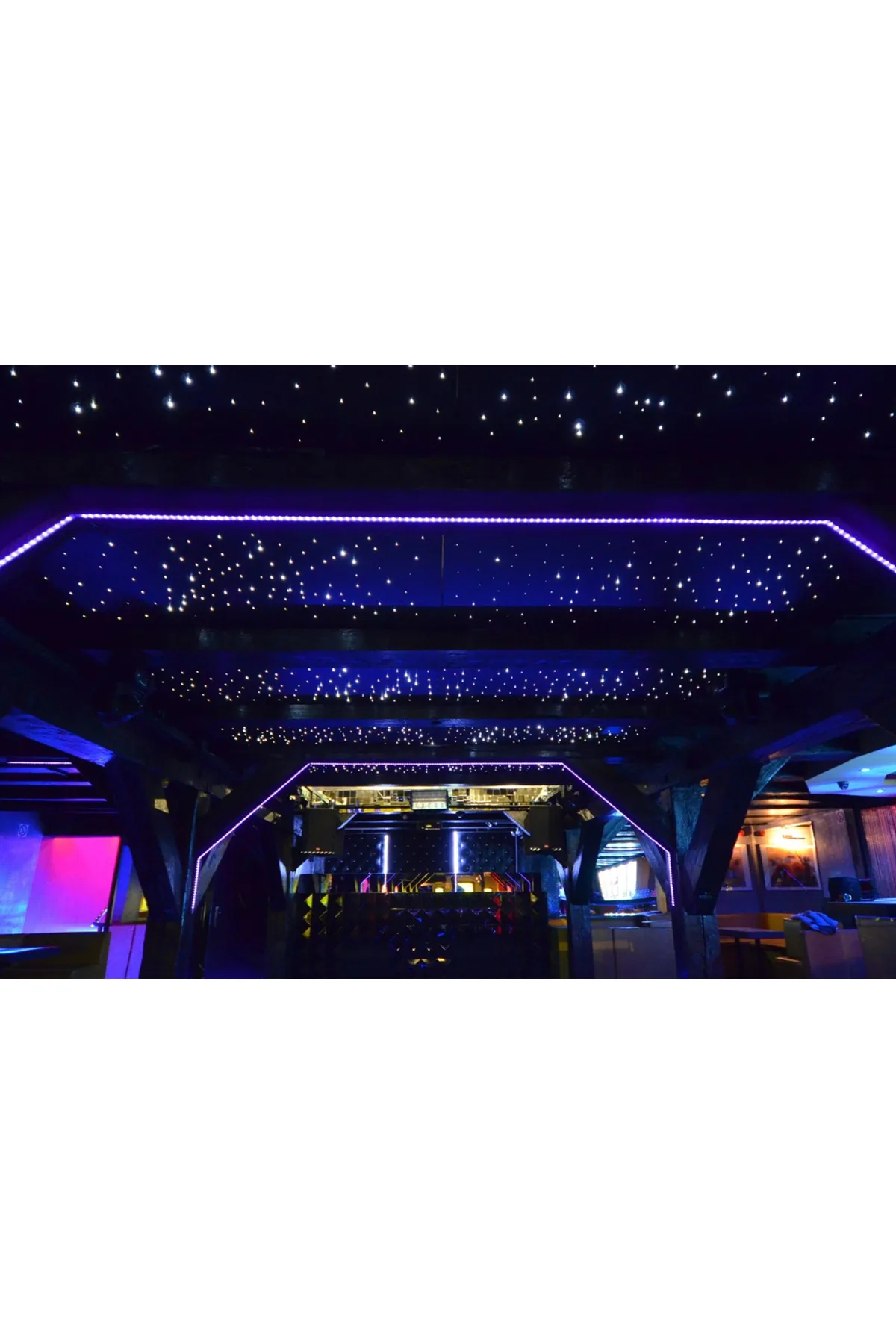
In 2026, industrial fiber optic lighting projects are becoming more complex and integrated. Consequently, special lighting corridors are being designed for smart city infrastructure, traffic tunnels, or the safe passage of Automated Guided Vehicles (AGVs) in automated warehouses. Indeed, we can say the lighting of the future starts today.
- Production Lines and Factories: Provides long-lasting, maintenance-free lighting solutions in environments with high ceilings, dust, and vibration risks. Particularly at sensitive assembly stations, models with adjustable color temperature ensure ideal lighting conditions. It's even possible to reduce worker eye strain.
- Warehouses and Logistics Centers: High-lumen output models save energy while illuminating large areas efficiently and enhancing worker safety. The high-power projectors we offer as part of Corax Ads technical solutions are ideal for such applications. Light illuminates every corner.
- Wet and Corrosion-Risk Areas: Can be used safely in food processing plants, cold storage, swimming pools, and chemical laboratories thanks to high IP and IK-rated enclosures. Imagine lighting that's friendly with water.
- Safety and Emergency Exit Lighting: Fiber optic systems are preferred in areas with explosive atmosphere risks or for emergency lighting due to their electrical isolation advantage. Having the light source powered from a single point makes it easier to maintain system integrity. When life safety is at stake, this detail is priceless.
2026 Project Examples: The Lighting of the Future Starts Today
The table below shows the comparative features of typical industrial LED projector models designed for different needs. Therefore, it's an excellent guide for visualization.
How do you choose an industrial fiber optic light source? Therefore, the right choice directly impacts a project's long-term success and cost efficiency. Additionally, according to 2026 standards, the IP/IK protection rating, LED efficiency (lumens/watt), active cooling, warranty period, and Building Automation System (BMS) compatibility are the fundamental criteria to check. Here is a roadmap for you.
What Does an Industrial Fiber Optic Light Source Mean? 2026 Technical Checklist for Selection
Industrial Fiber Optic Light Source Selection Criteria
| Do's | Don'ts |
|---|---|
| Select the IP and IK protection class according to environmental conditions. (e.g., minimum IP67 for wet environments). | Do not use products with low protection classes in demanding industrial environments. |
| Inquire about the LED chip brand and efficiency (lumens/watt). High efficiency means energy savings. | Do not decide based solely on wattage; lumen output is more important. |
| Check the type of cooling system and its noise level. Active cooling is critical for long life. | Do not rely on passive cooling for high-power models in enclosed spaces. |
| Always examine the warranty period and technical support services. A warranty of 5 years or more is preferable. | Do not make purchases based solely on price, overlooking long-term service possibilities. |
| Test compatibility with your existing Building Automation System (BMS). DALI or DMX protocol support should be sought. | Do not settle for models with only basic on/off functionality; future flexibility is important. |
As the table shows, the model you need will vary based on your working conditions and performance expectations. In fact, as Corax Ads' homepage, we have various product options suitable for every series. Furthermore, don't be intimidated when making your choice.
Industrial Fiber Optic Light Source Model Comparison
| Feature | ECO Series (Basic) | PRO Series (Mid-Range) | ELITE Series (Professional) |
|---|---|---|---|
| Power (Watt) | 10W - 30W | 30W - 100W | 100W - 300W |
| IP Protection Class | IP65 | IP67 | IP68 |
| Operating Temperature | -10°C / +40°C | -25°C / +55°C | -40°C / +70°C |
| Color Temperature Options | Only 3000K or 4000K | 3000K, 4000K, 6000K | Full RGB+W, adjustable |
| Average Lifespan (hours) | 30,000 | 50,000 | 70,000+ |
| Typical Use Case | Indoor warehouse, corridor | Factory, production line, wet floor | Petrochemical, outdoor, extreme cold/heat environments |
What are industrial fiber optic light source sets? In short, these sets are ready-to-install solutions for large-scale projects, providing all components in a single package. For example, the Ready-to-Install "MEGA" Fiber Optic Star Ceiling Set includes a high-capacity light source, cooling modules, fiber optic cable, and all connection parts. In summary, sets guarantee consistent performance and eliminate technical uncertainties. Therefore, everything is at your fingertips!
When choosing a set, you should consider not only the light source but also cable quality, connector material (stainless steel), the number of distributors, and the suitability of the control unit for your needs. The light sources used in these sets have higher integration capacity compared to standard models. Based on our years of observation, ready-made sets are a project manager's greatest ally.
What Does an Industrial Fiber Optic Light Source Mean? Sets and Ready-Made Solutions for 2026
2026 Factors to Consider When Choosing a Ready-Made Set
These simple steps will prevent unexpected failures and costly replacement expenses, ensuring your industrial fiber optic light source retains its investment value in 2026 and beyond.
How is industrial fiber optic light source maintenance performed? These systems require low maintenance, but periodic care maximizes lifespan. Basic maintenance steps include cleaning cooling systems, cleaning fiber optic ends, checking power connections, and applying software updates. There's nothing to fear.
2026 Tips for Industrial Fiber Optic Light Source Maintenance
Preventive Maintenance Checklist
- Cooling Systems: Cleaning fan intakes and air channels monthly with compressed air prevents overheating and performance degradation. Don't allow dust buildup.
- Fiber Optic Ends: Gently cleaning light output ends every six months with an alcohol-free microfiber cloth prevents light loss. Keep the path of light clear.
- Power Supply and Connections: Annually, check all electrical connection points for looseness and test the power supply's output voltage. Even a loose screw can cause problems.
- Software/Firmware Updates: For systems with smart control units, regularly apply security and performance updates provided by the manufacturer. Keep your system updated, and it will protect you.
An industrial fiber optic light source is an LED-based light projector specially designed for challenging working conditions like factories, warehouses, and pools, offering high durability, long life, and energy efficiency. It provides both decorative and functional lighting by distributing light through connected optical fiber cables. As you may have noticed, everything now needs to be smarter and more resilient.
What Does an Industrial Fiber Optic Light Source Mean? Frequently Asked Questions (2026 FAQ)
What does an industrial fiber optic light source mean?
Frankly, this system is a light source specially designed for challenging working conditions like factories, warehouses, or pools. It's an LED-based projector offering high durability, long lifespan, and energy efficiency. It provides both functional and decorative lighting by distributing light through connected optical fiber cables.
Can industrial fiber optic systems be used at home?
Technically yes, they can be used. However, as these systems are optimized for industrial requirements, they are generally overly powerful and expensive for home decor. For residential projects, we recommend more affordable and aesthetic decorative fiber optic kits. You probably don't want a factory atmosphere in your home!
What should be considered when choosing an industrial light source?
First, evaluate the working environment's conditions, such as temperature, humidity, dust, and chemical presence. Then, examine technical specifications like required illumination intensity (lumens), IP protection class, energy efficiency, and color temperature. The comparison table and technical checklist above will guide you in this matter. Ask the right questions, and you'll get the right answers.
Is maintaining these systems difficult?
No, not at all. Industrial fiber optic light sources are designed to require minimal maintenance. The long lifespan of LEDs eliminates the need for frequent lamp replacements. Enclosures with high protection against dust and moisture extend cleaning and maintenance intervals. Primary maintenance can be limited to periodic cleaning of fiber optic ends and checking cooling systems. In conclusion, you don't need to fuss over them much.
How much energy do industrial fiber optic lighting systems save compared to traditional lighting?
The energy saving ratio varies depending on the type of old system being replaced and the model used. However, thanks to LED technology and smart drivers, average energy savings of 50% to 70% compared to traditional halogen or fluorescent systems are achievable. This means a significant reduction in operating costs. You'll be surprised when you see your bill.
What is the most important trend in industrial fiber optic light sources in 2026?
The most important trend in 2026 is the full integration of lighting into the Internet of Things (IoT) ecosystem. This means light sources no longer just provide illumination; they become smart system nodes that collect environmental data, manage energy, and predict maintenance needs. Your light is now talking!
Conclusion
In this article, we aimed to answer the question "What does an industrial fiber optic light source mean?" in detail. We saw that these systems, unlike specially designed decorative lighting, are engineered with a priority on reliability, durability, and efficiency for demanding industrial environments. They offer numerous advantages, from energy savings and superior safety to minimal maintenance needs and broad application areas. With the correct model selection, you can reduce your business's lighting costs while simultaneously improving workplace quality and safety. You might say, "I like this model."
At Corax Ads, with over 10 years of industry experience, we are proud to offer the industrial fiber optic lighting solutions most suitable for your needs. Visit our website to review our product range, get technical support, or place an order. Our professional team is always ready to help you find the perfect solution for your project. May your light never go out.