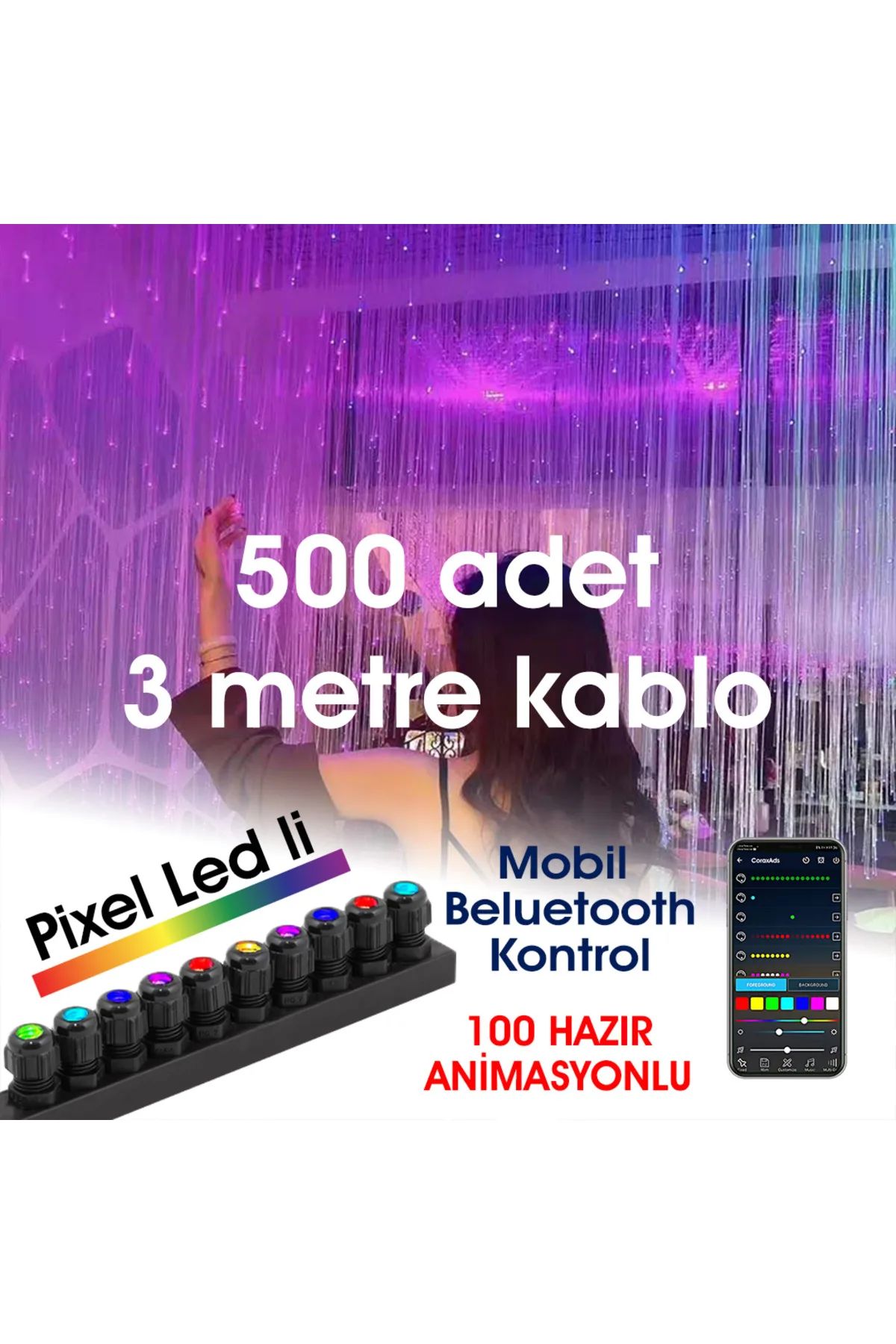
Lighting on marine vessels has evolved from the lanterns of sailing ships to today's luxury mega yachts. Today, the new stop on this journey is fiber optic technology. The question, is fiber optic lighting on marine vessels resistant to saltwater?, forms the most crucial point of this transition. Indeed, 2026 data shows that demand for durable and aesthetic lighting solutions in the marine electronics market has increased by approximately 65% over the last three years. In this article, drawing on over a decade of field experience, we will examine the facts behind this question based on five key factors.
Is Fiber Optic Lighting on Marine Vessels Resistant to Saltwater? The Definitive Answer for 2026

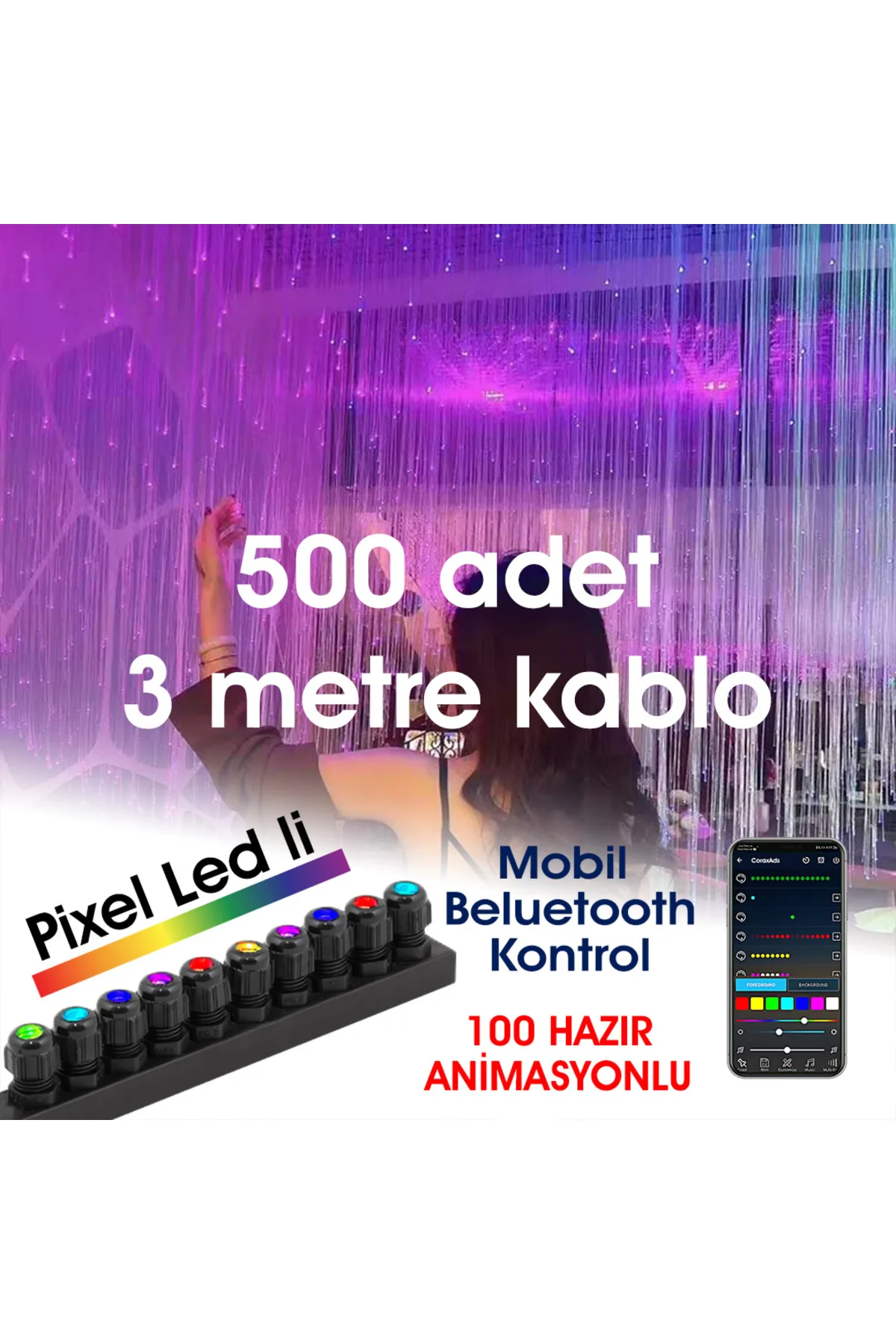
Yes, with the correct materials, design, and protective measures, fiber optic lighting on marine vessels is resistant to saltwater. However, this "durability" depends on all selected components being suitable for marine conditions. Simply put, not every fiber optic system is suitable for marine use; those specifically designed and protected will deliver long-lasting performance in this harsh environment. Therefore, the definitive answer to the question lies in the correct product selection and installation.
Saltwater Resistance of Fiber Optic Cable: PMMA vs. Glass Fiber Comparison
The core material of the cable is the first determinant of durability. Two main types of fiber are typically used in marine applications:
| Feature | PMMA (Polymethyl Methacrylate) Fiber | Glass (Silica) Fiber |
|---|---|---|
| Water Absorption | Very low (almost zero with high-quality cladding) | Virtually none |
| Resistance to Salt Corrosion | High (Inert itself, protection depends on outer jacket) | Excellent (Glass is inherently non-corrosive) |
| Flexibility | Superior (Can make tight-radius bends) | Limited (Brittle, must be handled carefully) |
| Role in Marine Vessel Applications | Decorative lighting (star ceiling, ambiance lighting) | High-power lighting or communication lines |
| 2026 Marine Usage Rate | ~85% | ~15% |
As you can see, for decorative purposes, PMMA fiber stands out for its flexibility and cost-effectiveness, but the real key is the structure of the outer jacket surrounding this fiber. While glass fiber excels in chemical resistance, its use in onboard decorative projects is rarer. Thus, when answering the question is fiber optic lighting on marine vessels resistant to saltwater, you should focus more on protective systems than the core material.
4 Reasons Why Fiber Optic Lighting is Popular for Marine Vessels in 2026
Popularity is not just about durability, but a whole set of unique advantages. Here are four fundamental reasons that make these systems indispensable at sea:
Electrical Safety and Low Heat Generation
In fiber optic systems, the light source (LED projector or illuminator) is usually located in a dry, safe compartment. Since light is transmitted via fiber cables, there is no electrical current or connection at the lighting points (e.g., ceiling, steps, deck edge). Therefore, it reduces the risk of electric shock and short circuits to zero in the face of inevitable moisture and water splashes. Additionally, almost no heat is generated at the fiber ends, eliminating fire risk and allowing safe installation near flammable materials.
Waterproof Connections and Connectors
2026 technology has brought specialized marine connectors. These connection elements with IP68 and IP69K waterproof ratings withstand even the harshest saltwater conditions. The connection points, which could be weak spots in the system, are thus effectively protected.
"The marine environment exposes a lighting system not only to water but also to vibration, UV radiation, and the abrasive effect of salt crystals. Therefore, for a successful application, the choice of cable, connectors, and even adhesive must all be marine-grade." - Marine Electronics Systems Specialist
Furthermore, the other two reasons are personalization with unlimited color and effect possibilities, and offering a much longer lifespan compared to traditional lighting. For example, dynamic lighting systems that can synchronize with the rhythm of sea waves are among the most requested features in 2026. If you want to be part of this trend, our article on high-temperature resistant fiber optic cable technologies might also interest you.
Product Recommendation: The "Marine Pro Fiber Optik Ambiance Kit", which comes with IP68-protected connections suitable for marine conditions, includes cables with polyurethane outer jackets specifically developed for saltwater environments.
2026 Product Comparison: Which Marine-Type Fiber Optic Set is Right for You?
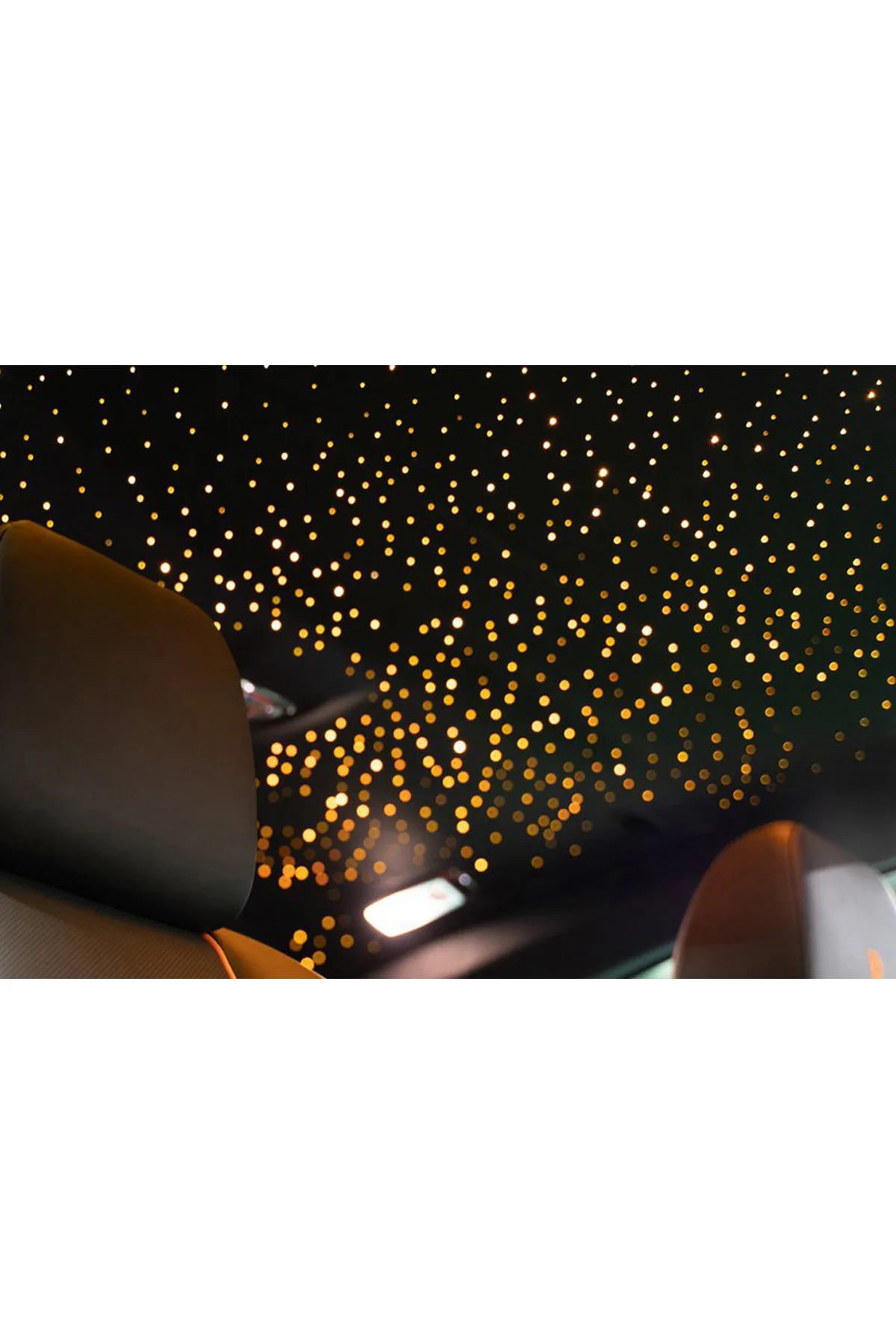
In short, the practical answer to the question is fiber optic lighting on marine vessels resistant to saltwater lies in choosing the right product. In the 2026 market, various ready-to-use sets cater to different needs. The comparison below will help you determine the most suitable set for your project.
Set Type and Suitability Analysis for Marine Conditions
| Set Name / Feature | POOL LIGHTING FIBER OPTIK STAR KIT - ECO | 1.0mm 1,500 METER PMMA END-GLOW CABLE | Ready-to-Install "MEGA" Star Ceiling Set |
|---|---|---|---|
| Primary Use Purpose | Open deck, poolside, exterior ambiance | Custom projects, wide-area lighting, handrails | Enclosed cabin star ceiling, interior decor |
| Waterproof Rating (IP) | IP68 (Fully waterproof) | Depends on jacket structure (IP67+ with PUR coating) | IP65 (Dust and low-pressure water resistant) |
| Cable Type and Durability | Thick outer jacket, UV resistant | 1.0mm diameter, high light transmission, flexible | 0.75mm diameter, high-density bundle |
| Suitability for Marine Salinity | Yes, specifically designed | Yes, with appropriate outer jacket selection | Ideal for enclosed spaces |
| Reason for Preference in 2026 | Outdoor durability and ready installation | Meter-based flexibility and professional application | Easy installation and impressive star effect |
As can be seen from this table, each set has different strengths. For example, choosing a directly IP68-certified set for an open deck is the safest route. However, if you are creating a star ceiling in an enclosed cabin, high-density and easy-to-install solutions like the "MEGA" set are more suitable. This choice will largely alleviate your concern about whether fiber optic lighting on marine vessels is resistant to saltwater.
What are the 2026 Criteria for Choosing Saltwater-Resistant Fiber Optic Lighting?
Choosing the right product determines 70% of your project's success. You can make a safe choice using the following checklist:
Cable Outer Jacket Material: Polyurethane or Special Blends
The outer jacket protecting the fiber is your first line of defense against saltwater. While PVC is common, it is not the best choice for marine use. Ideally, a polyurethane (PUR) jacket with UV stabilizers and high hydrolysis resistance is preferred. This material maintains flexibility while offering superior resistance to cracking and yellowing.
- Waterproof Rating (IP Code): At least IP67, preferably IP68. This indicates resistance to temporary water immersion.
- UV Resistance: For open deck applications, a UV-resistant jacket must be selected.
- Chemical Resistance: Should have resistance certification not only for saltwater but also for fuel, oil, and cleaning chemicals.
- Flexibility and Operating Temperature: Must be suitable for onboard temperature fluctuations (-10°C to +60°C).
Moreover, these criteria are similar to those for durability tests for fiber optic floor lighting. Also, before purchasing, always ask if the manufacturer provides approval or warranty documentation for marine applications.
Product Recommendation: High-density PMMA fiber optic cables with a special marine-type jacket coating, 0.75mm in diameter, are ideal for detailed projects like onboard star ceilings and promise long-lasting performance.
Maintenance Tips: How to Extend the Lifespan of Fiber Optic Lighting on Marine Vessels
Furthermore, after installing a durable system, regular maintenance is essential to extend its lifespan. The long-term answer to the question is fiber optic lighting on marine vessels resistant to saltwater depends on your maintenance routine. Here are the simple but effective maintenance steps recommended by experts in 2026.
Periodic Inspection and Cleaning Routine
Fiber optic lighting is relatively easy to maintain as it has no moving parts. However, salt buildup and moisture from the marine environment require regular checks. At the start of each season or before heading out to sea, inspect the following points:
- Light Source and Ventilation: Dust the compartment where the LED illuminator is located and ensure air inlets/outlets are not blocked. Overheating shortens lifespan.
- Inspection of Connection Points: Visually check all connectors, heat shrink tubing, and sealant applications. Renew if there is cracking, swelling, or discoloration.
- Cleaning Fiber Ends: Salt crystals can adhere to exposed fiber ends. Gently clean these ends with a dry, soft brush. Never use harsh chemicals or abrasives.
- General Condition of Cable Jacket: Ensure the jacket is not worn, especially at points where friction might occur along cable routes.
In conclusion, these simple checks will allow you to detect potential failures early and maintain your system's durability to 2026 standards. Similar principles apply for fiber optic maintenance in high-humidity environments.
Installing Fiber Optic Lighting on Marine Vessels: Key Considerations for 2026
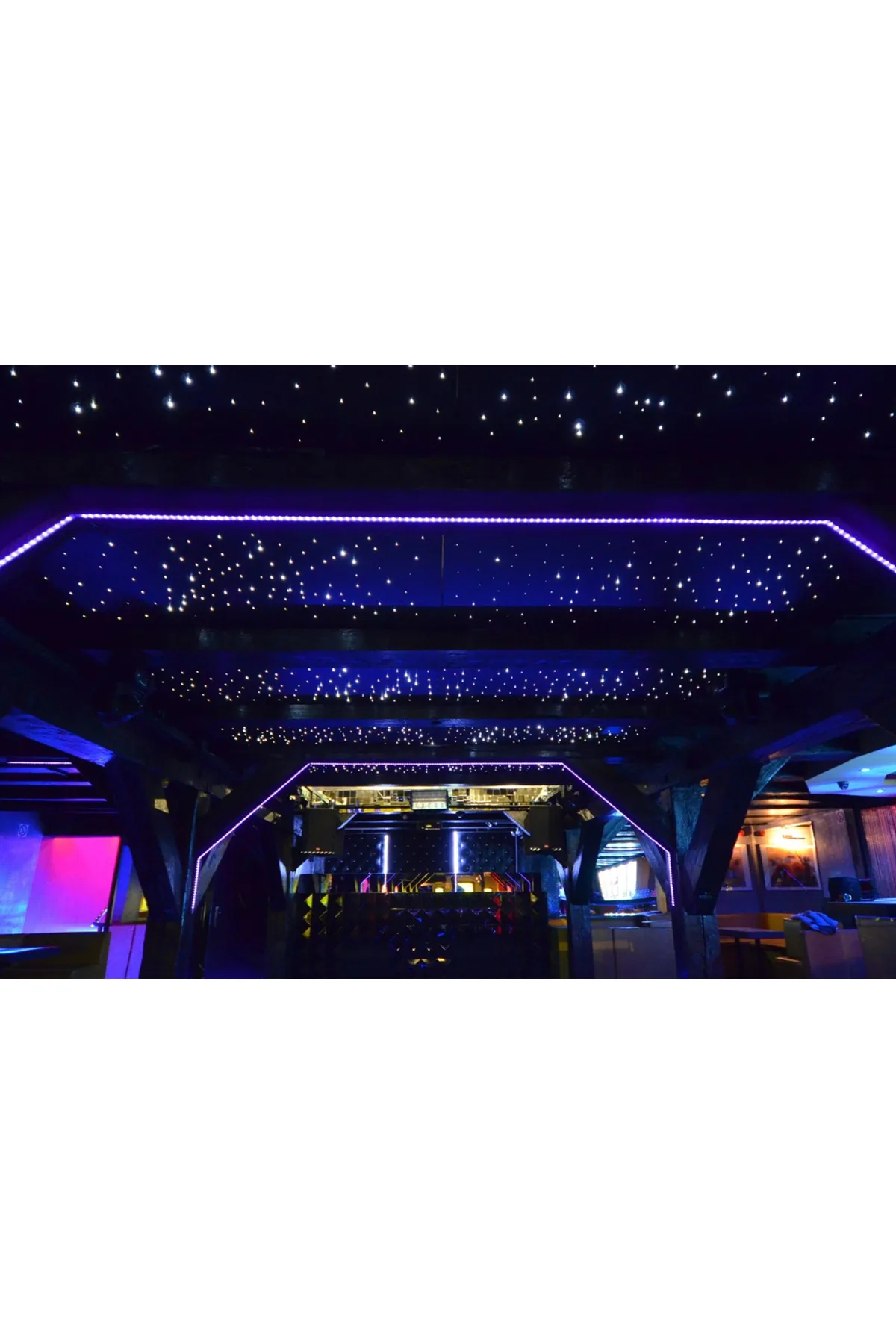
The most durable product can fail quickly if installed incorrectly. Moreover, installation on a marine vessel involves fundamental differences from a land-based application.
Protective Measures Against Moisture and Salt Buildup
Channels or pathways for the cable should be chosen to allow air circulation. Enclosed, airtight spaces can lead to moisture buildup and condensation over time. All connection points (light source input, fiber ends) should be sealed with marine-grade silicone sealant or special gaskets. If connectors are used, applying a protective heat shrink tube over the connection after completion provides extra security.
- Route Planning: Route cables through accessible pathways where water accumulation is minimal.
- Connection Insulation: Seal each connection to protect it even against water vapor.
- Location of Light Source: Position the LED illuminator in one of the vessel's driest and coolest compartments (e.g., inside the captain's locker).
- Periodic Inspection: During annual maintenance, check connection points and renew the protective sealant if necessary.
On the other hand, for successful applications in such humid environments, you can also get ideas from our article on fiber optic applications in high-humidity environments like saunas.
Marine Culture and Lighting: Ambiance Trends on Boats and Yachts in 2026
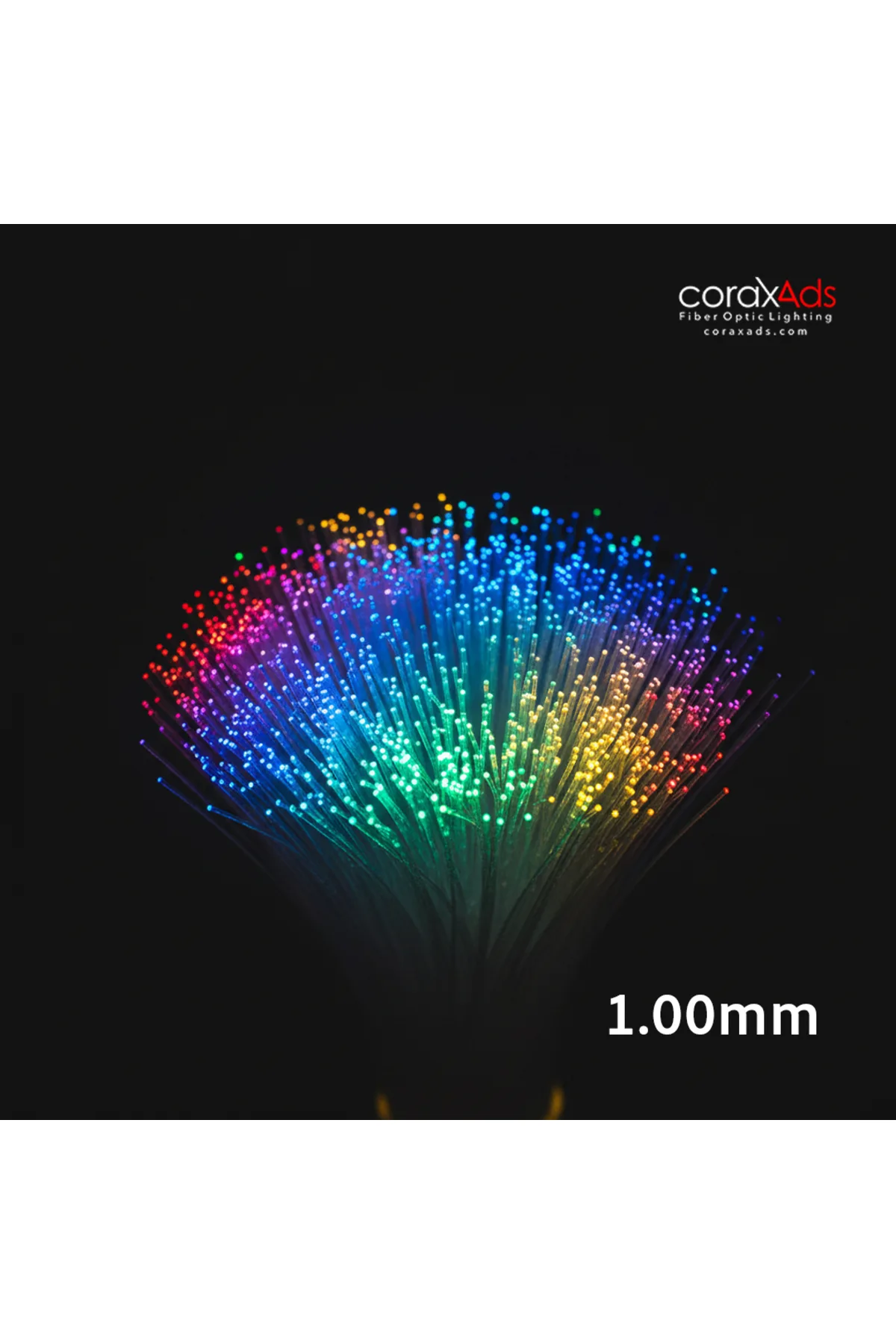
Lighting at sea is no longer just for "seeing" but for "feeling." Indeed, 2026 trends are built on personalized experiences and smart integration.
Dynamic Lighting Scenarios and Color Therapy
Fiber optic systems that integrate with smartphone apps or the vessel's main control system are gaining popularity. Pre-programmed scenarios like "Cruising Mode" (calm blue tones), "Entertainment Mode" (vibrant color transitions), or "Fishing Mode" (red light) can be activated with a single tap. On some luxury yachts, light shows synchronized with wave sounds or music offer an experience as precious as gold. These trends have also led to a diversification of decorative lighting products on general e-commerce platforms.
Product Recommendation: The "Smart Marine Fiber Kit", which comes with an RGB+W animated light source and remote, offers 16 million color options and over 40 dynamic effects, transforming your vessel into a personal work of art.
2026 Shopping Guide: Buying Saltwater-Resistant Fiber Optic Lighting
Therefore, to make the right purchasing decision, it is useful to know market dynamics as well as technical details. Here are practical tips to keep in mind when shopping in 2026 with concerns about whether fiber optic lighting on marine vessels is resistant to saltwater.
Vendor and Manufacturer Evaluation Criteria
After selecting the product, sourcing it from a reliable vendor is the next critical step. A good supplier has the following characteristics:
- Marine References: The seller should have references or a portfolio showing they have successfully used their products in boat or yacht projects before.
- Technical Support and Warranty: Should offer not just the product, but also installation consultancy. Request at least a 2-year warranty for the product.
- Material Certification: Request test reports showing features like IP rating, UV resistance for cables and connectors, or ensure they are published on the website.
- Parts and Accessory Supply: Ensure you can source compatible spare parts if a system component fails or you want to expand the project.
In short, remember that the technical support and guarantee behind a product are as valuable as its price. Researching without compromising on quality is the smartest investment for a long-lasting system.
Is Fiber Optic Lighting on Marine Vessels Resistant to Saltwater? Frequently Asked Questions (FAQ)
1. Are fiber optic lighting systems used on marine vessels resistant to saltwater?
Yes, but this durability is conditional. Fiber optic systems specifically manufactured for marine environments, with high-quality outer jackets (usually polyurethane) and waterproof (IP68) connections, show high resistance to saltwater. A standard fiber optic system may not be directly suitable for this environment.
2. Why is fiber optic lighting preferred on marine vessels?
There are four main reasons: Electrical safety (no electricity at light points), low heat generation (reduced fire risk), high resistance to water and moisture (with suitable products), and unlimited aesthetic and personalization possibilities. These features make it ideal for a challenging environment like the sea.
3. Is the installation and maintenance of fiber optic lighting on marine vessels difficult?
Installation requires basic hand tools and some patience. The most critical part is sealing all connection points waterproof and routing cables through paths with air flow. Maintenance is quite simple; periodic (annual) inspection of connection points and dusting the light source is usually sufficient.
4. What should be considered when choosing saltwater-resistant fiber optic lighting?
Consider four main criteria: 1) Cable outer jacket material (prefer UV-resistant polyurethane), 2) Waterproof certification (IP68), 3) Marine compatibility statement (manufacturer's warranty), 4) Quality and waterproofing of connection elements (connectors).
5. What advantages does fiber optic lighting offer over traditional LED lighting on marine vessels?
The biggest advantage is safety. Traditional LED strips or spots carry a short-circuit risk and generate heat when in contact with water. In a fiber optic system, since the light source is remote, there is no electricity or heat at the lighting points. Additionally, the flexibility to create hundreds of light points from a single light source offers a unique aesthetic advantage, much like a special piece of jewelry for a boat.
Conclusion and 2026 Lighting Trends for Marine Vessels
To summarize, fiber optic lighting on marine vessels is resistant to saltwater, but this holds true for products "designed for marine use" when installed correctly. The year 2026 will be a period where smart control, personalization, and dynamic light scenarios integrated with the sea come to the fore, alongside durability. With the right material selection and professionally applied installation, fiber optic lighting will add not only light but also safety, longevity, and unique character to your vessel.
In conclusion, thanks to technology and proper engineering solutions, it is possible to experience safe and mesmerizing lighting even in a challenging environment like the sea. If you want to go beyond trends and make a lasting, safe investment for your own vessel, you are in the right place.
Are you ready to explore saltwater-resistant, safe, and impressive fiber optic lighting solutions for your marine vessel in 2026? Contact our expert team and bring your project to life.