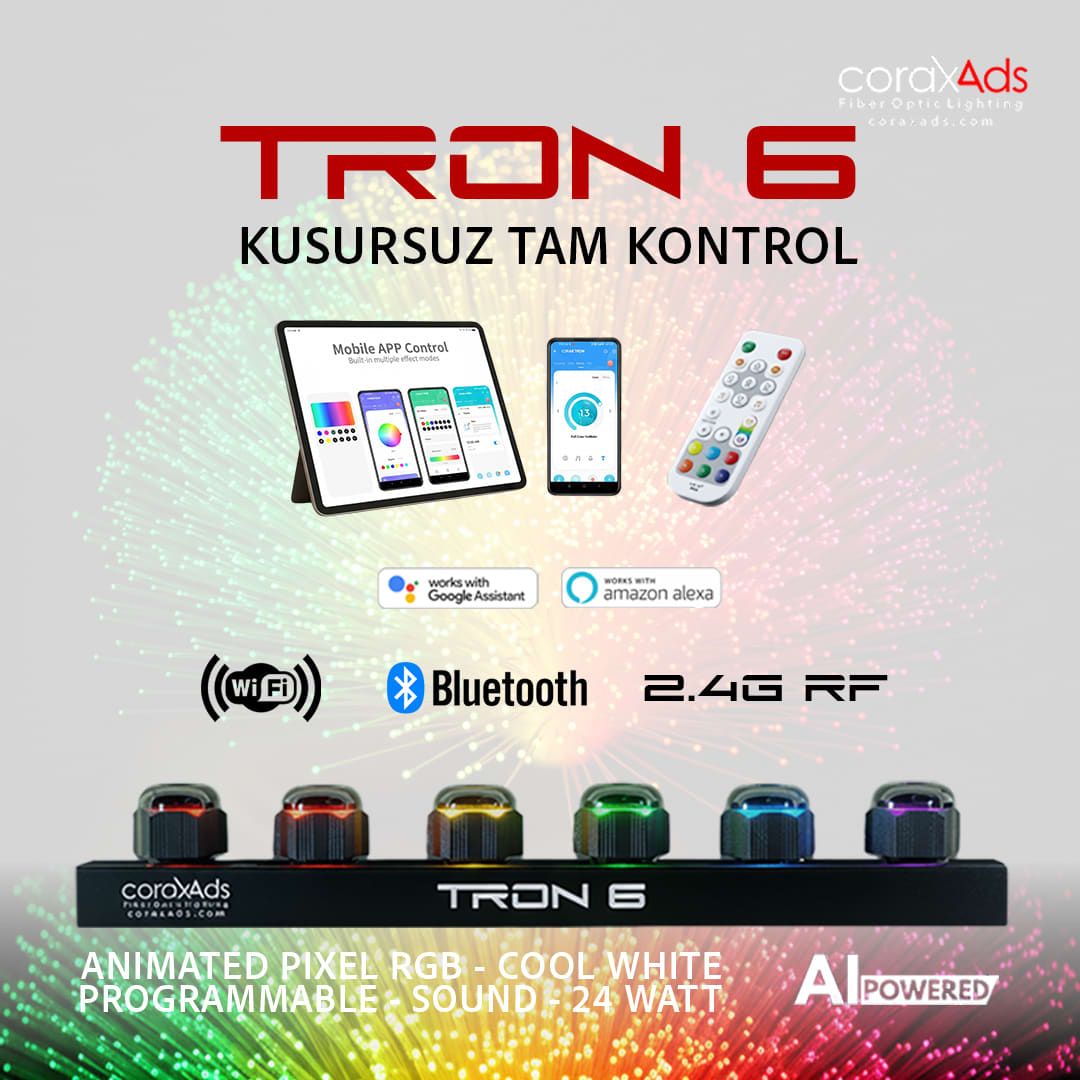
The world of fiber optik lighting is rapidly evolving. However, 2026 data presents a very clear picture: dual-output light sources are now used in nearly 65% of professional projects. So, what exactly is the purpose of this highly popular system? In short, the answer is more profound than you might think. To explain the question "What is the purpose of a dual-output light source?" in its simplest terms, it manages two separate light lines with a single unit, easing both your budget and your workload. In this article, drawing on over a decade of field experience, I will explain the intricacies of this equipment with examples from the latest 2026 projects.
Table of Contents
- What is the Purpose of a Dual-Output Light Source? What is its Core Function?
- What is the Purpose of a Dual-Output Light Source? The 'Dual' Concept: Double the Impact in Design and Savings
- What is the Purpose of a Dual-Output Light Source? Advantages Over Single-Output Units
- Where and in Which Projects are Dual-Output Light Sources Used?
- 5 Golden Rules for Choosing a Dual-Output Light Source for Your 2026 Project
- Frequently Asked Questions About Dual-Output Light Sources (2026 FAQ)
- Conclusion: What is the Purpose of a Dual-Output Light Source? Its Role in 2026's Smart Lighting Solutions
What is the Purpose of a Dual-Output Light Source? What is its Core Function?
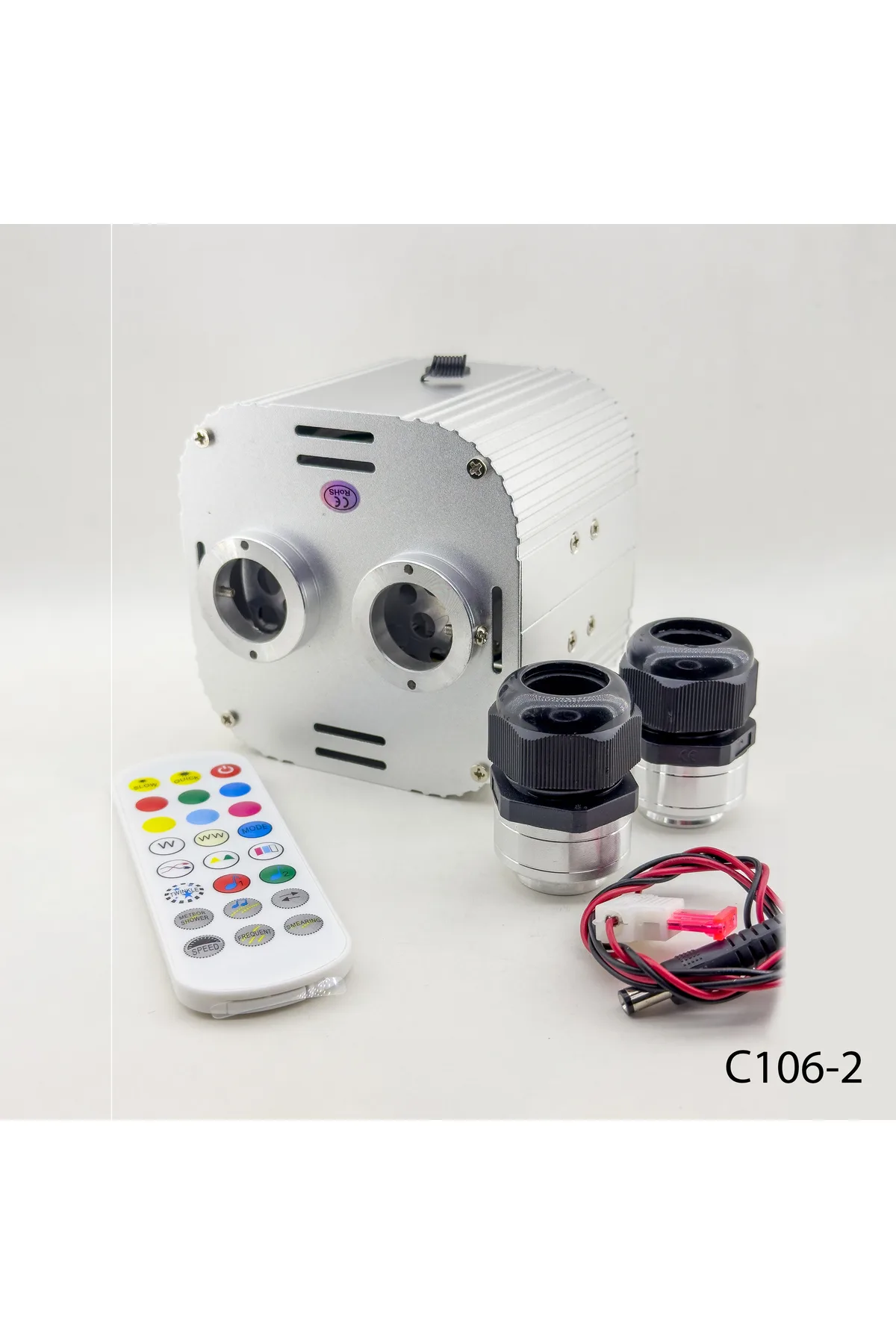
A dual-output light source is a clever piece of engineering. Its function is this: it splits the light emitted from a single, powerful LED engine into two separate paths via an internal optical splitter. This allows it to independently power two different fiber optik lines or application areas. Consequently, your installation costs decrease while your system efficiency soars. At the heart of the question "What is the purpose of a dual-output light source?" lies this very efficiency and integration. By 2026, these sources also promise complete freedom in color and effect control.
Working Principle and Structural Features
Everything starts with the high-efficiency LEDs at the center. The generated light is then captured and gathered by a special optical lens. Next, the magic happens: the beam splitter engages and divides the light beam in two. These two paths typically exit via 3CM or 4CM connection ports. In short, the fiber optik cables you attach to these points allow the light to embark on two different adventures.
Basic Usage Scenarios
Imagine you have a room. You want a starry sky effect on the ceiling and decorative lighting for your bookshelf. The live answer to the question "What is the purpose of a dual-output light source?" is right here. A single source powers two separate lines. There's no need for two separate sources. Nor is there the hassle of running two separate power cables. In practice, this is a concrete story of savings and flexibility. Simplicity within elegance.
"In 2026, fiber optik lighting is now designed as integrated systems rather than point solutions. Dual-output sources are the simplest and most economical building blocks of this integration." - Fiber Optik System Designer
What is the Purpose of a Dual-Output Light Source? The 'Dual' Concept: Double the Impact in Design and Savings
The term 'dual output' is not just about the number of ports. In my opinion, it's a philosophy—a logic of efficiency and design. With a single investment and installation effort, you illuminate twice the area. Looking at 2026 projects, this 'dual' approach is invaluable in symmetrical architectures or two complementary decorative elements. It offers an appealing aesthetic while protecting your budget. Therefore, when you view the question "What is the purpose of a dual-output light source?" from this perspective, its depth becomes immediately apparent.
Dual Flexibility in Design
The 'dual' concept also means balance and harmony in our culture. Just as symmetry captivates the eye in traditional jewelry design, there is a similar magic in lighting. For example, you can illuminate both ends of a corridor or both sides of a seating group from the same source. This achieves visual balance and rhythm. Furthermore, it gives the designer the luxury of managing two zones from a single control point.
Double Savings for Your Budget
The dual effect is also evident in your wallet. Many people only consider the equipment cost. However, choosing a dual-output source promises much more:
- It reduces hardware costs by almost half (you don't need to buy 2 sources).
- It significantly reduces installation time and associated labor costs.
- It optimizes energy consumption and minimizes cable loss.
- It lowers maintenance and service costs, as there is only one main unit to track.
The result? Achieving nearly 40% savings in total cost of ownership is effortless. Moreover, this gain continues throughout the project's lifespan.
What is the Purpose of a Dual-Output Light Source? Advantages Over Single-Output Units
The most obvious advantage is cost. It reduces the number of hardware units needed to illuminate two separate areas to one. Along with that, a single power connection, a single control unit... It's more than enough to operate two different fiber lines. Installation time shortens while the system simplifies. 2026 models take this a step further, offering the chance to control each output independently.
Cost and Installation Comparison
Imagine illuminating two separate zones in a 30-square-meter room. The table below highlights the difference between the two approaches:
| Criterion | Solution with 2 Single-Output Sources | Solution with 1 Dual-Output Source | Advantage Ratio |
|---|---|---|---|
| Equipment Cost | 2x Source + 2x Power Kit | 1x Source + 1x Power Kit | ~45% Savings |
| Installation Time | 2x Mounting, 2x Connection | 1x Mounting, 1x Connection | ~50% Time Saved |
| Cable Complexity | High (4 power/data cables) | Low (2 power/data cables) | 50% Less |
| Controllability | Two separate units require synchronization | Synchronized control from a single center | Much Easier |
Performance and Control Differences
The economic advantages are dazzling, of course. But they don't fall behind in performance either. 2026's advanced hybrid models use separate LED arrays for each output. While one side creates a color spectacle, the other can emit a calm, steady white light. This is perhaps the most attractive aspect of these systems. It's possible to create two different moods with a single unit. This flexibility forms the performance answer to the question "What is the purpose of a dual-output light source?".
Where and in Which Projects are Dual-Output Light Sources Used?
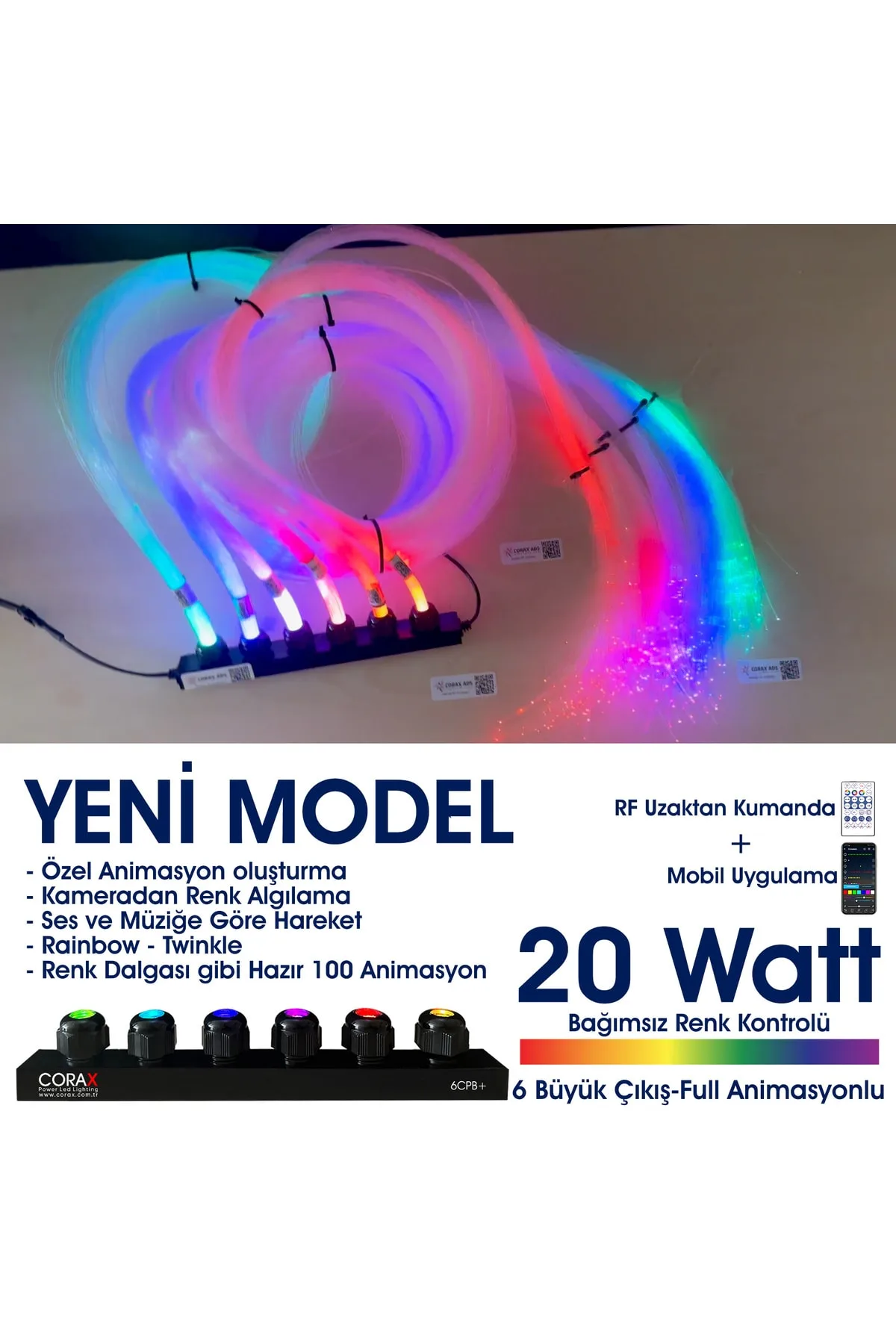
It's a perfect fit for any situation where you need to feed two different fiber lines simultaneously. Where exactly? Two separate ceiling sections in a room, both underwater and edge lighting in a pool, the main hall and bar area in restaurants... The list goes on. As the demand for personalized lighting increases in 2026, the importance of these sources multiplies.
Starry Ceiling Applications
Consider a package like the YOUTH ROOM STAR CEILING SET. A dual-output source simplifies things. One output illuminates your ceiling stars, while the second could operate, for example, soft light beams at the headboard or closet lighting. One system, a flawless atmosphere.
Pool and Outdoor Lighting
In POOL LIGHTING KIT projects, a waterproof dual-output source works wonders. One port sends light into the depths of the pool, while the other illuminates decorative stones or grass on the edge. Safety and decoration are managed from a single point.
Commercial and Vehicle Interior Ambiance
Space is precious in vehicles. In a BUS AMBIANCE SET installation, a compact dual-output source can be a lifesaver. The passenger area ceiling is illuminated from one output, the luggage compartment from the other. The driver can manage different atmospheres with a single button.
5 Golden Rules for Choosing a Dual-Output Light Source for Your 2026 Project
To make the right choice in 2026, strictly adhere to these five rules: First, the source's output diameters must perfectly match the diameter of the fiber cables you use. Second, the total lumen output must meet the length and density needs of the two lines it will feed. Third, the color and effect control method (remote, app, DMX) must be suitable for your project. Fourth, it must offer a long lifespan guarantee with an active or high-quality passive cooling system. Fifth, it must provide clear technical support and warranty terms.
Output Diameter and Fiber Compatibility
This is the most common pitfall. Incompatibility between the source's output diameter and the fiber bundle diameter will hinder your project. A 3-centimeter output star ceiling module means it accepts a 3-centimeter fiber bundle. If you plan to use 4CM thick fibers, your source must be accordingly. For detailed information, take a look at our guide on choosing a light source compatible with thick fiber cables.
Power and Brightness Values
Remember this: a dual-output source splits the light in two. Therefore, the brightness of each output may be about half that of a single-output source. Fortunately, 2026's high-quality models, with powerful LEDs and efficient optics, almost eliminate this loss. When selecting a product, look at the total lumen value and ensure it will meet the combined needs of both lines.
Control Options and Compatibility
There's one feature everyone wants lately: independent control of the two outputs. With advanced models, you can set one output to RGB party mode while keeping the other fixed on warm white. If you want your project to be compatible with your smart home system (Amazon Alexa, Google Home), opt for Wi-Fi or Bluetooth-supported models. In short, defining your needs in advance ensures you make the most accurate choice.
Frequently Asked Questions About Dual-Output Light Sources (2026 FAQ)
1. Can I operate the two outputs of a dual-output light source in different colors?
Answer: Yes, absolutely. But it depends on the source model. In simple models, both outputs reflect the same color. However, 2026's advanced "Dual-Core" or independent channel models allow you to manage each output with a separate color and brightness. This is one of the greatest flexibility advantages of dual-output systems.
2. How much fiber optik cable length can I illuminate with a single dual-output source?
This depends entirely on the source's power, LED efficiency, and the quality of the cable you use. An average 20W dual-output source can nicely illuminate approximately 15-20 meters of standard 0.75mm fiber cable from each output. For longer distances, more powerful engines are necessary.
3. If a dual-output source fails, do both connected lighting lines shut down?
Unfortunately, yes. Since it's a single electronic unit, a failure in the source will disable both lines it feeds. To reduce this risk, I recommend keeping a backup light source for critical applications. Or, opt for modular systems.
4. Can I upgrade my existing single-output system with a dual-output source?
In theory, yes, but be careful! First, your new source's output diameters must match your existing fibers. Second, check the compatibility of the power and control cables. Third, if you're adding a second line, you'll need to run cable for it as well. It's best to have a professional handle this.
5. What are the 3 most important criteria when choosing a dual-output light source?
According to 2026 standards, the top three criteria are:
- Output Diameter Compatibility: Perfect compatibility with the fibers in your project is essential (3CM/4CM).
- Control Capability: Features like independent control and smart home integration should be sought.
- Cooling System and Durability: For long life, models with active cooling or high-quality aluminum bodies should be preferred.
Conclusion: What is the Purpose of a Dual-Output Light Source? Its Role in 2026's Smart Lighting Solutions
In summary, the question "What is the purpose of a dual-output light source?" answers two fundamental needs of modern lighting: efficiency and flexibility. By 2026, these sources have evolved from simple devices into an indispensable part of smart living spaces. With proper project planning, you can both protect your budget and set up breathtaking dynamic lighting scenes. As the trend towards sustainable and smart living grows, the importance of these dual systems will increase exponentially.
Call to Action (CTA): Are you having difficulty choosing the most suitable dual-output light source for your own project? You can consult the expert team at CoraxAds.com for free project advice or browse our wide product range. For comparison, I recommend focusing on technical specifications on platforms like Trendyol.