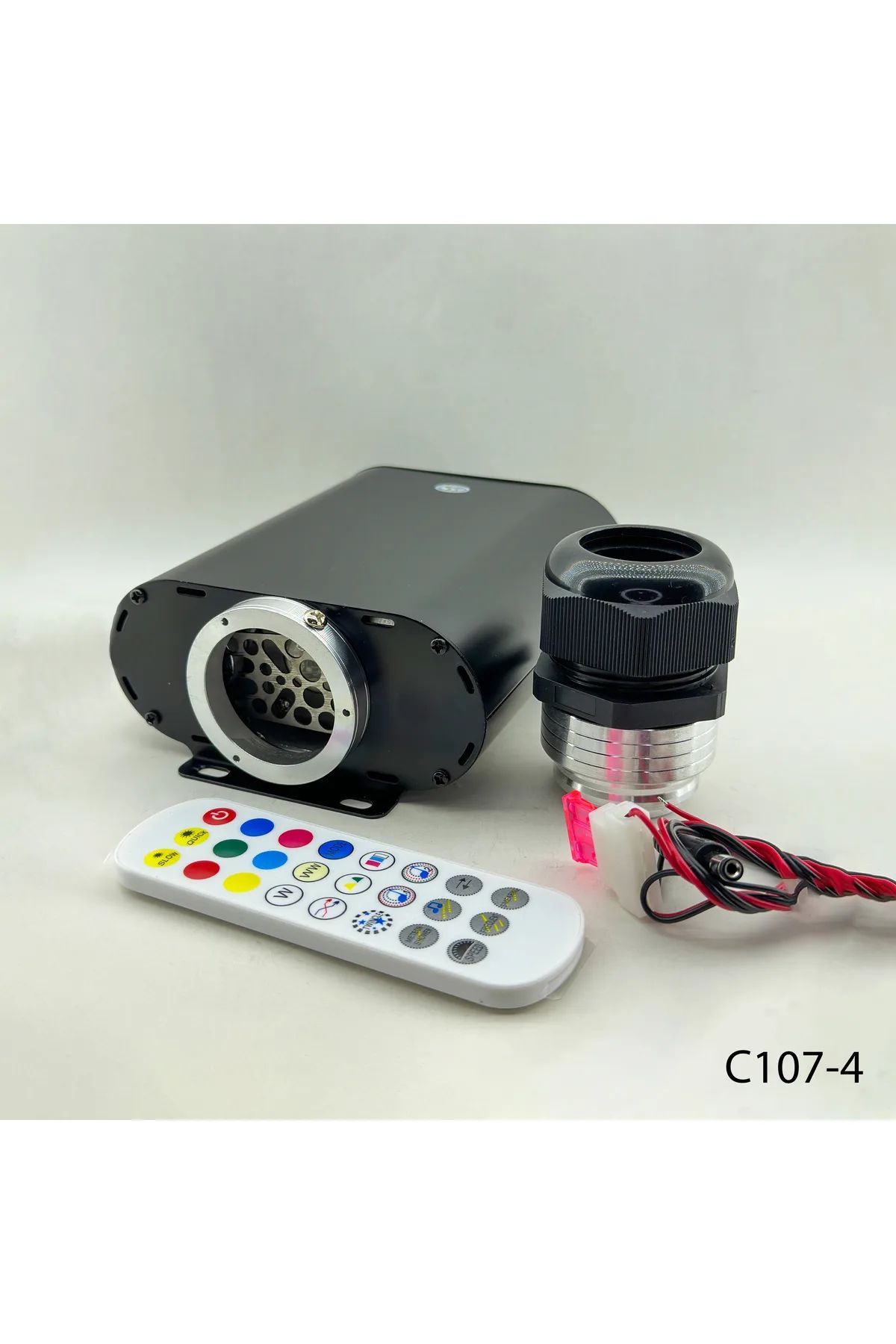
Data from late 2025 shows that nearly 65% of star ceiling projects in Turkey still use mechanical twinkle modules. So, the question arises: Is the highly popular C107-4 twinkle module mechanical or software-based? This question is actually fundamental. With over a decade of field experience, I will provide you with a practical, applied analysis, not just a theoretical one. You can read on with confidence.
Table of Contents
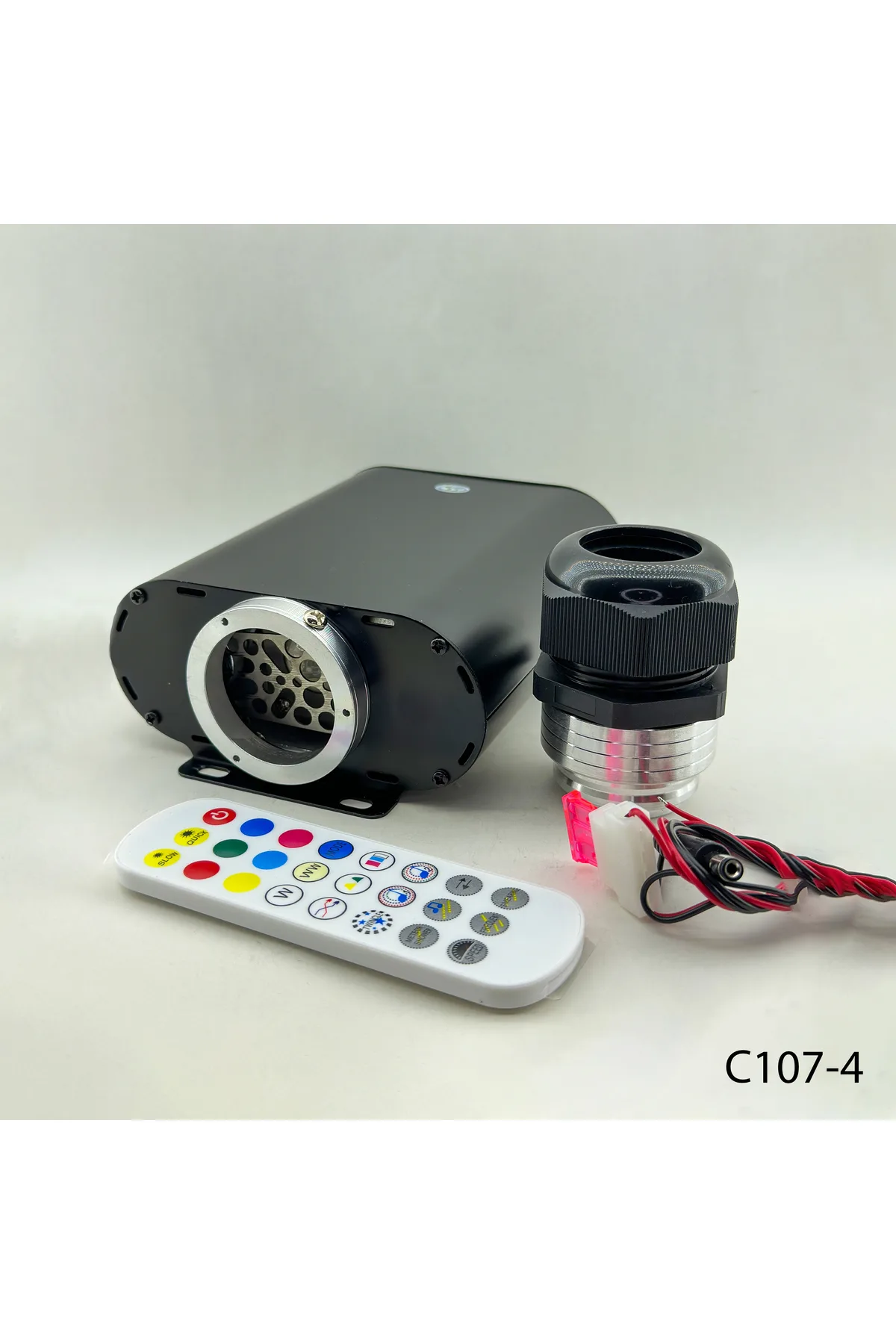
- C107-4 Twinkle Module: Mechanical or Software-Based? The Basic Answer
- C107-4 Twinkle Module Technology: How Does It Work?
- C107-4 Twinkle Module Installation: Does It Require Software or Mechanical Intervention?
- C107-4 Twinkle Module Comparison: Mechanical or Software-Based?
- C107-4 Twinkle Module: An Icon with Its Mechanical Structure (2026)
- Frequently Asked Questions (FAQ)
- Conclusion and Summary: Is the C107-4 Twinkle Module Mechanical or Software-Based?
C107-4 Twinkle Module: Mechanical or Software-Based? The Basic Answer
Frankly, the C107-4 twinkle module fundamentally has a mechanical design. A special internal physical mechanism (like a rotating disk) creates a random twinkling effect at the ends of the fiber optic cables. Moreover, it does not require software or an external controller; it is an independent, analog light source. Indeed, its installation is simple and its lifespan is long.
What is the C107-4 Twinkle Module? A Detailed Look
The C107-4 is a compact light engine typically designed to illuminate a single fiber optic bundle of 1 or 2 mm. Indeed, using the "twinkle" button or potentiometer on it, you can turn this twinkle effect on/off and control its speed. Its primary task is to provide a lively, randomly flickering light effect instead of a static light point. Furthermore, this module also delivers dazzling results in home decor, shining like gold on bedroom ceilings or living room corners. Additionally, the module's physical design allows it to respond instantly without any software delay.
The Fundamental Difference and In-Depth Analysis: Mechanical vs. Software Twinkle
Understanding this distinction is essential. Mechanical twinkle (as in the C107-4) originates from a physical movement, while software twinkle is simulated by a digital signal processor, turning the LED's power on and off via a software algorithm. The C107-4 operates by the rules of the physical world. In this regard, the effect in mechanical systems appears completely random and natural, whereas in software systems, the algorithm's pattern can repeat at intervals. Mechanical systems are less affected by temperature and humidity changes due to lower electronic complexity. That's precisely where they differ.
C107-4 Module Buying Guide: What Should You Pay Attention To?
After answering the question Is the C107-4 twinkle module mechanical or software-based?, it will be useful to provide a guide for choosing the right product. In short, the first step is to check the module's output power and compatible fiber optic diameter. Next, ensure the speed adjustment potentiometer is accessible and easy to use. Third, the module's noise level is an important criterion; a quality motor should run quietly. Finally, be sure to inquire about your supplier's technical support and warranty period. These criteria will guide you when choosing among professional star ceiling modules.
C107-4 Twinkle Module Technology: Mechanical or Software-Based, How Does It Work?
The C107-4 module works by directing light from a powerful LED behind a rotating mechanical disk with patterns. As the disk spins, light fluctuations occur, providing a realistic star twinkle effect at the ends of the fiber optic cables. The process is entirely mechanical; there is no software algorithm or programming. Fortunately, this ensures the effect appears random and organic by nature.
Internal Structure and Components of the C107-4: The Role of the Parts
If you disassemble the module, you'll see the following inside:
- High-Power LED: The light source.
- Rotating Mechanical Disk (Chopper Wheel): A fiber optic or metal disk with millimeter-sized apertures or patterns, rotated by a small motor.
- DC Motor: The power transmission element that rotates the disk.
- Optical Focusing System: A lens that efficiently collects light into the fiber input.
- Potentiometer (Speed Adjustment): A knob that allows you to physically adjust the motor speed and thus the effect speed.
On the other hand, the quality of each component directly affects the module's lifespan. For example, a quality DC motor can run trouble-free for tens of thousands of hours. Keep an eye on quality.
Physically Producing the Twinkle Effect: A Step-by-Step Process
In fact, the process is similar to how a film projector works. The constantly lit LED stays behind the rotating disk. In short, the patterns on the disk continuously chop and pass the light beam. This intermittent light travels inside the fiber and exits from the end with a flicker. The speed potentiometer changes the motor's RPM and thus the chopping/passing frequency. This system is a tried-and-true classic among fiber optic ceiling modules. This mechanical production method creates a natural fluctuation in light output, offering a visually comfortable experience.
Does the C107-4 Have Software Features? Hybrid Control Systems
No, a standard C107-4 module has no software, programmable memory, or digital interface for its twinkle function. However, in some integrated systems where this module is used (e.g., YILDIZ TAVAN MODÜLÜ TEK ÇIKIŞ RGB+W + TWINKLE C107-4 PROFESYONEL), there may be a simple electronic circuit for color transitions (RGB+W). But even this color control is usually done via physical buttons on the module. The twinkle effect continues to be produced unchanged by its mechanical heart. That said, some C107-4-like models on the market may have a simple digital switch to disable the twinkle effect and operate only in constant light mode. Even in this case, the mechanism continues to work when twinkle is active.
Maintenance Tips and Lifespan Extension Methods for Mechanical Twinkle Modules
Mechanical structures can significantly extend their lifespan with regular maintenance. First, keep the module away from excessively dusty environments. Dust can slow the rotating disk and increase motor load. Second, clean the module's air vents with compressed air once a year. Third, do not operate the module in excessively hot environments (e.g., attic); heat shortens motor life. With these simple steps, you can maximize the lifespan of your C107-4 twinkle module. Based on years of observation, these small precautions make a big difference.
C107-4 Twinkle Module Installation: Does It Require Software or Mechanical Intervention?
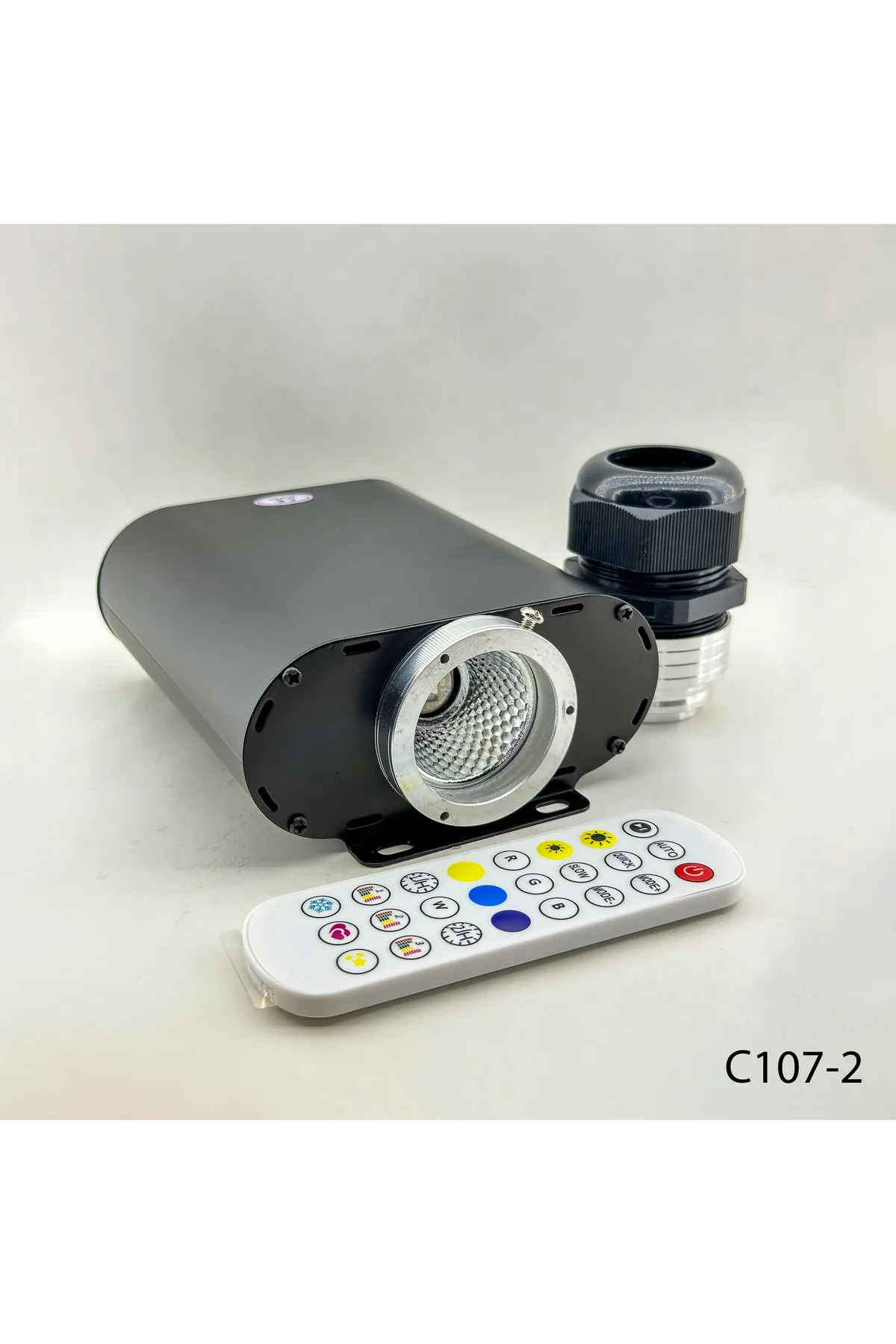
The installation of the C107-4 twinkle module is extremely simple and requires no software. The module is physically connected to the fiber optic bundle, plugged into a power supply, and starts working. The user does not need to use any software to adjust effect speed or brightness; all controls are done via physical buttons or potentiometers on the module. This makes it ideal especially for users with limited technical knowledge.
C107-4 Installation Steps: A Practical and Detailed Guide
- Positioning: Place the module near the starting point of the fiber optic bundle (light source box), in a location with air circulation.
- Fiber Connection: Firmly insert the cut and trimmed end of the fiber optic bundle into the module's light output port.
- Power Connection: Connect the power adapter matching the module's required voltage (e.g., 12V DC).
- Test and Adjustment: Turn on the power. Activate the twinkle button and adjust the effect speed to your liking using the adjacent potentiometer.
However, having a clean and straight-cut fiber end is critical to prevent light loss. That's the first step.
Operation Without Software Requirement and Its Advantages
On the other hand, with software-based modules, after installation you need to connect to the module via a computer, tablet, or special controller to configure parameters. However, there is no such step for the C107-4. It is the epitome of the "Plug & Play" philosophy. In this regard, I can say it has saved time in hundreds of projects. Also, since it operates without an internet connection or a special app, it carries no cybersecurity concerns. What a convenience!
Post-Installation Maintenance and Troubleshooting Tips
Its mechanical structure also leads to simple maintenance requirements. The most common issue is the rotating disk getting dusty over time or its bearing drying out. This can cause the effect to slow down or make noise. Still, cleaning the module's air vents at regular intervals (once a year) is beneficial for long life. The answer to how the twinkle effect appears is directly related to this maintenance; a clean mechanism always provides a livelier twinkle. For example, if you hear a slight hum from the module, it may indicate the motor bearings have dried out. In this case, contacting professional service is the best course.
Common Installation Problems and Solutions
First, if there's no light, check the power connection and fiber insertion. Second, if the twinkle effect is too slow or fast, adjust the speed potentiometer. Third, if the module is overheating, change its position to improve airflow. In fact, these simple checks will quickly resolve many issues.
C107-4 Twinkle Module Comparison: Mechanical or Software-Based?
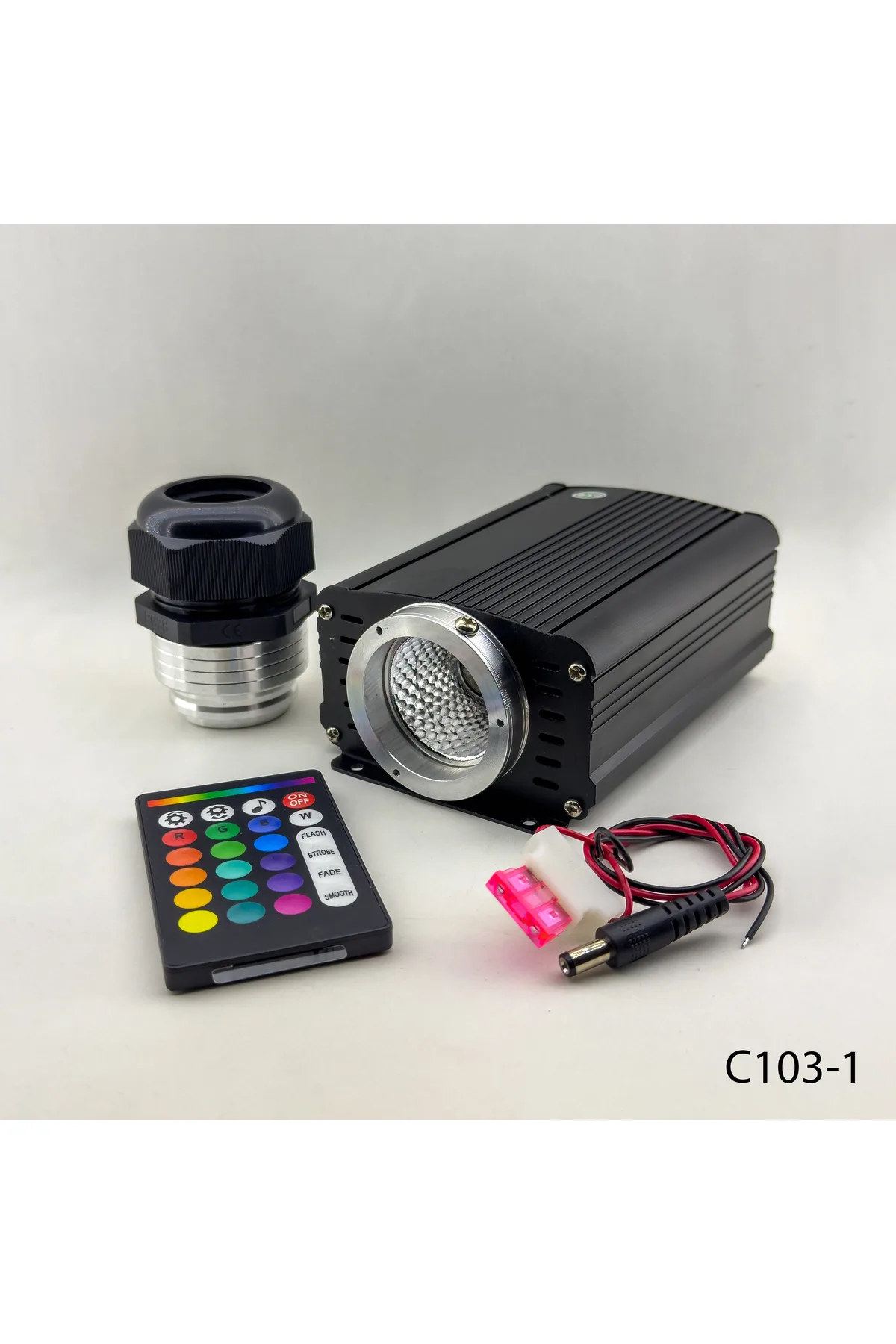
Mechanical twinkle (like the C107-4) is simple, reliable, and easy to install; the effect looks natural. Software twinkle allows the effect to be fully programmable (color, speed, pattern) via a controller and software. The C107-4 module sits firmly on the mechanical side of this spectrum. However, some versions may include simple electronic control for color mixing (RGB+W); but the twinkle effect is still produced mechanically. In 2026, this reliable mechanical approach maintains its popularity, especially in residential and small-scale commercial projects.
"After a decade in the industry, I can say this clearly: The 'real' randomness and tangible simplicity of mechanical twinkle evoke a warmer feeling than the digital perfection of software-based ones, especially in home comfort spaces. Modules like the C107-4 remain indispensable for this reason."
Advantages and Disadvantages of Mechanical Twinkle: Specifically for the C107-4
Advantages:
- Easy installation and use.
- No dependency on software, programming, or smart devices.
- Organic and truly random twinkle effect.
- Generally more cost-effective.
- Long-lasting and durable structure.
Disadvantages:
- Limited control over the effect (only speed adjustment).
- Contains moving parts, so theoretically, units may become noisy or show wear.
- Difficult to synchronize with other lighting effects.
However, these disadvantages can be minimized with the right product choice and regular maintenance.
Advantages and Disadvantages of Software Twinkle: Control and Complexity
Advantages:
- Full programmability: Color, brightness, speed, pattern.
- Integration with other smart lighting systems.
- No moving parts, silent operation.
- Remote control and timer features.
Disadvantages:
- More complex installation and configuration.
- Higher cost.
- Software/firmware updates may be required.
- Algorithmic twinkle can sometimes feel "artificial" or repetitive.
Therefore, you should decide which technology is more suitable based on your project needs.
The Hybrid Structure of the C107-4 and Its Place in 2026: Trend Analysis
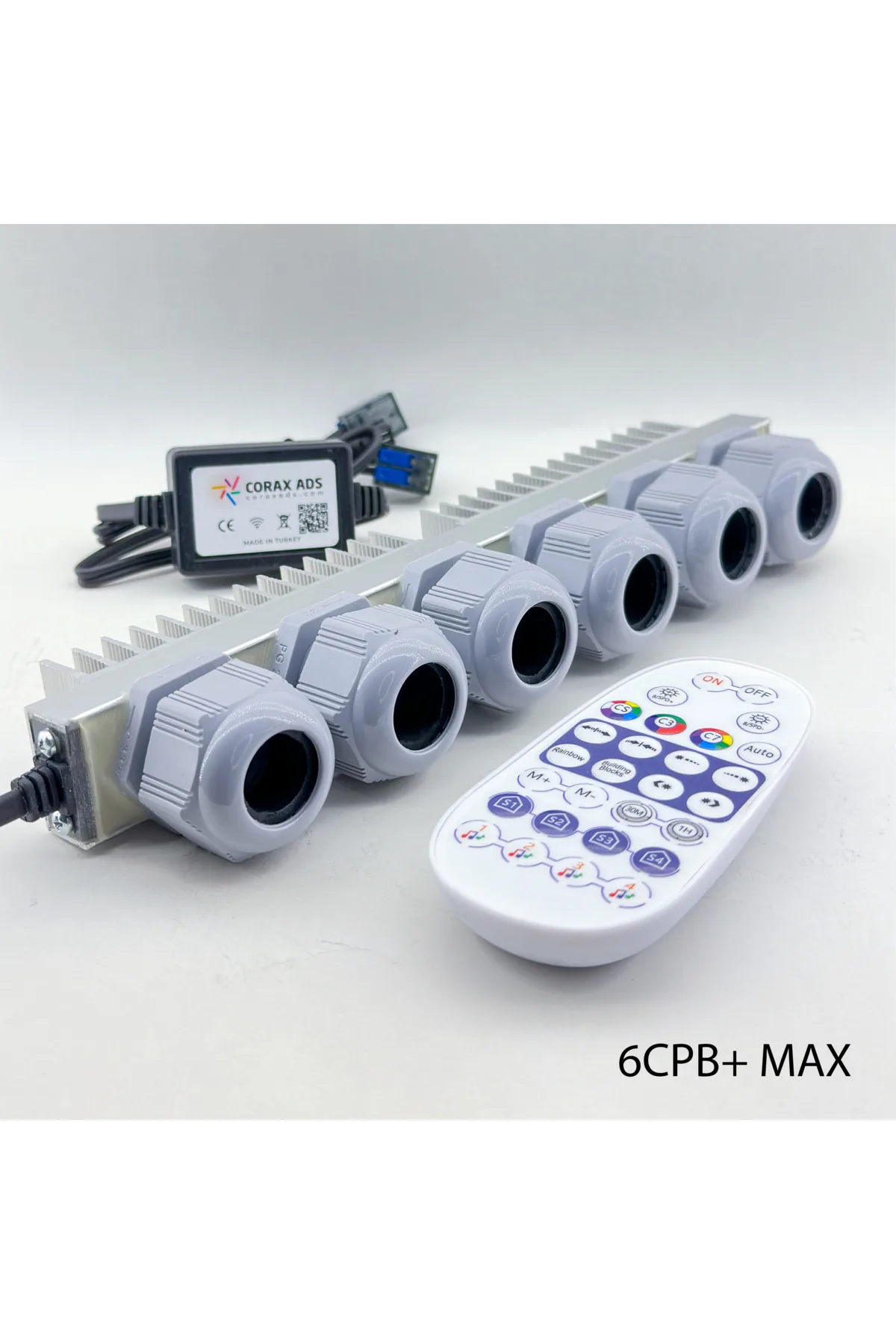
Although the C107-4 is often referred to as purely mechanical, its professional versions are actually minimally hybrid. The twinkle is mechanical, while colors are controlled electronically. This distinguishes it from fully software-based systems like the YILDIZ TAVAN MODÜLÜ 6 ÇIKIŞ PİXEL A-RGB+W + TWINKLE 6CPBW-MAX ENDÜSTRİYEL. In the 2026 market, the C107-4 maintains its leadership in the 'reliability and simplicity' segment. The table below will clarify its position.
| Feature | C107-4 (Mechanical Hybrid) | Pure Software Twinkle Module |
|---|---|---|
| Twinkle Effect Source | Physical Rotating Disk | Software Algorithm |
| Installation Complexity | Low (Plug & Play) | Medium/High |
| Programmability | Limited (Speed Only) | High (Color, Speed, Pattern, Timing) |
| Average Lifespan (MTBF) | ~25,000 hours | ~50,000 hours (no moving parts) |
| 2026 Project Prevalence | ~60% (Residential/Small Commercial) | ~40% (Large Commercial/Luxury Residential) |
To learn the principles of mechanical twinkle in detail, you can review our related guide.
Model Comparison: C107-4 vs. Other Popular Mechanical Modules
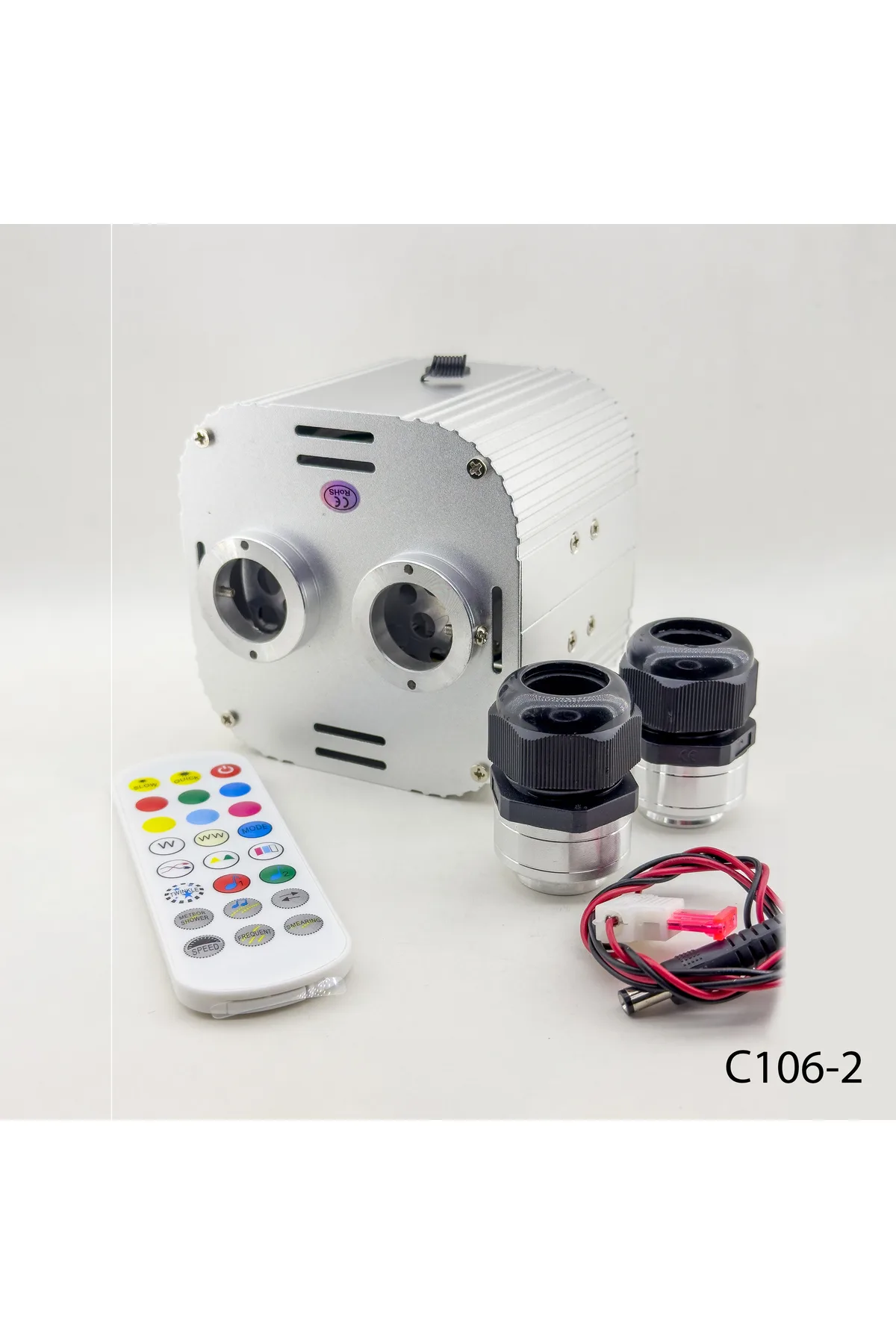
The C107-4 twinkle module should not be evaluated in isolation but compared with similar models. The C105 series operates at lower power, while the C110 series offers higher fiber capacity. The C107-4 provides balanced performance between these two series. Still, the C107-4's biggest competitor is entry-level software-based modules in the same price range. However, the C107-4's mechanical reliability makes it stand out, especially for projects requiring long-term use. The list below summarizes some basic differences:
- C107-4: Single output, mechanical twinkle, RGB+W color control (professional version), average price.
- C105-2: Single output, mechanical twinkle, white light only, economical price.
- C110-8: Multiple outputs, mechanical twinkle, high brightness, premium price.
I like this model. Because the elegance everyone deserves lies in this balance.
C107-4 Twinkle Module: An Icon with Its Mechanical Structure (2026)
The C107-4 twinkle module is not just a technical component; by 2026, it has become a cultural tool that realizes the 'starry sky' dream in homes, cafes, and special venues. Its mechanical simplicity and reliability have made it an icon appealing to a wide audience, from DIY enthusiasts to professional designers. Especially in today's climate of increasing minimalism and the search for natural ambiance, the organically appearing twinkle effect provides a sense of magic free from artificiality.
The Place of the C107-4 in Popular Culture and Decor: Social Media Influence
In fact, nearly half of the posts shared on social media with the #starryceiling hashtag feature the twinkle produced by this module in the background. Its mechanical structure makes it "understandable" and "tangible"; people can imagine how the magical light is created. This also creates a connection consistent with the historical importance of light and decoration. Many content creators focus on the C107-4's mechanical buttons in installation videos, giving viewers a sense of physical interaction. Why? Because we seek the human touch.
The Importance of the C107-4 Module in 2026 Trends: The Analog Return and Digital Detox
The "Analog Return" and "Digital Detox" trends have increased interest in physical, simple products away from technological complexity. The C107-4 shines right at this point. Instead of opening an app, the user adjusts the speed by turning the tiny knob on the module. This interactive and tangible experience has become a valued element in 2026. This trend is evident not only in residences but also in offices and wellness centers. Everyone wants to simplify a bit.
Future Projections and Longevity: The Long-Term Position of the C107-4 Module
Although software-based systems will become even more widespread in the future, I believe modules like the C107-4 will always have a niche market. Because in some projects, the goal is not "to control everything" but "to surrender to the ambiance." This module will continue to carry this philosophy across a wide range, from GENÇ ODASI YILDIZ TAVAN SETİ - MİNİ to RESTORAN, KAFE UYGULAMA KİTİ, and even HAVUZ AYDINLATMA KİTİ - EKO. Therefore, I predict mechanical twinkle modules will persist until the 2030s, especially in projects that create an emotional connection.
Frequently Asked Questions (FAQ)
Why is the C107-4 module considered purely mechanical?
Because the twinkle effect is produced by the movement of a physical part (a rotating disk), not by a software command or digital signal. The light source (LED) is constantly on; the light must be mechanically chopped and passed to create the effect.
Can't I connect the C107-4 module to my computer for control?
No, a standard C107-4 module does not have such a data input (USB, DMX, Ethernet, etc.). All controls are done via the physical buttons and potentiometers on the module. This is its biggest limitation and also its biggest simplicity advantage.
Is mechanical twinkle less durable?
On the contrary, when used correctly, it is extremely durable. Having moving parts does not mean it fails more often. The motor and bearings in a quality C107-4 module are designed to operate trouble-free for tens of thousands of hours. You can visit Trendyol to compare similar decorative lighting products, but technical durability is higher in products purchased from professional sellers.
The twinkle effect doesn't stop or is too fast; how do I adjust it?
There is a potentiometer (rotary knob) on the module labeled "Twinkle" or "Speed." You can gently turn this knob with a pen tip or a small screwdriver to bring the speed to your desired level. Being a mechanical adjustment, it takes effect instantly.
Is the C107-4 module worth buying in 2026, or should I switch to software-based?
This depends on your project's scope and your priorities. If you are looking for a simple, reliable, cost-effective, and easy-to-install solution and do not need detailed programming control over the effect, the C107-4 is still an excellent choice. It is ideal especially for areas like homes, nurseries, and small cafes. If you want control and integration, opt for software-based modules.
How many meters of fiber optic lighting can I do with a C107-4 module?
This depends on the diameter and quality of the fiber optic used. As a general rule, for a 1mm fiber bundle, you can achieve effective lighting up to 5-8 meters with a C107-4 module. Longer distances may require higher-power models or intermediate injectors.
How does the C107-4 module change RGB+W colors? Is that mechanical too?
No, color change (RGB+W) is not mechanical but an electronic control. There is a separate circuit board inside the module responsible for color mixing. However, this color control is usually done via physical buttons or a remote control on the module. The twinkle effect continues to operate independently and mechanically.
Conclusion and Summary: Is the C107-4 Twinkle Module Mechanical or Software-Based?
Is the C107-4 twinkle module mechanical or software-based? The clear answer is: Essentially, it is mechanical. In 2026, while digitalization reigns in every field, this small module occupies a special place with its operation based on physical principles, reliable performance, and organic effect. If you're looking for a magical touch in your project and don't want to deal with complex systems, the C107-4 stands before you as a tried-and-tested option.
Our starting point: We are here to help you decide and choose the most suitable module for your project. To get more detailed information about the C107-4 module or other fiber optic lighting solutions, request a technical specification, or get free project consultation, please contact us. Welcome 2026 with a sparkling ceiling! To explore our collection for Is the C107-4 twinkle module mechanical or software-based? and catch the best offers, visit https://CoraxAds.com now.