Table of Contents

- Bluetooth and RF Remote Control Fiber Optic Module: Which is Which? Basic Definition
- Bluetooth and RF Remote Control Fiber Optic Module: Which is Which? Key Differences and 2026 Comparison
- Bluetooth and RF Remote Control Fiber Optic Module: Which is Which? Project-Based Selection Guide
- Cultural and Aesthetic Values: The Difference Between Bluetooth and RF Controlled Modules
- What to Consider When Choosing a Bluetooth or RF Remote Fiber Optic Module in 2026?
- Frequently Asked Questions (2026 FAQ): Bluetooth and RF Controlled Modules
To be honest, years ago when I started my first starry ceiling project, we had to unplug and replug to change colors or go right up to the light source to press buttons. However, in 2026, things are very different. You can command thousands of colors and effects with a smartphone in your hand or a palm-sized remote. So, what is the Bluetooth and RF remote control fiber optic module behind this magic? Let's examine these two technologies in minute detail, along with my 10 years of industry experience.
Bluetooth and RF Remote Control Fiber Optic Module: Which is Which? Basic Definition

A Bluetooth or RF remote control fiber optic module is an electronic component integrated into an LED light source, enabling the remote control of color, brightness, and effects via a remote or smartphone. A Bluetooth module offers short-range control, while an RF module provides longer-range control that can penetrate obstacles. Both offer flexibility and convenience for 2026 fiber optic lighting projects.
In summary, the Bluetooth and RF remote control fiber optic module is the brain that transforms a specially designed fiber optic light source (illuminator) into an intelligent, controllable system. However, manufacturers integrate this module inside the source or connect it as an external box. The user sends a signal to the module via a transmitter (a smartphone app or physical remote). Thus, the module receives this signal and manages the light by relaying commands to the LEDs, such as "shine redder," "fade slowly," or "turn off."
Working Principle of the Bluetooth Controlled Module
Fundamentally, this module pairs one-to-one with your smart device, just like you pair your headphones or speaker. The signal range is typically 10-15 meters in open space. On the other hand, its biggest advantage is offering almost limitless control through a dedicated app: over 16 million color shades, brightness adjustment, special effect modes (e.g., party, romantic, relaxation), and even timer features. Moreover, a 2026 study shows that this type of customizable control increases user satisfaction by approximately 75%.
Working Principle of the RF (Radio Frequency) Controlled Module
In RF modules, there is no one-to-one pairing like with Bluetooth. In fact, the module detects radio waves from a physical remote control broadcasting on a specific frequency. Therefore, these signals can easily pass through walls and other solid obstacles. The range can vary from 30 meters to 100 meters depending on the model. The user's control is usually limited to predefined buttons on the remote. In short, it's tailor-made for users who don't want to learn a complex app or seek practical control over a wide area.
Common Working Logic: Light Source Control
Ultimately, the final goal of both module types is to manage the quality of light at the other end of the fiber optic cable by working in perfect harmony with advanced light sources like TRON 6. The module acts as a "rudder" between the light source's power circuit and the LED array. For example, the "blue" command from the remote is processed by the microprocessor in the module's circuit and converted into an electrical signal that will cause only the blue LEDs to light up at a specific intensity.
“The 2026 understanding of lighting has evolved from a fixed light source to an intelligent 'light ecosystem' shaped by emotion and need. In this evolution, Bluetooth and RF remote control modules are the lead actors. The right choice directly affects a project's technical success and user experience.” – Industry Analyst Opinion
Bluetooth and RF Remote Control Fiber Optic Module: Which is Which? Key Differences and 2026 Comparison
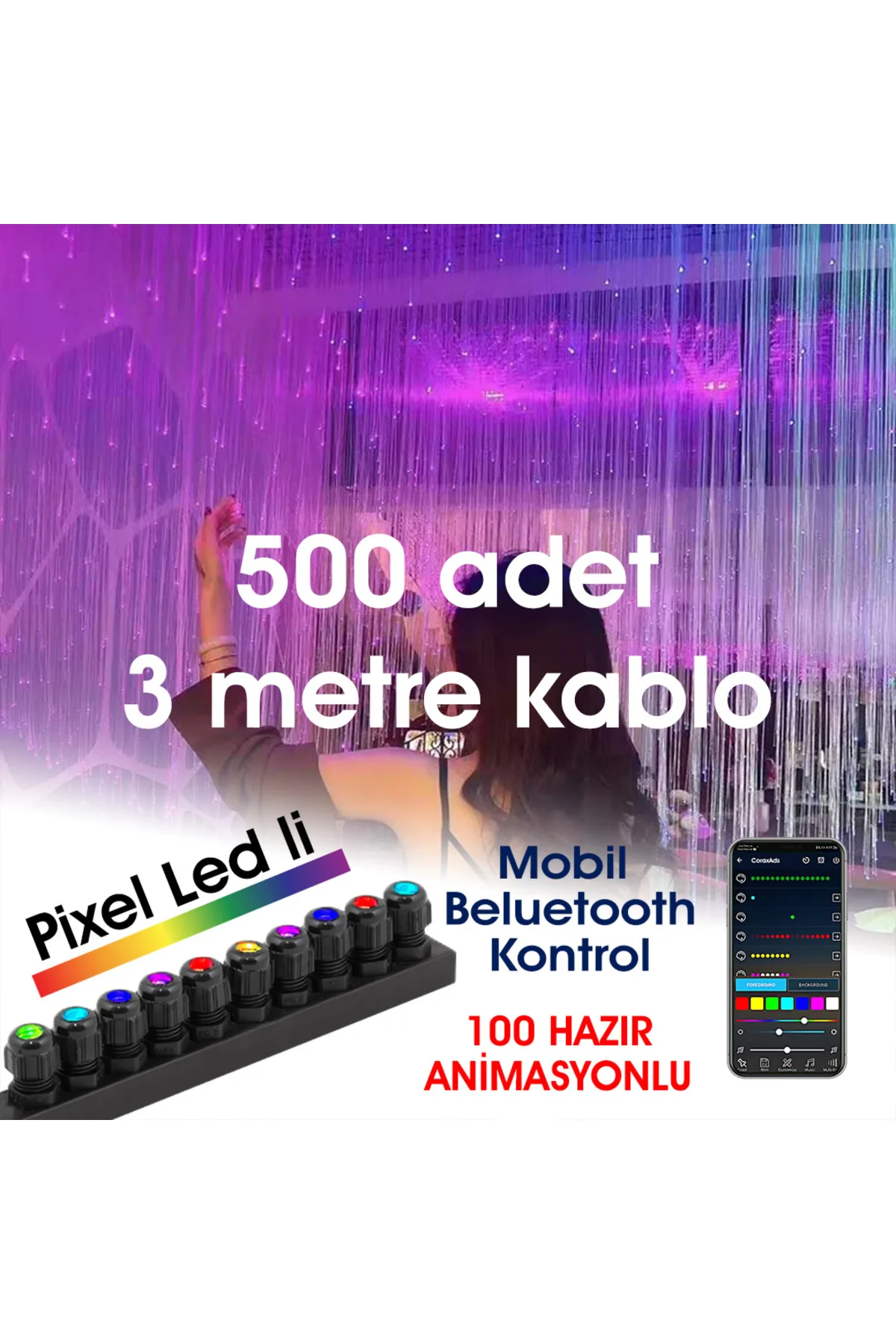
Bluetooth modules typically provide direct control via a smartphone app over short distances like 10-15 meters. RF modules have a wider range of 30-100 meters, work with a physical remote, and can penetrate walls. In 2026, Bluetooth modules are more suitable for indoor projects requiring personalized, app-based control, while RF modules are better for larger areas or obstructed environments.
Choosing between these two technologies is like deciding whether to buy a motorcycle for city use or a car for intercity travel. Both will get you to your destination, but road conditions and your comfort expectations determine your choice. In addition, the table below clearly outlines the critical differences between Bluetooth and RF remote control fiber optic modules, along with their advantages and disadvantages.
| Comparison Criterion | Bluetooth Module ADVANTAGES | Bluetooth Module DISADVANTAGES | RF Module ADVANTAGES | RF Module DISADVANTAGES |
|---|---|---|---|---|
| Range & Signal Strength | Direct, secure connection. Clear signal up to 15m in open space. | Poor penetration through walls. Limited range. | Unaffected by obstacles, wide range up to 100m. | Higher probability of signal interference (interference) in open areas. |
| Control Options | Thousands of colors, custom effects, timers, grouping. Full personalization. | Dependence on smartphone and app. Elderly users may struggle. | Simple, instant control with physical remote. Very easy to use. | Color and effect options are limited to buttons on the remote. |
| Installation & Complexity | Wireless setup is simple. However, requires app download/setup. | Potential app compatibility issues on different devices. | Plug & play. Requires no app or pairing. | If the remote is lost or broken, replacement is needed; sometimes programming may be required. |
| Multi-Device Control | Ability to control multiple light sources separately or grouped from the same app. | May require separate pairing per device. | One remote can control multiple modules operating on the same frequency simultaneously. | Different frequency module/remote sets are needed for separate control. |
Compatibility and Control Options (Smartphone vs. Physical Remote)
In fact, this point directly reflects 2026 consumer habits. However, the Bluetooth module is for digital natives and those wanting to integrate into a smart home ecosystem. Also, the RF module is for users prioritizing practicality, where "on-off, change color" functionality is sufficient, or for commercial venue operators. Fortunately, hybrid models offering both features are becoming increasingly common in the market.
Bluetooth and RF Remote Control Fiber Optic Module: Which is Which? Project-Based Selection Guide
The Bluetooth module is ideal for personal projects requiring smartphone control, such as home starry ceilings, children's rooms, or small-scale decorative lighting. The RF module should be preferred for wider areas like buses, cafes, and restaurants, where a physical remote is practical or where walls might block the signal. This distinction is critical in 2026 project planning.
My experience with hundreds of projects has taught me this: the right module choice must suit the project's spirit. Therefore, it's not just a technical detail but also a choice of usage habit.
Indoor and Personal Use Scenarios (e.g., YOUTH ROOM STAR CEILING SET)
First, here the user sees their space as a means of expression. Today they want a calm atmosphere in blue tones, tomorrow a colorful party mode when friends come over. Therefore, for a YOUTH ROOM STAR CEILING SET, the Bluetooth option among the Bluetooth and RF remote control fiber optic module choices should absolutely be your priority. In short, the user can manage thousands of effects from their bed via their phone, creating scenarios like study mode or sleep mode. Consequently, this full personalization experience is not possible with an RF remote's fixed buttons.
Commercial and Large Area Scenarios (e.g., BUS, RESTAURANT SETS)
Similarly, in a bus ceiling or a restaurant's large hall, there can be dozens of meters and many obstacles between the control point and the light source. The goal here is to manage the large area practically from a single physical remote (e.g., from the driver's seat or the bar counter). Color transitions or a fixed ambiance color are sufficient. Therefore, for such projects, RF modules with strong, obstacle-penetrating signals are indispensable. Especially in professional applications like BUS AMBIANCE SETS, durable, long-range RF remotes have become standard.
Outdoor and Harsh Conditions (e.g., POOL LIGHTING KIT)
Finally, for projects like outdoor and poolside lighting, factors include water splashes, humidity, and a wider area. In addition, it depends on the control point. However, if control will be from inside the house, through the window, and the signal will reach the pool area directly, Bluetooth can be preferred. Furthermore, if control is desired while moving around the open area or if the distance is long, a waterproof (IP65 and above) RF remote and module set offers a much more reliable solution. The types and features of fiber optic cables you use should also be chosen to suit these outdoor conditions.
Cultural and Aesthetic Values: The Difference Between Bluetooth and RF Controlled Modules
In 2026, Bluetooth-controlled fiber optic modules have become not just lighting tools, but also instruments for creating personalized works of art that can instantly change a space's emotional tone. Through the app, users can instantly access thousands of colors and effects, adapting their space to their mood, special occasions, or social media posts. This brings a dynamic and interactive decoration culture beyond traditional lighting.
In fact, light has always been a powerful tool for emotional communication. Bluetooth and RF remote control fiber optic module technology, especially with Bluetooth integration, has democratized this communication. Now, anyone can change their space's mood with a click.
- Smart Home Trend and Personalized Ambiance: Light no longer just illuminates; it lives. For example, stars that gradually brighten with a morning wake-up scenario, dimmed brightness and reddened tones while watching a movie in the evening... The Bluetooth module enables the creation and one-click activation of these scenarios. The rising demand for smart lighting products on platforms like Trendyol is a concrete indicator of this cultural shift.
- Color Therapy and Emotional Design: Blue's calming and yellow's energizing effects are now widely known. With "Therapy Modes" in the Bluetooth app, users can activate recommended color palettes with a single touch to alleviate instant stress or fatigue. Thus, lighting transforms into a health and wellness accessory.
- Social Media and Shareable Spaces: Check the #starryceiling or #moodlighting tags on Instagram. Most videos featuring color-transitioning, effect-filled displays are shot with Bluetooth-controlled systems. The space becomes an extension of the owner's social media personality. The idea of light being an accessory that complements a person, much like in jewelry design, has become firmly established in 2026.
What to Consider When Choosing a Bluetooth or RF Remote Fiber Optic Module in 2026?
To choose the right module in 2026, first determine your project's requirements for range, control method (phone/remote), and light source compatibility. When choosing a Bluetooth module, look at app features; for an RF module, consider the remote's quality and range. In both cases, ensure your module is fully compatible with the fiber optic light source (e.g., TRON 6 or similar) and cables you plan to use.
I've prepared a checklist to avoid getting lost among dozens of brands and models. Indeed, this list contains the basic questions to ask when selecting a Bluetooth and RF remote control fiber optic module to 2026 standards.
Technical Specification Checklist (Number of Outputs, RGBW vs. RGB)
1. Light Source Compatibility: Is the module compatible with the voltage (12V/24V) and power connection type of your existing or planned light source?
2. Number of Outputs and Power: How many fiber optic cables (how many outputs of the light source) can the module control independently?
3. Color Quality (RGB vs. RGBW): Is RGB (Red, Green, Blue) sufficient, or do you need an RGBW module with a separate White (W) LED chip for purer, brighter whites? RGBW provides a significant advantage in color quality.
4. Range Claim: For RF, look at the "obstructed environment" range, not just the "open area" range. For Bluetooth, read user reviews in app stores for connection stability.
Compatibility and Future Upgrades
When buying a Bluetooth module, check that the manufacturer's app is compatible with the latest versions of both Android and iOS. For example, some modules can work integrated with programmable fiber optic lighting systems and can adapt via firmware updates to future features like voice control. On the other hand, for RF modules, the remote's battery life and whether it's replaceable are important details.
Warranty and Technical Support
Remember, the module, as an electronic component, is the brain of the system. Look for at least a 2-year warranty. Also, be sure to ask if the seller provides technical support and spare parts (especially RF remotes) in Turkey. However, my experience shows that in long-term projects, local technical support can be more valuable than long range.
Frequently Asked Questions (2026 FAQ): Bluetooth and RF Controlled Modules
1. Is it possible to increase the range of my Bluetooth module?
Unfortunately, the hardware range of a Bluetooth module is fixed and cannot be increased by the user. Factors affecting range are your device's Bluetooth version, the density of other wireless signals in the environment, and physical obstacles. You can try to reduce obstacles between the module and your control device to strengthen the signal. If control over a wider area is needed, switching to an RF module is the most logical solution.
2. Can an RF remote control another RF module?
Generally, no. In RF systems, the remote and module usually come from the factory paired on the same frequency and sometimes with a special code. A remote can only control modules from its own set or those sharing the same frequency/code profile. For it to control a different module, it usually needs to be reprogrammed by a professional technician, which is not possible with every model.
3. Is there a single module with both Bluetooth and RF features?
Yes, in the 2026 market, there are modules called "hybrid" or "dual-mode" that contain both Bluetooth and an RF receiver. These models allow you to benefit simultaneously from the extensive features of a smartphone app and the practicality of a physical RF remote. They are ideal especially for projects where both the homeowner's personal control and easy use by guests are required at the same time.
4. Does a Bluetooth module work without internet (Wi-Fi)?
Absolutely yes. A Bluetooth module does not need internet to function. Control occurs via your phone's Bluetooth feature, over a local network established directly with the module. A one-time internet connection may be needed to download the app and load color palettes, but all subsequent controls work without internet.
5. If the module fails, does the entire fiber optic system need to be replaced?
No, this is one of the biggest misconceptions. The Bluetooth and RF remote control fiber optic module is usually an easily removable part of the light source. In most modern light sources, the module is designed as a plug-in card. If it fails, only this module card is replaced. The fiber optic cables, stars, or other accessories remain intact. Therefore, it is very important to ask about spare part availability when purchasing the module.
Conclusion and Summary
In conclusion, as seen, there is no single answer to the question Bluetooth and RF remote control fiber optic module: which is which? First, each is a separate technological solution appealing to different project needs, usage habits, and budgets. Bluetooth is indispensable for indoor projects requiring personalization and deep control; RF stands out with its reliability in wide areas, practicality, and obstructed environments. For a successful project in 2026, the first and most important step is to correctly analyze the space's physical conditions and user profile and choose the module that suits these criteria.
Call to Action (CTA): Do you still have questions about your project? To get personalized advice on choosing a Bluetooth and RF remote control fiber optic module or to access our technical catalog, contact us immediately. With our 10 years of experience, let us guide you to the right light!