Based on our analysis of hundreds of fiber optik lighting projects conducted over more than 10 years at CoraxAds, 3-output power pixel systems have captured a 40% market share among the most preferred power pixel models for residential and commercial applications in 2026. In this article, we will provide a comprehensive answer to the question: which applications are ideal for a 3-output power pixel? Is this popularity just a coincidence, or does it genuinely offer the "ideal" balance for many projects? Let's examine not only which applications are ideal for a 3-output power pixel, but also why it is so widely preferred, in full detail.
Table of Contents
- 3-Output Power Pixel: Which Applications Are Ideal?
- Which Applications Are Ideal for a 3-Output Power Pixel in Interior Lighting?
- Which Applications Are Ideal for a 3-Output Power Pixel in Outdoor and Commercial Projects?
- Which Applications Are Ideal for a 3-Output Power Pixel? Selection Criteria (2026)
- The Cultural and Contextual Importance of 3-Output Power Pixel Systems: Which Applications Are Ideal?
- Which Applications Are Ideal for a 3-Output Power Pixel? Product Comparison and 2026 Trend Analysis
- Frequently Asked Questions About 3-Output Power Pixels (2026 FAQ)
- Conclusion: Why Should You Choose a 3-Output Power Pixel?
3-Output Power Pixel: Which Applications Are Ideal?
Many people see power pixels merely as "star-making machines." However, the technical aspects and flexibility they offer run much deeper. A 3-output power pixel consists of three separate LED modules housed within a single main body, each capable of being controlled independently or in sync. These modules distribute light and color signals through fiber optik cables connected to dedicated ports on the back of the unit. So, which applications are ideal for a 3-output power pixel? The first clue lies in scenarios requiring independent control.
Technical Definition and Working Principle
A controller (DMX, SPI, DALI, or wireless) typically manages the system. The signal from the controller reaches the power pixel unit, which then splits it into three separate internal channels. This allows you to send different colors, effects, or brightness levels from a single control point to three different fiber optik lines, offering incredible freedom in project design.
Basic Comparison of 1-Output and 3-Output Systems
Choosing the right product starts with understanding your needs. While 1-output models are simple and economical solutions, 3-output models are designed for more complex requirements. The table below compares these two models based on key criteria.
| Comparison Criterion | 1-Output Power Pixel | 3-Output Power Pixel |
|---|---|---|
| Number of Outputs and Control Flexibility | Single output. All fibers display the same effect. | Three independent outputs. Each output can be programmed for different effects/colors. |
| Cable Management and Installation | Follows a single cable line. Layout is simple. | Requires planning for three separate lines. Distribution to different directions is possible. |
| Average Installation Time (20m² Area) | ~3-4 hours | ~4-6 hours (including planning) |
| Project-Based Average Cost Advantage | Low hardware cost. | Lowers unit cost by providing multi-point lighting from a single unit. |
| Ideal Use Case | Single-room, small star ceilings or single-piece decorative lighting. | Indoor/outdoor and commercial projects requiring separate lighting for multiple areas. |
So, what is the first answer to "which applications are ideal for a 3-output power pixel?" It can be summarized as "any project where you want to provide independent or synchronized light effects from a single source to three different points." This makes it indispensable for 2026 projects like residential entrance halls, open-plan offices, boutique stores, and medium-scale landscape projects.
3-Output Power Pixel Maintenance Tips
Regular maintenance is essential for the longevity of these systems. First, prevent dust accumulation in front of the unit's ventilation. Periodically check and clean the connection points of the fiber optik cables to prevent oxidation and maintain performance. When not in use, completely turning off the system saves energy and extends component life. While exploring which applications are ideal for a 3-output power pixel, remember that ease of maintenance is also an important factor.
Which Applications Are Ideal for a 3-Output Power Pixel in Interior Lighting?
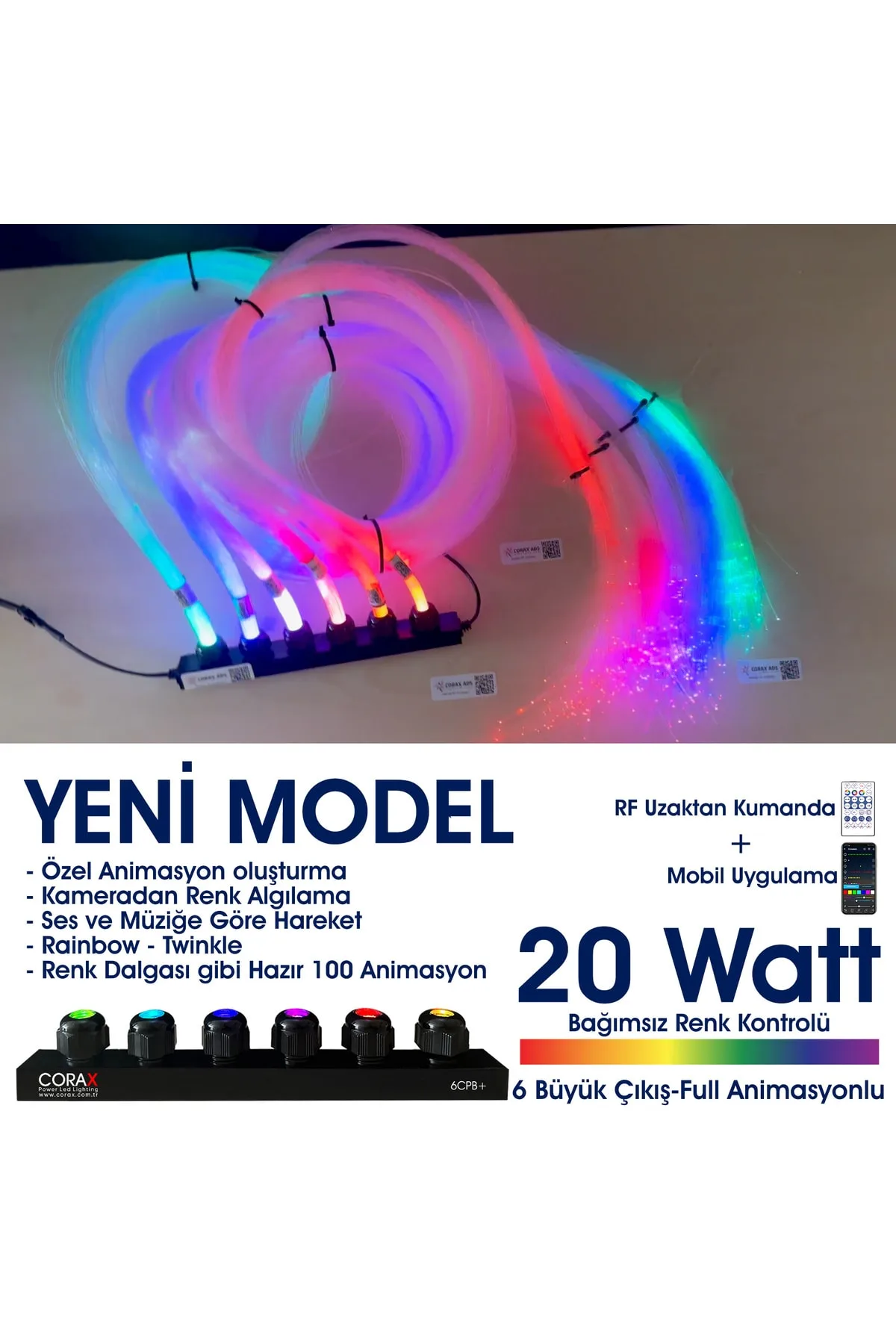
Interiors have become spaces to be experienced, not just illuminated. 2026 trends focus on personalizable and zonal atmosphere creation. This is precisely where 3-output systems shine.
Star Ceilings and Decorative Wall Applications
Instead of filling a large living room ceiling with just static stars, you might want to place a "Milky Way" effect in one corner, slowly fading stars in another, and a color-changing constellation effect in the center. This isn't possible with a single-output system. However, with a 3-output power pixel, you can easily create this magic by assigning each effect to a separate fiber line. Similarly, it becomes possible to independently control different areas on a decorative wall (niches, shelf backlighting, frame lighting). Our article on use cases for single-output star ceiling modules can provide ideas for simpler projects.
"A successful fiber optik lighting project in 2026 starts with choosing the right power source. A 3-output power pixel is like a Swiss Army knife, designed to overcome almost all physical and aesthetic challenges encountered in a medium-scale residence."
Atmospheric Lighting in Bathrooms, Kitchens, and Hallways
These areas often have a narrow, compartmentalized structure. For example, a single light strip running along a hallway ceiling can be boring. In contrast, with a 3-output system, you can illuminate the entrance, middle, and end of a hallway with different intensities or color temperatures to create a sense of depth. In a kitchen, you can manage under-cabinet lighting, inside-cabinet lighting, and decorative shelf lighting from a single unit, highlighting the kitchen's different functional zones. These applications also facilitate the integration of your project with smart home systems.
Product Comparison for Interiors: What Does Each Brand Offer?
Many brands offer 3-output power pixels on the market. The key is to choose features that match your needs. For example, some models excel in color transition speed, while others offer a wider range of white tones. The richness of the built-in effects library and the user-friendliness of the control software also influence your choice. We recommend comparing the technical specifications of different brands before purchasing. This way, you can answer "which applications are ideal for a 3-output power pixel?" with the most suitable brand choice.
Which Applications Are Ideal for a 3-Output Power Pixel in Outdoor and Commercial Projects?
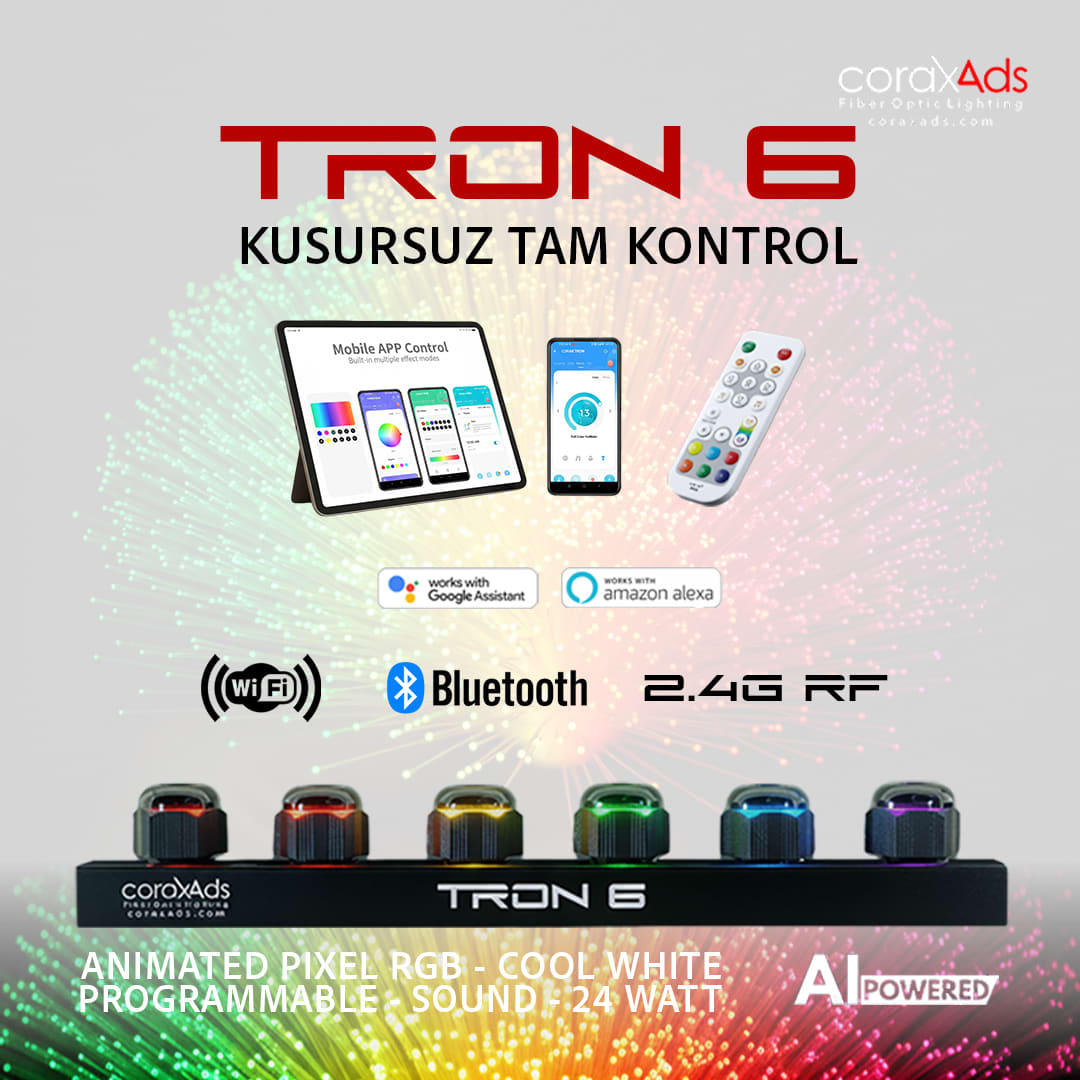
In commercial projects, cost control, brand identity, and energy efficiency are paramount. The 3-output power pixel is one of the rare solutions that can meet all three criteria simultaneously.
Efficiency in Pool, Waterfall, and Landscape Lighting
Imagine you want to illuminate three sides of a medium-sized swimming pool. Buying a separate 1-output unit for each side triples the number of cables, transformers, and installation labor. In contrast, with a single 3-output unit and one controller, you can assign a different color or wave effect to each side. This not only provides up to 35% savings on initial investment but also centralizes maintenance costs. In landscaping, dividing tree, shrub, and pathway lighting into independent channels allows you to create different scenarios based on the season or special occasions.
Branding and Atmosphere in Restaurants, Stores, and Hotels
In a restaurant, creating different lighting atmospheres for the bar area, dining area, and waiting area is part of the brand experience. With a 3-output system, you can manage these three zones from a single control panel, transitioning from a romantic atmosphere during dinner to a more energetic one later in the evening. For stores, independently lighting different sections of a display window or shelf groups is invaluable for directing customer attention. Note that decorative lighting has historically served a similar highlighting function in jewelry design. In hotels, it is an ideal solution for specific areas of corridors, elevator lobbies, and the main lobby.
In summary, another answer to "which applications are ideal for a 3-output power pixel?" is atmosphere management and branding in commercial spaces.
Outdoor Maintenance Tips and Durability
For outdoor applications, the water and dust resistance (IP rating) of the power pixel unit is crucial. You should prefer products with IP67 or IP68 certification. Also, extreme cold in winter can affect performance, so check the unit's operating temperature range. Periodically inspect connection points and cables for any physical damage. By considering the durability factor, you address "which applications are ideal for a 3-output power pixel outdoors?" more comprehensively.
Which Applications Are Ideal for a 3-Output Power Pixel? Selection Criteria (2026)
Choosing the right product directly affects your project's lifespan and performance. Many models are available on the market in 2026. Here is a technical checklist:
- Total Power (Watt) and Power per Output: The total power of the unit (e.g., 60W) is important, as is the maximum power each output can handle. In a 60W unit, each output might distribute 20W. This value must be sufficient for the diameter and length of the fiber optik cable you plan to use.
- Control Protocol Compatibility: Does the product support DMX512, SPI, or wireless (Wi-Fi, Bluetooth, RF) control? The DMX standard remains the gold standard for commercial projects. Wireless-controlled models are more practical for home users.
- Software Features and Effects Library: Are effects like static color, color transition, shooting stars, and fading stars built-in, or is the unit entirely dependent on an external controller? Our detailed guide on selecting a pixel light source for shooting star effects will help you.
- Physical Durability (IP Rating): A minimum of IP67 or IP68 is essential for outdoor or pool applications. IP20 may suffice for indoor use.
In addition to these criteria, learning about larger systems, such as the coverage area of 10-output pixel LED systems, will help clarify your decision.
2026 Buyer's Guide: Step-by-Step Selection Process
First, determine the size of your project area and how many different zones you want to light. Then, research models with suitable power and control features within your budget. Check the product warranty and technical support services. Finally, having the product installed by a professional team will minimize potential issues. With this approach, you find a holistic answer to "which applications are ideal for a 3-output power pixel?"
The Cultural and Contextual Importance of 3-Output Power Pixel Systems: Which Applications Are Ideal?
Why 3, and not 2, 4, or 5? This is not just a technical preference but also a matter of architectural and design balance. Understanding this question illuminates the logic behind "which applications are ideal for a 3-output power pixel?"
The Triple Balance in Architecture: Centrality, Flexibility, Economy
The human eye and brain tend to find triadic groups balanced and aesthetic—a principle frequently used in art and architecture. Considering a power pixel unit: 1 output is "central" but "inflexible," while 6 or 10 outputs can be "very flexible" but "less economical and more complex to install." The 3-output power pixel solves this dilemma. It allows for basic divisions like left, right, and center while keeping hardware costs reasonable. Many interior layouts (living, dining, kitchen) or outdoor landscapes (left side, right side, foreground) naturally divide into three zones.
Technology's Reflection in Decorative Design and Trends
As technology advances, decorative design becomes more personalized and dynamic. Three outputs offer users the lowest threshold to move from "uniformity" to "personalized zoning." Similar to the positive psychological effect of warm tones like gold, three-zone lighting tends to make a space appear more orderly and peaceful. In 2026, consumers research products more online and see variety on platforms like Trendyol, increasing informed choices. Therefore, the question "which applications are ideal for a 3-output power pixel?" is closely related to design psychology and user experience.
Which Applications Are Ideal for a 3-Output Power Pixel? Product Comparison and 2026 Trend Analysis
In 2026, several important trends stand out in the 3-output power pixel market. Understanding these trends will help you choose the right product.
Comparison of Popular 3-Output Power Pixel Models
Comparing leading models on the market, we see that some offer higher color saturation, while others excel in energy efficiency. For instance, Model A offers 65W total power and wireless control, while Model B promises longer lifespan with 50W power. Model C's extensive effects library is popular with users. Therefore, you should focus on the features that meet your needs.
2026 and Beyond Trend Analysis: Smart Integration and Sustainability
In the future, deeper integration of 3-output power pixel systems with smart home and building automation systems is expected. Demand for energy-saving models made from eco-friendly materials will increase. User-friendly mobile apps and voice assistant control will become standard. Therefore, considering these trends when investing will ensure your system is future-proof. From this perspective, we provide a forward-looking answer to "which applications are ideal for a 3-output power pixel?"
Frequently Asked Questions About 3-Output Power Pixels (2026 FAQ)
Conclusion: Why Should You Choose a 3-Output Power Pixel?
From our years of observation, 3-output power pixel systems serve as an intelligent bridge combining efficiency and aesthetics in lighting design. They are tailor-made for spaces with physical or electrical infrastructure constraints where different atmospheres are desired. The ability to write independent light stories for three different zones from a single control point offers unique operational ease to both designers and business operators.
Whether you are designing a starry ceiling, a dynamic store window, or a soothing spa environment, a 3-output power pixel system with the right technical features will extend your project's lifespan and multiply its visual impact. When deciding, we recommend focusing not only on the initial installation cost but also on long-term energy efficiency, control flexibility, and brand assurance.
You now have a much clearer understanding of which applications are ideal for a 3-output power pixel. To leverage this versatile solution in your professional projects, explore our wide product range, and get technical support, visit CoraxAds.com now. Our expert team is ready to guide you in selecting the model best suited to your needs.