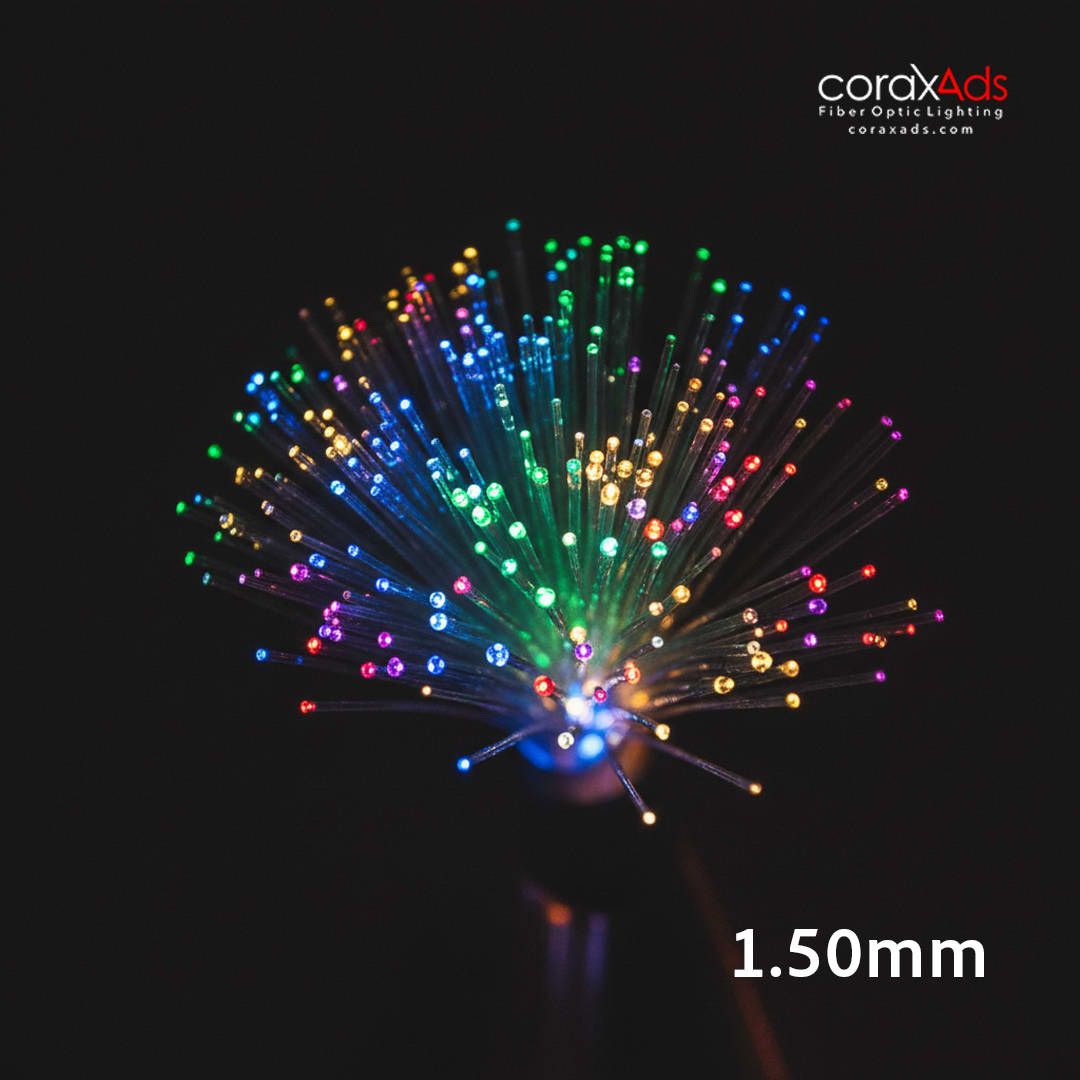
The global decorative fiber optic lighting market is projected to grow at an annual rate of 12-15% until 2026. In this context, the question, "For which applications is 1.50mm fiber optic cable preferred?" is becoming increasingly prominent. However, the foundation of this growth lies in using the correct cable diameter for the right project. Finding an answer to this question, which acts as a bridge in this market expansion, is crucial. In this article, we will answer this critical question in detail, drawing from over a decade of field experience and a 2026 perspective.
In fact, this diameter has become a favorite for both amateur and professional projects by offering a perfect balance between durability and flexibility.
Therefore, this introductory article aims to provide a comprehensive overview, specifically addressing the question of which applications 1.50mm fiber optic cable is preferred for. To explore our "Which applications is 1.50mm fiber optic cable preferred for?" collection and seize the best opportunities, visit https://CoraxAds.com now.
Table of Contents
- For Which Applications is 1.50mm Fiber Optic Cable Preferred? | The 2026 Answer
- For Which Applications is 1.50mm Fiber Optic Cable Preferred? Technical Advantages and Application Principles
- For Which Indoor Applications is 1.50mm Fiber Optic Cable Preferred?
- For Which Applications is 1.50mm Fiber Optic Cable Preferred? Reliable Solutions for Outdoor and Harsh Conditions
- For Which Applications is 1.50mm Fiber Optic Cable Preferred? Comparative Analysis
- For Which Applications is 1.50mm Fiber Optic Cable Preferred? 2026 Purchasing Guide
- For Which Applications is 1.50mm Fiber Optic Cable Preferred? Project Checklist
- For Which Applications is 1.50mm Fiber Optic Cable Preferred? Maintenance and Post-2026 Trends
- Frequently Asked Questions About 1.50mm Fiber Optic Cable (2026 FAQ)
For Which Applications is 1.50mm Fiber Optic Cable Preferred? | The 2026 Answer
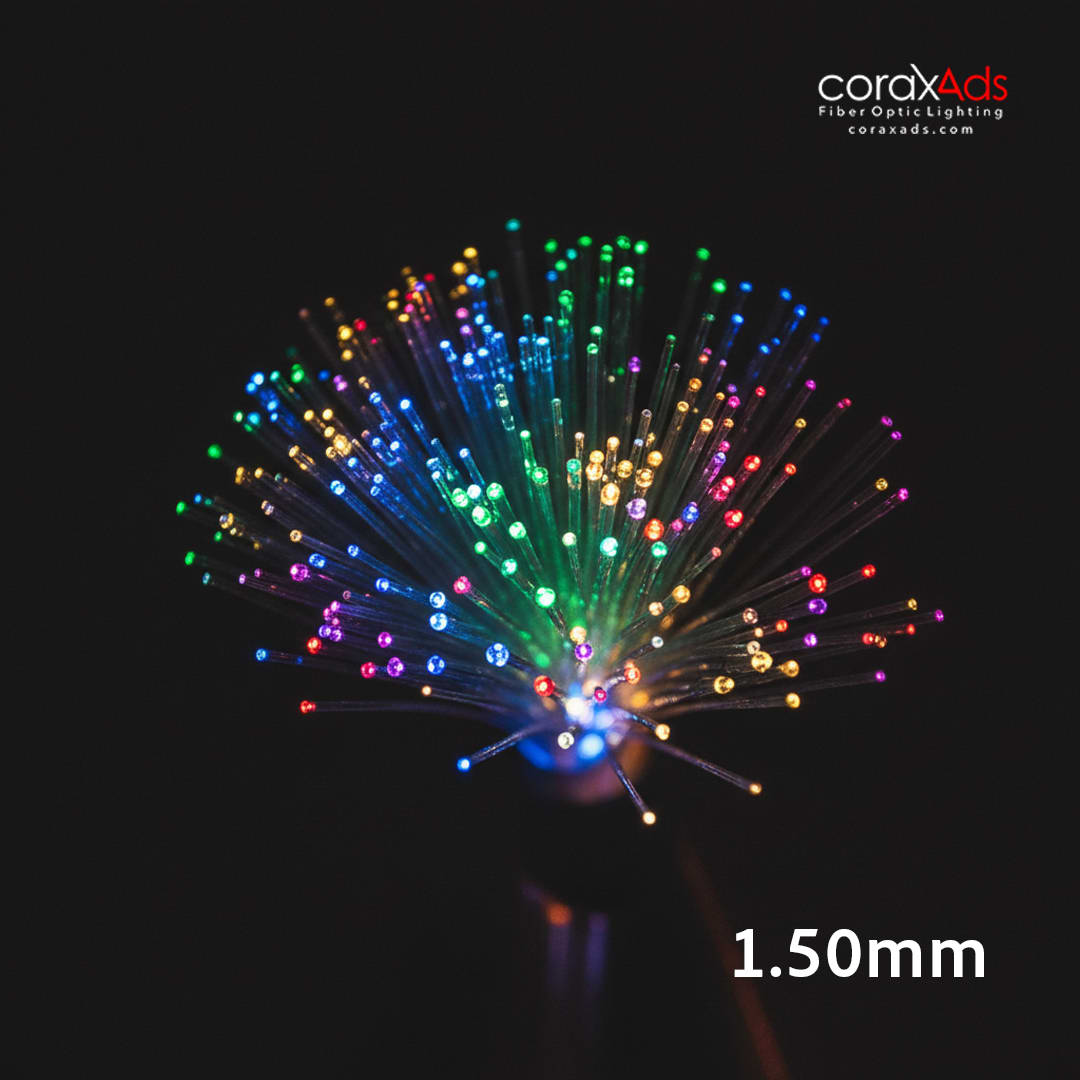
In 2026, the decorative lighting sector is witnessing an evolution where precision and aesthetics are coming even more to the fore. At this point, 1.50mm fiber optic cable possesses a diameter that could be called the golden ratio. Why? Because this diameter stands out with its capacity to deliver fine details alongside significant impact. Thanks to its PMMA (acrylic) structure, it offers high light transmission efficiency, flexibility, and resistance to breakage. Its primary applications are high-resolution, detail-oriented projects.
For example, imagine you want to create a realistic simulation of the Milky Way galaxy on the ceiling of a luxury hotel's bar area. The 1.50mm cable displays star points more sharply and defined, providing a finesse and realism unattainable with 2.0mm or thicker cables. Similarly, for boutique store window lighting, it allows for nearly invisible installation while highlighting product contours. In short, the answer to the question "For which applications is 1.50mm fiber optic cable preferred?" in 2026 can be summarized as "any project requiring high detail, perfectionist design, and targeted lighting."
For Which Applications is 1.50mm Fiber Optic Cable Preferred? Technical Advantages and Application Principles
Solid technical advantages underpin the preference for this cable diameter. The 1.50mm diameter minimizes optical losses while maintaining the light's reflection angle within the fiber at an ideal level. This guarantees a bright and consistent light output, especially in medium-distance projects (20-50 meters). Furthermore, its flexibility allows for easy routing through tight spaces and complex paths. For instance, when you want to install a starry sky effect between original wooden beams in a historical building without a false ceiling, the 1.50mm cable will be your greatest ally. The most important consideration during application is selecting the correct source (light generator) power.
A thinner diameter cable transmits less total light; therefore, as the project area increases or a brighter effect is desired, a more powerful generator or multiple fiber bundles may be required. You can find the optimal combination for your project by comparing CoraxAds' fiber optic cables in different diameters.
"1.50mm fiber optic cable is like a lighting designer's pen. It allows you to literally paint with light using fine lines. When used in the right project, it is indispensable for its cost-effectiveness and impressiveness."
For Which Indoor Applications is 1.50mm Fiber Optic Cable Preferred?
Indoors, this cable often plays the role of a "hidden miracle." It allows you to focus solely on the beauty of light without visible fixtures. The most popular indoor applications are:
- Starry Ceiling and Sky Atlas Projects: Private residences, hotel suites, spa centers, and planetariums. The 1.50mm diameter is unique in creating the illusion of real stars' varying brightness and size in the sky.
- Furniture and Built-in Decorative Lighting: Custom-designed cabinet lighting, stair step lighting, fireplace surrounds, or niche lighting. The cable's thinness offers great flexibility during installation.
- Artwork and Display Highlighting: Ideal for illuminating valuable objects in museums, galleries, or luxury retail stores without the risk of heat or UV damage.
- Hammam and Bathroom Lighting: Exhibits high resistance to humid and hot environments. Can be safely used for poolside, jacuzzi interior, or steam room ceiling lighting.
With over a decade of experience, I've seen that in boutique hotel projects, the detail that makes guests say "wow" is often the surprise star effects on the ceiling, created with these thin-diameter cables.
For Which Applications is 1.50mm Fiber Optic Cable Preferred? Reliable Solutions for Outdoor and Harsh Conditions
While thick-diameter cables come to mind first for outdoor fiber optic lighting, 1.50mm fiber optic cable also plays critical roles here. Thanks to its superior UV and weather resistance (special exterior-coated versions are usually available), it offers long-lasting solutions outdoors. Its primary outdoor applications include:
- Garden Path and Landscape Lighting: Hidden within grass or between paving stones, it creates a magical pathway effect. It marks the way subtly without being dazzling.
- Swimming Pool and Water Feature Lighting: Electrical safety is paramount in underwater lighting. With fiber optic cable, the light source remains away from the water, with only the light reaching it. The 1.50mm diameter is perfect for fine details around pools or small water fountains.
- Building Facade and Architectural Detail Lighting: Can be used to highlight fine lines in a building's stonework or for logo lighting. Provides maximum impact with minimum visibility.
An important statistic: In outdoor lighting projects, the maintenance costs of fiber optic systems are on average 60% lower than traditional LED fixtures because electronic components are not exposed to harsh environments.
For Which Applications is 1.50mm Fiber Optic Cable Preferred? Comparative Analysis
Choosing the correct cable diameter directly impacts a project's success. A comparative analysis of 1.50mm fiber optic cable against other popular diameters is as follows:
| Feature / Cable Diameter | 0.75mm | 1.50mm | 2.00mm | 3.00mm+ |
|---|---|---|---|---|
| Best Use Case | Very small details, micro text, jewelry displays | High-detail starry ceilings, fine line highlighting, medium-scale decorative projects | General starry ceilings, medium-long distance lighting, main outlines | Long distance, wide areas requiring high brightness, primary lighting |
| Light Output (Brightness) | Low | Medium | High | Very High |
| Bend Radius (Flexibility) | Very Good | Excellent | Good | Limited |
| Ease of Installation | Difficult (very thin and delicate) | Easy (balanced and manageable) | Easy | Medium (can become stiff) |
| Project Cost (Cable Basis) | High (high per-meter price, difficult labor) | Optimal (good balance) | Economical | High (material cost) |
As seen in this table, 1.50mm fiber optic cable is the diameter that offers the best balance between flexibility, sufficient brightness, and ease of application. If your project requires both detail and covers a wide area, combining 1.50mm and 2.00mm cables can be a smart strategy. You can create a custom mixed package for your project by examining cables of different diameters at CoraxAds.
For Which Applications is 1.50mm Fiber Optic Cable Preferred? 2026 Purchasing Guide
When purchasing 1.50mm fiber optic cable in 2026, pay attention to the following technical specifications and tips:
- Material Quality: Must have a 100% pure PMMA (acrylic) core. Low-quality polymers can yellow over time, severely reducing light transmission.
- External Cladding: Fluorinated Polymer cladding ensures light stays within the fiber, increasing efficiency. An additional PE (Polyethylene) or PVC protective sheath is important for outdoor use.
- Numerical Aperture (NA) Value: Determines the light acceptance angle. For 1.50mm cables, an NA value around 0.65 generally offers good efficiency and flexibility.
- Light Source Compatibility: The cable you purchase should be terminated to match your fiber optic light generator's connection diameter (e.g., 8mm, 10mm bundle) or come with a termination kit.
- Supplier Reliability: Prefer suppliers who offer technical support, can send sample products, and provide detailed data sheets for their products. This is crucial for long-term projects.
Project Startup Checklist
After answering the question "For which applications is 1.50mm fiber optic cable preferred?" and deciding on your project, use this checklist before starting:
- [ ] Has the total area to be illuminated and the number of star/light points been determined?
- [ ] Has the light source (generator) power been calculated based on cable length and point count?
- [ ] Have adequately sized and accessible distribution channels for the cables been planned?
- [ ] For outdoor projects, has the cable's suitability for external conditions been confirmed?
For Which Applications is 1.50mm Fiber Optic Cable Preferred? Maintenance and Post-2026 Trends
Fiber optic lighting systems require almost no maintenance, but there is one point to note with thin-diameter cables like 1.50mm: dust accumulation. Especially in projects not using end-glow (side-glow), micro-dust on the cable surface can reduce light output. An annual cleaning with a soft brush or low-power blower is sufficient. Trends that will further popularize the use of 1.50mm fiber optic cable in 2026 and beyond include:
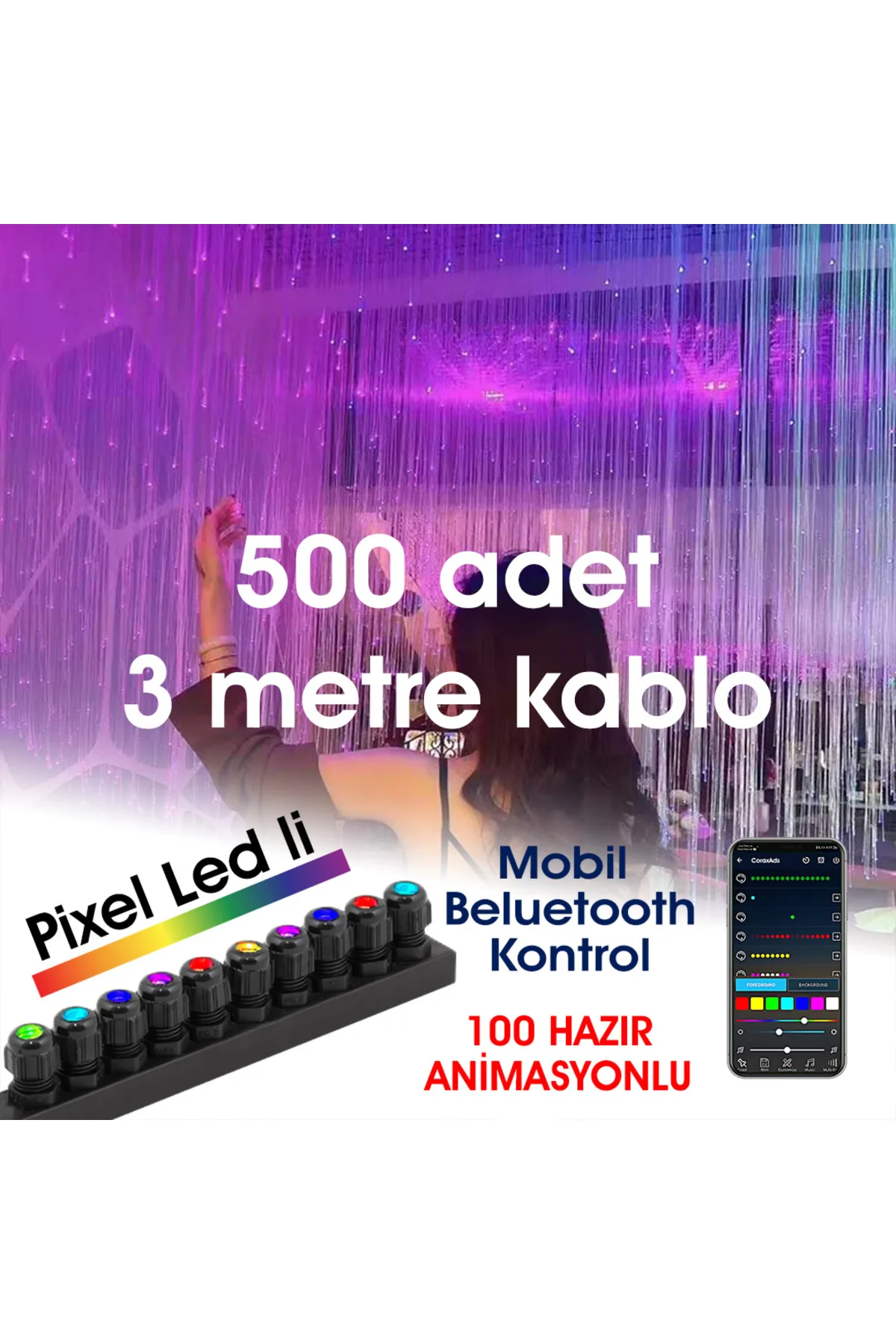
- Smart Home and Automation Integration: 1.50mm cables used with RGB or RGBW light generators provide ideal infrastructure for creating color-changing, synchronized smart lighting scenes.
- Biophilic Design: The trend of bringing nature indoors increases demand for realistic starry skies and natural light effects. The 1.50mm cable is at the heart of these designs.
- Energy Efficiency Mandates: With low power consumption and long lifespan, fiber optic lighting is a significant plus point for sustainable building certifications (LEED, BREEAM).
A second statistic: According to 2025 data, the decorative fiber optic lighting market is expected to expand at an annual growth rate of 8.2% until 2030. A significant portion of this growth will stem from the increased use of versatile, medium-diameter cables like 1.50mm.
Frequently Asked Questions About 1.50mm Fiber Optic Cable (2026 FAQ)
Is 1.50mm fiber optic cable suitable for side-glow?
Yes, absolutely. However, to achieve a homogeneous side-glow effect, you must use versions of the cable specially manufactured for this purpose (with micro-slits or treated surfaces). A standard end-glow cable cannot produce a side-glow effect.
Can I mix 1.50mm and 2.0mm fiber optic cables in the same project?
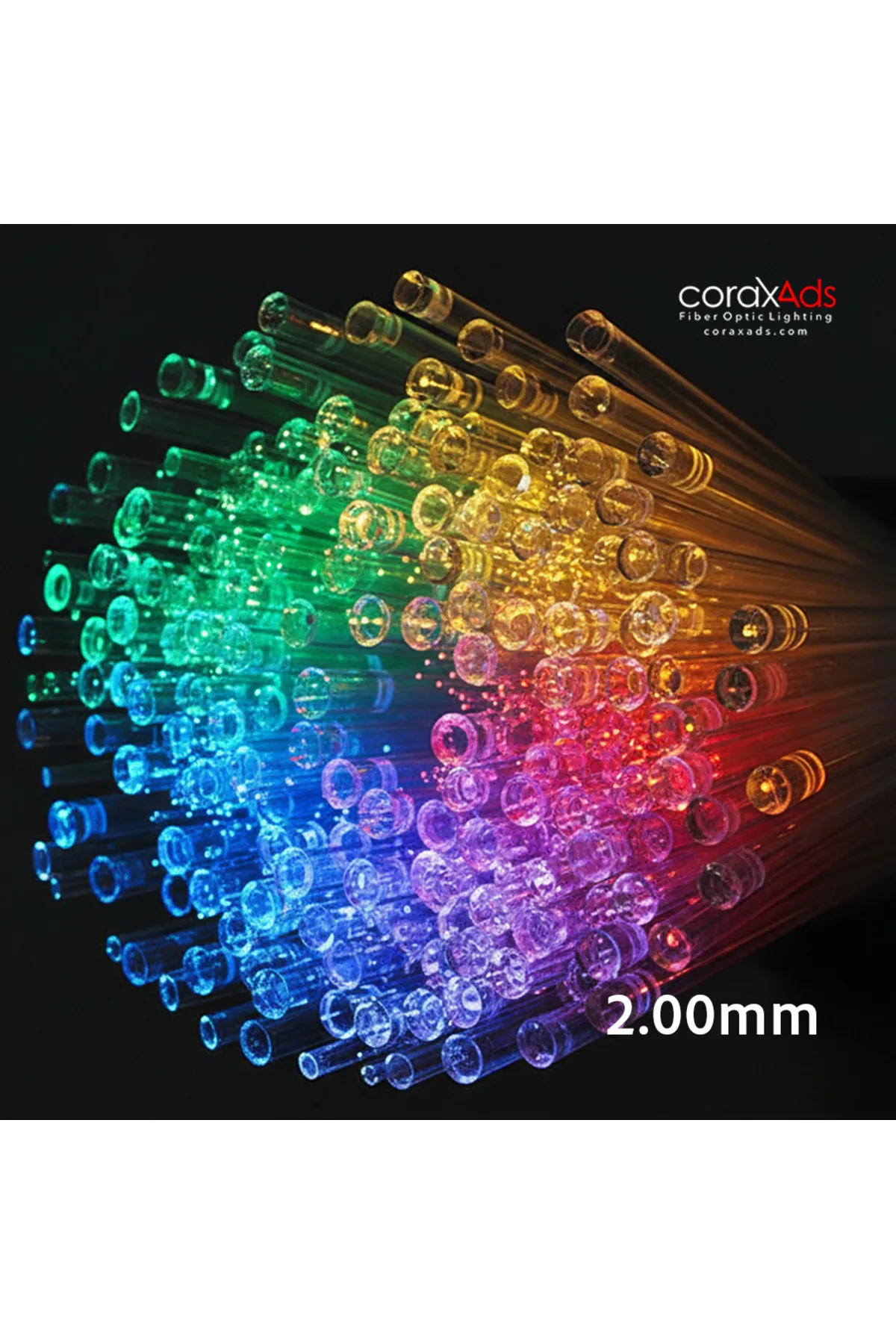
Yes, this is a very smart approach. For example, you can use brighter 2.0mm cables for main star clusters and 1.50mm cables for background faint stars and details to create depth and realism in the sky. Suitable splitter adapters are available to connect cables of different diameters to the same light source.
What is the maximum usable length for this cable?
The maximum length depends on the power of the light source used and the desired brightness level. As a general rule, with a single 150W Halogen/Metal Halide or 50W LED generator, you can achieve satisfactory brightness for a 1.50mm cable over approximately 30-40 meters. Longer distances may require more powerful sources or intermediate injectors.
Does 1.50mm fiber optic cable catch fire on its own? Does it get hot?
No, it absolutely does not catch fire or get hot. Fiber optic cable transmits light, not electricity or heat. Cold light from the generator travels along the fiber. This feature makes it the safest lighting option for sensitive and flammable material environments like museums, wooden panels, or textile stores.
Does the price increase as the cable diameter gets thinner?
Generally yes, especially for diameters below 1.00mm. The 1.50mm cable may be slightly more expensive than 2.00mm due to factors like manufacturing difficulty and requiring more fiber per square meter. However, the detail and aesthetic quality it offers more than justify this difference. When used in the right project, its impact on the total project cost is minimal, but its effect is maximum.
Conclusion and Summary
In this comprehensive guide, we have tried to answer the question "For which applications is 1.50mm fiber optic cable preferred?" from every angle. To summarize, this special diameter is the lead actor in projects requiring high detail, artistic expression, and perfectionist design. From indoor starry ceilings to furniture lighting, and from outdoor landscape highlights to pool lighting, it offers safe, flexible, and impressive solutions across a broad spectrum. Technically, it is the diameter that best balances brightness, flexibility, and cost, and its importance will increase further with post-2026 smart integration and sustainability trends. When planning your project, be sure to consider the comparison table, purchasing guide, and checklist above.
Ready to explore the potential of 1.50mm fiber optic cable in your project? Contact the CoraxAds expert team for free technical consultation, or review our fiber optic lighting product catalog to order the materials you need immediately. Now is the perfect time to create unforgettable spaces designed with light!