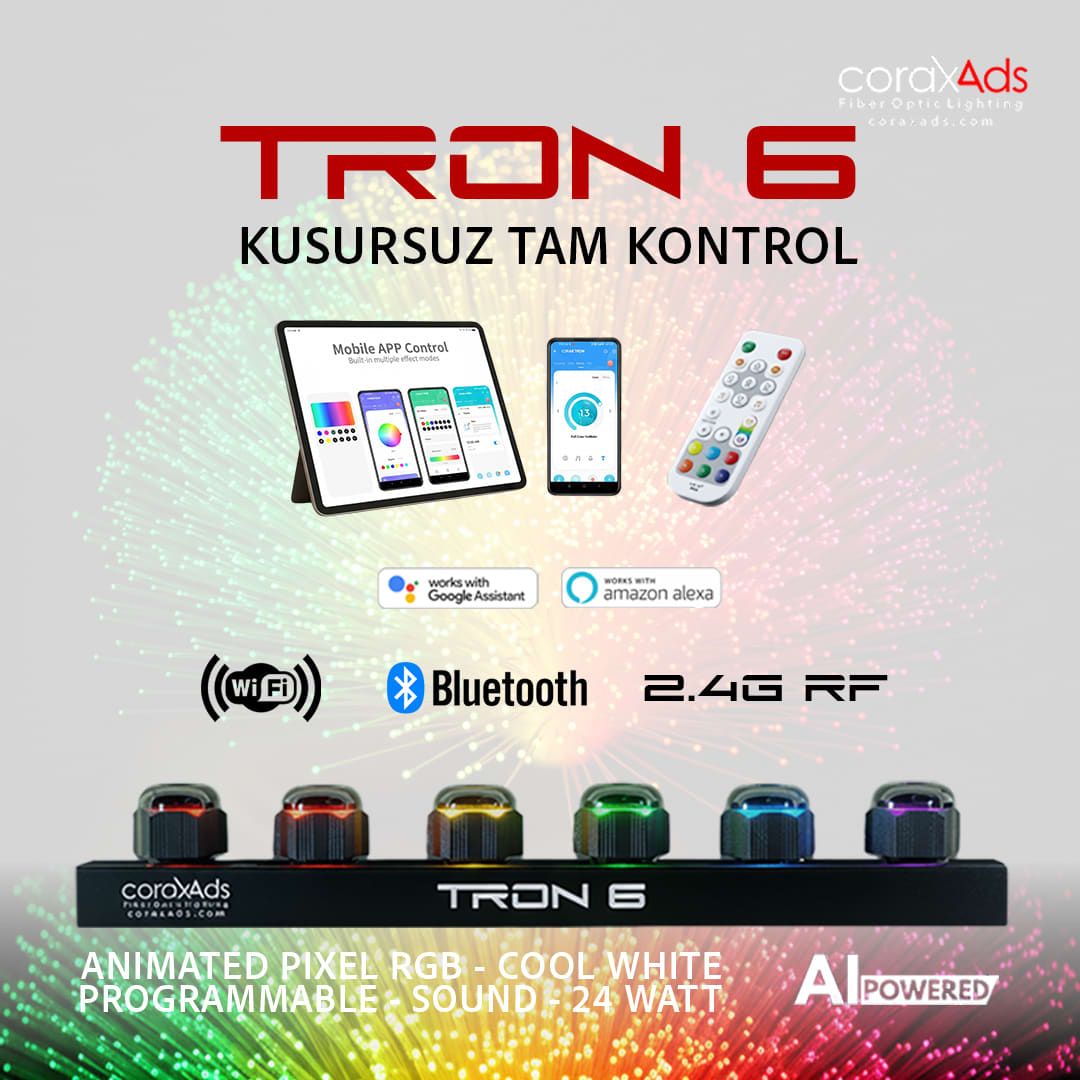
How much area can a 10-output pixel LED cover? This is one of the first questions for anyone starting a lighting project or looking to upgrade their existing system, even in 2026. To be honest, there's no single magic number. The answer depends on a range of factors, from the power of your LEDs and your layout plan to the effects you want to achieve. This comprehensive guide aims to provide you with all the tools and information needed to make the right calculations for your own project, rather than just giving you a single figure. In short, this guide will help you fully understand the capacity of your 10-output pixel LED system.
Table of Contents
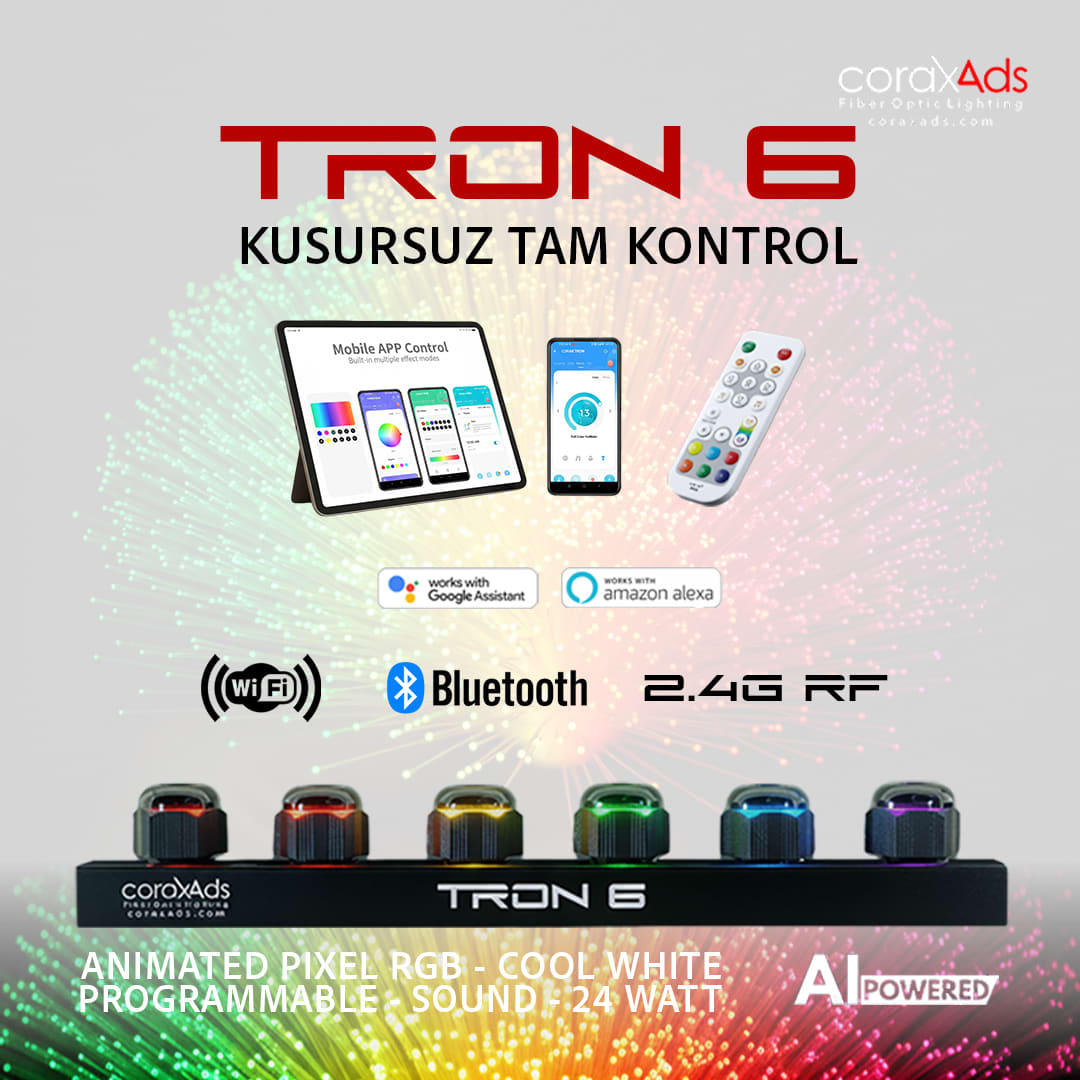
- How Much Area Can a 10-Output Pixel LED Cover? Basic Calculation Principles
- The Concept of 'Output' in 10-Output Pixel LED Systems: Its Meaning and Importance in 2026
- How Much Area Can a 10-Output Pixel LED Cover? Practical Examples and Scenarios
- How Much Area Can a 10-Output Pixel LED Cover? Projects Possible in 2026
- How Much Area Can a 10-Output Pixel LED Cover? Installation, Maintenance, and Optimization Tips
- Frequently Asked Questions About 10-Output Pixel LEDs (2026 FAQ)
- Conclusion: Efficiently Illuminate Your Space with 10-Output Pixel LEDs
Understanding the capacity of a 10-output pixel LED system starts with basic information like the power of each output and LED density. As a general rule, each output is an independent control channel, and the power it can handle (in Watts) determines the system's total light output. Therefore, by 2026 standards, a quality controller can provide an average of 6-12W per output. This means the total system power can range from 60W to 120W. Indeed, the answer to "How much area can a 10-output pixel LED cover?" is closely tied to this total power capacity. However, it's not just about power; the number of LEDs per output is also a key factor.
How Much Area Can a 10-Output Pixel LED Cover? Basic Calculation Principles
When calculating the illuminated area, lumen value is everything. A simple approach is to know how many lumens your pixel LED strip produces per meter. For example, let's say you have a strip with a density of 60 LEDs/m and each LED is 0.2W. This strip consumes 12W per meter and produces approximately 900-1100 lumens. Now, assume your 10-output controller has a total capacity of 100W. In this case, you could run a maximum of ~8.3 meters of this strip. This would provide you with a total light output between 8,300 and 9,100 lumens.
How to Calculate Pixel LED Power and Lumen Values?
The number of LEDs per output directly affects control precision and effect quality. Outputs with fewer LEDs are closer to independent control of each LED and are ideal for complex animations. However, for general lighting, outputs with more LEDs allow you to illuminate wider areas evenly. In summary, the key is that the group of LEDs connected to each output should form a logical segment of the area you want to light.
The Number of LEDs Per Output and Its Effect
To get a rough idea for lighting spaces like offices or homes, you can use the required lumens per square meter. For instance, a comfortable living room might need 150-200 lumens/m², while a storefront display could require 300-500 lumens/m². You then divide your total lumens (e.g., 9,000 lm) by the required lumens per square meter (e.g., 200 lm/m²). The result shows you could provide basic illumination for an area of approximately 45 m². Of course, if you're doing decorative or accent lighting, this area can be much larger.
Lighting Area Formula: A Simple Approach
Experts note that these calculations are valid for static, white light. When RGB or dynamic effects come into play, the total brightness can change. You can apply similar logic for the capacity of a dual-output RGBW light source.
| Model Type | Power Per Output | Total Power | Recommended LED/m Type | Estimated Effective Lighting Area* |
|---|---|---|---|---|
| Entry-Level Controller | 5W | 50W | 30-60 LED/m (0.1W/LED) | 15-25 m² (Decorative) |
| Mid-Range Controller | 8W | 80W | 60-96 LED/m (0.2W/LED) | 25-40 m² (Accent Lighting) |
| Professional Controller | 12W | 120W | 96-144 LED/m (0.3W/LED) | 40-60 m² (Strong Accent/General Lighting) |
| *Area calculated based on 100-150 lumens per square meter for decorative/accent lighting. |
Direct Answer: In pixel LED systems, an 'output' is an independently controllable data and power channel. Therefore, 10 outputs mean the freedom to manage 10 different LED groups or area segments individually. This allows you to divide large areas into logical parts for efficient lighting, which positively impacts the answer to "How much area can it cover?"
The Concept of 'Output' in 10-Output Pixel LED Systems: Its Meaning and Importance in 2026
In the world of pixel LEDs, 'output' signifies more than just a physical port; it's a data channel that the controller can address independently. Each output is a channel that your controller manages separately, meaning it can have different colors, brightness, and effects. Thus, a 10-output pixel LED system gives you the freedom to paint with 10 different brushes. Consequently, when answering "How much area can a 10-output pixel LED cover?", how these outputs are distributed also directly impacts area efficiency.
"In 2026, the concept of an output is considered not just an electrical connection, but a 'light layer'. Ten outputs mean ten separate layers. This gives the designer the opportunity to create a dynamic light installation with a story, rather than static lighting."
What is an Output? Technical Definition and Function
Technically, an output is a channel managed by the controller's processor, sending data to a specific number of pixel LEDs. Each output controls the color and brightness of its connected LEDs. Therefore, a 10-output pixel LED controller can perform this operation simultaneously across 10 different channels.
Advantages and Use Cases of 10-Output Systems
The biggest advantage of 10 outputs is flexibility and fault tolerance. If you connect all your LEDs to a single output, a fault at one point could affect everything. By dividing them across 10 outputs, you isolate any problems. For example, you could connect different walls of your living room, your TV unit, and your bookshelf to separate outputs and assign different effects to each, transforming your lighting into a spatial experience.
The Relationship Between Number of Outputs, Control, and Flexibility
As the number of outputs increases, so does your control precision. However, installation and programming complexity can also rise slightly. Fortunately, 2026 technology minimizes this complexity even for 10-output controllers with user-friendly interfaces and automatic configuration tools. Ten outputs offer an ideal balance for both hobby projects and professional work.
How Much Area Can a 10-Output Pixel LED Cover? Practical Examples and Scenarios
Direct Answer: In practice, a 10-output pixel LED system can effectively illuminate areas between 25-120 m² by intelligently distributing the outputs. For example, with 10 outputs, you could manage all the decorative lighting (behind the TV, shelves, curtains) of a 35 m² living room from a single controller, or highlight the architectural details of a 120 m² facade.
Example 1: Living Room TV Unit Lighting
Let's leave theoretical calculations aside and look at real life. The area a 10-output pixel LED can cover is shaped by the nature of the application. How you allocate the outputs plays a critical role in every scenario. You can illuminate the same physical area much more effectively by dividing it across different outputs.
You want to add bias lighting behind a 70-inch TV. The TV perimeter requires about 5 meters of LED strip. In a 10-output system, you could connect this 5-meter run to one output and use the remaining 9 outputs for other purposes: 2 for shelf lighting, 1 for curtain cornice, 2 for picture lighting. So, you're not just lighting behind the TV; you're managing the decorative lighting for the entire 25-35 m² living room with a single controller.
Example 2: Storefront Window or Shelf Lighting
You have a storefront window 10 meters long and 3 meters high. You want to light each shelf (5 shelves total) and the window frame separately. With a 10-output pixel LED controller, you can connect each shelf and different sections of the frame to separate outputs, creating color themes based on products. This way, you illuminate every point of a total 30 m² window area in a controlled and eye-catching manner.
Example 3: Facade and Architectural Lighting
For facade lighting, distance and brightness are paramount. Consider lighting the front facade of a villa (approx. 15m x 8m = 120 m²). The goal isn't to flood the entire facade with light, but to highlight architectural details (eaves, columns, windows). With 10 outputs, you can divide these details into 10 separate zones and control each independently, even creating moving effects. The result? Precise and effective lighting across a massive 120 m² area.
How Much Area Can a 10-Output Pixel LED Cover? Projects Possible in 2026
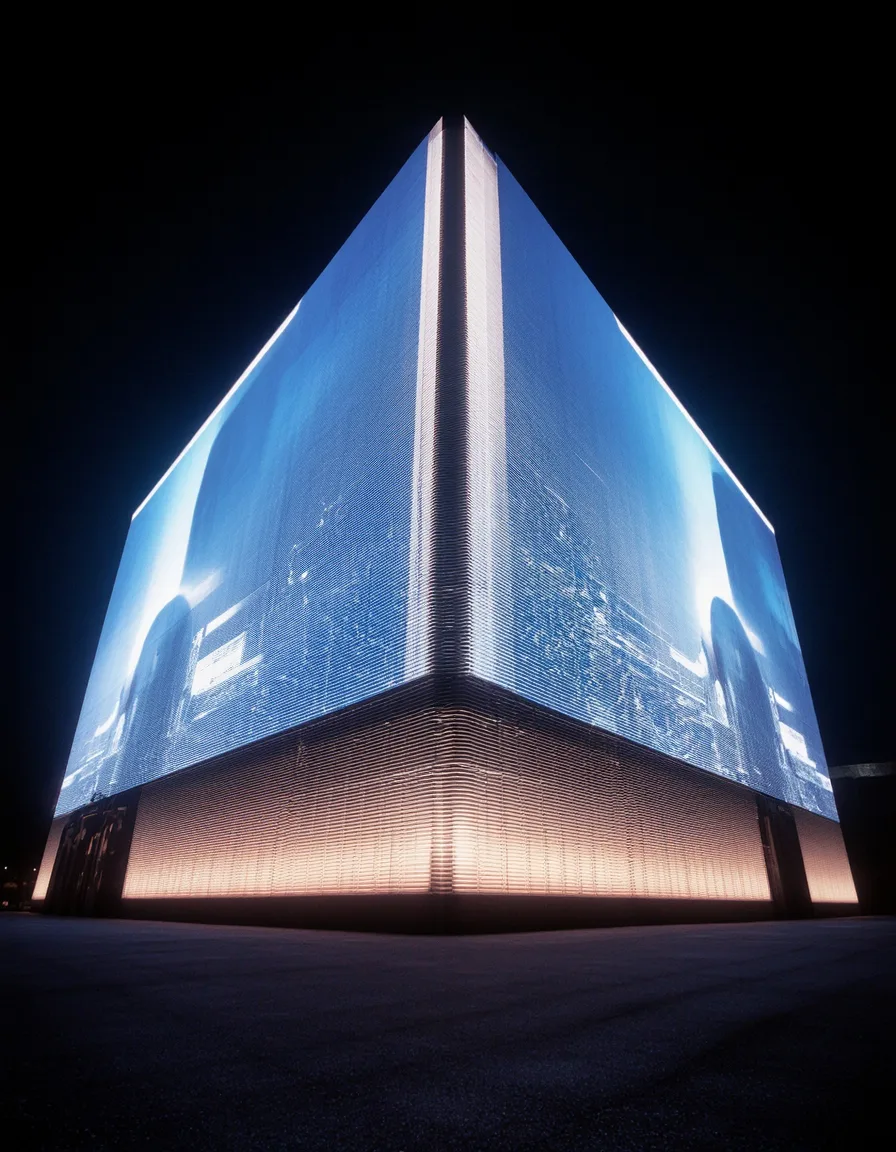
Direct Answer: In 2026, 10-output pixel LED systems can be used across a wide spectrum, from small home automation to medium-scale commercial projects. It's possible to professionally illuminate an entire living area of about 50-70 m² or selected sections of facades exceeding 100 m².
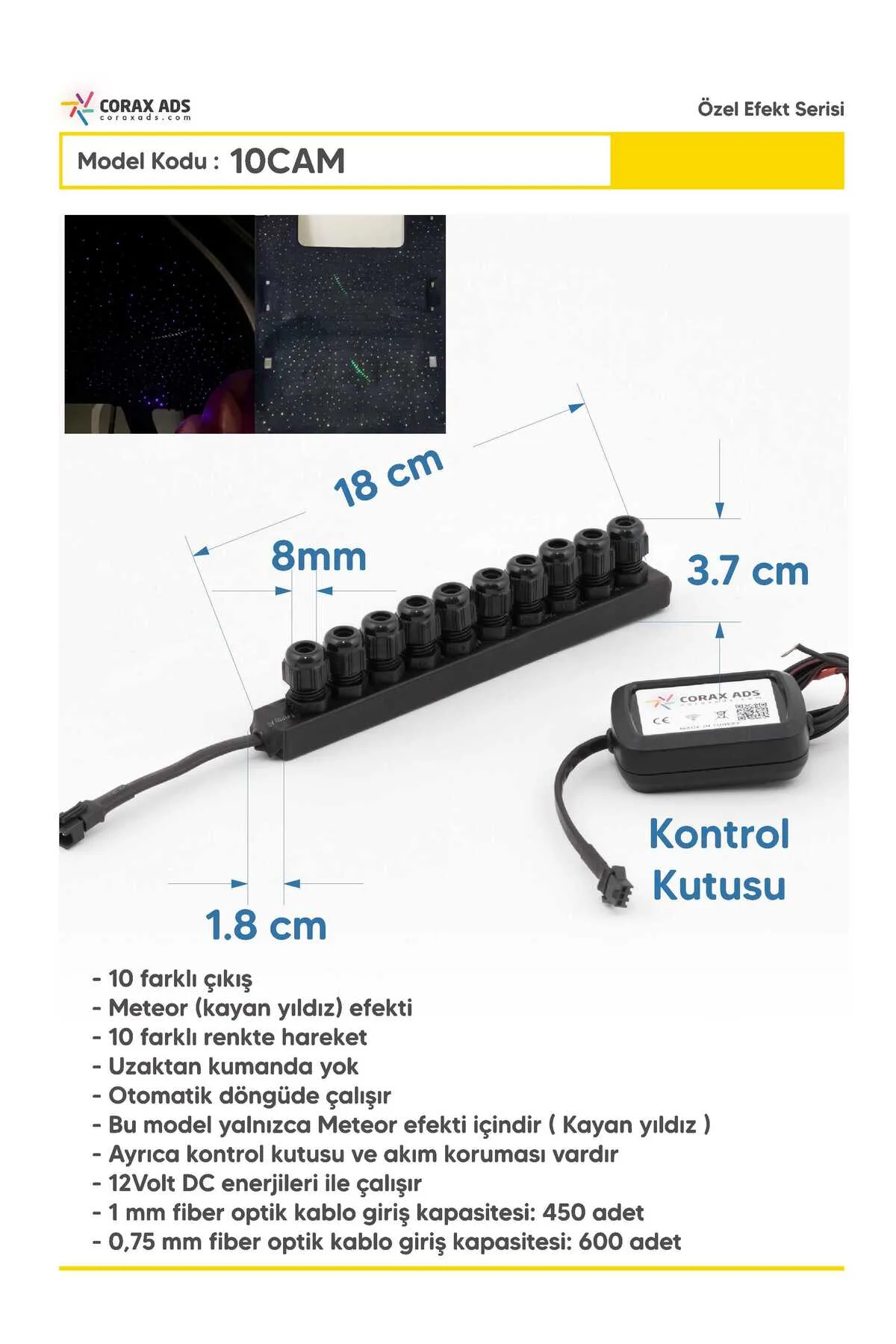
- Decorative Interior Lighting: Starry ceilings (works especially well with 3CM output star ceiling modules), color-gradient wall lighting, smart bedside or mirror lighting. Ten outputs give a distinct personality to every decorative element in your room.
- Commercial and Retail Lighting Solutions: Separate control of table and ambient lighting in restaurants, light scenarios that change with product rotation in showrooms, dynamic light journeys greeting guests in hotel lobbies.
- Artistic and Interactive Installations: Lighting that interacts with exhibits in museums, backstage or studio lighting, interactive light installations controlled by sound or motion. Ten separate outputs mean ten different interactive zones.
How Much Area Can a 10-Output Pixel LED Cover? Installation, Maintenance, and Optimization Tips
Proper installation determines your system's lifespan and performance. Therefore, to get the best performance from your 10-output pixel LED system, follow these steps. The answer to "How much area can a 10-output pixel LED cover?" reaches its peak with correct installation and optimization.
- Choosing the Right Power Supply: Use a power supply with a capacity at least 20% above the controller's total power consumption. For a 120W system, a 150W supply is ideal.
- Wire Gauge and Distance: If running long cables (over 3m) from outputs to LED strips, choose a sufficiently thick wire (e.g., 18AWG) to prevent voltage drop.
- Cooling: Mount the controller and power supply in a well-ventilated, dust-free area. If placing inside a closed cabinet, provide passive or active cooling.
Energy Consumption and Efficiency Optimization
Most 2026 controllers have energy-saving modes. Using low-brightness effects instead of static white light allows LEDs to operate in low-power mode. You can also prevent unnecessary power consumption by disabling unused outputs via software.
Source: tr.wikipedia.org
Maintenance Recommendations for Longevity
Check your system regularly (every 6 months) for dust and moisture. Ensure connection points are not loose. If the adhesive on LED strips weakens, secure them with metal or fiber optik clips to improve cooling and reduce mechanical stress. Professional experience shows durability is critical. For a long-lasting system, you should also pay attention to the quality of components like fiber optik cable lifespan.
Frequently Asked Questions About 10-Output Pixel LEDs (2026 FAQ)
How many meters of LED strip can a 10-output pixel LED controller drive?
Direct Answer: This depends on the power consumption per meter (W/m) of the LED strip you use. You can calculate it by knowing the power limit per output (e.g., 8W) and the W/m value of the strip. For example, with 8W per output and a 12W/m strip, each output can drive a maximum of 0.66 meters. With lower-power strips (e.g., 6W/m), this distance increases to 1.33 meters. Ultimately, the controller's total power capacity (e.g., 80W) is the determining factor.
How large a room can I illuminate with a 10-output pixel LED?
Direct Answer: If you're using it for decorative and accent lighting rather than general (ceiling) lighting, a 10-output pixel LED system can meet all the decorative lighting needs of an open-plan living area up to 50-70 m². By controlling points like behind the TV, shelves, niches, and pictures separately, you can master the entire room.
Is installing a 10-output pixel LED system difficult?
Direct Answer: 2026 products have made installation significantly easier. Thanks to plug-and-play connectors, color-coded cables, and mobile app-based setup wizards, anyone with basic electrical knowledge can install it safely. However, for any work involving electrical wiring, especially with high-power systems, seeking support from a professional is the safest route.
What types of LED strips can be used with a 10-output pixel LED?
Direct Answer: It is compatible with all types of digital addressable pixel LED strips (with Data IN/Data OUT pins) such as WS2812B, WS2813, SK6812, APA102. The important thing is that your controller's communication protocol (usually 5V or 12V, single-wire data) matches your LED strip. You can confidently use waterproof strips like IP65 or IP67 for your outdoor projects.
Is a 10-output pixel LED controller suitable for professional lighting projects?
Direct Answer: Absolutely yes. Ten outputs provide sufficient flexibility and control power for many small and medium-scale professional projects (cafes, boutique hotels, offices, exhibition spaces). Models with DMX protocol output can integrate with larger theater or concert venue lighting systems. You should choose professional models with features like a durable metal casing, wide voltage range, and high data speed. How much area can a 10-output pixel LED cover? Visit https://CoraxAds.com now to explore our collection and find the best offers.
Conclusion: Efficiently Illuminate Your Space with 10-Output Pixel LEDs
Direct Answer: The area a 10-output pixel LED system can illuminate varies between 15 m² and 120 m², depending on factors like controller power, LED strip efficiency, and project design. With proper planning and installation, these systems offer an ideal lighting solution for both homes and small-to-medium scale commercial spaces.
Proper planning is essential not only for cost control but also for the system's long-term stable and impressive performance. Your controller choice is the brain of your lighting system; don't push its capacity to the limit.
In this comprehensive guide, we've tried to answer the question "How much area can a 10-output pixel LED cover?" by examining every critical parameter in detail. As you've seen, there's no single, definitive answer. However, with a systematic approach, it's possible to find the most accurate and efficient solution for your project.
In summary, four fundamental factors determine the area a 10-output pixel LED controller can cover: the meter capacity per output, the pixel density of the LED strip used, the power requirement and supply strategy of the application, and finally, the design complexity of your project. While it can control hundreds of square meters for simple background lighting, this area can drop to tens of square meters for a detailed, vibrant multimedia facade.
Remember, along with technical specifications, choosing the right power supply, quality cabling, and professional software support are also keys to success. From our years of observation, 10-output systems are a golden ratio for both hobby projects and commercial applications.
You can now define your needs more clearly. Having found the project-specific answer to "How much area can a 10-output pixel LED cover?", it's time to choose the most suitable equipment. At CoraxAds.com, we offer a range of 10-output pixel LED controller models, power supplies, and high-quality LED strips for different needs. Our technical team is with you from the planning stage through to post-installation.
Your Next Step
To take your project to the next level and see firsthand what you can achieve with 10-output pixel LED controllers, explore our product collection now. Don't hesitate to contact us via our communication channels for personalized offers and technical consultancy.