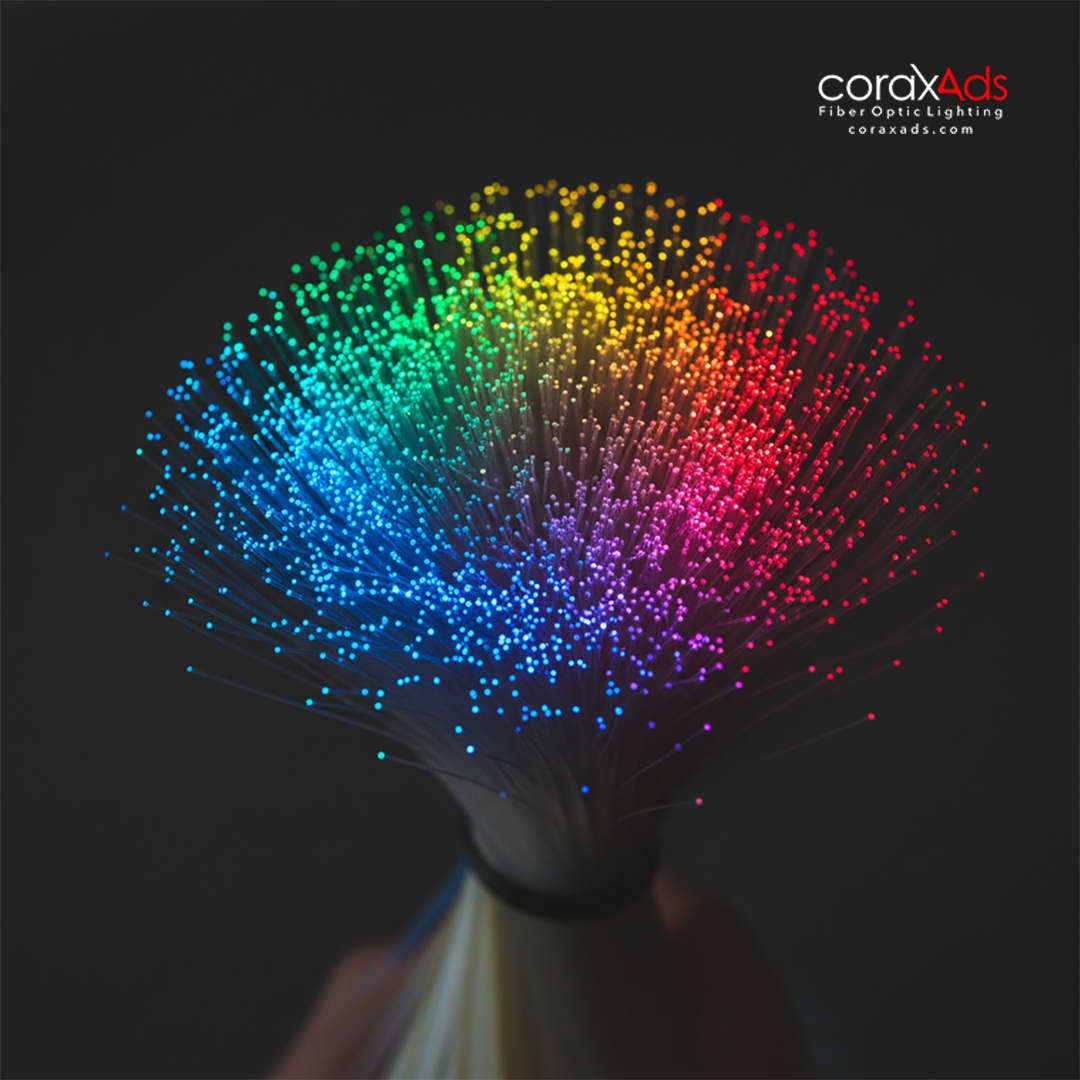
An RGBW twinkle light source is the illuminator that feeds a fiber optic star ceiling: it holds the red, green, blue, and white LEDs, pushes that light into bundled strands, and modulates brightness so the points above you shift the way a real night sky does. The ceiling stays passive; the module does all the work in one serviceable box.
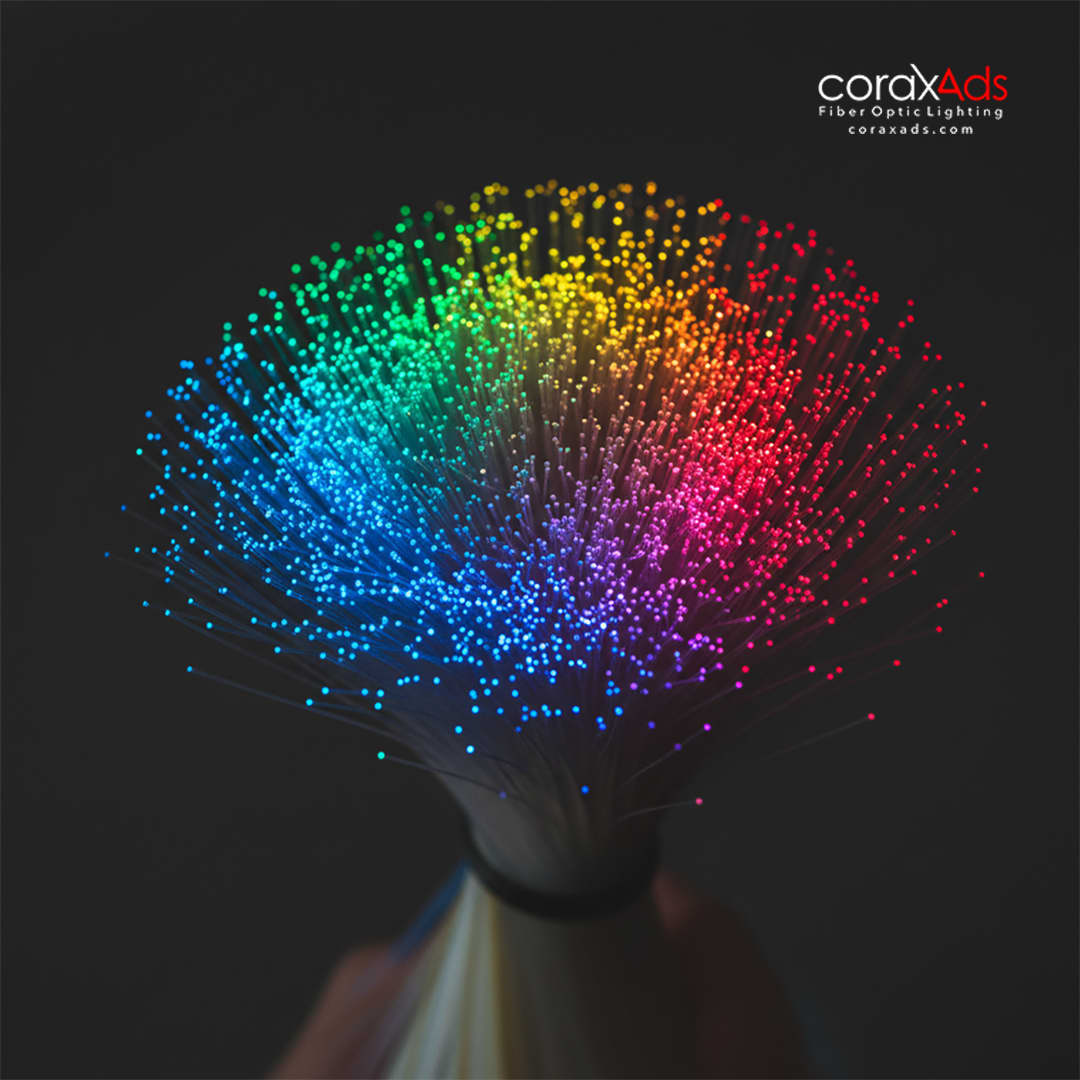
- A fiber optic star ceiling carries no voltage above the drywall; all light is generated in a remote illuminator and delivered through strands.
- An RGBW module adds a dedicated white LED, which is what allows clean neutral star points instead of purple-tinted approximations.
- The 6 Output Pixel module is listed at 23,220 TRY, roughly two-thirds more than the 13,932 TRY single-output C107-4.
Video summary of this article

Watch this video on its own page
Video transcript
The article explains how to choose a red, green, blue, and white twinkle module for a fiber optic star ceiling.
The remote box mixes red, green, blue, and white light into fiber strands. It modulates brightness in groups so star points fade at different rhythms. No voltage sits above the drywall; only fiber tips pass through.
Choose a single output module for compact ceilings and small layouts. Use a 6 output pixel module when a long room needs separate star fields. Count fiber ends and zones first, then pick the box.
The dedicated white channel produces clean neutral stars and keeps pale points from drifting. Set the ceiling to white only and dim to about a third. A good engine holds its tint through the fade; a weak one drifts.
Place the light source outside the ceiling cavity in a reachable spot. Cut each fiber tip flush and polish it so the point stays sharp. Settle room size and zones first, then choose source, fiber, and tips.
Full details are in the article.
Table of Contents
- What an RGBW twinkle light source actually does
- Single output or 6-output pixel: sizing the module to the room
- Why the white channel changes the look of a night sky
- Remote mounting: where the light source should live
- Fiber runs, tip finish, and the details that decide the result
- A buying sequence that avoids rework
- Frequently Asked Questions
What an RGBW twinkle light source actually does
An RGBW twinkle light source is a remote LED engine that mixes red, green, blue, and white light into fiber strands while modulating brightness so the star points shift like a real night sky.
Nothing above the drywall carries current. The illuminator sits in a closet, utility room, or soffit and pushes light through a bundle of thin fiber strands that end flush with the ceiling surface. Drywall holds nothing but strand tips, so the eye sees points of light instead of fixtures.
Twinkle is what separates a convincing sky from a flat star map. Brightness is modulated in groups, so stars fade at different rhythms rather than pulsing in unison. Fixed stars and twinkling stars share one light path, which keeps the effect random enough to read as natural even up close.
White is the channel most people underestimate. An RGB-only source struggles to reach a clean neutral star, and warm or cool whites both look wrong when they lean purple. The fourth channel fixes it: RGBW gives you a true white point plus saturated color for blue-hour or aurora settings.
Single output or 6-output pixel: sizing the module to the room
Choose a single-output module for compact ceilings and a 6-output pixel module when the layout needs several independently addressable star fields.
CoraxAds builds this in two directions. The single-output C107-4 module drives one zone and suits bedrooms, home theater ceilings, and small layouts. The 6 Output Pixel A-RGB+W + Twinkle 6CPBW-MAX Industrial splits a ceiling into six pixel-addressed zones, which is what a long room needs when it carries separate star fields or chasing effects.
Pricing is published, not quoted. The single-output C107-4 sits at 13,932 TRY, the 6 Output Pixel A-RGB+W + Twinkle 6CPBW-MAX Industrial at 23,220 TRY, the RGBW Twinkle Light Source at 12,387.36 TRY, and the RGBW Twinkle + Meteor Light Source at 17,488.04 TRY. All four show as in stock.
Budget alone should not decide it. A single-output unit that cannot carry light to the far end of a long ceiling is money wasted, and a pixel module above a small bedroom is capacity nobody uses. Count fiber ends and zones first, then pick the box.
Why the white channel changes the look of a night sky
The dedicated white channel produces clean neutral stars, and without it pale blues and whites drift toward purple or mint.
Blue stars are the easy part. Realism comes from the faint ones, the pale, slightly warm points sitting behind the bright blues. Those need white light at low output, and low-output white is exactly where RGB approximations fall apart and turn gray-green.
The practical test is a slow fade. Set the ceiling to white only, dim to about a third, and watch for color shift as brightness drops. A good RGBW engine holds its tint through the fade; a weak one drifts. Run that check before the drywall closes.
Remote mounting: where the light source should live
The light source should sit outside the ceiling cavity in a spot you can reach for service, with the AC feed and the fiber bundle both terminating at the same point.
Remote light source placement is the decision that gets locked in earliest and regretted longest. Every bend costs a little light, and the bundle has a practical length. Keep the run short and gentle, and write down where it goes so the next person can find it.
A closet shelf, a media cabinet, or an accessible soffit panel all work well. What does not work is burying the unit above a finished ceiling with no hatch. Twinkle modules have connectors and circuitry inside, so assume somebody will need to reach them.
Give the unit airflow and a switched outlet. If the room is used at night, a dimmer on the AC side keeps things convenient, though color and twinkle behavior are set on the module itself.
Fiber runs, tip finish, and the details that decide the result
Strand diameter, run length, and how each fiber tip is finished decide whether the ceiling reads as crisp stars or a fuzzy haze.
Strand diameter drives the look. Thin 1.00 mm fiber suits dense fields where stars sit close together; 3.0 mm cable delivers a bigger, brighter point and tolerates longer runs. Mixing both in one ceiling is normal and gives the sky depth.
The finish at each tip matters just as much. Cut flush, polished, and seated in a clean hole, a fiber reads as a sharp point. A rough cut scatters light into a dull smudge, and no light source can rescue that. Tedious work, visible payoff.
Work through the star ceiling installation steps before the module arrives, and confirm strand counts on the fiber optic cables category page so the light source and the bundle actually match.
A buying sequence that avoids rework
Settle ceiling size, star count, and zone layout first, then pick the light source, then the fiber, then the tips and trim.
Start with the room rather than the box. Square footage, how many stars you want, and whether the ceiling needs one field or several all point to a module family before price enters the conversation.
If two modules look close on paper, our how to choose a light source breakdown compares outputs against room type. For the wider planning side, the fiber optic star ceiling article walks through layout, density, and ceiling prep from framing to the final test.
Only after that should fiber and finishing parts go on the order. Buying the illuminator last is how projects end up with a box that is either short on zones or short on light.
The RGBW Twinkle Light Source at 12,387.36 TRY is the entry point for a single-zone ceiling and shows in stock.
Frequently Asked Questions
Can the light source sit in another room?
Yes, as long as the fiber bundle reaches. A closet or cabinet with power and airflow is ideal. Plan the path before the ceiling goes up, because long runs and tight bends pull light out of the system.
Do I need a separate twinkle controller?
No. Twinkle is built into these modules, so you set the behavior on the unit itself instead of adding another box to the wall. Fewer parts, fewer failure points.
Which module fits a small bedroom ceiling?
A single-output unit usually covers it. The RGBW Twinkle Light Source at 12,387.36 TRY and the C107-4 at 13,932 TRY both show in stock. Step up to the 6-output pixel unit only if you want separate zones.
Is there any electrical work above the ceiling?
None. Only fiber tips pass through the drywall, so no voltage sits in the ceiling cavity. The AC connection stays at the illuminator, which keeps inspection simple.
How do I get answers before ordering from the US?
Call +90-537-606-5228. The Ankara office runs 09:00–18:00 Monday through Friday and 09:00–15:00 Saturday, so plan around the time difference when you dial.