What is the difference between Power Pixel and Standard Pixel, and how is 2026 technology shaping your lighting projects? For instance, according to recent market analyses, global demand for personalized, high-performance lighting solutions has seen nearly 70% growth since 2022. At the heart of this growth lie two fundamental technologies catering to different needs: Power Pixel and Standard Pixel. To be honest, these two terms are often confused, but the distinction between them can directly impact your project's success and budget. When seeking an answer to "what is the difference between Power Pixel and Standard Pixel", you should focus not only on technical specifications but also on the essence of your project.
In this guide, drawing on over 10 years of industry experience, I will answer the question 'What is the difference between Power Pixel and Standard Pixel?' in full detail, explaining the working principles of both technologies, their respective advantages, and which one you should choose for which project in 2026.
What is the Difference Between Power Pixel and Standard Pixel? Basic Definitions and 2026 Technology
First, to understand the fundamental difference between the two technologies, it's necessary to define each one separately. In fact, both serve the same purpose: producing light. But *how* they produce it places them in different leagues. The first answer to the question "what is the difference between Power Pixel and Standard Pixel" lies in this basic engineering approach.
What is Power Pixel?
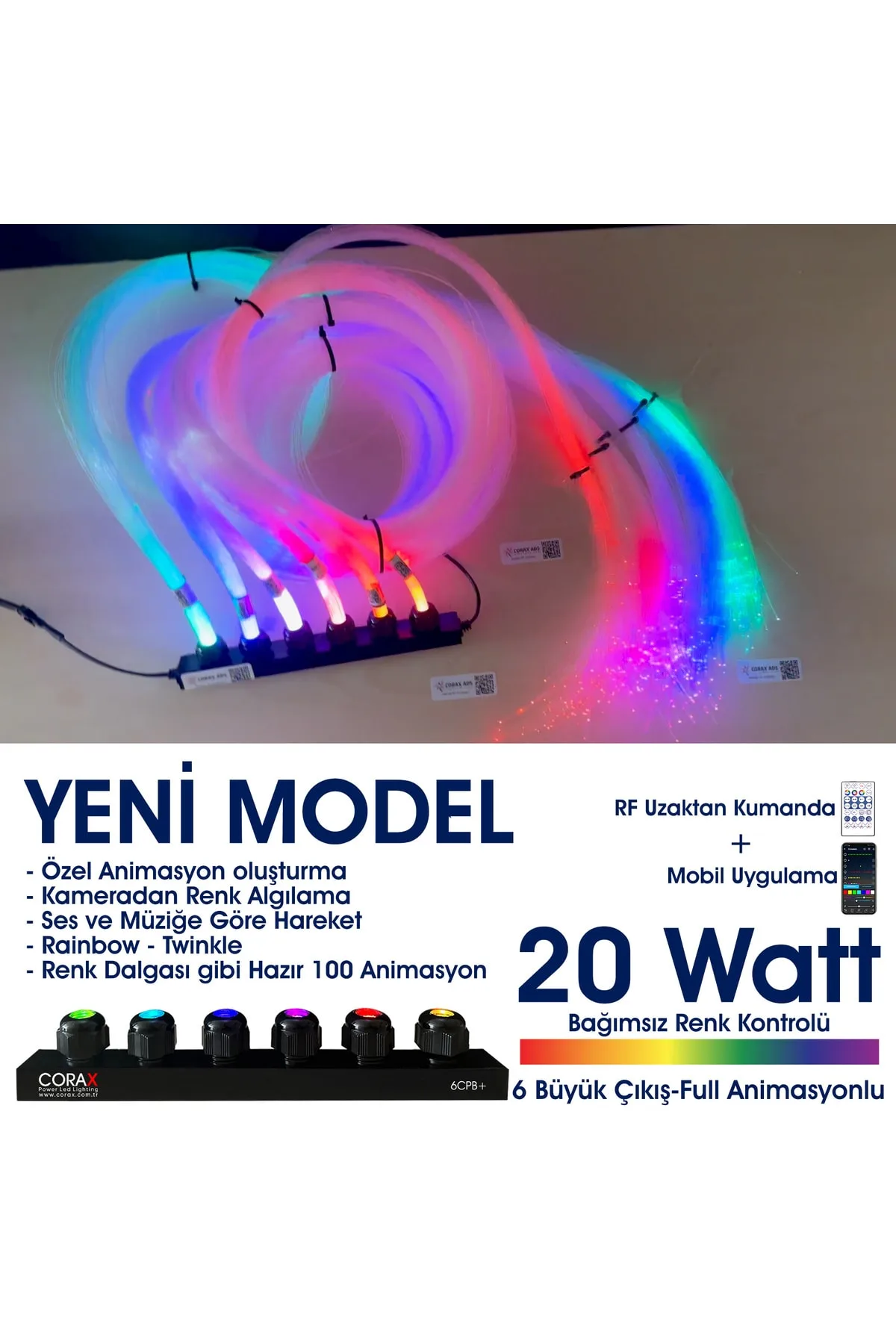
In summary, Power Pixel is an advanced lighting technology featuring a high-current driver circuit that controls each LED diode independently. This structure allows more electrical power to be delivered to each individual pixel. Consequently, the light output (lumens) from a single LED increases significantly. In 2026 models, manufacturers have further miniaturized these drivers, resulting in less heat generation and higher energy efficiency. Additionally, you can see a similar control logic on our ARGB pixel light source details page.
"The 'Power' in Power Pixel is not just electrical power, but also the visual dominance and emotional impact it brings to a space. This is where lighting meets art." - Industry Expert Opinion
What is Standard Pixel?
In contrast, Standard Pixel is a more traditional and economical approach that controls LEDs in groups (e.g., clusters of 3 or 6). Here, the power allocated to each individual LED is lower because the driver circuit manages fewer points. As a result, this offers more affordable and easier-to-install products. It is ideal for applications requiring general, homogeneous lighting where high brightness is not critical. For example, many basic kits utilize and incorporate standard pixel technology along with fiber optik light cable varieties.
Historical Development and Place in 2026
Historically, Pixel LED technology was generally of standard construction when it first emerged. Over time, demands from outdoor and large-scale artistic installations, in particular, created a need for a more powerful and controlled solution. Power Pixel, which became widespread from the early 2020s, has by 2026 established a solid place across a broad spectrum, from luxury residential projects to commercial storefronts and even automotive interior lighting. Moreover, the most significant development in 2026 is the seamless integration of both technologies with smart home systems and IoT (Internet of Things).
The fundamental difference between Power Pixel and Standard Pixel lies in power management and light output. Power Pixel has an integrated circuit that enables each LED diode to be driven independently and at high power, offering higher brightness and color depth. Standard Pixel operates at lower power, is typically controlled in groups, and is ideal for more economical solutions. 2026 technology has increased the energy efficiency of Power Pixel.
The Difference Between Power Pixel and Standard Pixel: Technological Superiority and 2026 Performance
Actually, what makes Power Pixel special is the underlying engineering. In this section, we will examine the concrete performance advantages it offers compared to Standard Pixel. When looking at the question "what is the difference between Power Pixel and Standard Pixel" from a performance perspective, the picture becomes quite clear.
Brightness and Light Output Comparison
Undoubtedly, this is the most noticeable difference. Specifically, because each LED in Power Pixel operates by drawing more current, it can produce 2 to 5 times more brightness than a Standard Pixel LED of the same physical size. In fact, some high-quality Power Pixel modules launched in 2026 can provide over 20 lumens of light output from a single point. This means effects visible even in daylight or effective accent lighting in high-ceilinged spaces. For example, our ARGB Power Pixel Light Source 9 Output product offers this high brightness while simultaneously providing color and effect control to 9 different fiber strands.
Energy Efficiency and Sustainability
But doesn't higher power mean more energy consumption? Indeed, 2026 technology has changed this perception. Modern Power Pixel drivers use energy much more efficiently thanks to features like ripple reduction and current stabilization. In terms of energy efficiency (lm/W), a quality Power Pixel can perform on average 15-20% better than a standard pixel system. This lowers operating costs and reduces your project's carbon footprint. Additionally, better heat management extends LED lifespan. You can review the relevant source for information on conductive metals used in electronic circuits.
Color Accuracy and Control Precision
Ultimately, independent control of each LED offers unlimited freedom in the world of color and effects. In a Power Pixel system, it's not a problem for two adjacent pixels to be red and blue, respectively. This level of control makes color transitions extremely smooth and animations fluid and seamless. Color accuracy (CRI - Color Rendering Index) is generally higher. In Standard Pixel, since color changes are typically cluster-based, transitions are more gradual and effect variety is more limited.
The most distinct technological advantage of Power Pixel is its much higher lumen output compared to Standard Pixel. This is especially critical in environments with daylight-like conditions or for accent lighting. Furthermore, thanks to drivers developed for 2026 models, energy consumption has been optimized, providing longer lifespan and less heat generation. The ability to individually address each diode offers unique control possibilities for animations and dynamic effects.
What is the Difference Between Power Pixel and Standard Pixel? Project Preferences and the 'Power' Concept
On the other hand, we've discussed the superiorities of Power Pixel, so why does Standard Pixel still maintain its place in the market? Essentially, the answer lies in the diversity of needs and expectations. The question "what is the difference between Power Pixel and Standard Pixel" is directly related to the project concept.
The Meaning of the 'Power' Concept in Lighting: Power, Performance, and Prestige
Actually, when the word 'power', meaning 'strength' or 'force' in Turkish, enters the lighting industry, it gains a multi-layered meaning. It signifies not just electrical power in watts; but also the transformative effect of light on space, visual performance, and ultimately, prestige. A project using Power Pixel is often perceived as 'eye-catching', 'impactful', and 'technologically advanced'. This cultural context is an influential factor in purchasing decisions, especially for luxury brand stores, hotel lobbies, or private villas. On the other hand, people associate Standard Pixel with a more 'modest', 'balanced', and 'relaxing' ambiance.
Low-Budget and General Lighting Projects
Typically, the area where Standard Pixel is strongest is projects requiring homogeneous and soft lighting of wide areas. It is a budget-friendly option. It is ideal for applications such as:
- Ceiling lighting for bedrooms, hallways, and children's rooms (e.g., YOUTH ROOM STAR CEILING SET)
- Poolside or landscape lighting where creating a general atmosphere is desired rather than a specific accent (e.g., POOL LIGHTING FIBER OPTIK STAR KIT)
- Creating a calm ambiance in public transport vehicles (e.g., BUS AMBIANCE LIGHTING SET)
Ease of Installation and Maintenance
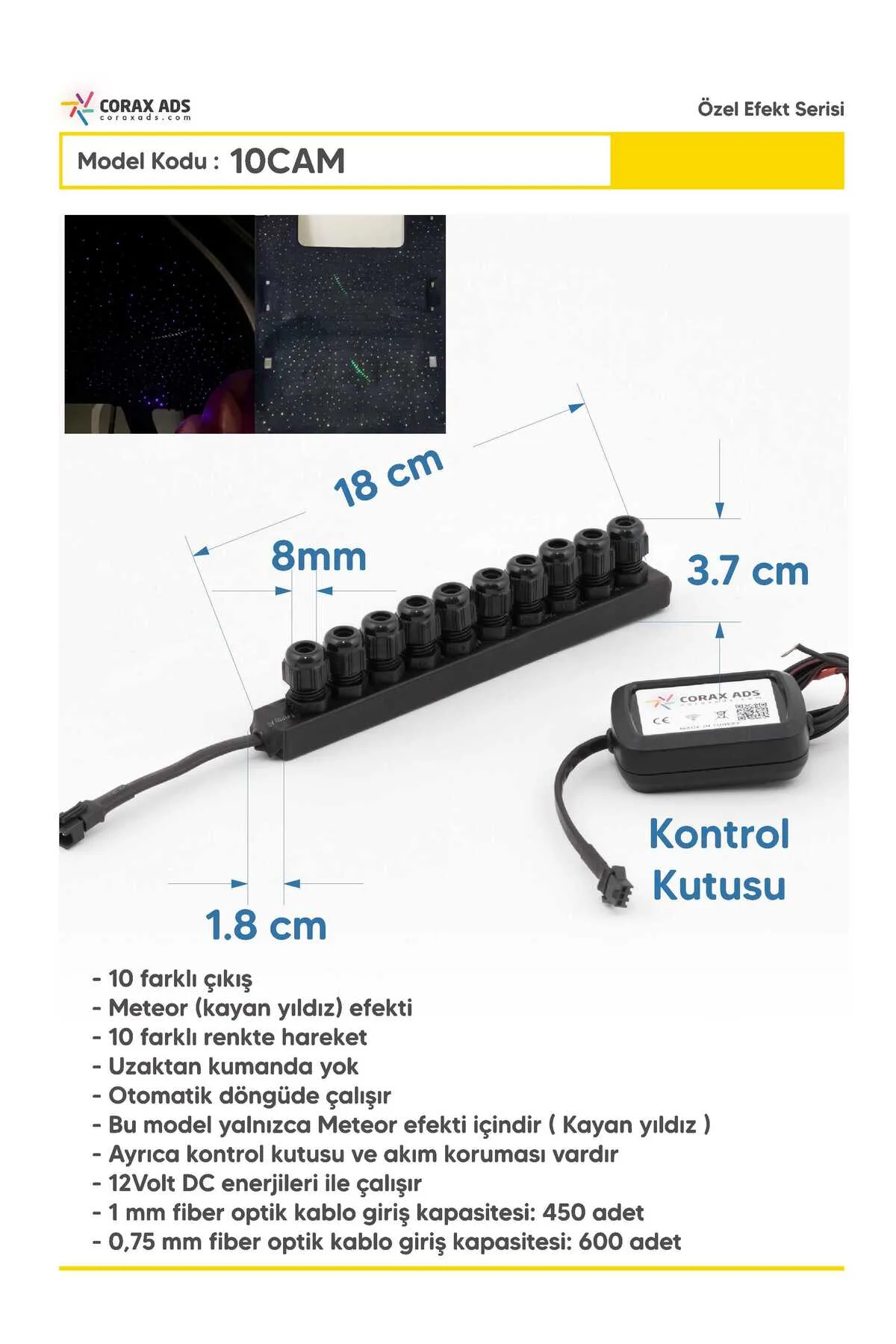
Additionally, the simpler circuit structure makes standard pixel systems easier to install and troubleshoot. They generally offer fewer control points and less sensitive power requirements. This is a major advantage for users with less technical knowledge or projects requiring quick installation. However, they may be limited for more dynamic effects like shooting star effects using pixel LEDs.
Standard Pixel is preferred for projects requiring broader, more homogeneous lighting where budget is critical. It is ideal for general ambiance lighting and some pool and landscape applications. The 'Power' concept in lighting signifies not just electrical power but also the emotional impact and prestige it brings to a space. In 2026, consumer perception has shifted towards products that balance energy savings with visual impact.
What is the Difference Between Power Pixel and Standard Pixel? How to Make the Right Choice
Absolutely, making the right choice goes beyond reading a list of technical specifications; it's about understanding the spirit of your project. The following checklist will help you decide. What is the difference between Power Pixel and Standard Pixel? Visit https://CoraxAds.com now to explore our collection and find the best deals.
The Difference Between Power Pixel and Standard Pixel: Technical Comparison and Cost Analysis
In this section, we will address the question "what is the difference between Power Pixel and Standard Pixel" with concrete data. Not just the initial investment cost, but the total cost of ownership (energy, maintenance, lifespan) determines project economics.
Initial Investment and Operating Costs
Naturally, due to the more complex circuit structure and high-quality components, the initial purchase cost of Power Pixel systems can be on average 30% to 60% higher than a Standard Pixel system with a similar number of points. However, operating costs paint a different picture. Thanks to high energy efficiency, Power Pixel saves on electricity bills in the long run. Additionally, better heat management extends LED lifespan, reducing replacement costs. Therefore, over a 5-year period in a heavily used commercial space, the total cost of Power Pixel can approach or even surpass that of Standard Pixel.
Scalability and Flexibility
In large-scale projects, the flexibility of Power Pixel stands out. You can independently control thousands of pixels with a single controller. In Standard Pixel systems, as the pixel count increases, so do the control groups, which may require more control units or more complex wiring. On the other hand, for small-scale, fixed-color background lighting, the simplicity and low cost of Standard Pixel are much more sensible.
Power Pixel vs. Standard Pixel Product Comparison Table
The table below summarizes the question "what is the difference between Power Pixel and Standard Pixel" based on typical products in the CoraxAds portfolio. This comparison will guide your model selection.
| Feature / Criterion | Power Pixel (e.g., ARGB 9 Output) | Standard Pixel (e.g., Basic Star Ceiling Kit) |
|---|---|---|
| Control Type | Each LED Independent (Individually Addressable) | LEDs in Groups (Cluster Control) |
| Max. Brightness (Per Point) | High (15-20+ Lumens) | Low - Medium (3-8 Lumens) |
| Color & Effect Variety | Very High (Fluid animations, complex shows) | Limited (Fixed color, slow transitions, simple effects) |
| Energy Efficiency (lm/W) | High (Optimized with 2026 technology) | Medium |
| Typical Initial Cost | High | Low - Medium |
| Installation & Configuration | Relatively Complex (Software/App may be required) | Simple and Fast |
| Ideal Use Case | Artistic ceilings, storefronts, lobbies, bars, private villas | Bedrooms, children's rooms, hallways, some landscape applications |
| IoT / Smart Home Integration | Fully Compatible (Wi-Fi, Bluetooth, DMX) | Limited or None |
This table clearly reveals the fundamental differences. Indeed, you can make the most accurate choice by evaluating your project needs against these criteria.
Maintenance, Durability, and Longevity Tips
Both systems extend their lifespan with regular maintenance. When looking at the question "what is the difference between Power Pixel and Standard Pixel" from a maintenance perspective, heat management is the most critical factor.
Maintenance Tips for Power Pixel Systems
Since Power Pixel LEDs operate at higher current, heat generation is greater. Therefore, it is very important to mount the light source unit (illuminator) in a well-ventilated location. Dust accumulation reduces cooling efficiency; clean it gently with a vacuum attachment regularly. Also, completely turning off the system when not in use preserves the lifespan of electronic components. Periodically checking wiring connections prevents potential loosening.
Maintenance Tips for Standard Pixel Systems
The most common issue in Standard Pixel systems is oxidation caused by moisture or humidity. Especially if used in damp environments like bathrooms or outdoors, ensure the waterproofing of all connection points and connectors. Due to their simple structure, if an LED group fails, usually only that group needs to be replaced, which lowers maintenance costs. Ensure the power adapter operates within the recommended voltage range; using the wrong adapter can damage the entire system.
Shopping Guide for Choosing the Right Pixel System for Your Project
You understand what the difference between Power Pixel and Standard Pixel is, but what should you pay attention to during the purchasing process? Here is a step-by-step guide:
- Create a Project Brief: Clarify the size of the space, purpose of use (relaxation, entertainment, commerce), desired effects (calm, dynamic, interactive), and your budget.
- Determine Brightness Needs: Is the environment bright? Does the light need to be visible during the day? If yes, Power Pixel becomes essential.
- List Your Control and Integration Needs: Do you want to control it from your smartphone or home automation system (Amazon Alexa, Google Home)? In that case, look for Power Pixel systems and compatible controllers.
- Review Sample Videos and References: Request finished project videos or photos using both technologies from the seller. On CoraxAds.com, you can find detailed images and descriptions for each product.
- Inquire About Technical Support: Is technical support provided for post-purchase installation and software configuration? This support is very valuable for Power Pixel systems.
- Read the Warranty Terms: What is the warranty period for the LEDs and drivers? Quality manufacturers offer at least 2-3 years of warranty.
By following these steps, you can choose a pixel lighting system that perfectly fits your needs and won't lead to disappointment.
Frequently Asked Questions (FAQ)
Why are color transitions smoother in Power Pixel systems compared to Standard Pixel?
Power Pixel systems typically work with controllers that have higher bit depth (e.g., 16-bit). This means the brightness and color level of each LED can be changed in much smaller increments. In Standard Pixel systems, 8-bit control is common, which can cause noticeable steps in transitions discernible to the human eye.
Can an effective starry ceiling be made with Standard Pixel?
Yes, it can. However, the effect will be limited. Standard Pixel is suitable for fixed or slowly twinkling star effects. If you want realistic meteor showers or complex color waves for starry ceiling design, Power Pixel systems offering individual control are essential.
Which system has a longer lifespan?
Lifespan is directly related to the quality of LEDs used, the stability of driver circuits, and most importantly, heat management. Since Power Pixel LEDs operate at higher current, they require a good cooling solution. Both systems, if well-designed and made from quality components, can be long-lasting. However, Standard Pixel systems generally experience less thermal stress due to lower heat generation.
Is it possible to upgrade my existing Standard Pixel system to Power Pixel?
A complete "upgrade" is usually not possible because the LEDs, power supplies, and controllers are completely different. However, retaining your existing fiber optik bundles and only changing the light source (illuminator) and control system can offer a partial solution. At this point, seeking professional consultancy is critical.
Which is more suitable for commercial spaces like restaurants, hotel lobbies?
In commercial spaces, impact and durability are paramount. For high-prestige points like lobbies, bars, or VIP areas, dynamic light art created with Power Pixel is preferred. For general corridor lighting or calm restaurant corners, Standard Pixel can be a sufficient and economical solution. You can visit CoraxAds.com to examine both product ranges.
"Light is the soul of a space. Choosing the right pixel is about articulating that soul with the right toning. Technical specifications are the tools, but the goal is to create emotion." – Corax Ads Decorative Lighting Expert
Conclusion and Summary
The essence of the question "What is the difference between Power Pixel and Standard Pixel?" is seeking the balance between "controlled power" and "sufficient brightness". Power Pixel is the answer for projects where artistic expression and technological superiority are paramount, and individual control must govern each light point. Standard Pixel is indispensable for applications that want to create a homogeneous, warm, and intimate ambiance over wide areas while also considering budget efficiency. Both systems carry the safe and flexible structure offered by fiber optik lighting, but the emotional and visual effect you aim to achieve is the key determining your choice.
With over 10 years of industry experience, we listen to your project, analyze your technical needs, and offer you the most suitable solution. Explore our product portfolio to clarify your decision between dazzling shows with Power Pixel or economical and elegant lighting with Standard Pixel. With our professional support, bring your dream lighting design to life.
To browse our collection, request a price quote, or for technical consultancy, visit CoraxAds.com immediately or contact us.