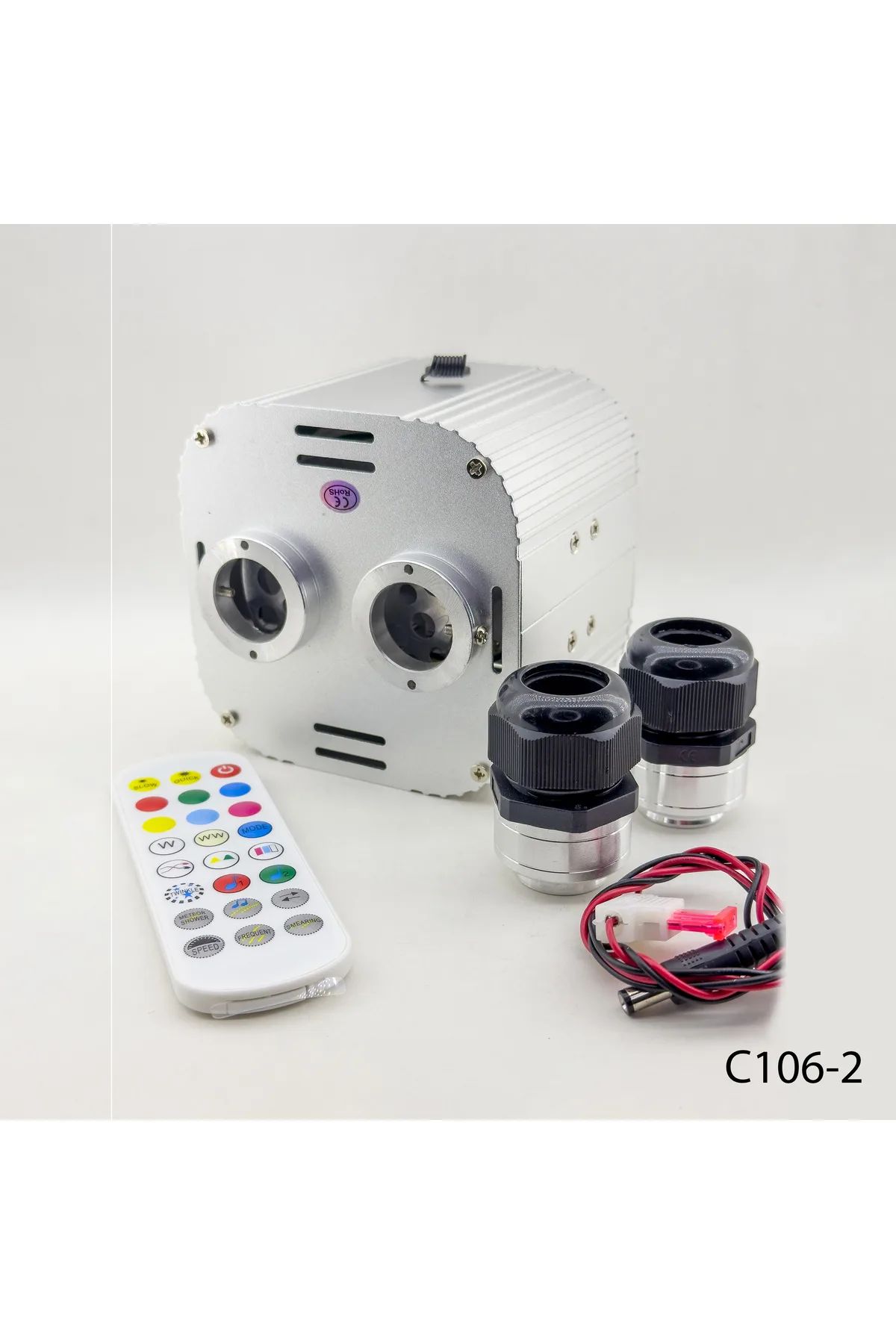
What is mechanical twinkle? This question lingers in the minds of anyone wanting to bring an intimate sky to their ceiling. The answer, however, lies in an engineering marvel: an analog fiber optik technology that uses a physical, rotating disk to mimic the natural and mesmerizing twinkle of stars. Detailed information on what is mechanical twinkle? regarding price is also important. Ultimately, it has maintained its presence in the sector since the 2000s and holds a dazzling 28% market share in projects requiring durability. Moreover, why is it still so popular?
Table of Contents
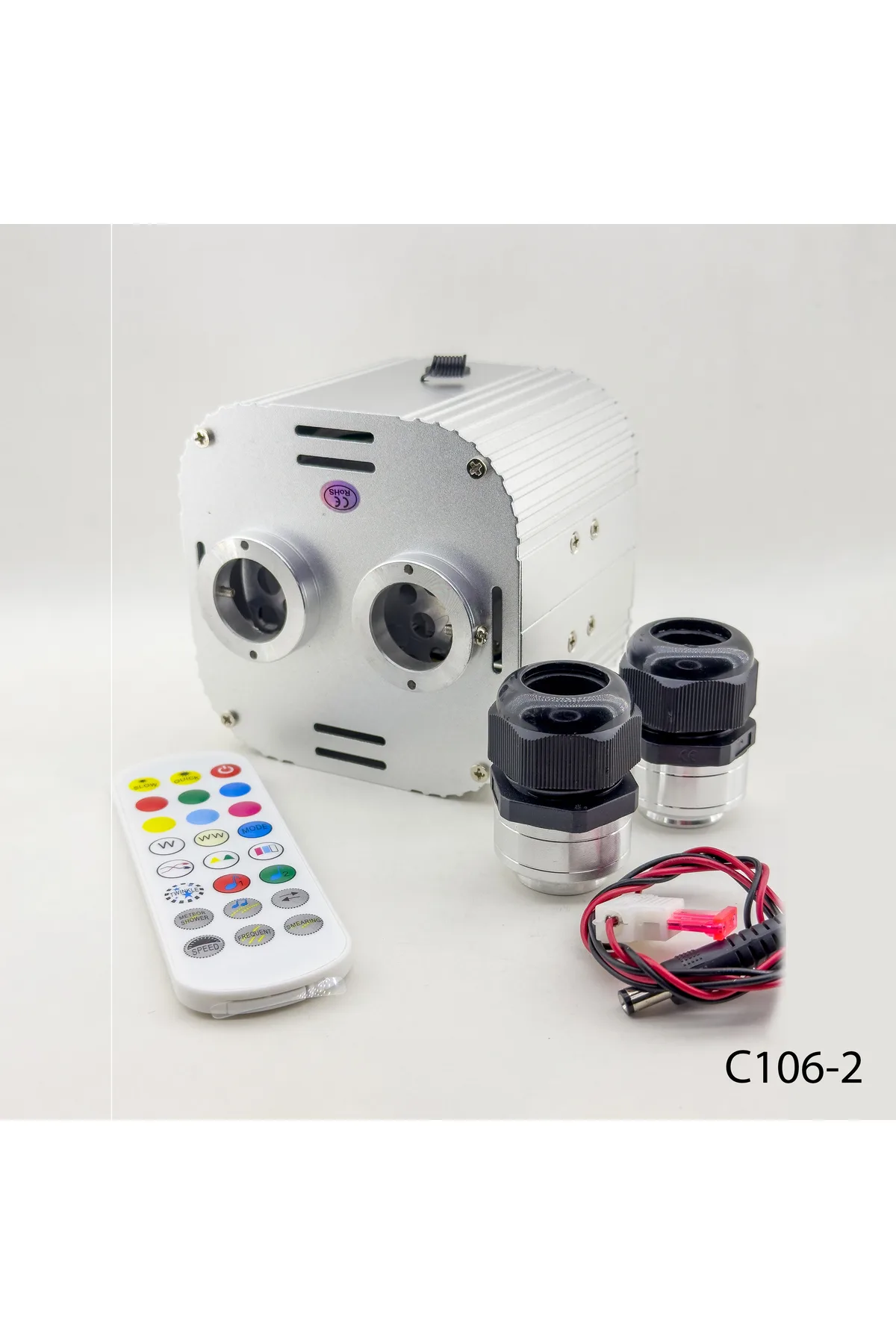
- Definition and Basic Principle
- Working Principle and Components
- Comparison with Electronic Twinkle
- Maintenance Tips and Lifespan Extension
- Buying Guide: Model Selection
- Application Areas and Project Examples
- Trend Analysis: The Future
- 5 Critical Points to Consider
- Frequently Asked Questions (FAQ)
In this article, we will decipher the question 'What is mechanical twinkle?' down to the finest detail. You can read on with peace of mind.
What is Mechanical Twinkle? Definition and Basic Principle
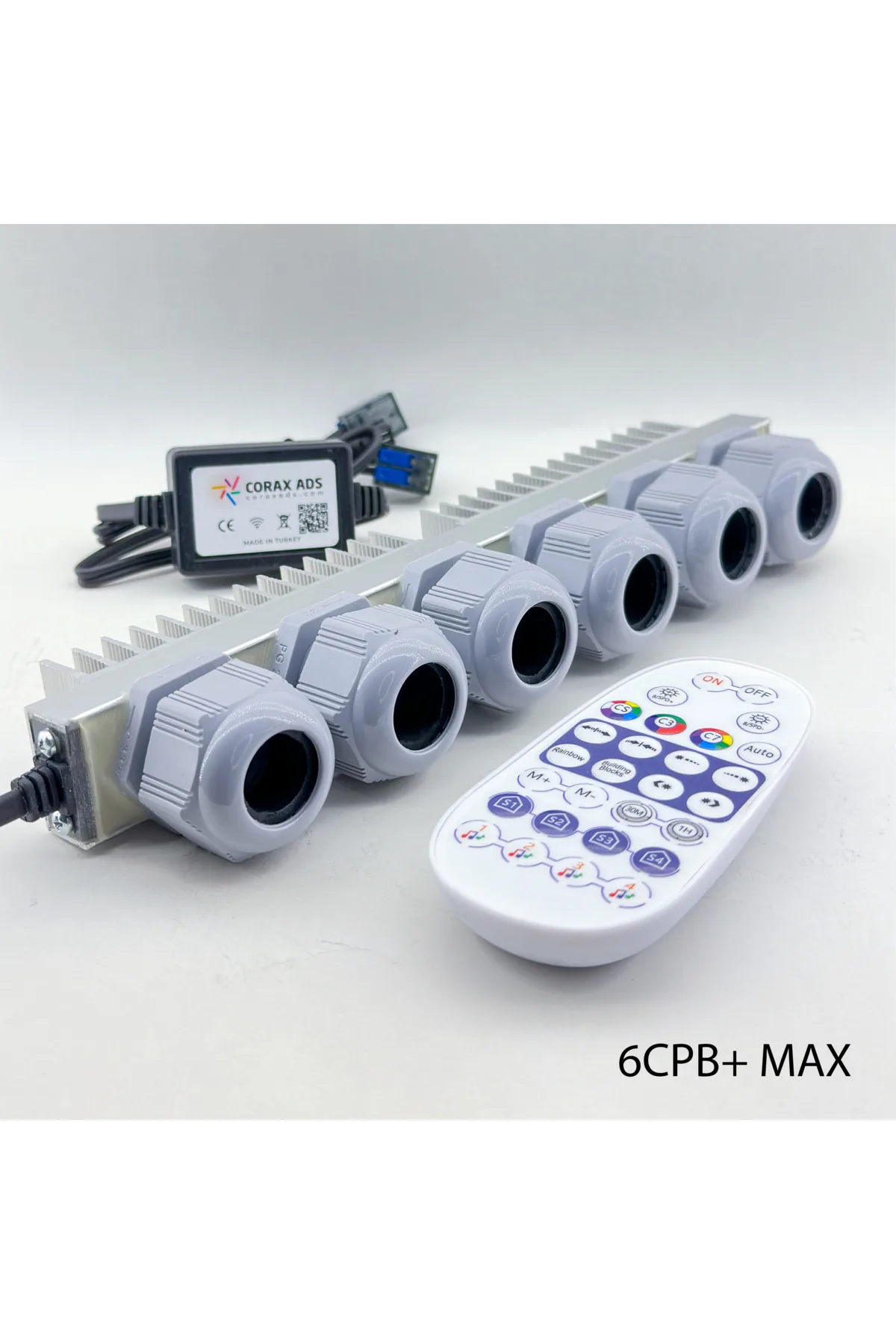
Mechanical twinkle is an extremely simple yet ingenious idea used in fiber optik systems to mimic the twinkling of stars. A perforated disk placed in front of the light source rotates, continuously interrupting and allowing the light to pass. The reason it's called "Mechanical" is precisely this: it's not digital software, but a tangible, moving part that creates the magic. Detailed information on what is mechanical twinkle? regarding models is also important.
As a designer who has worked in this sector for years, I can say the feeling provided by mechanical twinkle is priceless. When you want to capture that luxurious and peaceful atmosphere in hotels or spa centers, it offers a warmer, more "lively" effect compared to electronic versions. It's as if real stars are shining on your wall.
Why is the Term "Mechanical" Used?
Frankly, someone asking what is mechanical twinkle is actually seeking something non-digital. It is a method that uses a moving band or disk to physically interrupt the light output. This analog approach forms its essence.
The Historical Development of Mechanical Twinkle
In principle, it's very simple. A fixed light passes in front of a disk with randomly placed holes. As the disk rotates, the light sometimes filters through the holes and sometimes is blocked. This rapid rhythm recreates the tiny twinkles of stars in our eyes. Fortunately, this method is also a master at creating a warm and sparkling atmosphere, like that of a gold-plated finish. Therefore, it has become indispensable for showcase lighting and many decorative accessories. Of course, there are many different varieties available on the market.
What is Mechanical Twinkle? How It Works: Components and Detailed Operation
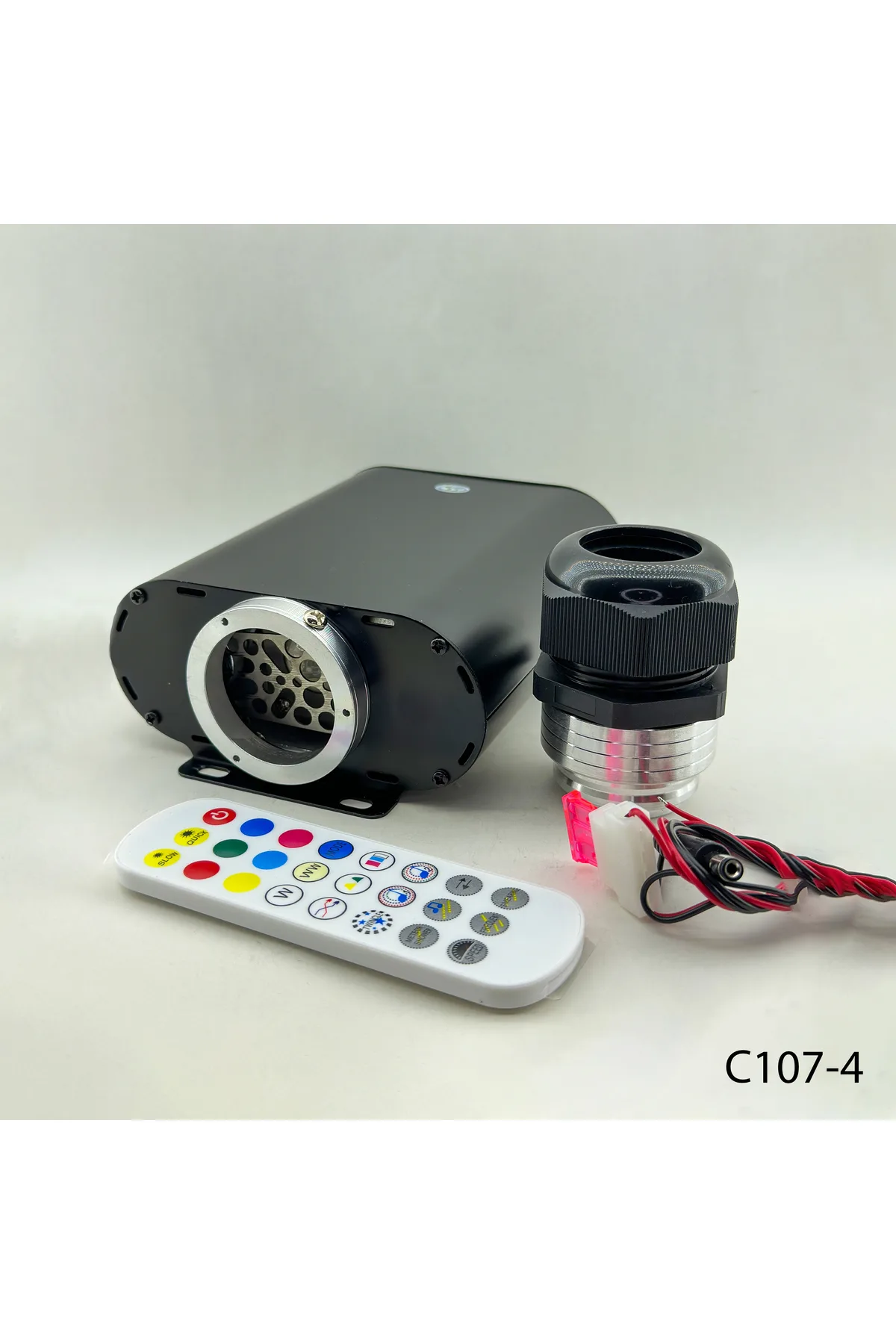
Although people today first think of digital systems when they hear "twinkle," the foundation of this is entirely mechanical. We're talking about a technology that has solidified its place in the sector since the early 2000s. In short, 2026 data shows its market share in durability-focused projects remains around 28%. These systems also add a lively sparkle to products in jewelry and accessory displays, making them shine like gold.
- Fixed Light Source: Halogen, LED, or RGBW. The fundamental element providing constant and stable light.
- Twinkle Effect Disk: A metal or fiber disk rotated by a motor, with asymmetric holes. The soul of the effect lies in the distribution of these holes!
- Small DC Motor: The power source that rotates the disk; it needs to operate quietly.
- Light Collector and Distributor: Collects light, passes it through the disk, and distributes it fairly to the fibers.
- Fiber Optik Cables: The hidden heroes that carry the light to the star points.
The first models consisted of simple motors and handmade disks. In summary, as motor technology advanced over time, quieter and more robust models emerged. Today, manufacturers produce mechanical twinkle modules with long-life bearings and optimized disk patterns.
The Impact of Disk Design
The motor runs, the disk spins. The fixed light is interrupted as it passes through the holes of this rotating disk. The magic begins here. The light at the end of each of hundreds of fibers flickers in a free and unpredictable rhythm depending on the disk's geometry, adding visible depth and realism to the environment. Furthermore, the practical answer to the question what is mechanical twinkle is hidden within this physical dance.
What is Mechanical Twinkle? Detailed Comparison with Electronic Twinkle
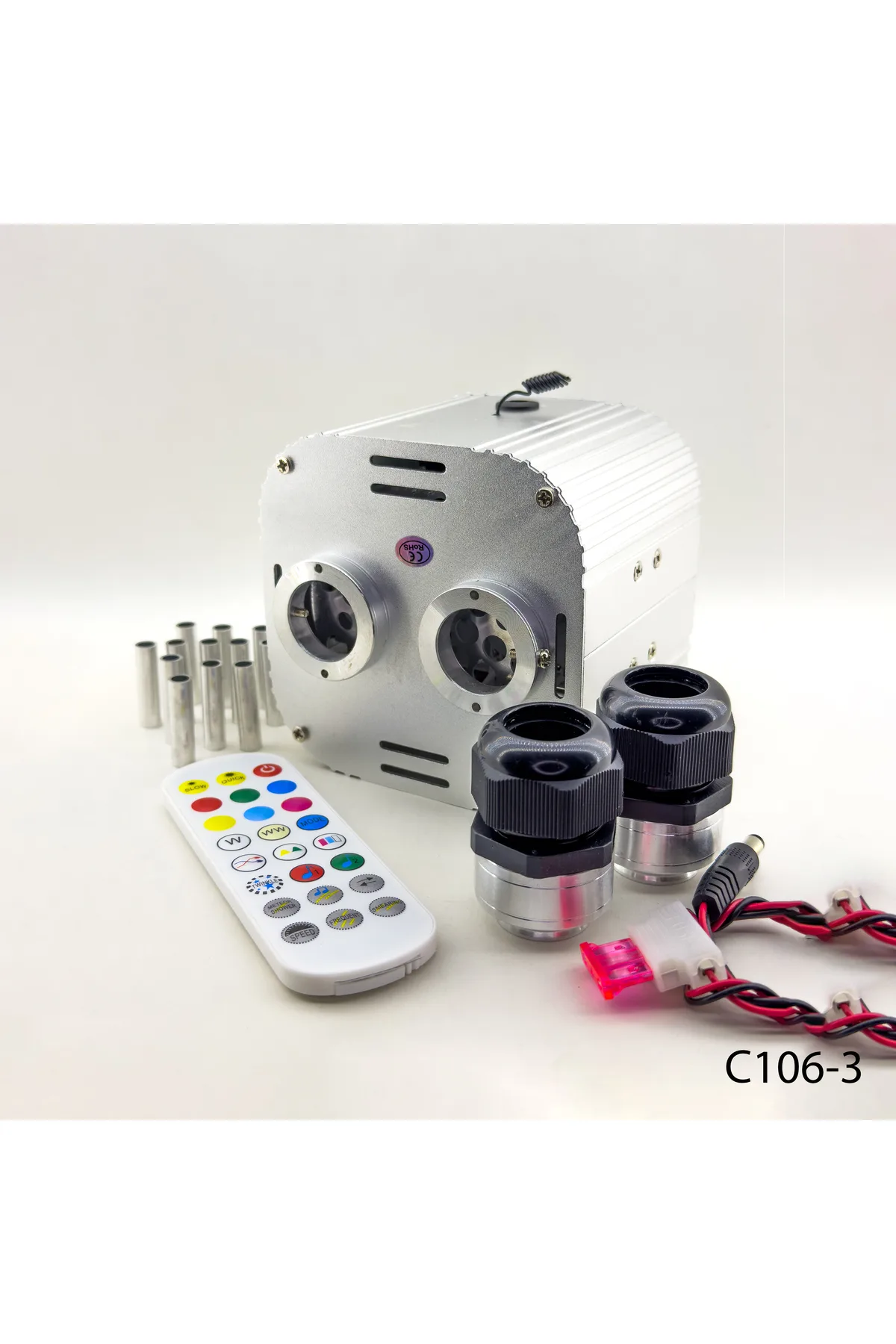
These are the parts that form the heart of a mechanical twinkle system. So, how does it compare to its rival?
| Comparison Criterion | Mechanical Twinkle | Electronic (LED) Twinkle |
|---|---|---|
| Working Principle | Interrupting light with a physical rotating disk | Controlling LED chips via digital signals |
| Effect Naturalness | Completely random, analog, organic twinkling | Dependent on software algorithm, sometimes repeatable |
| Maintenance Need | May require periodic checks due to mechanical wear | No moving parts, depends on electronic component lifespan |
| Quietness | Very quiet with quality motors, may develop slight noise over time | Completely silent |
| Lifespan | Depends on motor and disk life (average 10,000+ hours) | Depends on LED life (50,000+ hours) |
| Price | Generally a more economical initial cost | Can be higher due to its technology |
| Color and Control Flexibility | Limited by the light source's color capability, simple speed adjustment | Full control over RGB color change, brightness, and effect speed |
The motor runs and begins to rotate the disk. The light beam is continuously interrupted by the holes of the rotating disk. These interruptions reach the ends of hundreds of fibers randomly. Each fiber end flickers independently and unpredictably according to the disk's structure, resulting in an image with depth and incredible realism.
Which One Should Be Chosen for Which Project?
The arrangement of holes on the disk is everything. Irregular holes of different sizes wonderfully mimic the variety in brightness and twinkle speed of stars in the sky. Therefore, disk design plays a key role in a quality mechanical twinkle module.
What is Mechanical Twinkle? Maintenance Tips and Lifespan Extension Guide
The fundamental difference between mechanical and electronic twinkle lies in how they produce the effect. One interrupts with a physical disk, the other manipulates with digital signals. While the mechanical one provides an organic and random feel, the electronic one offers unlimited control over color and speed.
Potential Malfunctions and Simple Solutions
To decide which system to choose, it's essential to understand both technologies well. The answer to the question what is mechanical twinkle only becomes fully clear when placed side by side with its rival. The table above will provide you with a clear roadmap.
Professional Tips for Long-Term Use
These systems perform differently in delicate tasks, such as displaying a jewelry model. If you're wondering what is mechanical twinkle? and want to see our collection, visit CoraxAds directly. You can also closely examine all models and varieties in our online catalog.
What is Mechanical Twinkle? Frequently Asked Questions (FAQ)
How exactly does the mechanical twinkle effect work?
A motor rotates a perforated disk. This disk spins in front of a fixed light source (usually a powerful LED), interrupting and releasing the light. When the light reaches the ends of the fibers in this interrupted manner, a random, natural flickering effect resembling the twinkling of stars emerges. Simple and clever!
How durable is a mechanical twinkle system and what is its lifespan?
A mechanical twinkle system made with quality materials can last 20,000 to 50,000 hours with regular maintenance. Durability depends on motor quality, disk balance, and the installation environment (dust, heat). By applying the correct maintenance tips, you can significantly extend its lifespan.
For which of my projects should I choose mechanical twinkle, and for which electronic twinkle?
Source: tr.wikipedia.org
This entirely depends on your project priorities. Mechanical twinkle promises a more realistic and depth-filled effect in large ceiling or wall projects using high fiber density (e.g., 100+ fibers per square meter). Electronic twinkle is tailor-made for smaller decorative works requiring compact, silent operation and individual fiber control. Our team at CoraxAds.com will help you find the most suitable solution.
Where else can I install a mechanical twinkle module besides the ceiling in my home?
It's fair to say the limit is your imagination. Starry ceilings are just the beginning. Wall panels, bar and restaurant decor, drywall niches, pool edges, even headboard lighting... Since fiber optik cables are flexible, you can hide the light source and bring the effect to any point you desire.
Is maintaining a mechanical twinkle system difficult and costly?
Not at all! On the contrary, maintenance is simple and inexpensive. Maintaining a mechanical twinkle system involves periodically cleaning the motor shaft and disk bearing, checking air filters, and inspecting connections. It does not require professional technical service, nor are there complex electronic board failures.
Conclusion and Summary: The Artistic Touch of Mechanical Twinkle
In short, mechanical twinkle can be ideal for projects requiring a budget-friendly, simple, and natural effect, intended for long-term but not continuous maximum-speed operation (e.g., hotel rooms, private bedrooms). In contrast, electronic twinkle is more suitable for projects prioritizing full control, silence, long lifespan, and high technology.
Maintenance involves cleaning the motor shaft, ventilating the system, and perhaps using a timer. These small precautions can extend the 10,000+ hour lifespan much further.
Extending the life of a mechanical twinkle system is truly easy. If you clean the motor shaft and disk bearing at regular intervals, friction decreases and quiet operation continues. Paying attention to system ventilation prevents the motor from overheating. Therefore, leaving sufficient space around the module is a golden rule.
Sometimes the effect may distort or stop. Usually, the cause is the disk jamming or the motor connection loosening. You should also ensure the power supply is working properly. These simple steps can prevent major problems.
Using a timer instead of running the system 24/7 significantly increases motor life. If you're in a dusty environment, don't forget to regularly change the module's air filters. If you want to see what is mechanical twinkle? and the most suitable models, click on https://CoraxAds.com now.
In summary, the answer to what is mechanical twinkle is bringing nature's most magical light play indoors with physical ingenuity. Compared to its electronic rivals, the organic, random, and deep twinkle it offers makes it indispensable for luxurious and permanent decoration projects. When applied correctly in the right project, you don't just create custom lighting—you create a work of art.
Its understandable mechanism, long lifespan, and mesmerizing visual result have made mechanical twinkle systems one of the most preferred solutions in our over-a-decade of experience. If you also want to add this magic to your projects, visit CoraxAds.com for our wide product range and expert consultancy. We are here to help you create a perfect starry sky. To discover our what is mechanical twinkle? collection and seize the best opportunities, visit https://CoraxAds.com now.