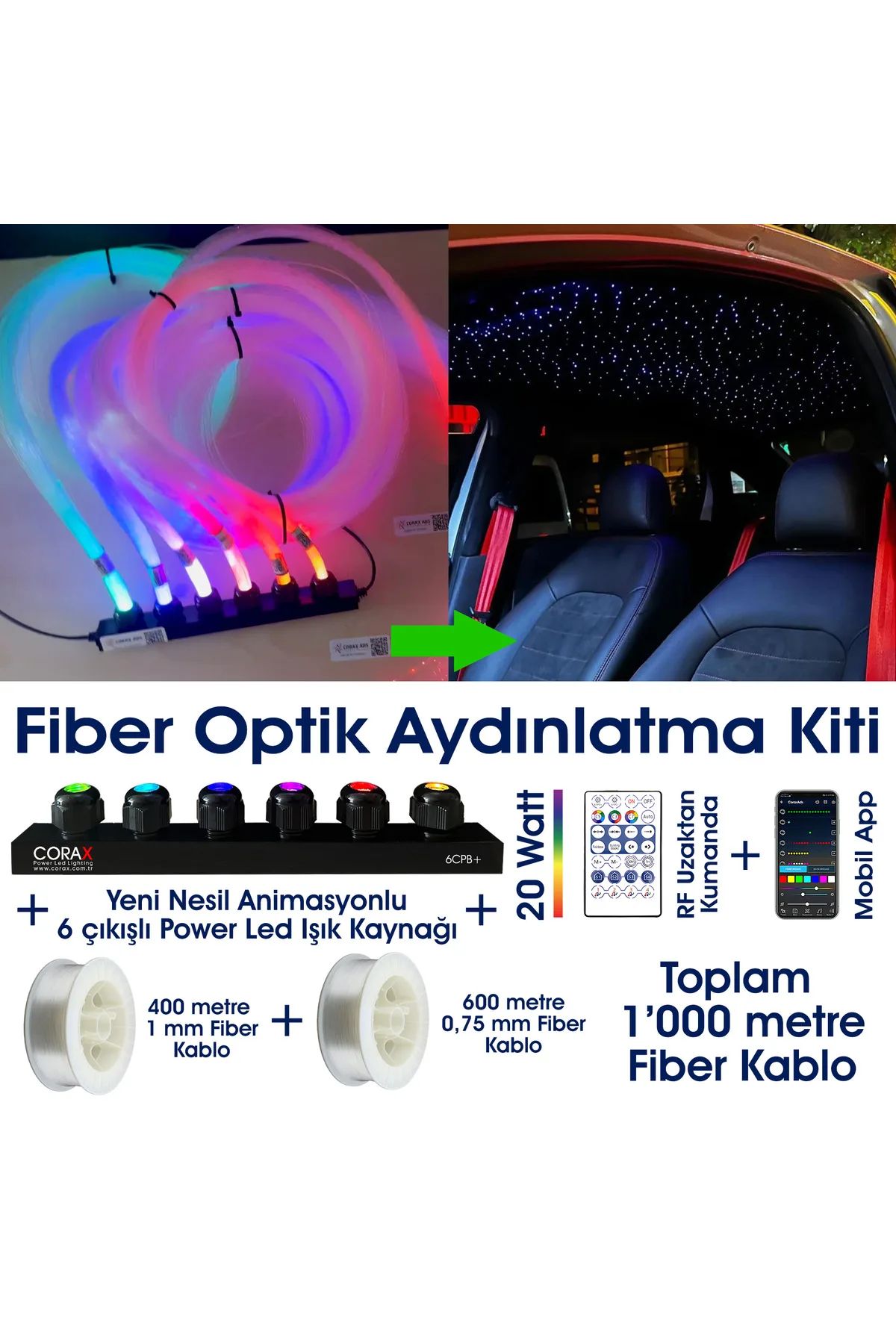
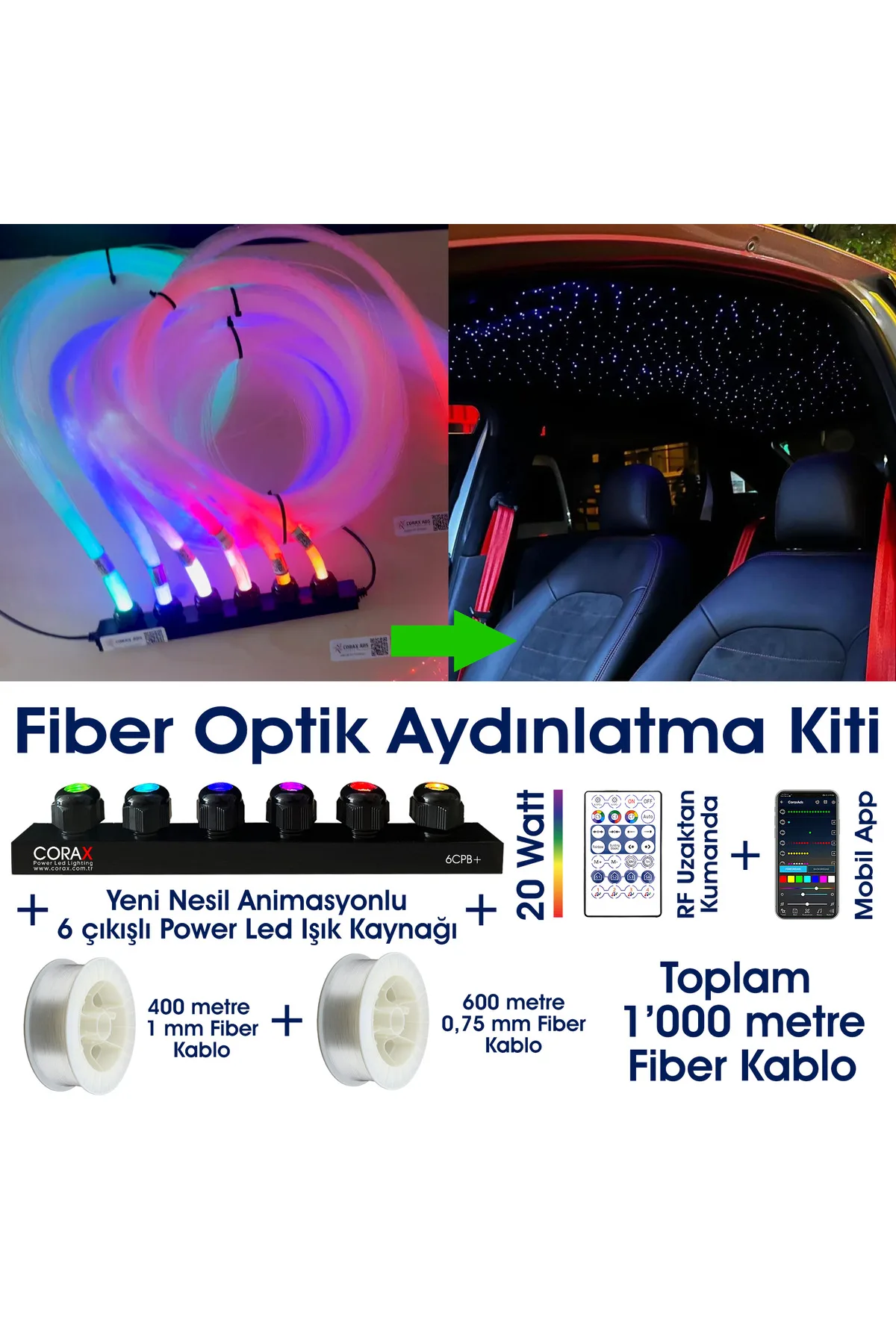
What is a moving star fiber optic kit? It is an advanced decorative lighting solution that uses a specialized light source and fiber optic cables to create the illusion of movement, with pinpoint lights twinkling, changing color, or sequencing in a specific pattern. The secret behind this effect lies in smart controllers and ARGB (Addressable RGB) technology.
Contents
- What is a Moving Star Fiber Optic Kit? How Does It Create the 'Moving' Effect?
- What is a Moving Star Fiber Optic Kit? Components and 2026 Standards
- What is a Moving Star Fiber Optic Kit? Applications and 2026 Use Cases
- What is a Moving Star Fiber Optic Kit? 3 Key Differences from a Standard Kit
- 2026 Checklist for Purchasing a Moving Star Fiber Optic Kit
- Moving Star Kits: Product Comparison and Selection Guide
- Maintenance Tips and Lifespan Extension for Moving Star Systems
- 2026 Trend Analysis: The Future of Moving Star Systems
- Frequently Asked Questions (2026 FAQ) About Moving Star Fiber Optic Kits
- Conclusion: What is a Moving Star Fiber Optic Kit? Why Choose It in 2026?
Simply put, a moving star fiber optic kit is a step beyond traditional static star ceilings. By using a specialized light source (projector) and fiber optic cables, pinpoint lights twinkle, change color, and create an illusion of movement in a specific sequence. So, how is this 'moving' effect created? The answer lies in smart controllers and ARGB (Addressable RGB) technology. Each fiber optic strand or group can be independently managed by the controller. Therefore, light signals are transmitted sequentially, creating the sensation of shooting stars. Additionally, check out BOAT, YACHT, MARINE VEHICLE AMBIENCE LIGHTING FIBER OPTIC STAR CEILING KIT - ECO.
What is a Moving Star Fiber Optic Kit? How Does It Create the ‘Moving’ Effect?
For example, a slowly appearing and disappearing green light beam in a room, or a comet effect flowing across the ceiling, is possible with these kits. In essence, this system is not just lighting; it's also a work of art and a tool for creating atmosphere.
The Technology Behind the Moving Effect: ARGB and DMX Control
The quality of this effect is directly related to the quality of the equipment used. Therefore, high-intensity LEDs and quality fiber optic cables provide a clearer and smoother moving effect. In contrast, low-quality products may result in a choppy and dull effect. Thus, proper planning and product selection are crucial at this point. At CoraxAds, we offer tailored solutions for different space requirements. In short, we guarantee consistent delivery of this magical effect in every project. With modern controllers, you can instantly change the speed, direction, and color of the movement via remote control or a smartphone app.
What is a Moving Star Fiber Optic Kit? Components and 2026 Standards
Let's delve a little deeper to understand the moving effect. Two main control protocols are common in these kits: ARGB and DMX. In summary, in aRGB (Addressable RGB) systems, a signal can be sent individually to each LED chip in the projector. This means that each of the hundreds of fibers from a single projector can have a different color and brightness. DMX control, on the other hand, is used in more professional stage and architectural lighting, allowing multiple projectors to operate in sync with complex effect sequences. For example, all the moving star fiber optic kits in a hotel lobby can move in sync with the rhythm of the music. This technical depth elevates these products far beyond simple decorative lighting.
- ARGB or DMX Controlled Light Source (Projector): The brain of the system. The high-power LEDs inside run the effect algorithms and produce the light. In 2026, projectors with high energy efficiency (lm/W) and advanced cooling performance have become standard.
- Special Fiber Optic Cables for the Moving Effect: Typically 0.75 mm or 1 mm in diameter, using PMMA or end-doped fibers with high numerical aperture (NA). Quality fiber minimizes light transmission loss and makes the "moving" light appear brighter and more vivid.
- Smart Controller and Remote Control/App: Manages effect selection, speed adjustment, color mixing, and timer functions. Many models now integrate with smart devices via Wi-Fi or Bluetooth.
- Connection Fittings and Distributors: Optical couplers that branch the fiber bundles from the projector and connection terminals provide installation flexibility.
- Mounting and Application Kit: All necessary tools for drilling, adhesive application, and fixing. Facilitates professional installation.
What are the components of a moving star fiber optic kit? A kit compliant with 2026 standards consists of an ARGB/DMX projector, special fiber optic cables, a smart controller, connection fittings, and a comprehensive mounting kit. According to experts, a quality projector and low-loss fibers determine the vibrancy of the effect.
“The heart of a moving star system is the controller that manages the effects. In 2026, leading models on the market come with software that can be updated over a local network, offering users unlimited customization options. This also ensures the system you purchase is future-proof.” – CoraxAds Technical Advisory Team.
What is a Moving Star Fiber Optic Kit? Applications and 2026 Use Cases
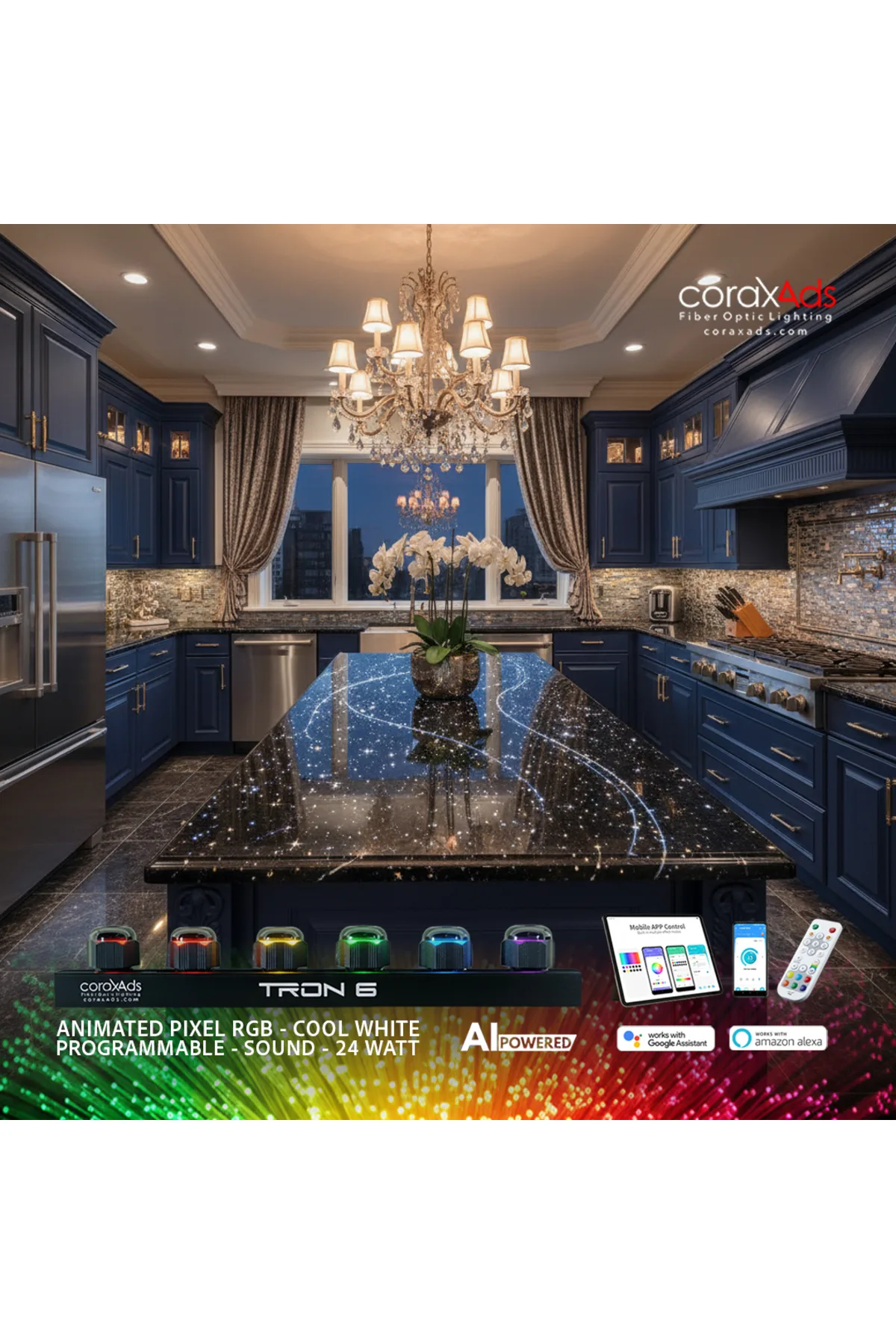
Understanding the basic components is essential to creating this magical experience, as a missing or incompatible part can degrade the quality of the entire effect. Here are the essential parts of a kit compliant with 2026 standards:
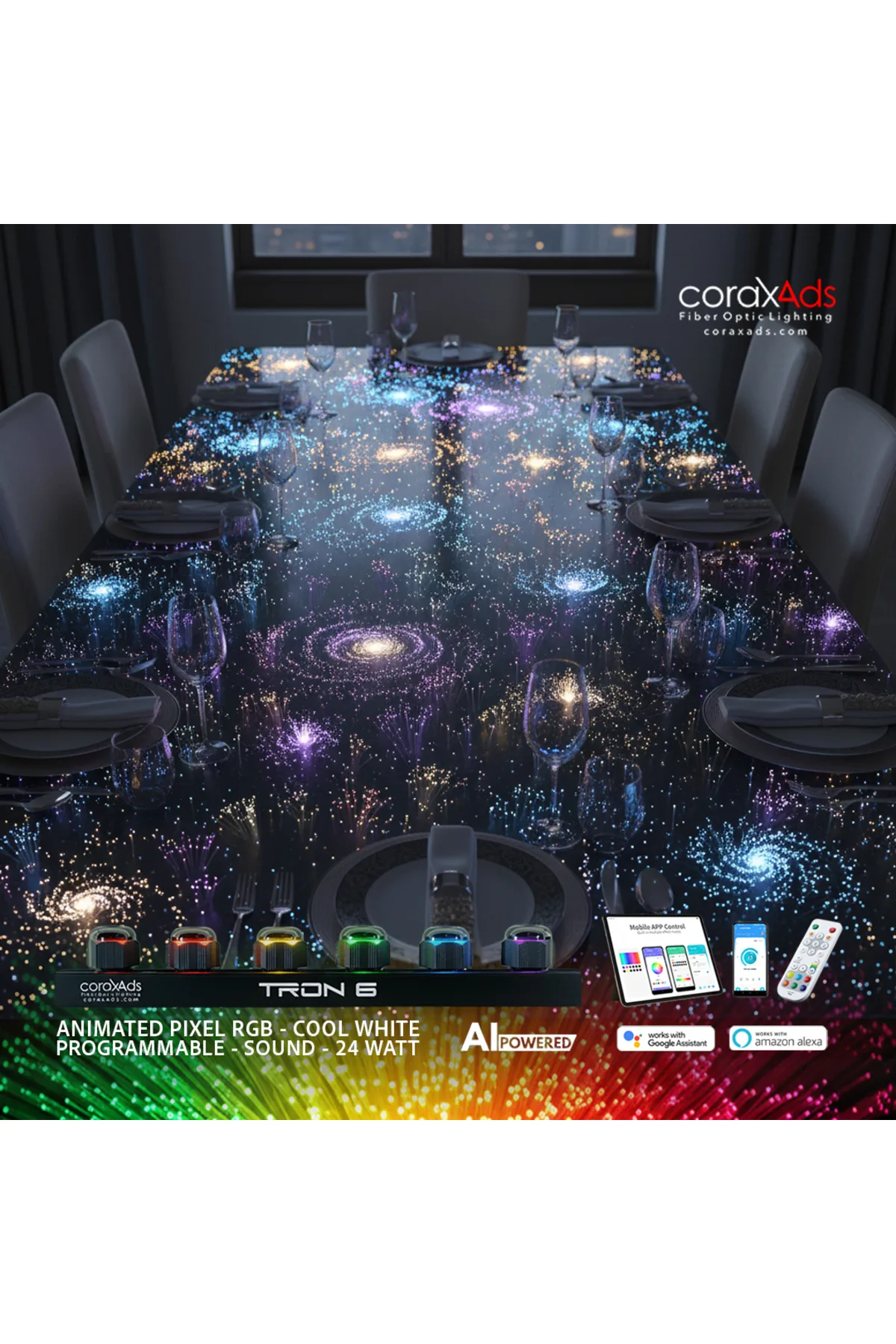
- Luxury Residential and Villa Projects: Bedroom ceilings, home cinema rooms, or starry hallways. Dynamic effects add a sense of tranquility and luxurious depth to the space.
- Boutique Hotels and Spa Centers: Reception, corridors, restaurants, and private treatment rooms. Moving light creates an unforgettable experience and a feeling of relaxation for guests.
- Retail Stores and Showrooms: Inside display windows or product exhibition areas. A moving light effect over a specific product or brand logo provides striking emphasis.
- Entertainment Venues and Bars: Dance floor ceilings or bar backdrops. Moving star fiber optic kits synchronized with music elevate the energy and ambiance to the peak.
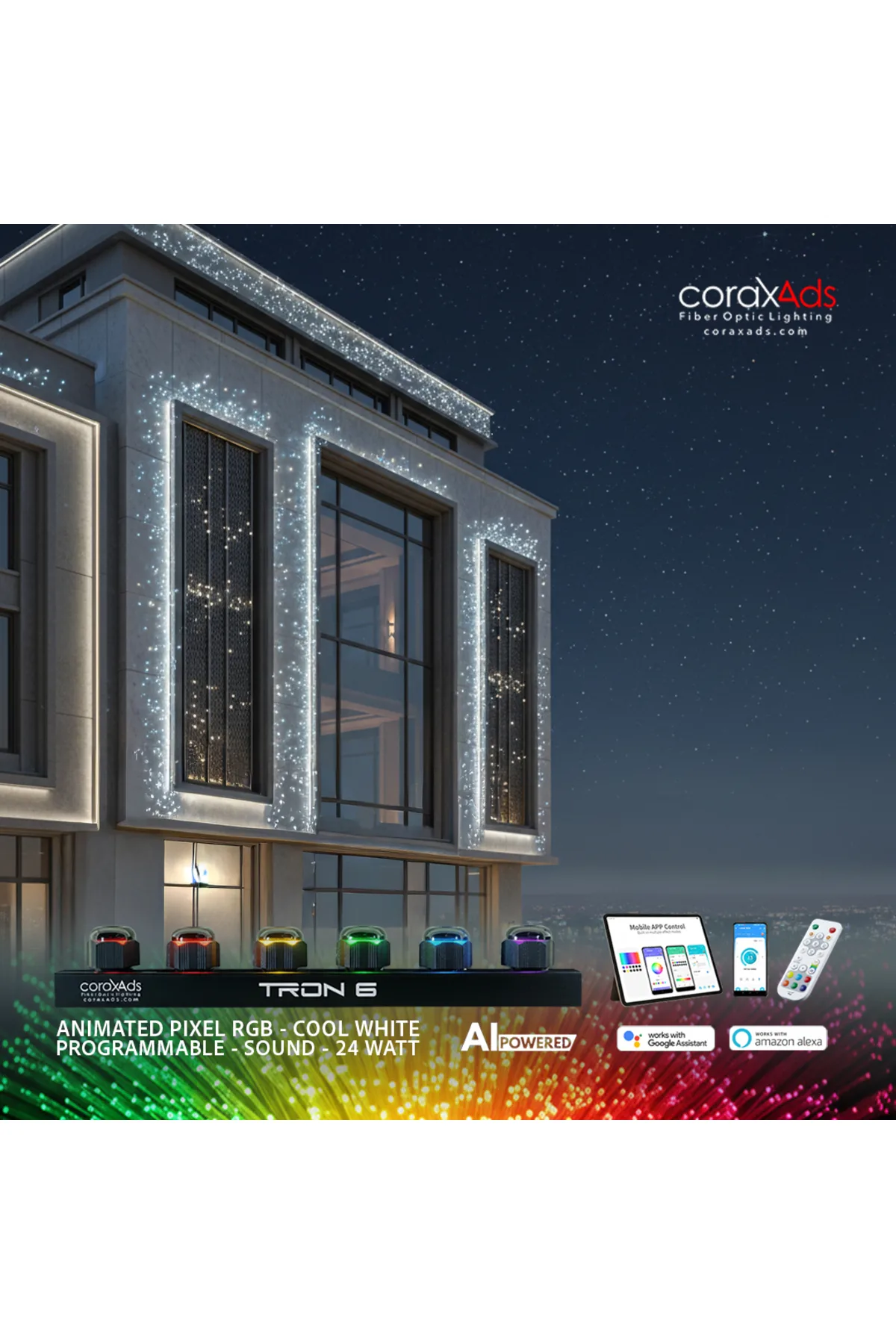
- Exterior Facade and Landscape Lighting: With kits rated IP67 or higher, enchanting nightscapes can be created along garden paths, pool edges, or building facades.
What is a Moving Star Fiber Optic Kit? 3 Key Differences from a Standard Kit
Where is a moving star fiber optic kit used? It is used across a wide spectrum—from luxury residences to boutique hotels, retail stores to entertainment venues and outdoor landscaping—to create a dynamic and unforgettable atmosphere. Among 2026 trends, children's rooms and therapy centers are also emerging applications. In short, a moving star story can be written for every space.
2026 Checklist for Purchasing a Moving Star Fiber Optic Kit
Recently, its use has also become widespread in areas like children's rooms and therapy centers as a calming and focus-enhancing tool.
Source: tr.wikipedia.org
- Projector Power and LED Quality: How many watts? How many LEDs? What is the brand and lifespan of the LEDs (LM80 tested is preferred)?
- Fiber Optic Quality: Ask about diameter (mm), material (PMMA quality), and transmission loss (dB/meter) values. High-quality fiber means brighter, more vivid effects.
- Control Capabilities: Which protocol does the kit support (ARGB, DMX)? Is the remote control menu user-friendly? Is there a smartphone app, and what customization options does it offer?
- Effect Library: How many different pre-set "moving" effects are there? Can you create your own effect sequences?
- Safety and Warranty: Is the projector's cooling system adequate (passive/aluminum housing or active fan)? What is the product and workmanship warranty period? Does it have certifications like CE, RoHS?
- Technical Support and Consultation: Does the seller provide technical support before and after installation? Can they offer specific recommendations for your project?
Moving Star Kits: Product Comparison and Selection Guide
There are many moving star fiber optic kits on the market with different features. Therefore, to make the right choice, you should clarify your needs. The comparison table below offers recommendations for different usage scenarios.
| Kit Type | Ideal Application Area | Average Projector Power | Control Feature | Recommended Fiber Length |
|---|---|---|---|---|
| Entry-Level ARGB Kit | Small children's room, bathroom ceiling | 20-50W | Remote Control (RC) | 100-300 meters |
| Mid-Level Professional Kit | Bedroom, boutique hotel room, office | 50-100W | RC + Basic App | 300-600 meters |
| Advanced DMX Kit | Lobby, restaurant, store, outdoor | 100W+ | DMX Control + Professional Software | 600-1500+ meters |
| IP67 Outdoor Kit | Garden, pool area, building facade | 50-150W | RC or DMX | Project-Specific |
What is the difference between a moving star kit and a normal kit? There are three fundamental differences: technology/control (ARGB/DMX vs. static), installation complexity (planning required for effect flow), and cost (higher initial investment due to advanced electronics). However, the dynamic value it adds justifies this difference.
Maintenance Tips and Lifespan Extension for Moving Star Systems
The differences between a moving star kit and a classic static star kit are not limited to the effect. Here are 3 key distinguishing points:
- Technology and Control: Normal kits are usually single-color (white or RGB) with a fixed glow. Moving kits require addressable (ARGB) LEDs and a complex controller. This controller can run twinkling, color transition, and movement scenarios.
- Installation and Planning: Fiber distribution is simpler in normal kits. However, in a moving star fiber optic kit application, fibers must be placed in the ceiling in a specific order and pattern for the effect to flow properly. This means a more meticulous planning and installation process.
- Cost and Value: Moving kits have a higher initial investment cost due to advanced electronic components. On the other hand, considering the dynamic and customizable atmosphere they provide, the value they add to the space, and the "wow" effect, this difference is often justified. They are similar in terms of long-term LED lifespan and energy efficiency.
| Maintenance Period | Action | Note |
|---|---|---|
| Weekly | Brief test of all effect modes via remote control. | Check for any faulty effects or dim points. |
| Monthly | Visual dust check of projector air intakes. | If dust has accumulated, clean gently while the system is off. |
| 6 Monthly | Check projector fan sound and all connection points. | If there is abnormal noise or loose connections, seek technical support. |
| Annually | Comprehensive system test and check for software updates. | Review the brightness of all fiber ends and effect synchronization. |
The simple maintenance schedule below will help keep your system working like new for years.
2026 Trend Analysis: The Future of Moving Star Systems
The fiber optic lighting industry is evolving rapidly. Moreover, for 2026 and beyond, we expect the following trends to stand out in moving star fiber optic kit technology: What is a moving star fiber optic kit? Additionally, visit https://CoraxAds.com now to explore our collection and seize the best opportunities.