When we think of pool decoration, most of us think of those classic underwater spots. However, they are now far behind technology and creative design. On the other hand, believe me, modern fiber optic systems promise much more than illuminating a pool. As a result, it opens the doors to creating a light sculpture that is dynamic, safe and completely unique to you. Moreover, "How to apply fiber optic lighting to the pool?If you are looking for a practical action plan, you are exactly where you are looking for. For example, I have been in this industry for years and I explain in full detail how to integrate that magical technology into your pool.
Contents
- How to Apply Fiber Optic Lighting to Your Pool? Basic Concepts and Principles
- How to Apply Fiber Optic Lighting to Your Pool? Advantages and Reasons for Preference
- How to Apply Fiber Optic Lighting to Your Pool? Material Selection Guide
- How to Apply Fiber Optic Lighting to Your Pool? Product Comparison and Selection Guide
- How to Apply Fiber Optic Lighting to Your Pool? (5 Critical Steps)
- How to Apply Fiber Optic Lighting to Your Pool? 4 Points to Consider
- How to Apply Fiber Optic Lighting to Your Pool? Maintenance and Cleaning Tips
- How to Apply Fiber Optic Lighting to Your Pool? Purchasing Guide and Budget Planning
- Conclusion and Future Pool Design Trends
- Frequently Asked Questions (FAQ)
How to Apply Fiber Optic Lighting to Your Pool? Basic Concepts and Principles

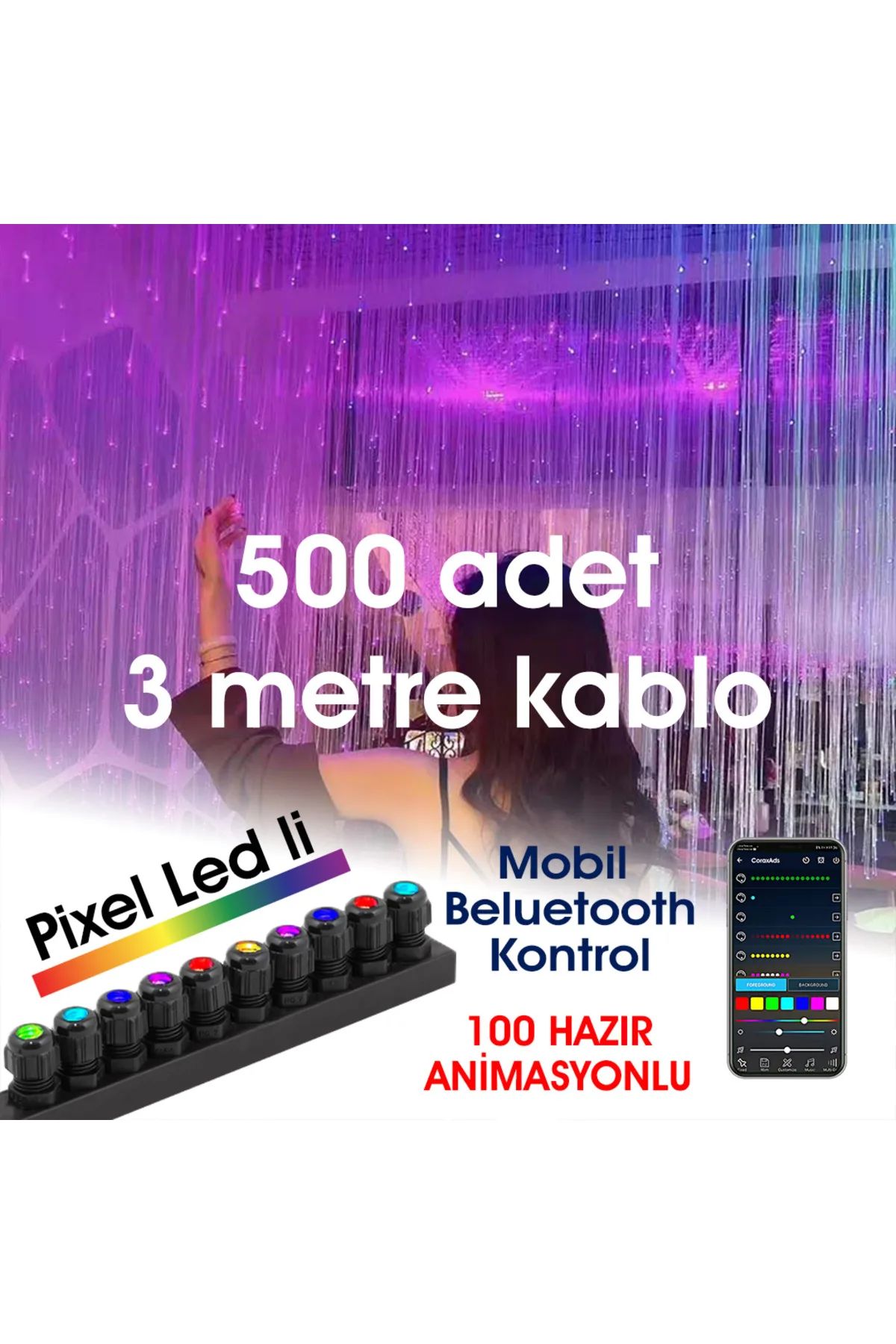
Actually, the logic of fiber optic lighting is quite simple. Moreover, it carries the light from a source through special fibers or glass fibers and spreads it at the point you want. As a matter of fact, the system has three basic parts: Light Source (Projector), Fiber Optic Cables and finally Light Diffusing Tips (Lens). Therefore, in places where there is plenty of water, such as a pool, the most critical point is to position the light source outside of the water, in a dry and safe corner. In addition, the light filters through those thin cables and reaches the edge of the pool, the bottom or hidden points inside the waterfall. However, in this way, electricity and water never meet, which is the golden rule of safety.
Fiber Types Suitable for Pool Design
Two types of fiber optic cables are generally used in pool projects: Endlit and Iridescent. In addition, end-lit ones spread the light into a concentrated spot with a lens at the end of the cable; It is perfect for a star effect or special accents on the pool floor. Thus, iridescent fibers create a completely different magic. However, it emits light in a continuous, smooth line along the cable. In short, it gives eye-catching results in illuminating pool steps and edge lines.
"The soul of a pool is in the light that illuminates it at night. Moreover, fiber optic technology is the key to shaping this soul safely and with unlimited creativity." - Corax Ads Technical Team
How to Apply Fiber Optic Lighting to Your Pool? Advantages and Reasons for Preference
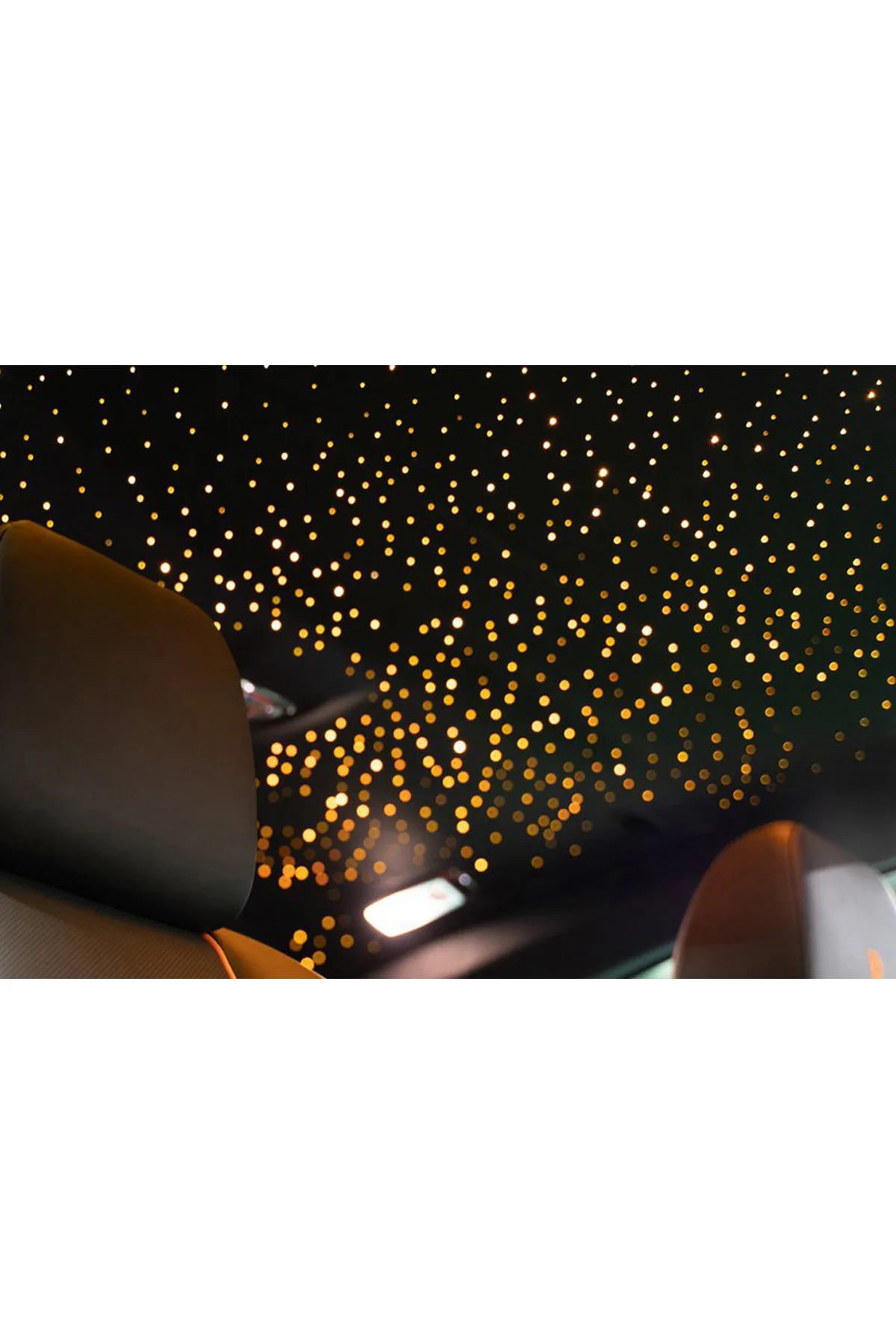
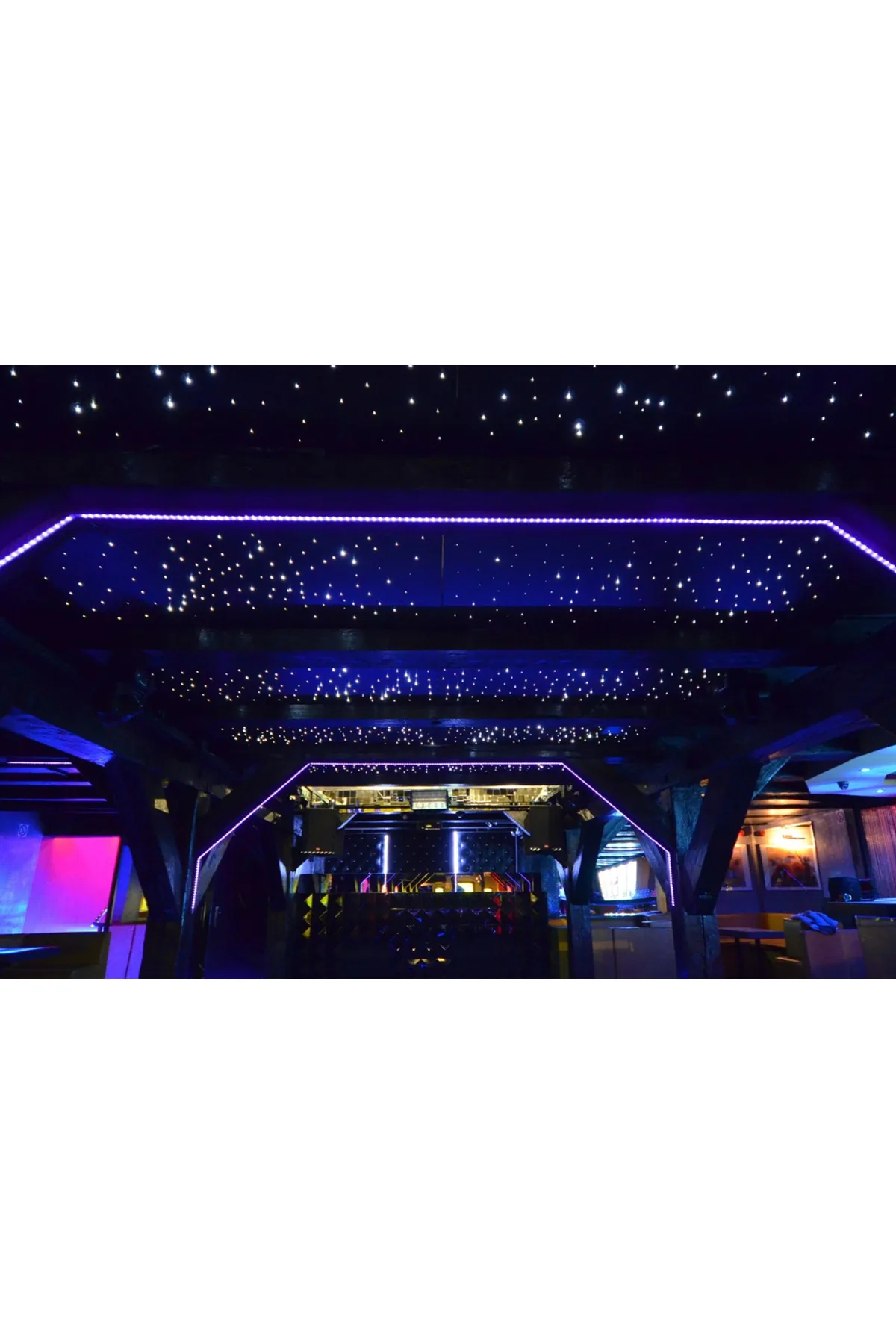
When you put them side by side with old-style LED spotlights, the difference of fiber optic solutions becomes immediately apparent. In addition, if we look at the numbers, energy efficiency can be up to 70% higher than traditional halogen lighting. In summary, LED light sources When combined with it, the life span easily exceeds 50,000 hours. Because, well, what other advantages does it have? However, How to apply fiber optic lighting to the pool While looking for an answer to the question, knowing these advantages will clarify why you should choose this technology.
- Absolute Security: The light source is far from the pool. There is zero risk of electricity-water contact. It works with low voltage and does not get hot.
- Superior Flexibility and Design Freedom: Thin fiber cables can be easily buried in concrete. Star ceiling, planet constellations, even special logos… Your imagination is your limit.
- Color Change and Ease of Control: The color changing signal goes to all fibers from a single projector. With RGB or RGBW systems, the color of your pool changes instantly.
- Low Maintenance Cost: Since it is easy to reach the light source, lamp replacement is completed in seconds. The cables inside the pool require almost no maintenance.
How to Apply Fiber Optic Lighting to Your Pool? Material Selection Guide
a successful fiber optic lighting for the pool Its application starts with choosing the right material. Because the wrong cable thickness or an underpowered projector will bring nothing but disappointment. The table below summarizes the properties of the materials most commonly used in pool projects and where they come in handy. However, you should carefully consider each component.
| Material/Component | Features | Best Uses | Things to Consider |
|---|---|---|---|
| PMMA optical fiber Fiber (0.75mm - 3mm) | Flexible, economical, easy to process. Color transitions are fast. | Star effect, small patterns, edge lighting on the pool bottom. | Species with high UV resistance should be selected. Sharp bends should be avoided. |
| PMMA optical fiber Fiber (5mm - 14mm) | Higher light transmission, durable construction. | Main line lighting, waterfall or fountain lighting, brighter spots. | May require larger duct or pipe. Projector power should be selected accordingly. |
| Single Color (White) LED Projector | Constant white light (cold/warm/warm tone options), long life. | Pools and commercial facilities where classic and stylish white lighting is required. | There is no possibility of color change. Light temperature should be determined at the beginning of the project. |
| RGB/RGBW LED Projector | Millions of color options, remote control, effect programs. | Places where dynamic lighting is required, such as residential pools, hotels, entertainment centers. | The control unit and its installation are more complex. A waterproof case is important. |
| Waterproof Fasteners | Stainless steel or quality fiber optic, with O-ring seal. | All points where the fiber ends are fixed to the pool body. | Affordable connections cause water leakage and light loss. |
Choosing the right material, How to apply fiber optic lighting to the pool Actually the answer to more than half of the question. However, your project's budget, design dreams and maintenance expectations will shape your choices in this table. However, for a more comprehensive review our product catalog Be sure to check it out.
How to Apply Fiber Optic Lighting to Your Pool? Product Comparison and Selection Guide
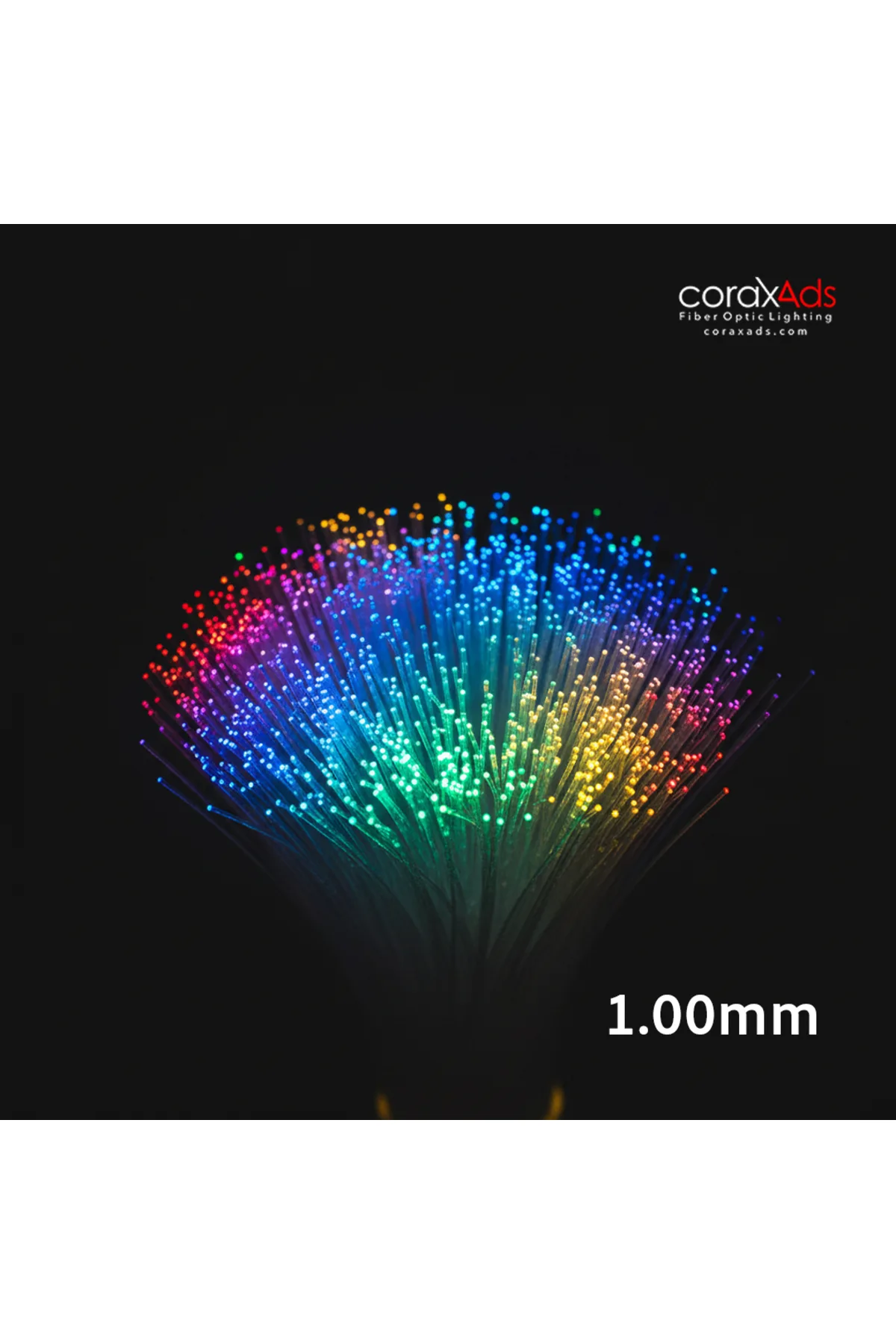
The market is literally a sea of products. On the other hand, the right choice is directly proportional to your expectations and the character of your pool. So, first let me say this: Ready-made kits generally offer ready-to-install components that are ideal for residential pools. As a result, however, for large or specially designed pools, professional project planning and individual component purchasing are essential. Moreover, for example, you should choose thin diameter fibers for the star effect and iridescent cables for edge lighting. Therefore, you should determine the power of the light source according to the total fiber length you will use. So, working with an expert avoids additional costs and disappointments that may arise from choosing the wrong product. Like this How to apply fiber optic lighting to the pool You will overcome the first obstacles in your journey.
Ready Sets etc. Professional Systems
Ready-made sets come with a specific fiber length and projector capacity. As a matter of fact, they are economical and fast solutions for pools of standard sizes. So, on the other hand, in professional systems, each component is selected separately and designed specifically for the project. However, these systems offer higher light output, wider control options and longer life. In short, your budget and design complexity are the main factors that will make you decide between these two options.
How to Apply Fiber Optic Lighting to Your Pool? (5 Critical Steps)
The implementation process consists of a series of stages that must be planned meticulously. However, here it is fiber optic lighting for the pool 5-step practical action plan that makes your installation successful:
Step 1: Comprehensive Planning and Design
Planning is the golden rule of every successful project. Moreover, you should start with a pen and paper. The locations of the light points, fiber cable routes, and where the projector will be placed should be clear on the architectural plan of the pool. Decide which areas will be bright and which will be linear. Calculate cable lengths; Remember, the length of the fiber going to the farthest point from the projector directly determines the light intensity. At this stage a professional consulting This prevents expensive mistakes in the future.
Step 2: Creating Infrastructure and Channels
During pool construction, before the concrete is poured, you place PVC channels or protective pipes through which the fiber cables will pass. You should ensure that the cables follow as smooth a route as possible, without making sharp bends. You must continuously and uninterruptedly pull each fiber cable to its exit point; No additions should be made.
Step 3: Placing and Fixing Fiber Cables
On the planned route, you pass the fiber cables through the channels. You fix the cable ends to the holes you drilled in the pool body with special waterproof fittings. These fittings hold the fiber tightly, preventing water leakage and providing an aesthetic appearance. You attach the appropriate lens to the fiber end according to the desired light distribution. You must complete this process before the pool is tiled or mosaic covered.
Step 4: Installing the Light Source (Projector)
You mount the projector in a well-ventilated, easy-to-access technical room or cabinet, protected from pool water, chlorine vapor and direct rain. You attach the cut and smoothed ends of all fiber cables one by one to the collector plate (light engine) on the front panel of the projector. An electrician makes the electrical connections. In RGB systems, you also connect the control cable at this stage.
Step 5: Testing, Calibration and Final Checks
You should definitely test the system dry before contacting it with water. Turn on the projector and check the light output from each fiber end. If there are spots where the light intensity appears low, you can increase the power of that channel on the projector or check the cable route. If all light points are working, fill the pool. Finally, observe the light effect under water once again, test the color programs and remote control functions.
How to Apply Fiber Optic Lighting to Your Pool? 4 Points to Consider
- Do Not Damage Fiber Cables: Do not contact them with sharp tools or put weight on them. The bending radius must comply with the manufacturer's instructions.
- Never Skip Waterproofing: Make sure the fitting seals at each fiber exit point are in excellent condition. Even a small leak can cause major damage over time.
- Calculate Projector Power Correctly: The length and diameter of the fiber used directly affects the wattage of the light source. A weak projector results in pale lighting.
- Consider Future Maintenance: Position the projector and fiber cable ends for easy future access. Consider access covers to cables.
How to Apply Fiber Optic Lighting to Your Pool? Maintenance and Cleaning Tips
Fiber optic lighting systems operate almost without maintenance, but small precautions increase their lifespan. Clean the projector's filters once a year, making sure the ventilation holes are open. Keep pool chemicals balanced; Excessive chlorine or incorrect pH value can cause corrosion of fittings inside the pool over time. If scale or algae accumulates on the underwater lenses, clean them with a soft brush. In addition, periodically checking the electrical connection points of the system allows you to detect possible malfunctions in advance.
Seasonal Maintenance Checklist
- Spring/Summer Opening: Projector working test, checking all light points, lens cleaning.
- Autumn/Winter Closing: Storing the system in a dry environment (for portable projectors), protecting ports.
How to Apply Fiber Optic Lighting to Your Pool? Purchasing Guide and Budget Planning
When considering purchasing fiber optic lighting for your pool, you should focus on the total cost of ownership, not just the initial installation cost. Quality materials mean longer life and lower maintenance costs. The first step is the needs analysis: The square meter of your pool, the effect intensity and control features you want shape your budget. For example, a ready-made kit may be sufficient for a simple star effect, while a complete system with animated color transitions will require a higher budget. The installation cost varies depending on whether the pool is installed during construction or later. In summary, a detailed project and receiving more than one offer will help you make the best investment decision.
What are the Budget Items?
The main items that make up the total cost are: Light source (projector) and control unit, fiber optic cable (per meter), waterproof fasteners and lenses, PVC channel or protective pipes, professional labor/installation fee. Therefore, considering quality options for each item will benefit you in the long run.
Conclusion and Future Pool Design Trends
How to apply fiber optic lighting to the pool The answer to the question goes through detailed planning, choosing the right material and a meticulous application process. This technology has the power to transform your pool into a living, breathing center, even in the dark of night. Now you can realize unlimited design possibilities without compromising security. Working with a professional team and quality materials will ensure that you get the return on your investment for many years to come. In the future, trends such as deeper integration with smart home systems and biophilic designs and natural light effects are expected to come to the fore.
Action time: If you are considering a fiber optic lighting project for your pool, you can contact our technicians and request a free preliminary project and pricing. We are here to produce special solutions for you and design the sparkling pool of your dreams together. Contact now and let's put the magic touch on your project together.
Frequently Asked Questions (FAQ)
Can I add fiber optic lighting to an existing pool?
Yes, it is possible. However, this process can be more troublesome and costly compared to the construction of a new pool. It may be necessary to break the edges or surroundings of the pool and open channels. Integration into decorative elements above the pool water level, called "dry" application, is easier.
How much does fiber optic lighting cost?
The cost depends on many factors such as the size of the pool, the type and length of fiber to be used, the power and characteristics of the light source (monochrome/RGB). To give a general idea, the initial costs for a medium-sized residential pool are comparable to traditional quality LED spot systems, but are more economical in the long term with the design and maintenance advantages it offers.
Do fiber optic lights break under water?
No. The fiber cable itself that transmits the light is physically strong and break-resistant. The underwater part consists only of a protective cable and the lens at the end. The risk of breakage is practically non-existent, except for special applications where glass fiber is used.
Can color changing (RGB) systems be integrated into smart home systems?
Absolutely yes. Modern RGB/RGBW fiber optic control units can be controlled from smartphone applications via Wi-Fi or Bluetooth modules. Additionally, many models can integrate into central smart home systems (Control4, Savant, etc.) by supporting professional lighting protocols such as DALI or DMX. How to apply fiber optic lighting to the pool? Visit https://coraxads.com now to explore our collection and get the best deals.
Result: Transform Your Pool into a Fascinating Light Festival
Fiber optic lighting application to the pool is the lighting technology of the future, combining aesthetics, security and durability in a single system. The result you will achieve with correct planning, quality material selection and professional installation will make your pool a focal point at night as well as during the day. With soft and wavy light effects underwater, a starry sky view or vibrant color transitions, you can transform a custom-designed swimming area into an extraordinary experience area. Its long-lasting and almost maintenance-free structure will save you time and money in the long run.
If you want to evaluate this unique lighting solution for your pool, visit Coraxads.com. fiber optic lighting products and you can benefit from professional consultancy services. Our expert team will be with you throughout the entire process, from the question of how to apply fiber optic lighting to the pool to the implementation of your personalized design. Contact us now to create a magical world of light.
Frequently Asked Questions (FAQ)
How long is the lifespan of the fiber optic lighting system for the pool?
The lifespan of fiber optic cables is over 20 years. The light source (projector) generally contains LEDs with a lifespan of 30,000 - 50,000 hours. This corresponds to more than 10 years of use with an average of 8 hours per day. The system is virtually maintenance-free, meaning very low operating costs in the long run.
Can fiber optic lighting be added to an existing pool?
Absolutely yes. It can also be applied to existing pools. For this, a suitable light source unit is placed at the edge of the pool or around it and the fiber cables are routed in accordance with the structure of the pool (usually through a thin groove opened to the pool edge or behind decorative elements). A professional team can seamlessly integrate the system into your existing structure with minimal modifications.
Does fiber optic lighting leak water?
No, it's definitely not leak-proof. This is the biggest security advantage of the system. The light source is positioned out of water in a dry and safe place. Only the ends of fiber optic cables are found under water, and these cables do not conduct heat or electricity, they are completely passive. Therefore, the risk of electrical leakage, short circuit or leakage into water is zero.
What are the color and effect options?
The system offers a choice of millions of colors with a single color (usually white or blue), RGB (red, green, blue), or RGBW (with the addition of white) for more natural shades of white. As effects, steady light, flashing, color transitions, wave effect and even music synchronization are possible. Control is easy via a user-friendly remote control, wall panel or smartphone app.
Is fiber optic lighting difficult to maintain?
No, on the contrary, it is extremely easy compared to traditional underwater lighting. Since the light source is easy to access, possible maintenance such as LED replacement is carried out very quickly. On the fiber ends under water, algae or calcification occurs much less than other fixtures, and cleaning is easier. It would not be wrong to say that the system operates almost without maintenance. How to apply fiber optic lighting to the pool? Visit https://coraxads.com now to explore our collection and get the best deals.