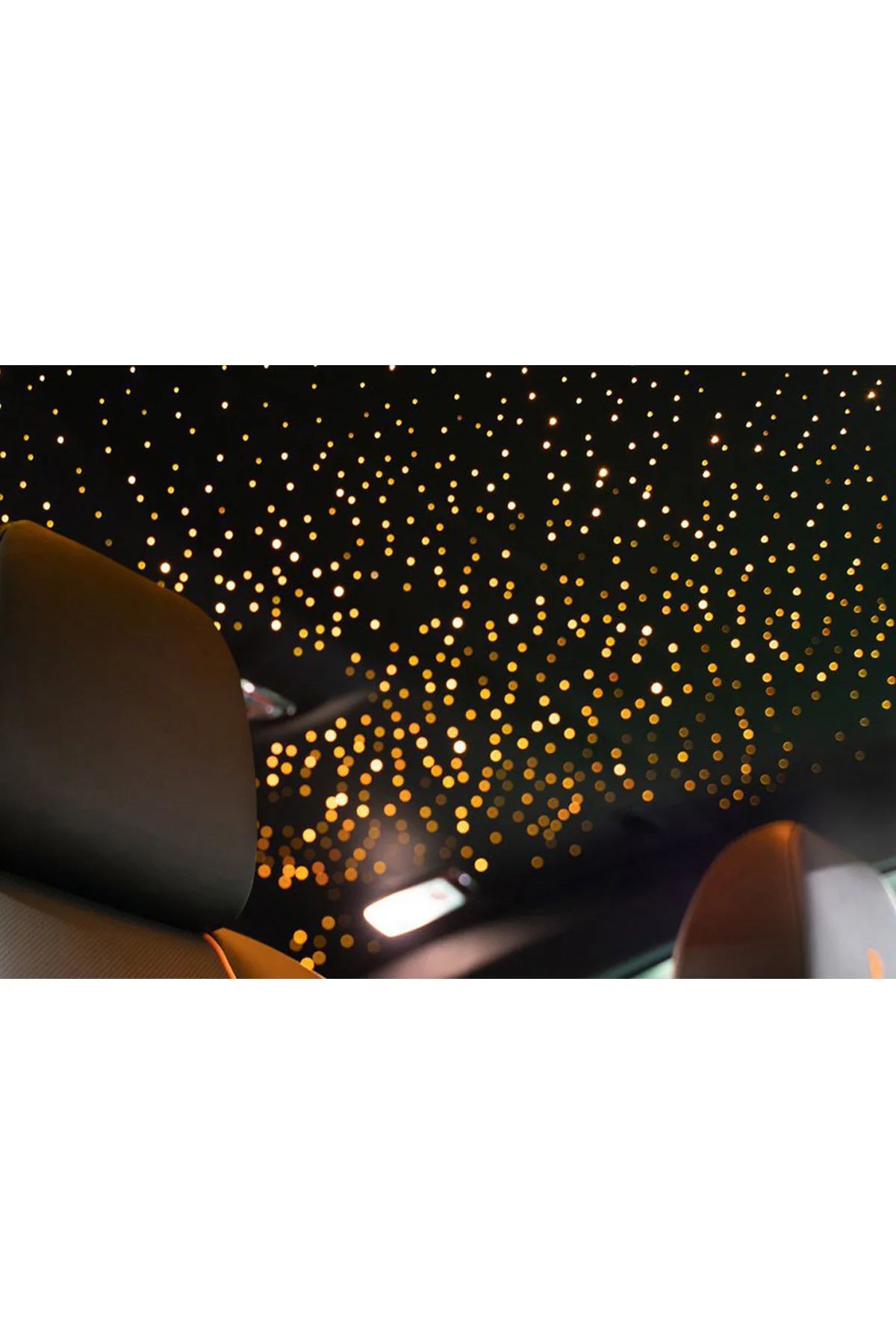
Creating a starry ceiling used to be a job for small phosphorescent stickers or expensive, static LED dots. However, 2026 technology opens a magical curtain on the question: How does a moving star animation work on a fiber optik ceiling? These systems now carry not just light, but motion and emotion. So how does this magical sky illusion come to life? The answer lies at the intersection of optical physics, smart engineering, and a touch of creativity. Based on a project experience, I invite you to explore the technical magic behind this system.
Table of Contents
- How Does a Moving Star Animation Work on a Fiber Optik Ceiling? The Basic Principle
- Moving Star Animation on a Fiber Optik Ceiling: What Are the 3 Basic Components That Create the Effect?
- How is Moving Star Animation on a Fiber Optik Ceiling Controlled in 2026?
- Installation and Maintenance Tips for Moving Star Animation on a Fiber Optik Ceiling
- Moving Star Animation on a Fiber Optik Ceiling: Cultural and Decorative Context
- Frequently Asked Questions (FAQ) About Fiber Optik Ceiling Systems
How Does a Moving Star Animation Work on a Fiber Optik Ceiling? The Basic Principle
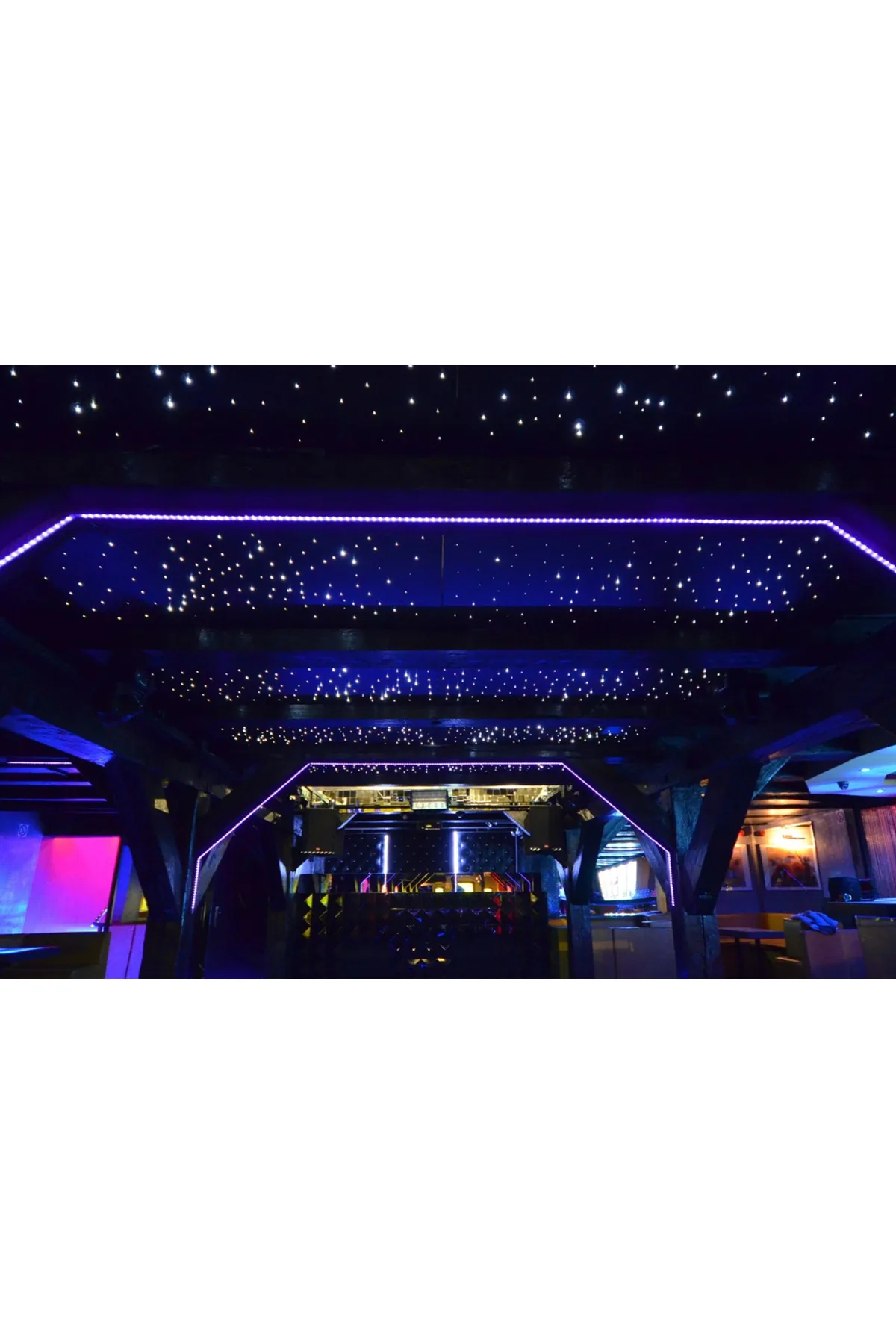
It all starts with a simple law of physics: total internal reflection. It's possible to transport shimmering light like gold for meters without any cables or electricity. The fundamental answer to the question how does a moving star animation work on a fiber optik ceiling lies here. Therefore, the magic is hidden in how this transported light is made to dance.
The Basic Principle of Light Transmission
At the center of a fiber optik cable is a transparent "core," usually made of PMMA. This core is surrounded by a cladding with a lower refractive index. Light from an LED projector enters the end of the fiber and bounces along the core-cladding boundary, much like a ball traveling through a pipe. So, imagine this: your light source stays hidden in a cabinet, while the light itself shines dazzlingly from your ceiling. Thousands of thin fibers mean thousands of tiny star points on your ceiling.
The Role of the Animation Motor
So how do these points move? Enter the animation motor. This motor is placed between the projector and the starting point of the fiber bundle. In short, an opaque disk with patterns on it rotates continuously. As the disk turns, the projector's light can only pass through these transparent windows. When a window passes in front of a group of fibers, those fibers suddenly glow. The following opaque section then cuts off the light. However, when this on-off dance repeats hundreds of times per second, our eyes are tricked into seeing moving light. The shape of the pattern determines the speed and direction of the shooting stars. Thus, a live answer emerges to the question of how to achieve a shooting star effect on a fiber optik ceiling.
"2026 systems are no longer limited to just mechanical disks. Digital Signal Processing (DSP) based controllers can mimic the statistics of natural shooting star moments with randomness algorithms. The result is a living sky feeling, rather than a mechanical one." – Decorative Lighting Technical Consultant
Moving Star Animation on a Fiber Optik Ceiling: What Are the 3 Basic Components That Create the Effect?
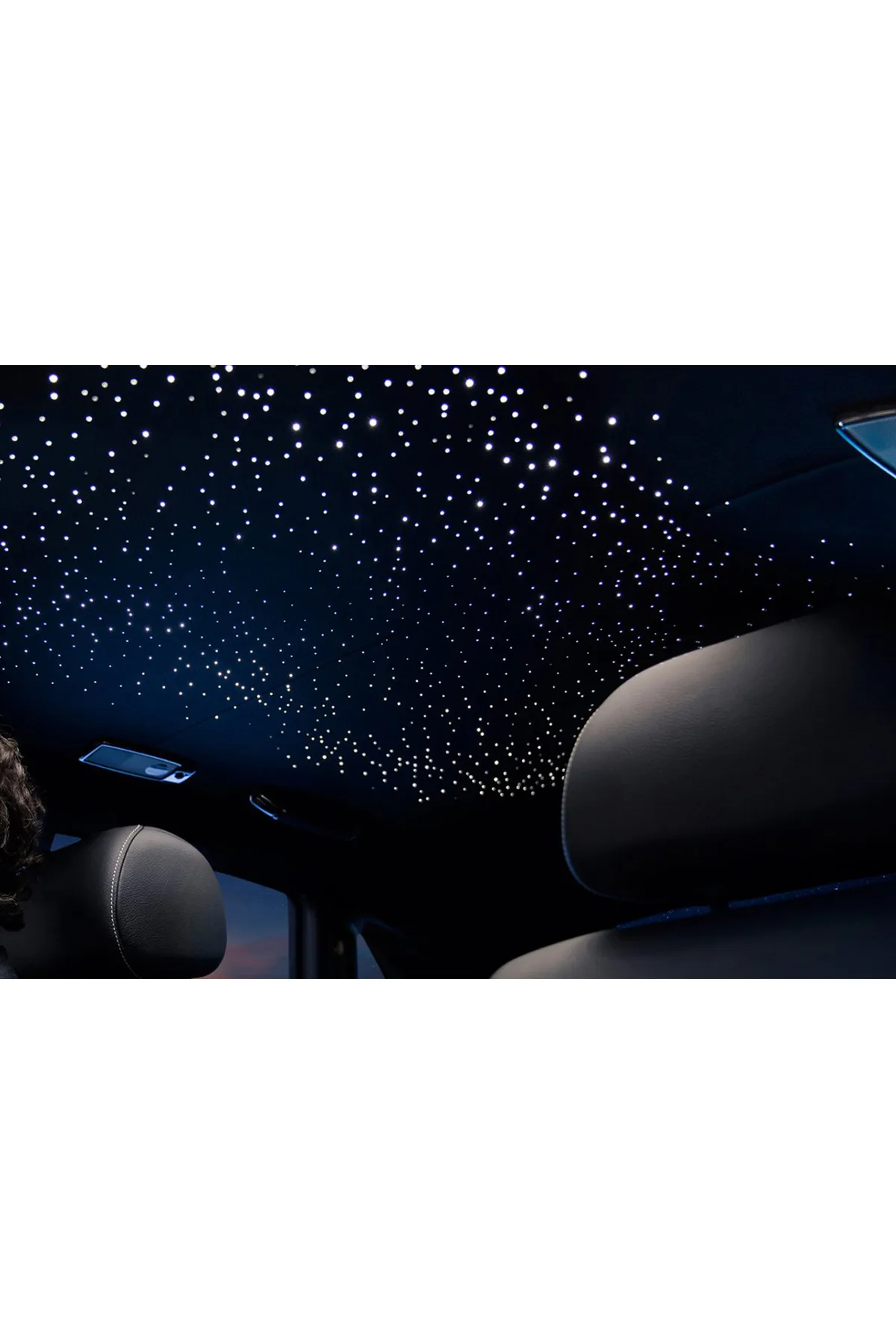
This magical show relies on the harmony of three main players. Each one plays a critical role. Frankly, a fault in any one of them can break the entire spell.
Light Source and Projector
The heart of 2026 systems is high-lumen, cool-running RGB or white LED projectors with lifespans exceeding 50,000 hours. This source must not only be bright but also stable. In RGB models, microprocessor-controlled color mixing offers millions of tone options. Fortunately, thanks to integrated cooling solutions, today's projectors don't experience color shift during prolonged operation. Compact projectors in sets like the GENÇ ODASI YILDIZ TAVAN RENKLİ FİBER OPTİK AYDINLATMA AMBİYANS SETİ - MİNİ successfully pack this power into a small box.
Fiber Optik Cables
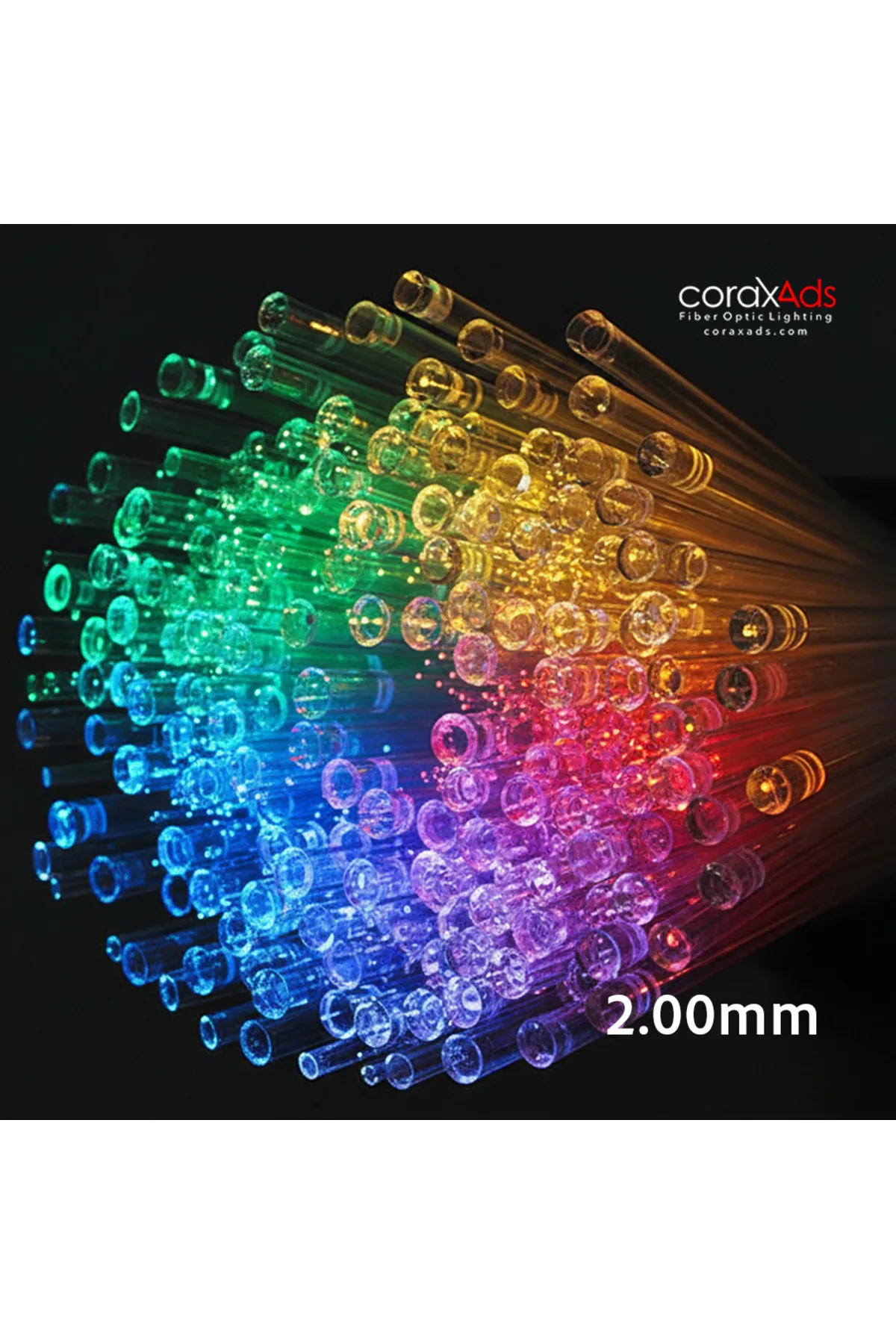
The fibers, which are the highways for light, are typically made from PMMA material with diameters of 0.75mm or 1.5mm. Their numbers can reach hundreds, even thousands. Therefore, quality fibers are UV-resistant, flexible, and have low light loss. This ensures a star in the farthest corner of the ceiling appears as bright as one near the projector. The ends of the fibers that emerge on the ceiling surface are cut and polished with special tools. This process is essential for the light to exit as a clean, focused point without scattering.
Control Unit and Animation Disk
This component, acting as the brain and rhythm giver, manages the motor speed, projector color, and brightness. In 2026, digitally controlled micro-mirrors can also be used instead of a single physical disk. However, the traditional and proven method is still patterned disks. The control unit allows you to select animation speed, effect mode, and color scenarios. In this regard, advanced controllers can also produce the rapid light bursts needed for creating a meteor shower effect on a fiber optik ceiling.
You can examine the features of different component options in the table below:
| Component | Traditional (Pre-2020) Material | 2026 Standard Material/Feature | Advantage |
|---|---|---|---|
| Light Source | Halogen Projector | High-Efficiency COB LED | 80% less energy consumption, almost zero heat, color change capability |
| Fiber Optik | Low UV Resistant PMMA | UV Stabilized, Flexible PMMA | Unaffected by sunlight, longer lifespan, easy shaping |
| Control Unit | Manual Speed Adjustment, Fixed Disk | Wi-Fi/Bluetooth Control, Multiple Disks or Digital Effects | Smartphone control, programmable scenarios, multiple effects |
How is Moving Star Animation on a Fiber Optik Ceiling Controlled in 2026?
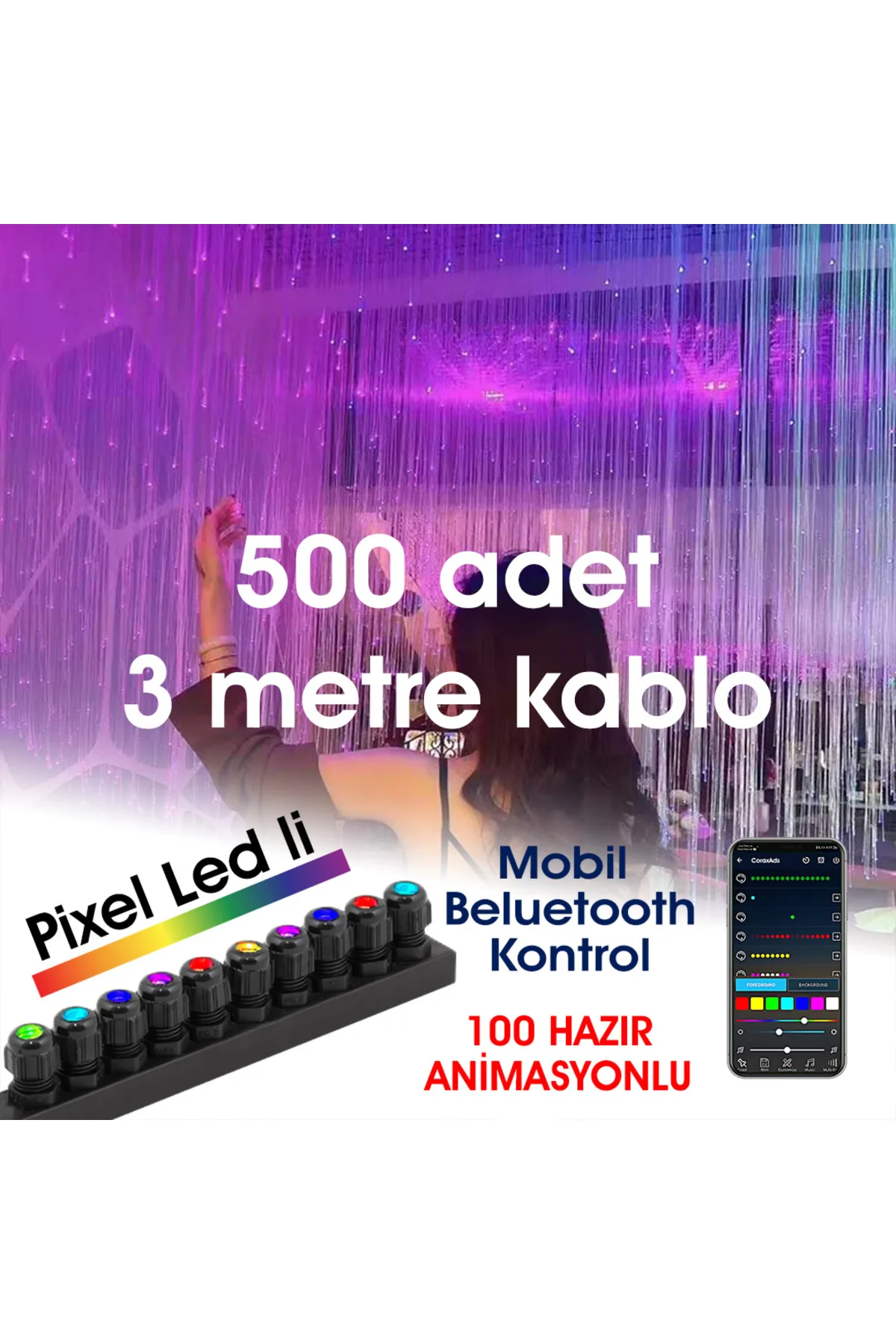
The system is installed. So, how will you become the master of this personal sky? Because in 2026, control is not as complicated as it used to be. On the contrary, it's incredibly enjoyable and easy.
Smart Control Systems
Now, almost all systems are managed via a smartphone app or a small remote. From the app, you can select ready-made themes like "Calm Night" or "Lively Party" with a single touch. Even better, you can save your own color transitions and animation speeds and link them to a timer. As a result, the system turns on automatically at your set time, creates the desired ambiance, and then gently turns off.
Energy Efficiency and Customization
Modern control units also consider energy. For example, a "sleep mode" scenario activates where only a few stars gently twinkle. This significantly reduces energy consumption. Thanks to battery-powered remotes and low-power Bluetooth modules, the system's standby mode also consumes very little energy. Research shows that 2026's high-end fiber optik systems consume an average of 78% less energy compared to traditional decorative lighting.
Installation and Maintenance Tips for Moving Star Animation on a Fiber Optik Ceiling
While installing these systems requires professionalism, it can be managed with ready kits that serve as a shooting star fiber optik set guide and proper planning. Maintenance is truly simple.
Ceiling Mounting Steps
Installation generally follows these steps:
- Planning and Marking: The positions of the stars on the ceiling are determined and marked. Don't overlook furniture placement.
- Drilling Process: Millimeter-sized holes are drilled for each star point, matching the fiber diameter. Matrix templates are lifesavers for large projects.
- Placing the Light Source: The projector and control unit are placed in a hidden, ventilated spot like an attic or cabinet.
- Threading and Organizing the Fibers: The fiber bundle is connected to the light source. Each fiber is pushed up through the drilled holes from below the ceiling. Long fibers should be secured to prevent sagging.
- End Cutting and Testing: Excess fiber ends are cut and polished. Then the system is powered on to check that each star emits light.
For example, sets like TEKNE, YAT, DENİZ TAŞITLARI AMBİYANS AYDINLATMA FİBER OPTİK YILDIZ TAVAN SETİ - EKO include vibration-resistant brackets, which slightly alters the process.
Maintenance and Troubleshooting
Fiber optik systems work almost maintenance-free. There are just a few points to note:
- Dust: The projector's air intakes and fan should be checked periodically. If dust settles on fiber ends, clean them with a soft brush.
- Fiber Damage: Fibers should not be bent excessively. If a fiber breaks, replacing it with a new one is very easy.
- Heating: Quality LEDs produce little heat. Leaving an air gap around the projector extends its lifespan.
Moving Star Animation on a Fiber Optik Ceiling: Cultural and Decorative Context
Humans have always wanted to bring the stars inside. This longing has existed from Egyptian temples to Renaissance domes. Today, fiber optik technology brings this ancient desire to everyone's ceiling.
Decorative Ceiling Trends 2026
In 2026, the ceiling is no longer just a surface. It's an active decorative element! Fiber optik star ceilings have become indispensable in bedrooms, home theaters, spa areas, and luxury hotels. It's not just stars; constellation maps, Milky Way glimmers, and even planetary motions are in vogue. The ceiling is now like a fourth wall—a storyteller.
Cultural Symbolism
The star symbolizes hope and guidance in almost all cultures. This personal sky created on your ceiling offers you the chance to find peace and dream in your own universe. For those who can't see stars in the city, it becomes a tool for psychological relaxation. In decoration, just like in historical jewelry and ornaments, it continues to add a noble and enchanting atmosphere.
Frequently Asked Questions (FAQ) About Fiber Optik Ceiling Systems
How does a moving star animation work on a fiber optik ceiling?
Light from an LED projector passes through the patterns of a rotating animation disk. The disk modulates the light by blocking and releasing it. This "played" light is carried by thousands of thin fiber optik cables and exits from their ends on the ceiling surface. The rotation of the disk and pattern transitions create the illusion of moving light for your eyes.
Do these systems require the ceiling to be dismantled for installation?
Usually not. The light source is placed in an accessible location (attic, cabinet). The fibers are threaded through millimeter-sized holes drilled in the ceiling. It's even easier with suspended ceilings. A professional team can handle everything with minimal intervention to your existing ceiling.
Is a fiber optik star ceiling safe? Does it get hot?
Extremely safe. There is no electricity or heat source on the ceiling surface. Only cold light exits from the fiber ends. LED projectors also produce very little heat, and with proper ventilation, this is not an issue. You can use them even in children's rooms with peace of mind.
What is the system's lifespan? Do the fibers fade over time?
A quality LED projector has a lifespan exceeding 50,000 hours. That's over 15 years with 8 hours of daily use. UV-stabilized PMMA fibers do not yellow or degrade indoors for decades. The most moving part of the system is the animation motor, but quality ones also work quietly for years.
Can I get effects other than the shooting star effect?
Absolutely. Thanks to advanced control units and different disks, it's possible to get many effects from the same system, such as twinkling stars, meteor showers, slow color transitions, and steady light. In higher-end models, you can switch between these effects digitally.
Conclusion and Summary
The answer to the question how does a moving star animation work on a fiber optik ceiling is essentially a dance where physics and art join hands. Light travels via total internal reflection, gains motion from a mechanical or digital disk, and comes to life in your personal sky through thousands of fibers. 2026 technology has made this system smarter, more efficient, and more accessible. When installed correctly, these systems, which require almost no maintenance, add an unforgettable atmosphere to a space and depth to decoration. If the idea of creating your own starry sky appeals to you, you can check out different set options on general shopping platforms or consult directly with experts.