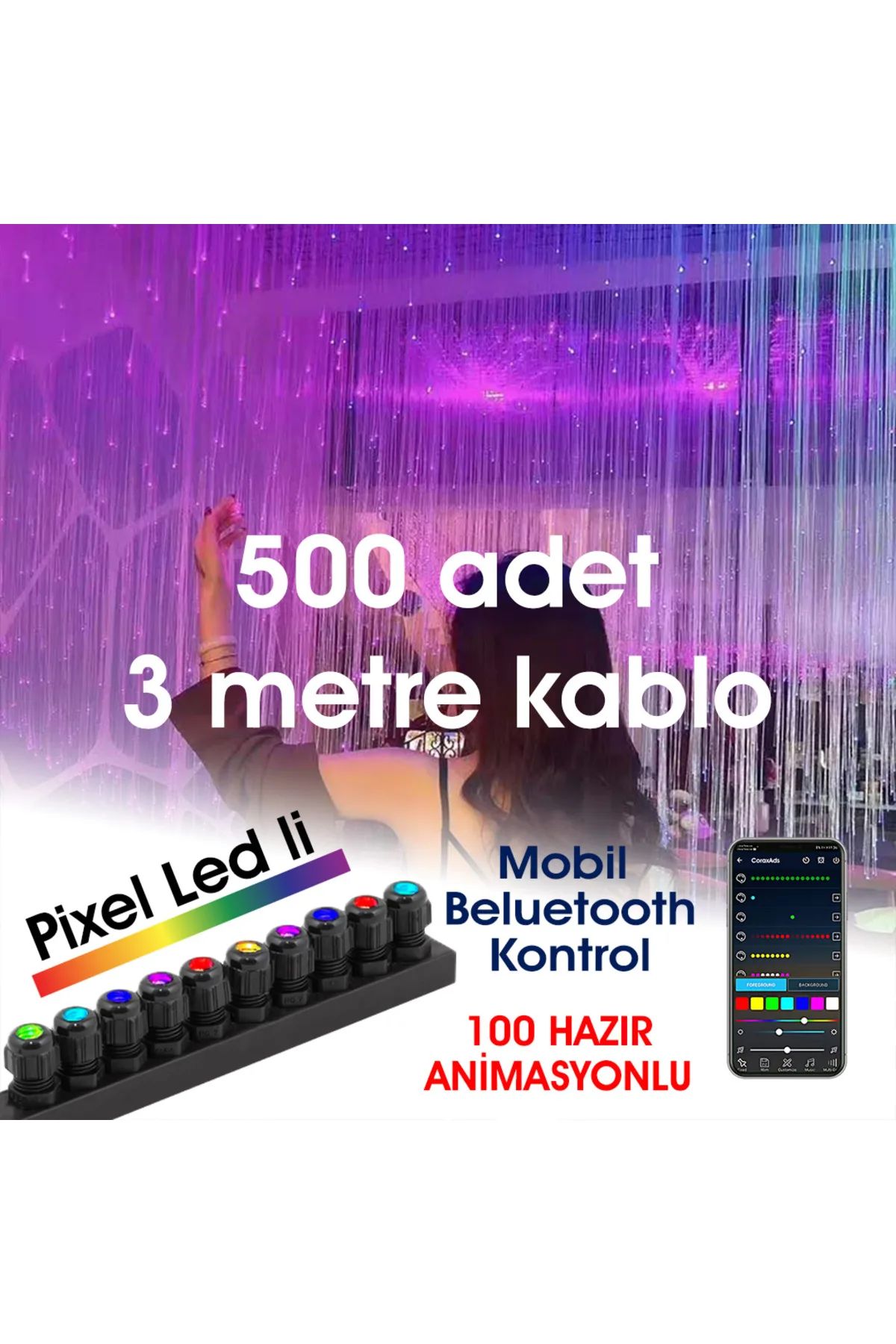
What are the types of fiber optic cables? They are divided into five main groups based on their light transmission method, material, how they diffuse light, and thickness. However, looking at 2026 trends, we see that the most preferred type for decorative lighting is PMMA-based side-glow cables, which are easy to bend and display vibrant colors.
Table of Contents
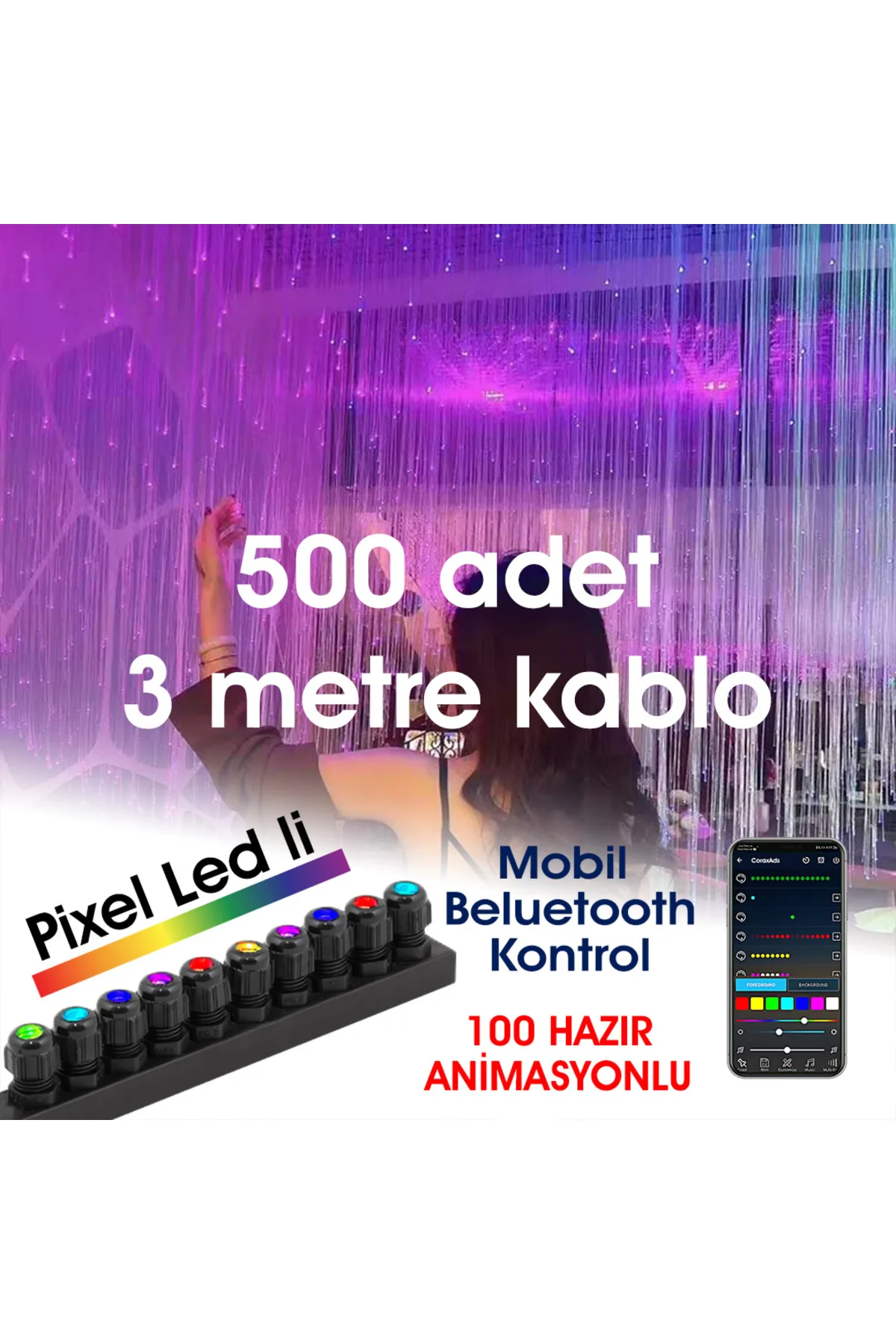
Recently, a customer came to me wanting to crown the ceiling of their new home with a starry ceiling that shimmered like the night sky. Then they turned and asked: 'What are the types of fiber optic cables, and which is the right choice?' In that moment, I understood once again how critical this question is and the value of my over-a-decade of industry experience. So, why? Because answering this fundamental question correctly directly determines your project's success. Moreover, in this article, I will explain, through a sincere sharing of experience, all the cable types you'll encounter in the decorative lighting world in 2026, their classifications, and why you should choose one over another. For example, this way you'll find the answer to 'what are the types of fiber optic cables' and be able to shape your project with peace of mind. In addition, TV BACK UNIT AMBIENCE LIGHTING FIBER OPTIC STAR SET - WITH MOVING STARS
- PMMA (fiber optik) Fiber Optic Cables: Flexibility and Color Performance
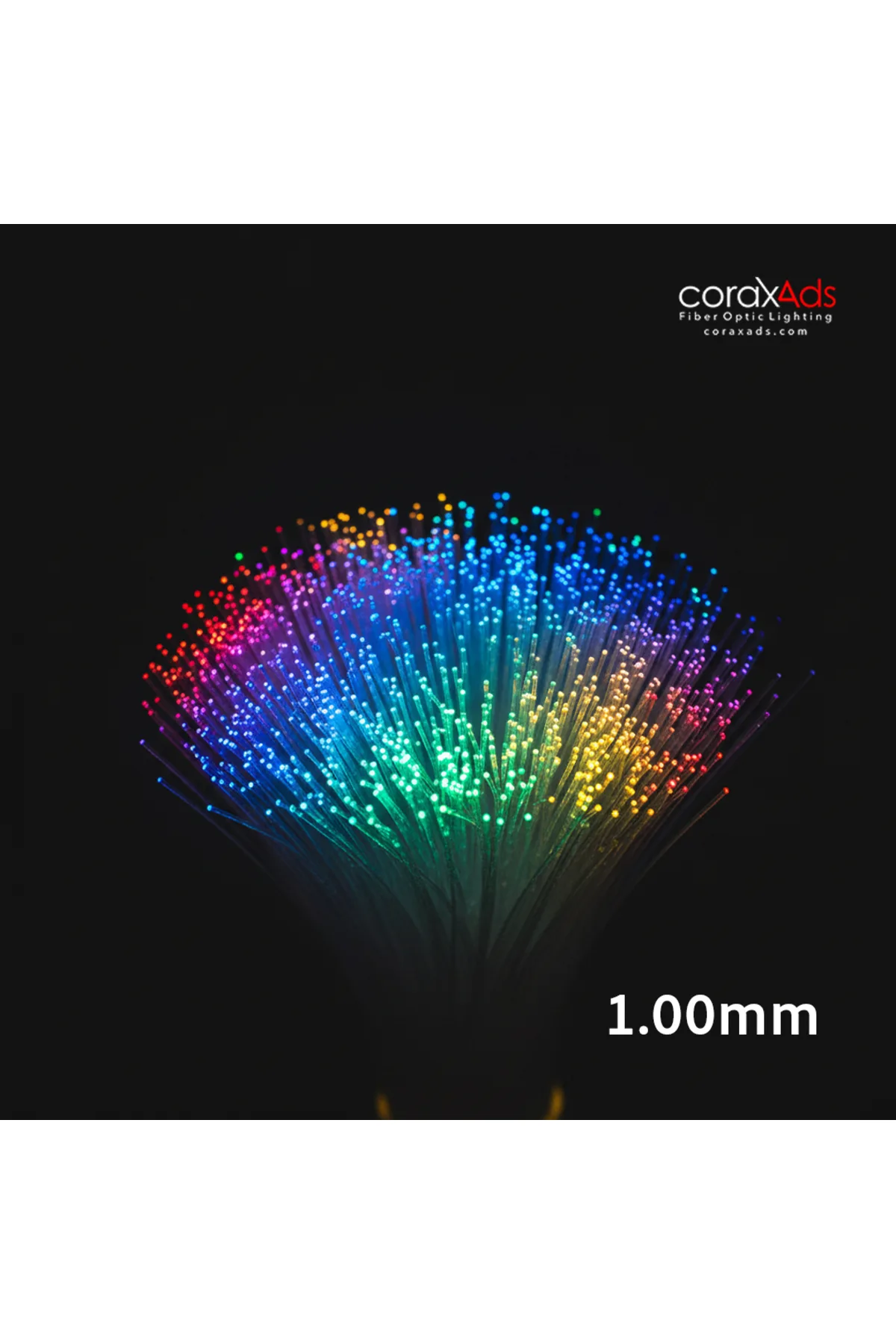
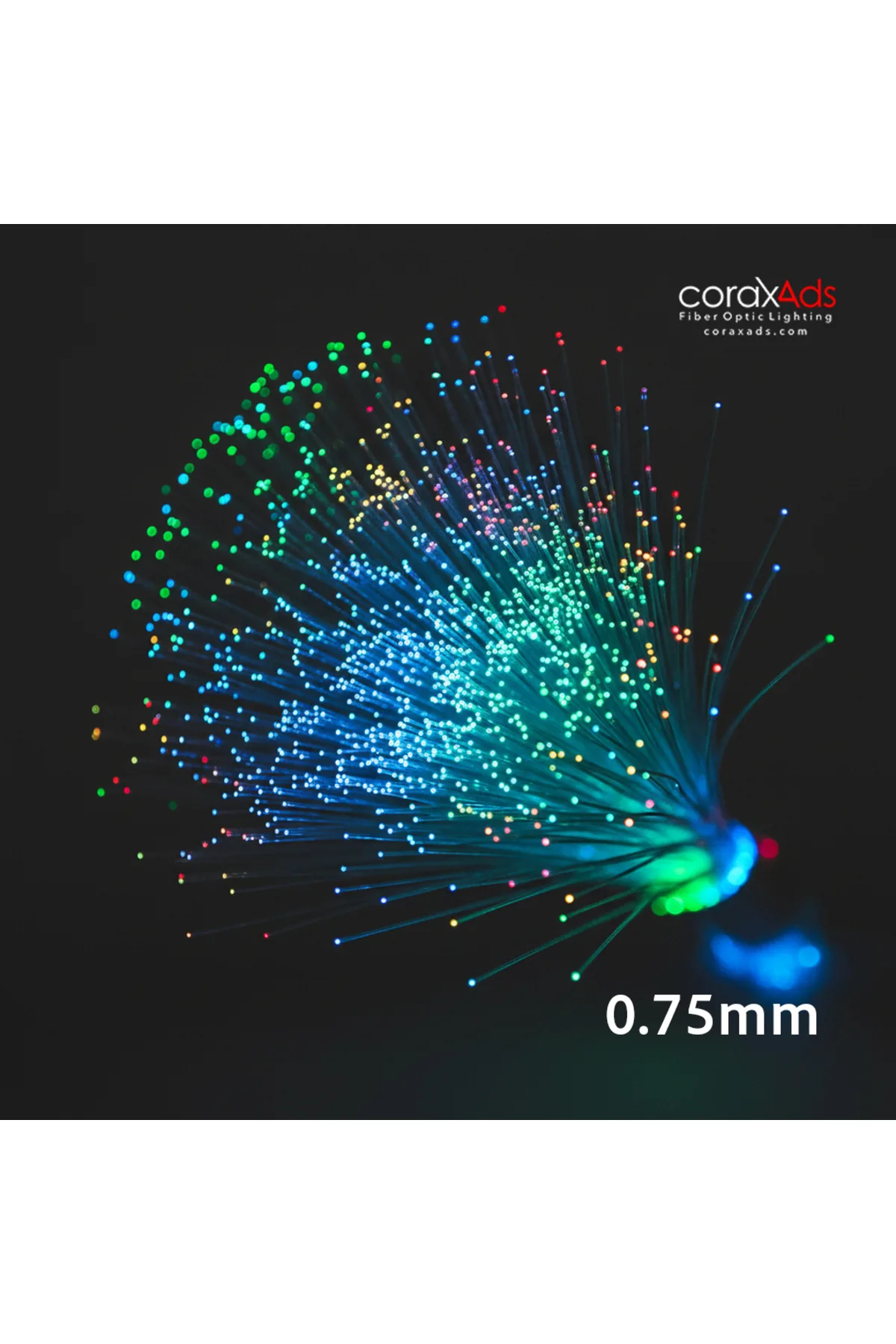
- Selection by Core Diameter: 0.75mm, 1.0mm, 1.5mm, 2.0mm
- PMMA vs. PC (Polycarbonate) Cables: 2026 Comparison and Recommendations
What are the types of fiber optic cables and how are they classified? They are generally categorized by transmission type, material used, core thickness, light diffusion method, and intended application. Furthermore, while Plastic Optical Fiber (POF) cables stand out in decorative lighting, glass fibers (Silica) are used for high-speed data transmission. Therefore, the 2026 classification also includes cables compatible with smart home systems.
- Cable Selection for Starry Ceilings and Pool Lighting
- Bus & Minibus Decorative Ambiance Systems
- Professional Solutions for Shopping Malls and Hotels
Fiber optic cable types are fundamentally classified according to five criteria: transmission type (mode), material (glass/fiber optik), core diameter, light diffusion method (end or side glow), and application area. Therefore, according to expert opinion, from a 2026 perspective, Plastic Optical Fiber (POF) cables are usually at the heart of decorative lighting projects. Additionally, market research shows that POF will grow by 7.2% annually in the decorative lighting segment until 2026. In contrast, glass fibers (Silica) are preferred for high-performance areas like data transmission. This is precisely why understanding this fundamental distinction is critical for a proper start.
- Compatibility with Light Source
- Mechanical Durability and Environmental Conditions
- Fiber Optic Cable Maintenance and Cleaning Tips
Single Mode fiber allows light to travel along a single path. Thus, it typically has a 9µm core diameter and is designed for long-distance data transmission. Multi Mode fiber, on the other hand, has a larger core diameter (50µm or 62.5µm). In short, it allows light to travel via multiple paths and is used in short-distance, high-bandwidth applications.
What are the Types of Fiber Optic Cables? Basic Definitions and 2026 Classification
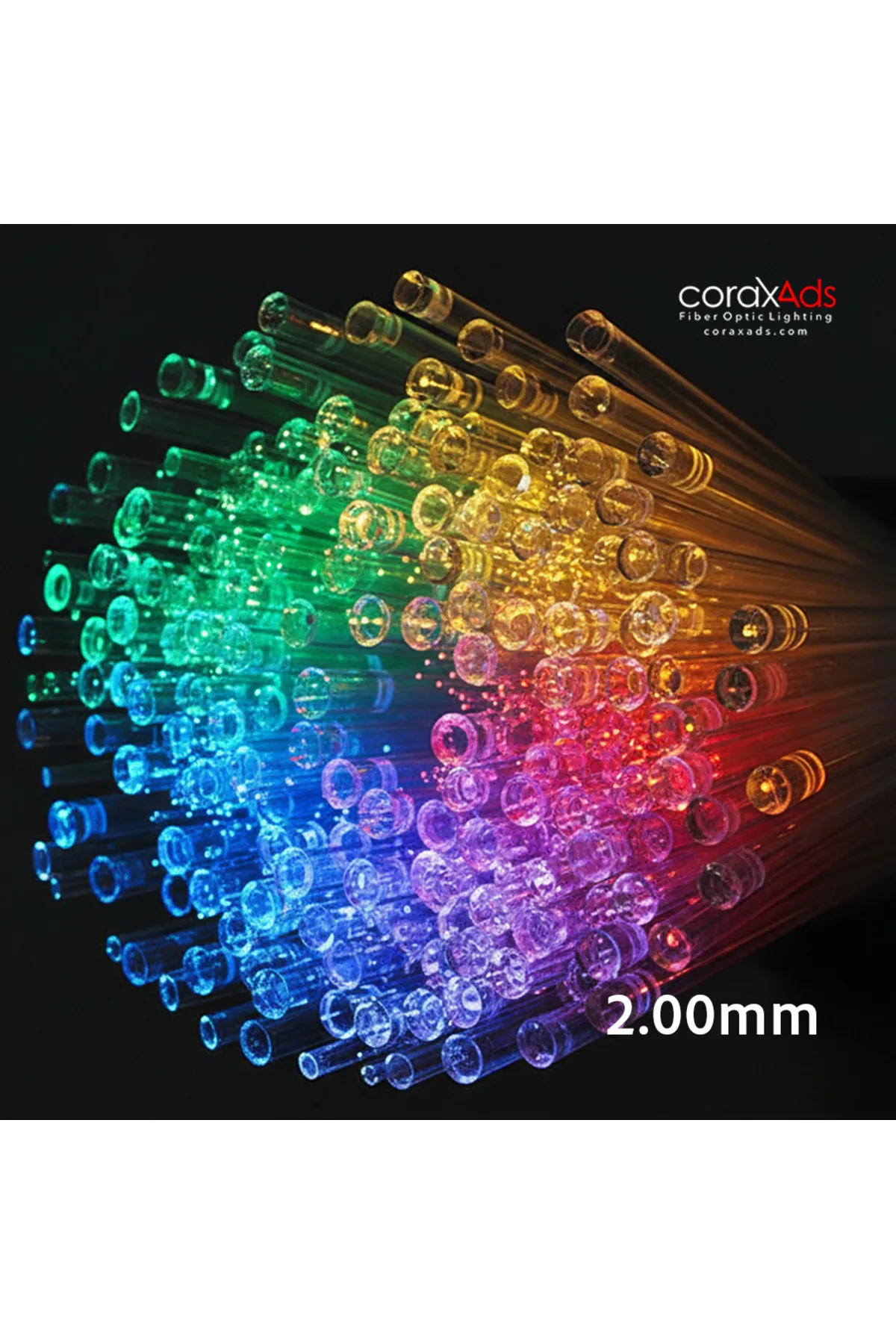
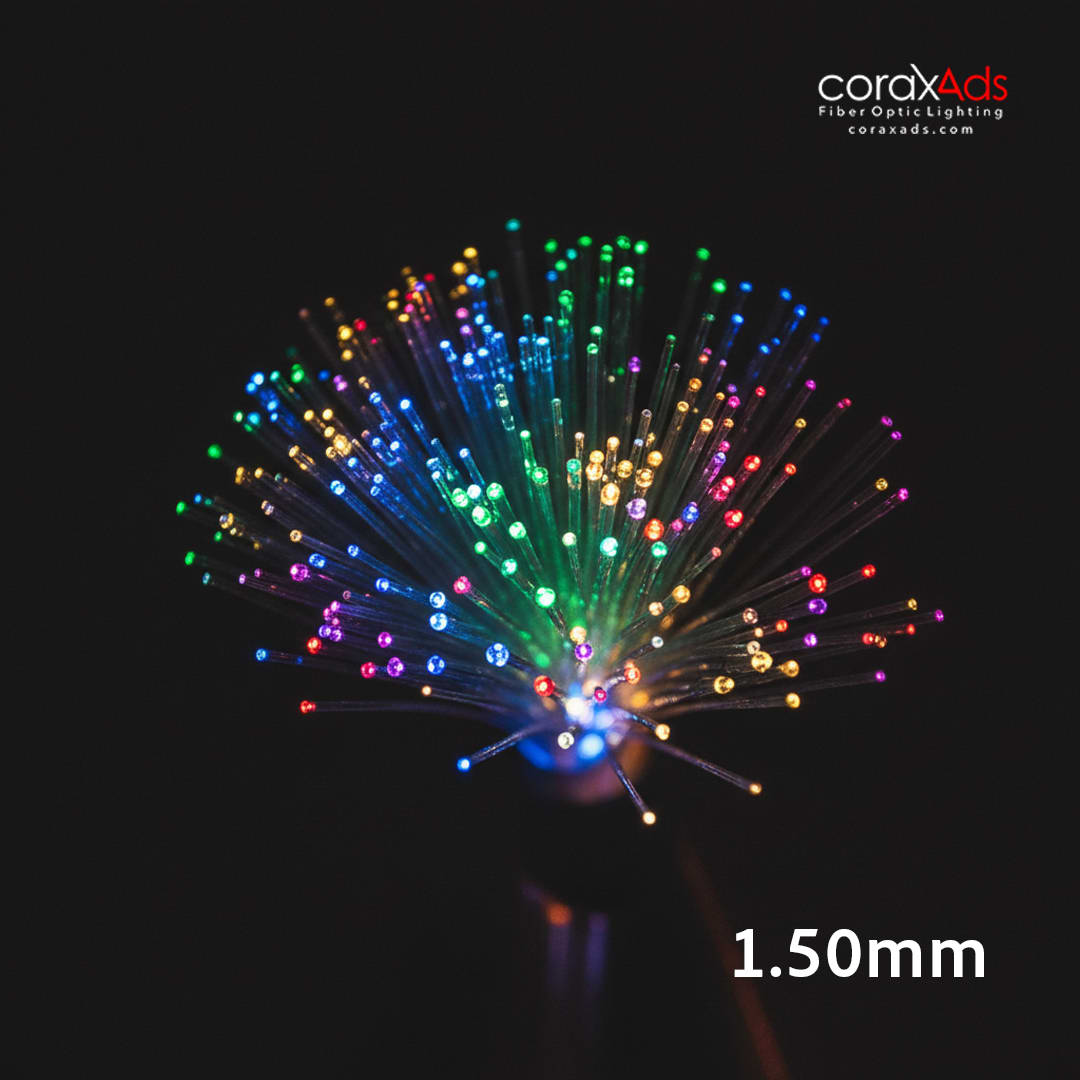
What are the types of fiber optic cables used in decorative lighting? Primarily, cables based on PMMA (Polymethyl Methacrylate) and Polycarbonate (PC). Furthermore, these Plastic Optical Fibers (POF), which have side-glow or end-glow properties, are produced in various thicknesses like 0.75mm, 1.0mm, 1.5mm, and 2.0mm. In summary, they shine like gold in starry ceilings, light curtains, and architectural accent lighting.
Fiber Optic Cable Types: Classification by Light Diffusion Method
Decorative lighting is a special field that combines aesthetics and functionality. In summary, from what I've observed over the years in the industry, the vast majority of projects in this area use fiber optic cables made from PMMA or Polycarbonate material. Because, in over 85% of them!
- Side Glow Fiber Optic Cables: As the name suggests, these fiber optic cable types diffuse light evenly and softly from their side surfaces. Thanks to a special coating, light filters along the entire length of the fiber. They are tailor-made for dazzling starry ceilings, waterfall curtains, bars, and hotel lobbies. With thin diameters like 0.75mm, 1.0mm, and 1.5mm, they create an almost invisible line of light effect.
- End Glow Fiber Optic Cables: In these cables, light exits only from the cut end of the fiber as an intense point. Light leakage from the sides is minimal. They are perfect for creating individual bright star points. They form the basis of projects aiming for a planetarium effect or a night sky imitation. Larger diameter ones like 3mm, 5mm, 8mm, 14mm can also be used as decorative sconces or accent lights.
Project Tip: If you want a "light curtain" or "rain effect," you must use side-glow cable. However, if your goal is individually appearing stars on the ceiling, your choice should be end-glow fiber optic cable.
PMMA fiber optic cable is produced from Polymethyl Methacrylate material. It offers high flexibility, excellent light transmission, and vibrant color performance. According to experts, PMMA cables keep light transmission loss at around 0.5-1% per meter, providing effective decorative lighting for distances up to 50 meters.
The Effect of Core Diameter: Appearance and Flexibility
How are fiber optic cables classified according to light diffusion method? They are divided into two main types: Side Glow and End Glow. Side Glow ones diffuse light along the entire surface, creating a continuous line. End Glow cables, on the other hand, emit light only from the cut end as an intense point source.
| Core Diameter | Most Common Applications and Features |
|---|---|
| 0.50 mm - 0.75 mm | The thinnest and most flexible. Ideal for dense starry ceilings (100+ fibers per m²) and delicate light curtains. Installation requires a bit more care. |
| 1.0 mm - 1.5 mm | This is the most popular range in decorative lighting. Thin enough, easy to work with. Side light diffusion is more pronounced. The standard choice for many commercial projects. |
| 3.0 mm - 5.0 mm | Used for stronger and more visible light points. As end-glow for star effects, as side-glow for thick light lines in bars. Durable. |
| 8.0 mm and above | Aimed at industrial or special artistic applications. Used for sculpture lighting, architectural accents. |
Critical Factors for Choosing the Right Fiber Optic Cable Type
One of the most decisive factors in decorative lighting projects is how the cables diffuse light. According to industry standards, this fundamental characteristic directly determines the visual effect to be created. Consequently, you will encounter two main types:
- Application Area (Indoor / Outdoor): For your outdoor projects, you should choose fiber optic cable types with UV resistance and special protection against moisture and temperature changes (mostly with PE outer sheathing). For indoor use, standard PVC or more flexible sheaths will suffice.
- Light Source Power and Type: The power (lumen output) and the number of connection ports provided by the halogen, LED, or smart RGB light source you will use directly limit the number and diameter of fibers you can use. If you try to feed many thick-diameter fibers with a weak source, you will get dim and unsatisfactory light.
- Mechanical Durability: What is the environment of the project? Will the fibers be frequently touched? Is flexibility important? Flexible POF cables should be chosen from those with high tensile and bending strength.
- Budget and Lifetime Cost: Glass fibers (silica) are generally more expensive but long-lasting and highly efficient. Plastic Optical Fibers (POF) are more cost-effective and easier to use in decorative lighting. In a long-term project, the replacement cost of a low-durability cable can overshadow your initial savings.
The core diameter of fiber optic cables is one of the most critical parameters determining the amount of light transmitted, flexibility, and the final visual effect. As the diameter increases, the amount of transmitted light increases, but the cable becomes less flexible.
Frequently Asked Questions (FAQ)
What is the most suitable fiber optic cable diameter for a starry ceiling?
For a realistic and finely detailed starry sky effect, 0.75mm or 1.0mm diameter end-glow POF cables are ideal. Thicker diameters (1.5mm+) show stars larger and fewer in number, which can reduce naturalness. Your choice should be shaped by your viewing distance to the ceiling and the desired star density.
Are fiber optic cables resistant to outdoor conditions?
Yes, but only if you choose the right type. For outdoor applications, specially manufactured fiber optic cables that are UV-stabilized and protected with an outer sheath like high-density polyethylene (HDPE) should be used. These cables are resistant to rain, snow, sunlight, and temperature fluctuations. Standard indoor cables will yellow and become brittle outdoors in a short time.
Can I get different colors with a single light source?
Absolutely yes. By using RGB or RGBW LED light sources, you can control the color, brightness, and even dynamic effects (transitions, flashing) of the light emitted from the end or side of the fibers via remote control or smartphone app. This adds incredible flexibility and dynamism to your decorative lighting projects.
How do you maintain and clean fiber optic cables?
Fiber optic cables require almost no maintenance. Dust can reduce light output. For cleaning, you can use a soft, dry, lint-free cloth. In case of heavy soiling, you can slightly dampen the cloth. Never use harsh chemical cleaners, abrasives, or pressurized water. Periodically cleaning the fan filter of the light source is important for maintaining system efficiency.
How do I calculate how much fiber optic cable I need for my project?
A simple calculation formula: Required cable length = [Area (m²) x Desired fiber density (pcs/m²)] + 10-15% waste allowance. For complex projects, getting free project planning support from expert suppliers will be very beneficial for correct material planning and budgeting.
What should be considered when selecting fiber optic cables? For correct fiber optic cable selection, four critical factors should be evaluated: application area (indoor/outdoor), light source power/compatibility, mechanical durability requirements, and total cost of ownership (budget and lifetime). Experts recommend that UV-resistant and waterproof sheathed cables must be preferred for outdoor projects.
Source: tr.wikipedia.org
Conclusion and Summary
Based on my over-a-decade of field experience, I have observed that the point my customers most often overlook is matching project requirements with cable specifications. Looking only at price can be costly in the long run. Here is a checklist to help you decide:
What is the most suitable fiber optic cable diameter for a starry ceiling?
The most suitable fiber optic cable diameter for a starry ceiling is 0.75mm or 1.0mm. End-glow POF cables in these diameters create a realistic and finely detailed starry sky effect. Thicker diameters (1.5mm+) show stars larger and fewer in number, which can reduce naturalness. Your choice should be shaped by your viewing distance to the ceiling and the desired star density.
Are fiber optic cables resistant to outdoor conditions?
Yes, but only if you choose the right type. For outdoor applications, specially manufactured fiber optic cables that are UV-stabilized and protected with an outer sheath like high-density polyethylene (HDPE) should be used. These cables are resistant to rain, snow, sunlight, and temperature fluctuations. Standard indoor cables will yellow and become brittle outdoors in a short time.
Can I get different colors with a single light source?
Absolutely yes. By using RGB or RGBW LED light sources, you can control the color, brightness, and even dynamic effects (transitions, flashing) of the light emitted from the end or side of the fibers via remote control or smartphone app. This adds incredible flexibility and dynamism to your decorative lighting projects.
How do you maintain and clean fiber optic cables?
Fiber optic cables require almost no maintenance. Dust can reduce light output. For cleaning, you can use a soft, dry, lint-free cloth. In case of heavy soiling, you can slightly dampen the cloth. Never use harsh chemical cleaners, abrasives, or pressurized water. Periodically cleaning the fan filter of the light source is important for maintaining system efficiency.
How do I calculate how much fiber optic cable I need for my project?
A simple calculation formula: Required cable length = [Area (m²) x Desired fiber density (pcs/m²)] + 10-15% waste allowance. For complex projects, getting free project planning support from expert suppliers will be very beneficial for correct material planning and budgeting.
The comprehensive answer to the question "What are the types of fiber optic cables?" holds the key to your project's success. In this article, we examined this diversity according to basic criteria such as transmission type (Multimode/Single-mode), material (Glass/POF), light diffusion method (Side/End), and core diameter. The right choice is not only an aesthetic preference but also decisive for the system's lifespan, efficiency, and total cost of ownership. While Plastic Optical Fibers (POF) stand out in the decorative lighting world, each sub-category (side-glow / end-glow, thin / thick diameter) has its own role and application area.
Remember, for the best results, you should evaluate your project's physical conditions, desired visual effect, and budget in a balanced way, and make your selection from among the fiber optic cable types that meet these three parameters. For detailed technical information, project consultancy, and a product range of thousands of varieties, our expert team is always by your side.
Are you ready to bring your dream lighting project to life? At CoraxAds.com, all the fiber optic cable types you need, ready-made sets, and professional light sources are all in one place. Explore now, benefit from our technical support, and order the most suitable solution for your project today!