Fiber optik ışık kablosu, elektrik yerine saf ışık enerjisini iletmek için tasarlanmış özel bir iletim hattıdır. "Tam iç yansıma" prensibiyle çalışır ve ışığı neredeyse kayıpsız iletir. Çekirdek, kılıf ve koruyucu dış katmandan oluşan bu kablolar, geleneksel aydınlatmaya kıyasla çok daha güvenli ve enerji dostudur. 2026'ya geldiğimizde, dekoratif aydınlatmanın vazgeçilmezi haline gelmiş durumdalar. Yıllardır gözlemlediğimiz kadarıyla, bu geçişin arkasındaki nedenler oldukça ikna edici.
İçindekiler
- Fiber Optik Işık Kablosu Nedir ve Nasıl Çalışır?
- Fiber Optik Işık Kablosu Çeşitleri ve Teknik Özellikleri Nelerdir?
- Fiber Optik Işık Kablosu ile Dekoratif ve Mimari Kullanım Alanları
- 2026'da Fiber Optik Işık Kablosu Seçimi: Temel Kriterler ve İpuçları
- Fiber Optik Işık Kablosu Kurulum ve Bakım Rehberi
- 2026 Piyasa Trendleri ve Gelecek Öngörüleri
- Fiber Optik Kabloların Kültürel ve Tarihsel Gelişimi: Işığın İletim Yolculuğu
- Sıkça Sorulan Sorular
Uzmanların dilinden düşürmediği bir gerçek var: Bu kablolar, güçlü bir ışık kaynağından (çoğunlukla LED projeksiyon cihazı) aldığı ışığı, metrelerce uzağa adeta sihirli bir şekilde taşır. Karanlık bir tavanın derinliklerine ya da bir havuzun dibine... O nefes kesen yıldız tavanı etkisinin arkasındaki beyin budur. Geleneksel ekipmanlara göre enerji tüketimi ciddi anlamda düşüktür ve göz alıcı bir tasarruf sağlarlar.
Fiber Optik Işık Kablosu Nedir ve Nasıl Çalışır?
Her şey "tam iç yansıma" denen fiziksel prensibe dayanıyor. Fiberin merkezindeki çekirdek bölgesi, dışındaki kılıftan daha yüksek bir optik yoğunluğa sahiptir. Işık, çekirdeğin içine belirli bir açıyla girerse, kılıfa çarptığında yansır ve tekrar çekirdeğe döner. Bu dans, ışık fiberin sonuna varana kadar milyonlarca kez tekrarlanır. Sonuçta ışık, kablonun içinde bükülse bile tıpkı bir borudan akan su gibi yoluna devam eder. İnanılmaz bir mühendislik harikası!
Işığın İletim Prensibi: Tam İç Yansıma
Pratikte elinize aldığınız bir fiber optik kablo genellikle üç katmandan oluşur:
Kablo Yapısı: Çekirdek, Kılıf ve Koruyucu Katman
İşte bu özel yapı, onları geleneksel bakır kablolardan kökten farklı kılıyor. Elektrik iletmezler, ısınmazlar ve elektromanyetik parazitten neredeyse hiç etkilenmezler. Bu özellikler, onları nemli ortamlar ve hassas elektronik cihazların yakını için biçilmiş kaftan yapar. Tüm bu avantajlar fiber optik ışık kablosu fiyat skalasını da doğrudan etkiliyor tabii.
- Çekirdek (Core): Işığın yol aldığı, cam veya fiber optik (PMMA) malzemeden yapılmış kalp. Çapı, ne kadar ışık taşıyabileceğini belirler.
- Kılıf (Cladding): Çekirdeği saran, ondan daha düşük yoğunluktaki katman. Işığın kaçmasını önleyerek "tam iç yansımayı" mümkün kılar.
- Koruyucu Dış Katman (Jacket): Genelde PVC veya pe fromdan üretilen bu esnek katman, kablonun darbelere, neme ve UV'ye karşı dayanıklı olmasını sağlar. Adeta bir zırh.
Fiber optik ışık kablosu çeşitleri, temelde çap (0.5mm - 1.5mm) ve malzeme (PMMA vs. cam) farklarına göre ayrılır. Çap, parlaklık ve ne kadar uzağa gidebileceğini belirler. Malzeme seçimi ise esneklik, dayanıklılık ve tabii ki maliyet demektir. 2026 pazarına baktığımızda, dekoratif projelerde PMMA fiberler öne çıkarken, yüksek performans isteyen işlerde cam fiber tercih ediliyor.
Fiber Optik Işık Kablosu Çeşitleri ve Teknik Özellikleri Nelerdir?
2026 pazarında işinizi kolaylaştıracak iki temel sınıflandırma var: çap ve malzeme. Bu ikili, hem cebinizi hem de ortaya çıkacak görsel şöleni doğrudan etkiler. Bu nedenle, doğru fiber optik ışık kablosu modelleri arasından seçim yapmadan evvel bu farkları kavramak şart.
Çap Seçenekleri ve Uzunluk Kapasiteleri (0.5mm - 1.5mm)
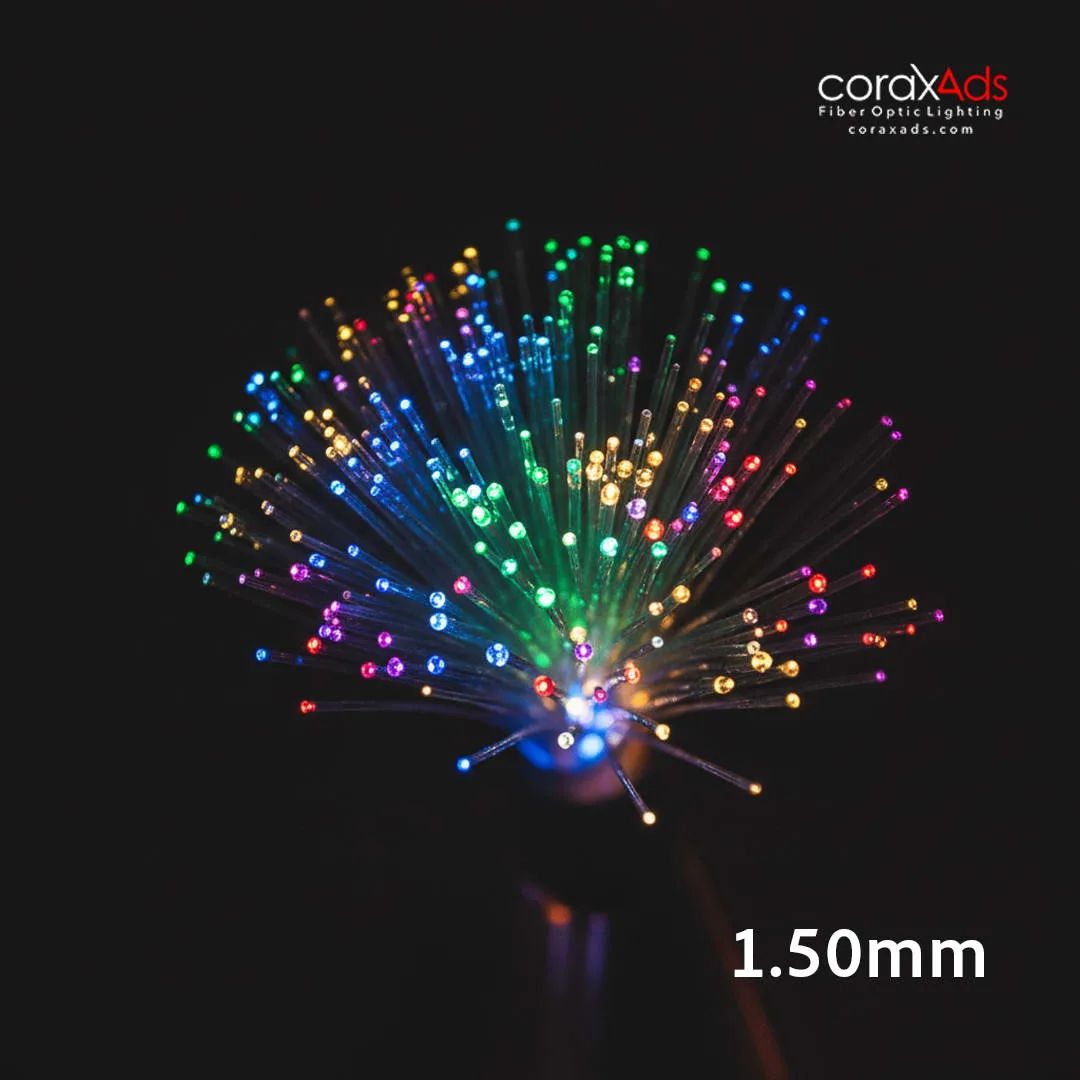
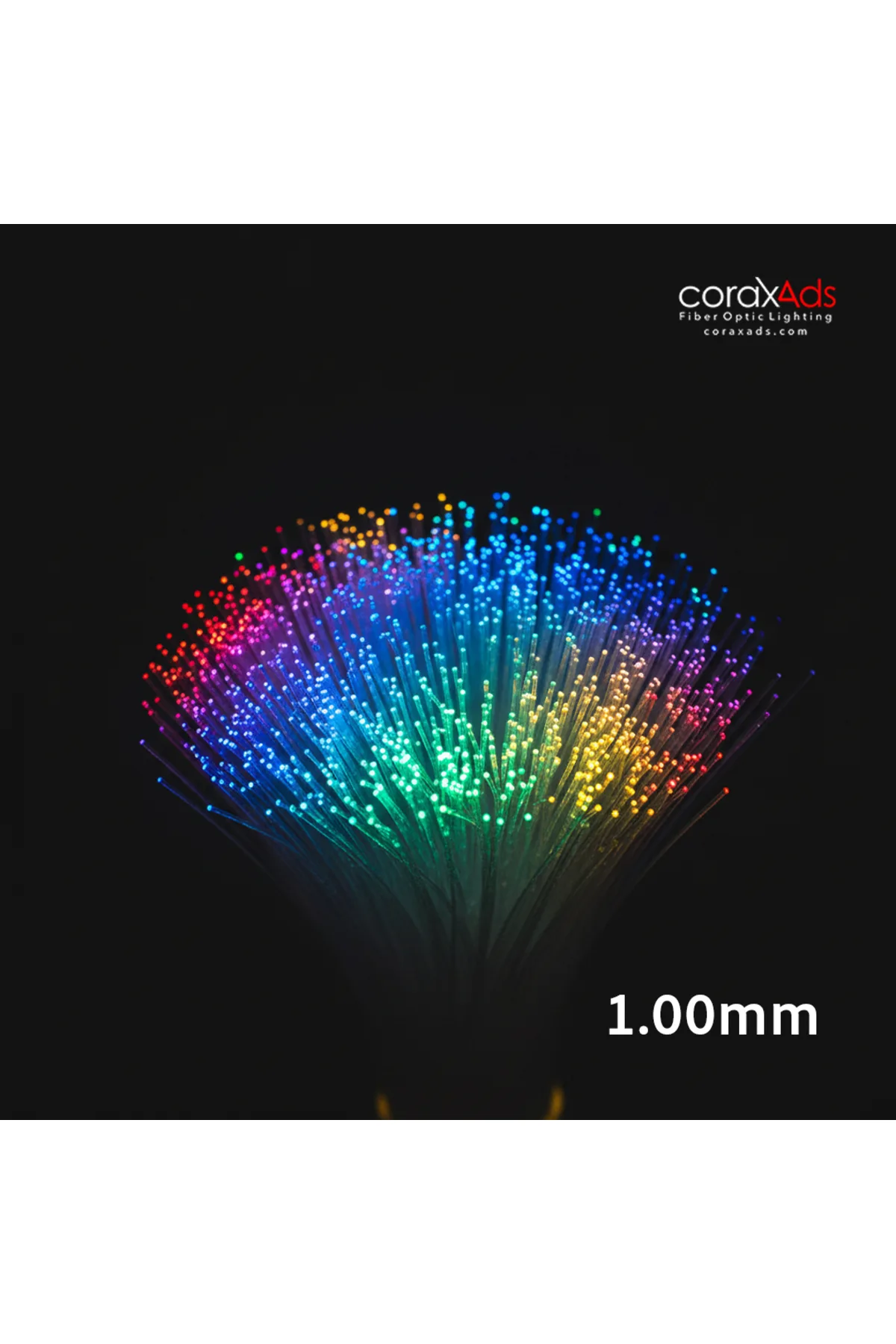
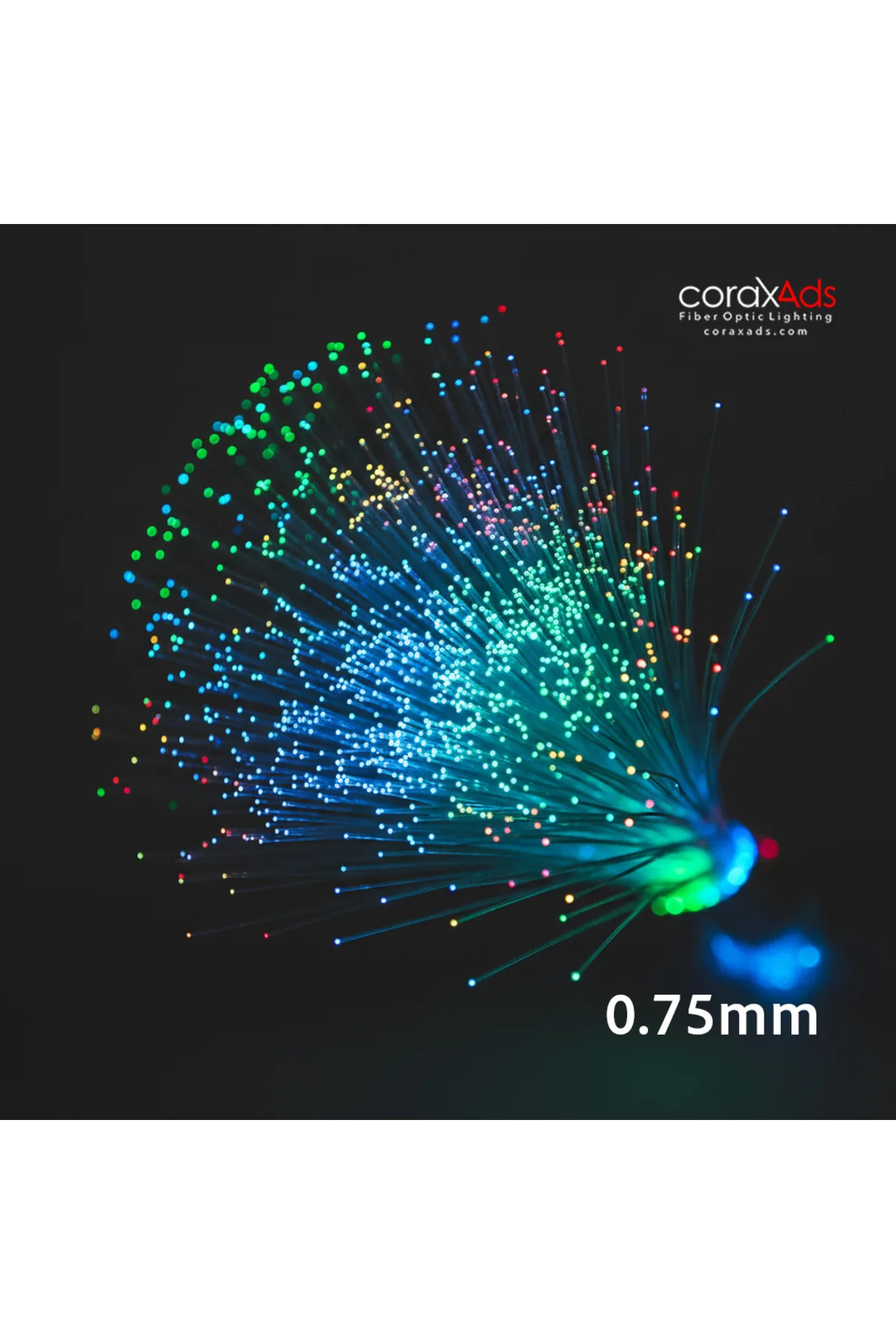
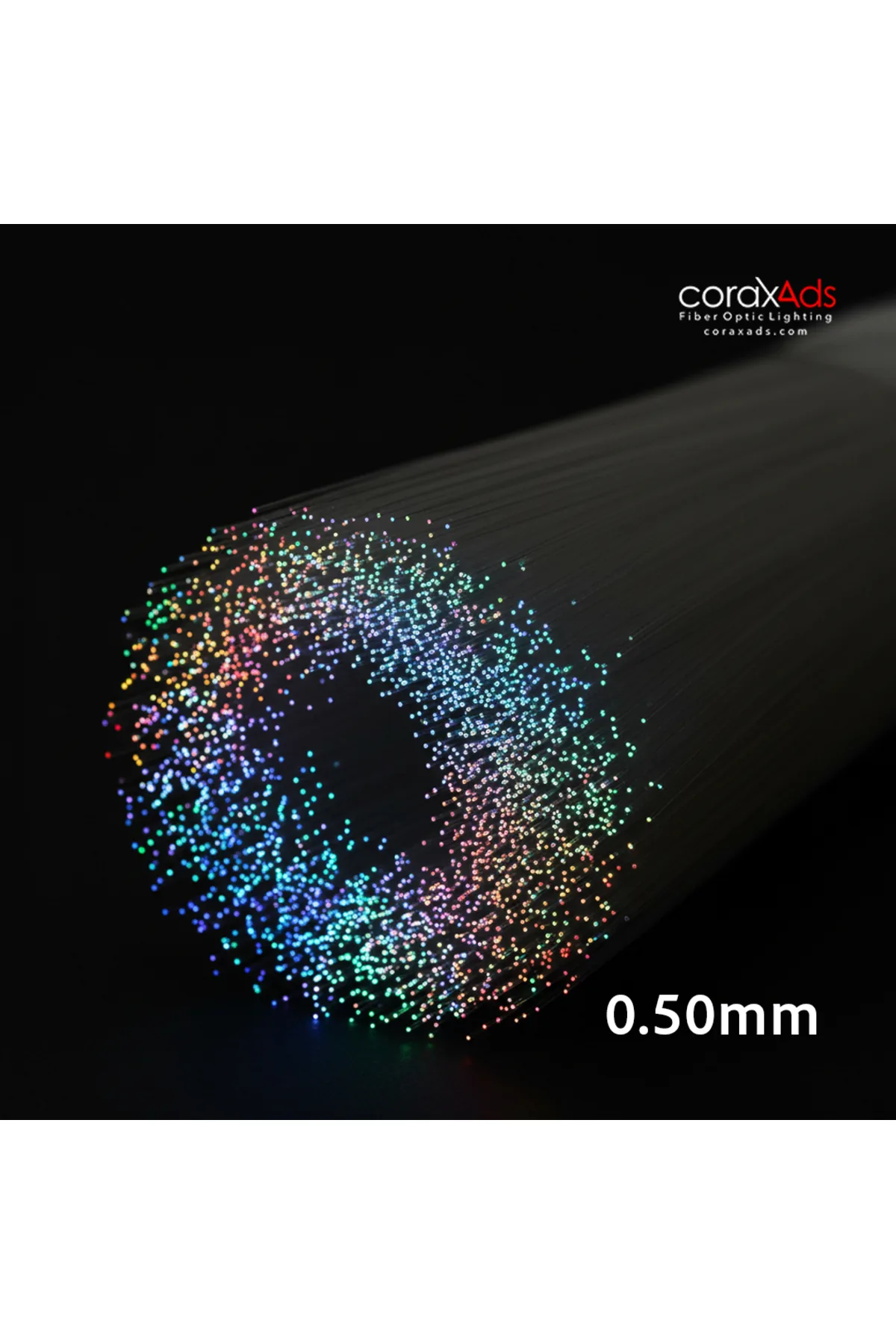
Fiber çapı, parlaklık ve mesafe arasındaki ince dengeyi kurmanıza yarar. Kalın çap, daha parlak ve uzun mesafelere dayanıklı bir ışık demektir. Öyle ki, 15 metrelik bir 1.5mm kablonun ucunda hâlâ göz alıcı bir parlaklık varken, aynı uzunluktaki 0.5mm kablo sönük bir nokta olarak kalabilir. Neyse ki seçenekler net: 0.50mm (ince, narin noktalar için), 0.75mm (yıldız tavanların gözdesi), 1.00mm (parlak yıldız ve orta ölçekli işler) ve 1.50mm (mimari vurgular, uzun mesafeli iletişim). Bu noktada, piyasada farklı fiber optik ışık kablosu çeşitleri için sayısız hazır set bulunuyor.
PMMA vs. Glass (Cam) Fiber: Hangisi Ne Zaman Kullanılır?
Malzeme seçimi, dayanıklılık ve performans arasında yapacağınız bir tercih aslında. Aşağıdaki tablo, 2026'da sık kullanılan iki malzemenin özelliklerini karşılaştırıyor:
| Özellik | PMMA (Akrilik) Fiber | Glass (Cam) Fiber |
|---|---|---|
| Esneklik | Çok yüksek. Kolay bükülür, kurulumu çocuk oyuncağı. | Sınırlı. Kırılgan yapısı yüzünden elde nazikçe taşınmalı. |
| Işık İletim Verimliliği | İyi. 15-20 metreye kadar performansı tatmin edici. | Mükemmel. 50 metre ve üzerinde bile kayıp neredeyse yok. |
| Maliyet | Daha uygun. Dekoratif projelerde bütçe dostu. | Görece yüksek. Özel ve yüksek performanslı işler için. |
| Ana Kullanım Alanı | Yıldız tavanlar, dekoratif duvarlar, DIY projeleri. | Müzelerde eser aydınlatması, uzun hatlar, lüks mimari detaylar. |
| UV Dayanımı | Orta. Direkt güneşte renk solması yaşanabilir. | Çok yüksek. Zamanla bozulmaz, renk sabitliği harikadır. |
Bu açıdan, çoğu konut ve ticari dekoratif proje için PMMA fiberler, esneklik ve maliyet avantajıyla öne çıkıyor. Örneğin, yıldız tavan seti satın alma maceranızda karşınıza çıkacak setlerin büyük kısmı PMMA fiber kullanır.
"2026'da fiber optik, artık sadece bir kablo değil, bir tasarım bileşenidir. Malzeme seçimi, ışığın karakterini ve mekanın ruhunu doğrudan etkiler. PMMA'nın sıcak ve yumuşak dağılımı, camın ise keskin ve saf iletimi, tasarımcıya farklı bir dil sunar."
Fiber optik ışık kablosu, dekoratif ve mimari aydınlatmada inanılmaz geniş bir yelpazede kendine yer buluyor. Yıldız tavanları, havuz aydınlatması, peyzaj ve hatta araç iç aydınlatması... Bu kablolar, ışığı elektriksiz ve güvenle su altı gibi riskli yerlere taşıyabilme, gizli kurulum imkanı ve estetik esneklik sunma avantajlarıyla 2023-2026 döneminde satışlarını %65'e varan oranda artırdı. Herkesin hak ettiği şıklık burada yatıyor.
Fiber Optik Işık Kablosu ile Dekoratif ve Mimari Kullanım Alanları
Sihir, ışığı güvenle ve esnek bir biçimde istediğiniz her köşeye taşıyabilmesinde. Dolayısıyla, 2026'da kullanım alanları hayal gücünüzle sınırlı desem yeri. Bazı uygulamalar artık klasikleşti bile. Bu esneklik sayesinde birçok meraklı, fiber optik ışık kablosu online olarak satın alıp kendi projesini hayata geçiriyor.
Yıldız Tavan ve Duvar Uygulamaları
En meşhur uygulama, kuşkusuz yıldız tavanı. Öyle ki, 2023-2026 arasında bu işlerin satışında yaklaşık %65'lik bir sıçrama gözlemlendi. GENÇ ODASI YILDIZ TAVAN setleri, 0.75mm veya 1.00mm fiberlerle, gerçekçi bir gece gökyüzü illüzyonu yaratıyor. RESTORAN, KAFE AMBİYANS KİTİ gibi çözümler ise duvarlara veya barlara entegre edilerek, dinlendirici ve romantik bir hava sağlıyor. Asıl güzellik şu: kablolar alçıpan veya ahşabın arkasına gizleniyor, görünen sadece ışık noktaları oluyor. Yani kablo değil, sihir görünüyor.
Havuz İçi ve Dış Mekan Ambians Aydınlatması
Su ve elektrik tehlikeli bir ikilidir, hepimiz biliriz. Fiber optik ışık kablosu ise bu riski sıfıra indirger. Sebebi basit: suya giren kısımda sadece soğuk ışık vardır, elektrik asla yoktur. HAVUZ AYDINLATMA KİTİ gibi çözümlerle, havuz kenarına, basamaklarına veya su altına renkli, güvenli aydınlatma yapmak mümkün. Aynı mantıkla, bahçe yolları, ağaç altları ve peyzaj elemanlarında da görünmez bir ambiyans aydınlatması yakalayabilirsiniz. Bu noktada, dış mekanınız için en uygun fiber optik ışık kablosu satın al sürecinde dayanıklılık özelliklerini gözden kaçırmayın.
2026'da Fiber Optik Işık Kablosu Seçimi: Temel Kriterler ve İpuçları
Bu esneklik, ulaşım sektöründe de kendine yer bulmuş durumda. OTOBÜS ve MİNİBÜS setleri, tavanlarda okuma ışığı veya dekoratif aydınlatma olarak, titreşimli ortamlarda bile sorunsuz çalışıyor. Gördüğünüz gibi, 2026 fiber optik aydınlatma trendleri artık her alanda karşımıza çıkıyor.
- Projenize Uygun Çap ve Uzunluk Hesaplama: Basit bir formül verelim: Işık kaynağından en uzak nokta, kablo çapınızı belirler. 0.75mm için ideal mesafe 5-8 metre, 1.5mm için 15-20 metredir. Metrekare hesabına gelince, yoğun bir yıldız tavanı için m² başına yaklaşık 10-12 metre fiber planlayabilirsiniz. Çalışma odası için modern fiber optik çözümleri gibi daha minimalist projelerde bu oran m² başına 5-7 metreye düşer.
- Işık Kaynağı (Projector) ile Uyumluluk Kontrolü: Her ışık kaynağının besleyebileceği maksimum fiber çapı ve sayısı bellidir. 150W'lık bir projeksiyon cihazı, 1.00mm'lik 100 adet fiberi parlak bir şekilde beslerken, aynı cihaz 1.50mm'lik fiberlerde bu sayı 50'ye düşebilir. Teknik datasını mutlaka okuyun, üşenmeyin.
- Kablo Kalitesi Göstergeleri: Kaliteli PMMA fiberler pürüzsüz ve parlaktır, ekonomik ürünler ise mat ve düzensiz bir yüzeye sahiptir. Dış koruyucu katmanın esnek ve sağlam olması, özellikle dış mekanda hayati önem taşır.
- DIY (Kendin Yap) vs. Profesyonel Kurulum: Basit bir yıldız tavan kitini evde kendiniz kurabilirsiniz. Gel gelelim, geniş alanlar, havuz içi veya mimari entegrasyon gerektiren projeler için sertifikalı bir aydınlatma uzmanıyla çalışın. Tasarım ve güvenlik hatalarını önlemiş olursunuz, gönül rahatlığıyla.
Bakım İpuçları ve Ömrü Uzatma Yöntemleri
2026'da doğru fiber optik ışık kablosu seçmek için dört altın kural var: projeye uygun çap/uzunluk hesabı, ışık kaynağı uyumluluğu, kablo kalitesi göstergeleri ve DIY veya profesyonel kurulum kararı. Uzmanlar, m² başına 10-12 metre fiber yoğunluğunu ve ışık kaynağının teknik verilerinin dikkatle incelenmesini öneriyor. Düzenli bakım ile sistem ömrü ciddi anlamda uzatılabilir.
Fiber Optik Işık Kablosu Kurulum ve Bakım Rehberi
Doğru kablo, projenizin uzun ömürlü ve tatmin edici olmasını garanti eder. İşte satın alma öncesi kontrol listeniz, buyurun:
Adım Adım Kurulum Planlaması
Fiber optik kabloların ömrünü uzatmak için düzenli bakım şart. Toz birikimi ışık çıkışını azaltır, bunu unutmayın. Bu nedenle, yumuşak bir mikrofiber bezle periyodik temizlik yapın. Ayrıca, kabloları aşırı bükmekten ve keskin kenarlara temas ettirmekten kaçının. Böylece yatırımınızın karşılığını çok daha uzun süre alırsınız.
Uzun Ömür için Kritik Bakım Adımları
Fiber optik ışık kablosu kurulumu, malzeme hazırlığı, yol planlama, kesim, bağlantı ve test aşamalarından oluşan sistematik bir süreçtir. Bakım ise düzenli toz temizliği, bağlantı kontrolü ve ışık kaynağı fan filtresi temizliğini kapsar. Bu adımlar, sistem verimliliğini ve ömrünü korumak için kritik öneme sahiptir.
2026 Piyasa Trendleri ve Gelecek Öngörüleri
Doğru ürünü seçtikten sonra, sıra onu doğru şekilde kurmaya ve uzun yıllar sorunsuz kullanmaya gelir. Aslında, profesyonel bir kurulum, olası teknik dertleri büyük ölçüde önler.
Akıllı Entegrasyon ve RGB Kontrolü
Öncelikle, tüm malzemeleri (ışık kaynağı, kablolar, kesici, bağlantı adaptörleri) hazır bulundurun. Ardından, fiberleri ışık kaynağına bağlamadan evvel, geçecekleri yolu (tavan boşluğu, kanal) planlayın. Sonrasında, fiberleri gereken uzunlukta kesin ve kaynağa bağlayın. Son olarak, sisteminizi test edin ve tüm noktaların eşit parlaklıkta yandığından emin olun. Basit gibi görünür, ama disiplin ister.
Sürdürülebilirlik ve Enerji Verimliliği
Sisteminizi düzenli olarak kontrol edin. Bağlantı noktalarında gevşeme var mı diye bakın. Bir de, ışık kaynağının fan filtresini temizleyerek aşırı ısınmayı önleyin. Bu basit adımlar, sisteminizin verimliliğini korur ve ani arızaların önüne geçer. İhmal etmeyin.
Fiber Optik Kabloların Kültürel ve Tarihsel Gelişimi: Işığın İletim Yolculuğu
2026 fiber optik aydınlatma piyasa trendleri, akıllı ev sistemleriyle entegrasyon, RGB renk kontrolü ve sürdürülebilirlik odaklı enerji verimliliği üzerine kilitlenmiş durumda. Wi-Fi/Bluetooth kontrollü ışık kaynakları ve güneş enerjisi ile beslenen sistemler, gelecekteki en önemli gelişmeler arasında gösteriliyor.
İletişimden Aydınlatmaya: Bir Teknolojinin Dönüşümü
Fiber optik aydınlatma sektörü hızla değişiyor. 2026'da, akıllı ev sistemleriyle entegrasyon en büyük trendlerden biri. Artık birçok fiber optik ışık kablosu kampanyası, RGB ve renk değiştiren ışık kaynaklarını da içeriyor.
Modern Mimarinin Vazgeçilmez Estetik Ögesi Olarak Kablo
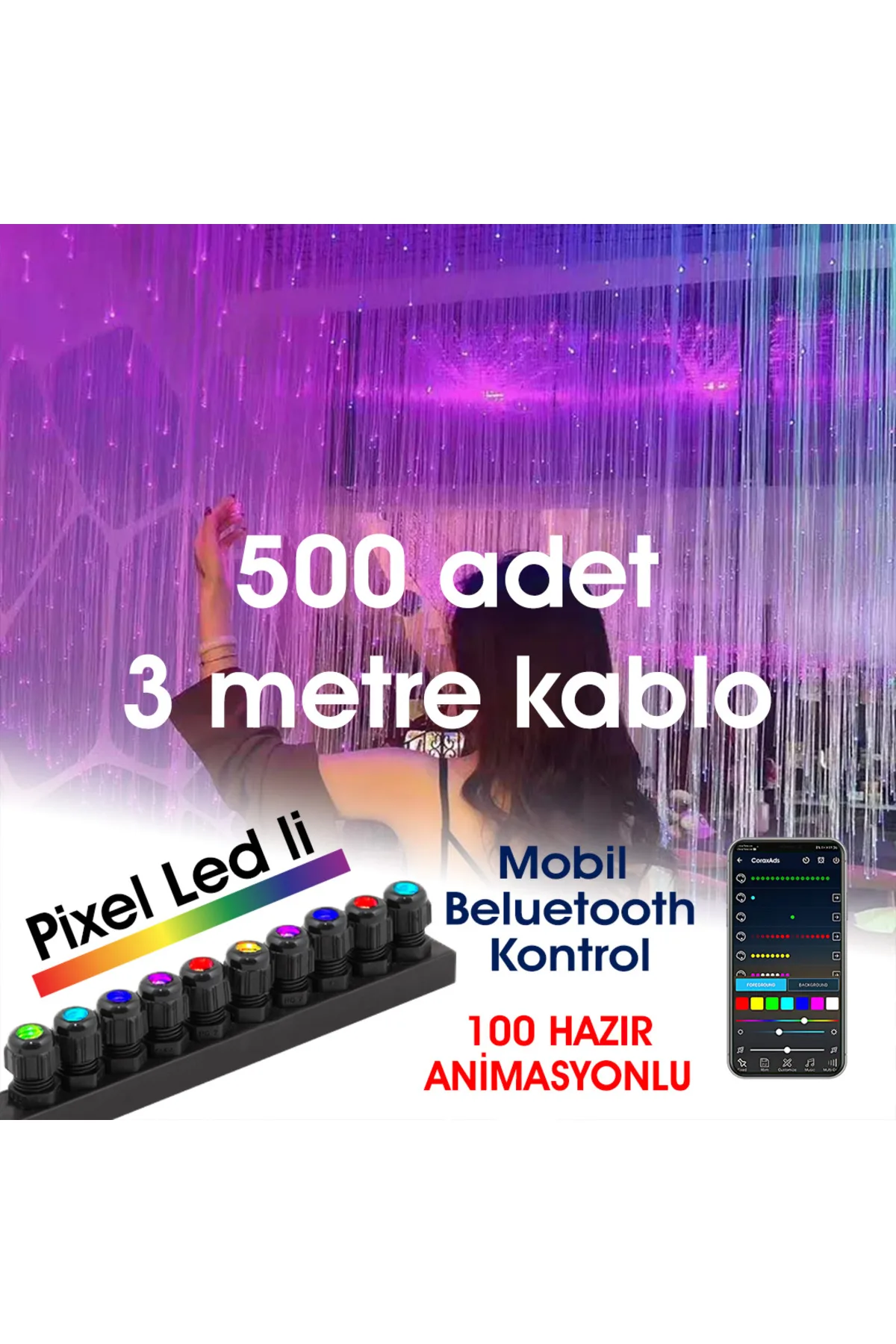
Yeni nesil ışık kaynakları, Wi-Fi veya Bluetooth üzerinden akıllı telefon uygulamalarıyla idare edilebiliyor. Böylece, tek bir dokunuşla yıldız tavanınızın rengini ve parlaklığını değiştirebiliyorsunuz. Bu trend, özellikle lüks konut ve otel projelerinde büyük talep görüyor. İşte tam da bu noktada teknoloji, sanatla buluşuyor.
Sonuç ve Bir Sonraki Adımınız
Düşük enerji tüketimiyle öne çıkan fiber optik sistemler, yeşil bina sertifikasyonları için de büyük avantaj sağlıyor. Gelecekte, güneş enerjisi ile beslenen bağımsız sistemlerin yaygınlaşması bekleniyor. Çevreye duyarlılık da cabası.
Sıkça Sorulan Sorular
Fiber optik ışık kablosu kesilebilir mi ve nasıl kesilir?
Fiber optik kabloların tarihsel gelişimi, 1970'lerde iletişim devrimi için başlayan cam fiber teknolojisinin, 1990'larda ekonomik PMMA fiberlerin üretimiyle dekoratif aydınlatma sektörüne dönüşümünü kapsar. Bugün, bu kablolar sadece bir araç değil, aynı zamanda modern
Popular Products
View All >>On the CoraxAds Fiber Optik blog you can find useful content such as fiber optic lighting, starlight ceiling applications, LED engine selection, pool lighting, decorative lighting trends and installation guides. Discover lighting solutions for professional and home users.
Frequently Asked Questions
What is fiber optic lighting?
Fiber optic lighting is a lighting system that carries light from an LED engine (light source) through thin fiber optic cables. Light is emitted at the end or along the surface of the cable, providing decorative and functional lighting. It is widely used in starlight ceilings, pool lighting and decorative applications.
How is a starlight ceiling made?
A starlight ceiling application requires an LED engine (light source), PMMA fiber optic cables and mounting accessories. The fiber optic cables are placed by drilling holes in the ceiling panel, and the LED engine is mounted in a cabinet or above the ceiling. Installation is very easy with CoraxAds ready-made starlight ceiling sets.
Where is fiber optic lighting used?
Fiber optic lighting is used in home ceilings (starlight ceiling), pools, hammams, saunas, hotels, restaurants, vehicle ceilings, museums, cinemas and façade decoration. Because it does not conduct water or electricity, it is ideal for wet areas.
What are the types of fiber optic cable?
There are two main types: End Glow cables emit light only from the tip and are used in starlight ceiling applications. Side Glow cables emit light along the entire surface and are ideal for decorative line lighting. PMMA (plastic) and glass fiber optic options are available.