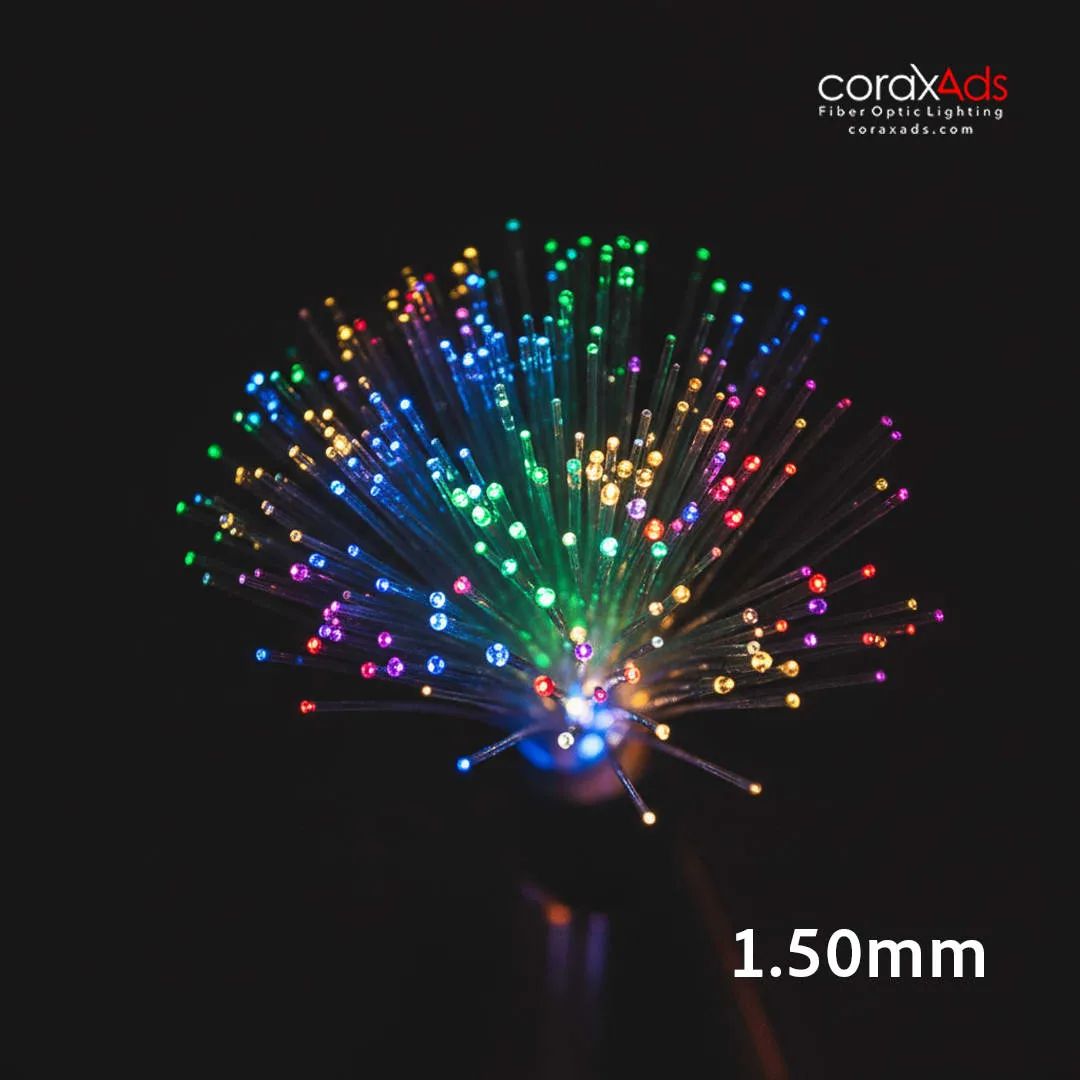
Fiber optik aydınlatma, ışığı tek bir LED kaynaktan alıp, özel kablolar (fiberler) aracılığıyla elektriksiz ve güvenli bir şekilde uzak noktalara ileten bir teknolojidir. Sistemin özü şudur: ışık kaynağını ulaşılması kolay bir noktada toplarsınız, aydınlatılacak yere ise sadece soğuk ışık ulaşır. Su altında, yüksek tavanlarda, hatta en hassas dekoratif objelerin içinde bile geleneksel sistemlerin sınırlarını aşan bir aydınlatma mümkündür. Ayrıca, altın gibi parlar!
İçindekiler
- Fiber Optik Aydınlatma Nedir ve 2026'da Nasıl Çalışır?
- Fiber Optik Aydınlatma Çeşitleri ve 2026 Modelleri
- 2026 Fiber Optik Aydınlatma Fiyatlarına Etki Eden 5 Ana Faktör
- Fiber Optik Aydınlatma Satın Alma Rehberi (2026)
- Fiber Optik Aydınlatma Kurulum Süreci ve Uzman İpuçları
- Fiber Optik Aydınlatma Bakımı ve Ömrünü Uzatma İpuçları
- Geleneksel Aydınlatmaya Karşı Fiber Optik Aydınlatma: Avantajlar ve Dikkat Edilmesi Gerekenler
- 2026 ve Sonrası: Fiber Optik Aydınlatma Trendleri
- Sıkça Sorulan Sorular (SSS)
Fiber optik aydınlatma, tam yansıma prensibiyle çalışır. Şöyle düşünün: fiber optik kablolar, merkezde bir çekirdek ve onu saran bir kılıftan oluşur. Bu iki katmanın kırılma indisleri farklıdır. Dolayısıyla, ışık çekirdeğe girince kılıfa çarpar ve içeride hapsolur. Böylece kablonun diğer ucuna kadar kesintisiz iletilir. Üstelik, 2026'da kullanılan fiberler ışık kaybını neredeyse sıfıra indiren daha saf malzemelerden üretiliyor. Göz alıcı bir verimlilik!
Fiber Optik Aydınlatma Nedir ve 2026'da Nasıl Çalışır?
Fiber optik aydınlatma, ışığı merkezi bir LED kaynaktan, elektriksiz fiber kablolarla güvenli ve esnek bir şekilde uzak noktalara taşıyan bir sistemdir. Çalışma prensibi aslında basittir: ışık, fiber içinde tam yansımayla iletilir. Sistemin kalbi LED projektördür. 2026 modelleri ise yüksek verimlilik, akıllı kontrol ve 30.000 saatten fazla ömür sunar. Bu nedenle, bu modeli sevdim!
Işık ve Fiber İlişkisinin Temel Prensibi
Bu teknolojiyle ilgili daha fazla 2026 dekoratif aydınlatma trendleri yazımızda detaylı bilgi bulabilirsiniz. Fiber optik aydınlatma prensibini kavramak, proje planlamanızı inanılmaz kolaylaştırır. Neden mi? Çünkü ışığı yönlendirmenin sırlarını öğrenirsiniz.
"Fiber optik aydınlatma, ışığı bir heykeltıraş gibi yönlendirmenize olanak tanır. Elektrik kablolarının fiziksel kısıtlaması olmadan, ışığı tam olarak istediğiniz noktaya, istediğiniz renkte ve yoğunlukta getirebilirsiniz. Bu, aydınlatma tasarımında devrim niteliğinde bir özgürlük sunar." - Işık Tasarım Uzmanı, Mehmet Kaya
LED Işık Kaynağının Kritik Rolü
Uzman görüşüne göre, 2026'da kullanılan LED projektörler, sistemin 5 yıldan fazla sorunsuz çalışmasını ve klasik halojen sistemlere kıyasla %85'e varan enerji tasarrufu sağlamasını mümkün kılıyor. Araştırmalar ise daha da ilginç: parlaklık, renk sıcaklığı ayarı, RGB renk değişimi ve müzik senkronizasyonu gibi akıllı özellikler artık standart. Yani, hem enerji dostu hem de eğlenceli!
Fiber Optik Aydınlatma Çeşitleri ve 2026 Modelleri
2026'da fiber optik aydınlatma, temelde "Uçtan Aydınlatma" ve "Yandan Aydınlatma" olmak üzere iki ana prensip etrafında geniş bir model yelpazesi sunar. Uçtan aydınlatmada ışık noktasal olarak yayılır. Yandan aydınlatmada ise fiber boyunca sızarak çizgisel bir etki oluşturur. İki farklı dünya!
Uçtan Aydınlatma (End-Light) Sistemleri
Uçtan aydınlatma, ışığın fiber kablonun kesilmiş ve parlatılmış ucundan noktasal olarak yayıldığı sistemdir. İşte sihir: bu noktalar bir araya geldiğinde büyüleyici manzaralar oluşturur. Görenleri hayran bırakır!
- Yıldızlı Tavan (Star Ceiling): Fiber optik aydınlatmanın en ikonik uygulamalarından biridir. Fiber uçları bir tavan yüzeyine (genellikle alçıpan veya gerilmiş tavan) dağıtarak gerçekçi bir gece gökyüzü efekti yaratılır. Dinamik projektörler sayesinde yıldızların parlaklığı veya rengi değiştirilebilir, hatta meteor efekti verilebilir.
- Havuz ve Su İçi Aydınlatma: Işık kaynağı suyun dışında olduğu için elektrik güvenliği en üst seviyededir. Havuz tabanında, kenarlarında veya şelalelerde mükemmel bir aydınlatma sağlar.
- Noktasal Vurgu Aydınlatması: Müzelerdeki sanat eserlerini, vitrinleri veya evinizdeki dekoratif bir nişi aydınlatmak için idealdir. Isı ve UV yaymadığı için hassas objelere zarar vermez.
Yandan Aydınlatma (Side-Light) Sistemleri
Yandan aydınlatmada, fiberin kılıf katmanı özel olarak işlenir, böylece ışık kablonun yanından sızarak tüm hat boyunca yayılır. Dekoratif etkisi ise gerçekten çok güçlüdür. Adeta ışıkla çizim yaparsınız!
- Fiber Optik Avize ve Askılı Işıklar: Işık saçan fiber demetleri, modern ve havada asılı duran avizeler oluşturur. Geleneksel avizelere göre çok daha hafif ve esnek tasarımlar mümkün kılar.
- Dekoratif Hat Aydınlatma ve Kontur Çizme: Merdiven basamaklarının kenarları, barların tezgah altları, odaların tavan pervazları bu yöntemle, yumuşak ve kesintisiz bir çizgi halinde aydınlatılabilir.
- Mobilya ve İç Mimari Entegrasyonu: Dolap içi aydınlatma, yatak başı aydınlatma veya özel tasarım bir sanat eserinin içine ışık katmak için kullanılır.
| Model / Uygulama | En İyi Kullanım Alanı | Görsel Etki | Ortalama Kurulum Karmaşıklığı |
|---|---|---|---|
| Yıldızlı Tavan (End-Light) | Yatak Odası, Sinema Odası, Otel Lobisi | Yüksek - Gerçekçi gökyüzü simülasyonu | Orta-Yüksek (Profesyonel destek önerilir) |
| Havuz Aydınlatması (End-Light) | Özel Havuzlar, Spa Alanları, Su Oyunları | Yüksek - Su altında büyüleyici parıltı | Yüksek (Elektrik ve su geçirmezlik şart) |
| Fiber Optik Avize (Side-Light) | Yemek Odası, Giriş Holü, Modern Ofisler | Orta-Yüksek - Çağdaş ve sanatsal | Orta (Tasarıma bağlı) |
| Hat Aydınlatma / Kontur (Side-Light) | Merdiven, Bar, Tavan Pervazı, spor salonu ve pilates stüdyosu aydınlatma çözümleri | Orta - Yönlendirici ve atmosferik | Düşük-Orta |
2026 Fiber Optik Aydınlatma Fiyatlarına Etki Eden 5 Ana Faktör
Fiber optik aydınlatma fiyatı, proje ölçeği, fiber uzunluğu ve çapı, ışık kaynağı kalitesi, kontrol özellikleri ve işçilik olmak üzere beş ana faktöre bağlı olarak değişir. Maliyetin büyük kısmını fiber kablo ve LED projektör oluşturur. Açıkçası, kaliteye yatırım yapmak burada da geçerlidir.
1. Proje Ölçeği ve Fiber Uzunluğu
Fiber optik kablo, metre ile satılır ve fiberin çapı (0.75mm, 1mm, 3mm, 14mm gibi) fiyatı doğrudan etkiler. İnce fiberler noktasal yıldızlar için, kalın fiberler ise daha parlak noktalar veya yan aydınlatma için kullanılır.
2. Işık Kaynağı (Projector) Kalitesi ve Kapasitesi
LED projektör, sistemin beynidir ve tek renk bir model ile RGB+W akıllı bir model arasında fiyat farkı 3-4 kata çıkabilir. Besleyebildiği fiber uç sayısı (kapasite) da fiyatı belirleyen kritik bir etkendir.
- Uç Aparatları ve Lensi: Fiber uçlarını sabitleyen, odaklayan veya dağıtan küçük aparatlar.
- Kontrolcü ve Aksesuarlar: Uzaktan kumanda, akıllı telefon uygulaması entegrasyonu, ses sensörü gibi ek özellikler.
- İşçilik ve Tasarım: Profesyonel kurulum ve özel tasarım hizmetleri. Özellikle karmaşık fiber optik aydınlatma modelleri için bu maliyet ihmal edilmemelidir.
Fiber Optik Aydınlatma Satın Alma Rehberi (2026)
Uzmanlara göre, 2026'da küçük ölçekli bir yatak odası yıldız tavanı için profesyonel hizmetle birlikte maliyetler 2.500 TL ile 7.500 TL arasında değişebilir. Detaylı bir yıldız tavan seti satın alma rehberi için ilgili sayfamıza göz atabilirsiniz. Kısacası, fiyatlar değişkendir, ama unutmayın: kalıcı bir güzellik için buna değer.
Karşılaştırma Kriterleri: Neye Bakmalısınız?
Doğru fiber optik aydınlatma sistemi seçimi, ışık kaynağı ömrü, fiber kalitesi, çapı, kontrol özellikleri ve tedarikçi desteği gibi kriterler dikkate alınarak yapılmalıdır. En az 30.000 saat ömürlü bir LED projektör ve teknik destek sunan bir tedarikçi seçmek önemlidir.
| Kriter | Ne Anlama Gelir? | Nelere Dikkat Edilmeli? |
|---|---|---|
| Işık Kaynağı (Projektör) Ömrü | LED'lerin ortalama çalışma saati. | En az 30.000 saat ömür garantisi arayın. Bu, günde 8 saat kullanımda 10 yıldan fazla demektir. |
| Fiber Kalitesi ve Malzemesi | Fiberin ışık iletim verimliliği ve dayanıklılığı. | PMMA (akrilik) fiberler genel kullanım için idealdir. Cam fiberler ise yüksek sıcaklık ve UV dayanımı gereken profesyonel uygulamalar içindir. |
| Fiber Çapı ve Uzunluğu | Işık yoğunluğunu ve proje kapsamını belirler. | İnce çaplar (0.75-1.5mm) noktasal yıldızlar için, kalın çaplar (3-14mm) parlak noktalar veya yan aydınlatma için uygundur. Uzunluk arttıkça ışık kaybı artabilir. |
| Kontrol Özellikleri | Sistemin yönetilebilirlik seviyesi. | Temel aç-kapa, renk değişimi, parlaklık ayarı, DMX kontrollü akıllı sistemler gibi seçenekleri proje ihtiyacınıza göre değerlendirin. |
| Tedarikçi Desteği ve Garanti | Satış sonrası hizmetlerin kapsamı. | Ürün garantisinin yanı sıra teknik danışmanlık ve kurulum desteği sunan firmaları tercih edin. |
Basit DIY Kiti mi, Profesyonel Sistem mi?
Küçük bir dolap aydınlatması için DIY kiti yeterli olabilirken, yıldızlı tavan veya havuz aydınlatması gibi kapsamlı projeler kesinlikle profesyonel kurulum gerektirir. Uzman ekipler, ışık dağılımının hesaplanması, fiberlerin düzgün kesilip parlatılması gibi kritik işlemleri yaparak zaman ve para kaybını önler.
Fiber Optik Aydınlatma Kurulum Süreci ve Uzman İpuçları
Fiber optik aydınlatma kurulumu, ön planlama, montaj ve test olmak üzere üç kritik aşamadan oluşur. On yılı aşkın proje deneyimime dayanarak söylüyorum: başarının sırrı %30 tasarım, %70 doğru kurulumdur. Kısacası, planlama her şeydir!
Ön Planlama ve Tasarım Aşaması
Ön planlama, projektörün konumunun, fiber yollarının ve uç dağılımının detaylı haritasının çıkarılmasını içerir. Projektöre bakım için kolay ulaşım sağlanmalı ve fiberler aşırı bükülmemelidir. Özetle, Çalışma odası için fiber optik aydınlatma gibi özel projelerde planlama şarttır.
Montaj ve Test Süreci
Montaj sırasında fiberler alçıpan arkasına veya kanallara yerleştirilir; her bir ucun düzgün kesilip parlatılması ışık verimi için hayati önem taşır. Tüm bağlantılar yapıldıktan sonra, her noktanın parlaklığı ve renk uyumu mutlaka test edilmelidir.
Fiber Optik Aydınlatma Bakımı ve Ömrünü Uzatma İpuçları
Fiber optik aydınlatma sistemleri düşük bakım gerektirse de, LED projektörün tozsuz bir ortamda tutulması ve fiber uçlarının yumuşakça temizlenmesi sistem ömrünü ve verimini artırır. 10 yıllık saha tecrübesi, basit periyodik kontrollerle sistemin yıllarca sorunsuz çalışabileceğini gösteriyor.
Düzenli Kontrol ve Temizlik
LED projektörün bulunduğu alanın tozsuz ve iyi havalandırılmış olması, soğutma verimliliğini ve ömrünü artırır. Fiber uçlarındaki toz, ışık çıkışını azaltabilir; bu durumda yumuşak, kuru bir bezle hafifçe silinmelidir.
Olası Sorunlar ve Basit Çözümler
Bir nokta parlamıyorsa, ilk kontrol edilmesi gereken, o fiberin projektöre olan bağlantısının gevşeyip gevşemediğidir. İkinci olasılık fiber ucunun hasarlı olmasıdır. Tüm sistem çalışmıyorsa, elektrik bağlantısı ve güç anahtarı kontrol edilmelidir.
Geleneksel Aydınlatmaya Karşı Fiber Optik Aydınlatma: Avantajlar ve Dikkat Edilmesi Gerekenler
Fiber optik aydınlatmanın geleneksel sistemlere göre en büyük avantajları; ışık noktalarında elektrik olmaması (tam güvenlik), ısı ve UV yaymaması, uzun ömürlülük ve enerji verimliliğidir. Ancak, ilk yatırım maliyeti daha yüksek olabilir.
Güvenlik ve Enerji Verimliliği Avantajları
- Tam Güvenlik: Işık noktalarında elektrik yoktur. Bu, havuzlar, çeşmeler, buhar odaları veya çocuk odaları için ideal bir güvenlik seviyesi sağlar.
- Isı ve UV Yaymaz: Işık, soğuktur. Bu özellik, müze vitrinlerinde, gıda teşhirlerinde veya ısıya hassas sanat eserlerinde kullanımını zorunlu kılar. Aynı zamanda klimaya ek yük bindirmez.
- Uzun Ömür ve Düşük Bakım: LED projektörler uzun ömürlüdür (30.000 - 50.000 saat). Fiberlerin kendisi ise neredeyse hiç bozulmaz. Sadece ışık kaynağı değişimi gerekir.
- Enerji Tasarrufu: Tek bir LED kaynaktan yüzlerce noktayı aydınlatarak enerji verimliliğini maksimize eder.
Dekoratif Esneklik ve Sanatsal Potansiyel
Fiberler bükülebilir ve şekillendirilebilir, bu da aydınlatma tasarımcılarına sınırsız esneklik sunar. Ancak dikkat edilmesi gereken iki nokta vardır:
- İlk Yatırım Maliyeti: Geleneksel spot aydınlatmaya kıyasla ilk kurulum maliyeti daha yüksek olabilir. Ancak, uzun vadeli bakım ve enerji tasarrufu ile bu fark kapanır.
- Sınırlı Aydınlık Düzeyi: Fiberler, çok yüksek lümen değerleri (parlaklık) taşımakta sınırlıdır. Bu nedenle, genel aydınlatma (ambiyans) veya vurgu aydınlatması olarak kullanılırlar; okuma lambası veya çok parlak çalışma alanı aydınlatması için tek başına yeterli olmayabilirler.
2026 ve Sonrası: Fiber Optik Aydınlatma Trendleri
2026'da fiber optik aydınlatma, akıllı ev entegrasyonu, sürdürülebilir malzemelerin kullanımı ve kişiselleştirilmiş sanatsal tasarımlar olmak üzere üç ana trendle şekilleniyor. Sistemler artık sesli asistanlarla çalışabiliyor ve müşteriye özel ışık kompozisyonları sunuyor.
Akıllı Ev ve IoT Entegrasyonu
2026 fiber optik aydınlatma sistemleri, Alexa veya Google Assistant gibi platformlarla entegre çalışarak ses komutu veya otomasyon senaryolarıyla kontrol edilebiliyor. Bu, konfor ve kişiselleştirme açısından sınırsız olanaklar sunuyor.
Sürdürülebilirlik ve Çevre Dostu Malzemeler
Üreticiler, 2026'da fiber üretiminde geri dönüştürülmüş ve biyobazlı malzemeler kullanmaya daha fazla önem veriyor. Bu durum, sistemleri sadece estetik değil, aynı zamanda çevreci bir tercih haline getiriyor.
Kişiselleştirilmiş ve Sanatsal Tasarımlar
Müşteriler artık hazır setler değil, kendilerine özel tasarlanmış ışık kompozisyonları talep ediyor. Tavanında takım yıldızı veya soyut sanat eseri olan projeler giderek popülerleşiyor.
Sıkça Sorulan Sorular (SSS)
Fiber optik aydınlatma tam olarak nedir?
Fiber optik aydınlatma, tek bir merkezi LED ışık kaynağından çıkan ışığı, özel fiber optik kablolar aracılığıyla, elektriksiz bir şekilde uzak noktalara taşıyan ve orada yayan aydınlatma sistemidir. Temel avantajı, ışığı güvenli ve esnek bir biçimde yönlendirebilmesidir. Yani, ışığı istediğiniz yere, istediğiniz şekilde getirirsiniz.
Fiber optik aydınlatma nerelerde kullanılır?
Fiber optik aydınlatma, yıldızlı tavanlar, havuz aydınlatmaları, müze vurgu aydınlatmaları, dekoratif avizeler, merdiven aydınlatması ve mobilya entegrasyonu gibi çok geniş bir alanda kullanılır. Elektriksiz olması, su altı ve hassas objelerin aydınlatılmasını güvenli kılar.
Ana avantajları nelerdir?
- Güvenlik: Işık çıkış noktalarında elektrik yoktur, ısı ve UV üretmez.
- Esneklik: Işık, ince ve bükülebilir fiberlerle istenen her noktaya taşınabilir.
- Enerji Verimliliği: Tek kaynaktan çoklu nokta aydınlatma sağlar.
- Düşük Bakım: Uzun LED ömrü ve dayanıklı fiber yapısı.
- Dekoratif Çeşitlilik: Noktasal veya çizgisel aydınlatma ile sınırsız tasarım imkanı.
Kurulumu zor mudur? Kendim yapabilir miyim?
Basit DIY kitleri için kendiniz kurulum yapabilirsiniz, ancak yıldızlı tavan gibi kapsamlı projeler profesyonel kurulum gerektirir. Fiberlerin düzgün kesilip parlatılması ve ışık dağılımının planlanması uzmanlık ister.
Geleneksel LED aydınlatmadan en büyük farkı nedir?
En temel fark, ışık kaynağının konumudur. Geleneksel LED'de ışık kaynağı aydınlatılan noktadayken, fiber optikte tüm kaynak merkezde toplanır; aydınlatılan noktaya sadece soğuk ve elektriksiz ışık ulaşır.
Sonuç ve Özet
2026 yılı, fiber optik aydınlatmanın artık bir lüks olmaktan çıkıp, akıllı, güvenli ve sanatsal mekanların vazgeçilmez bir bileşeni haline geldiği bir dönem. Güvenlikten enerji tasarrufuna, sınırsız tasarım imkanlarından uzun ömre kadar pek çok avantajı bünyesinde barındırıyor. Doğru projelendirme ve profesyonel kurulum ise bu avantajlardan tam anlamıyla faydalanmanın anahtarıdır. Dolayısıyla, Trendyol gibi platformlarda basit kitlere ulaşılabilse de, kalıcı ve etkileyici sonuçlar için deneyimli bir ekip ile çalışmanın değeri paha biçilemez. Sonuç olarak, gönül rahatlığıyla tavsiye ederiz.
Hayalinizdeki ışığı projelendirmeye hazır mısınız? CoraxAds olarak, 10 yılı aşkın deneyimimizle, yıldızlı tavanınızdan özel havuz aydınlatmanıza kadar her türlü fiber optik aydınlatma projeniz için teknik danışmanlık ve kurulum hizmeti sunuyoruz. Mekanınızı 2026'nın ışığıyla aydınlatmanın ilk adımını atmak için bizimle iletişime geçin. Dahası, fiber optik aydınlatma koleksiyonumuzu keşfetmek ve en uygun fırsatları yakalamak için hemen https://CoraxAds.com adresini ziyaret edin.