Recently, I received a call from the owner of a starry ceiling project we completed years ago. This prompted me to reconsider the question: What is the difference between ARGB and ARGB+W? "Our ceiling looks fantastic, but we just can't seem to achieve that warm, cozy white light. The colored stars are dynamic, but the whites look a bit bluish and artificial," they said. In fact, this complaint gets right to the heart of the 'ARGB vs. ARGB+W' question. As we step into 2026, decorative lighting is no longer just about color—it's about emotion and functionality. Correctly answering the difference between ARGB and ARGB+W directly impacts your project's success.
In this article, I won't just provide a technical comparison. Drawing on over a decade of field experience, I'll explain which technology to choose for which project, using real-world stories.
Let's explore the secrets behind these two technologies and the 2026 decoration trends together.
Table of Contents
- What is the Difference Between ARGB and ARGB+W? Basic Technology Comparison
- What is the Difference Between ARGB and ARGB+W? The Importance of White LED and 2026 Trends
- What is the Difference Between ARGB and ARGB+W? Project Selection Guide 2026
- What is the Difference Between ARGB and ARGB+W? Price and Performance Analysis 2026
- What is the Difference Between ARGB and ARGB+W? Popular Culture and Light Therapy Effects
- Frequently Asked Questions (FAQ)
What is the Difference Between ARGB and ARGB+W? Basic Technology Comparison
To be honest, understanding this difference first requires grasping what each term means. This section will help you fundamentally understand how both technologies work.
What is ARGB (Addressable RGB)?
Essentially, ARGB is short for "Addressable RGB." At its core, it's a system where each LED pixel (point) can be controlled individually and independently. While traditional RGB strips paint the entire strip the same color, with ARGB, each LED on the strip can have a different color, brightness, or effect. This forms the basis for creating effects like rain, shooting stars, or complex animations. The search for the difference between ARGB and ARGB+W begins right here with ARGB's "color mixing."
What is ARGB+W (Addressable RGB + White)?
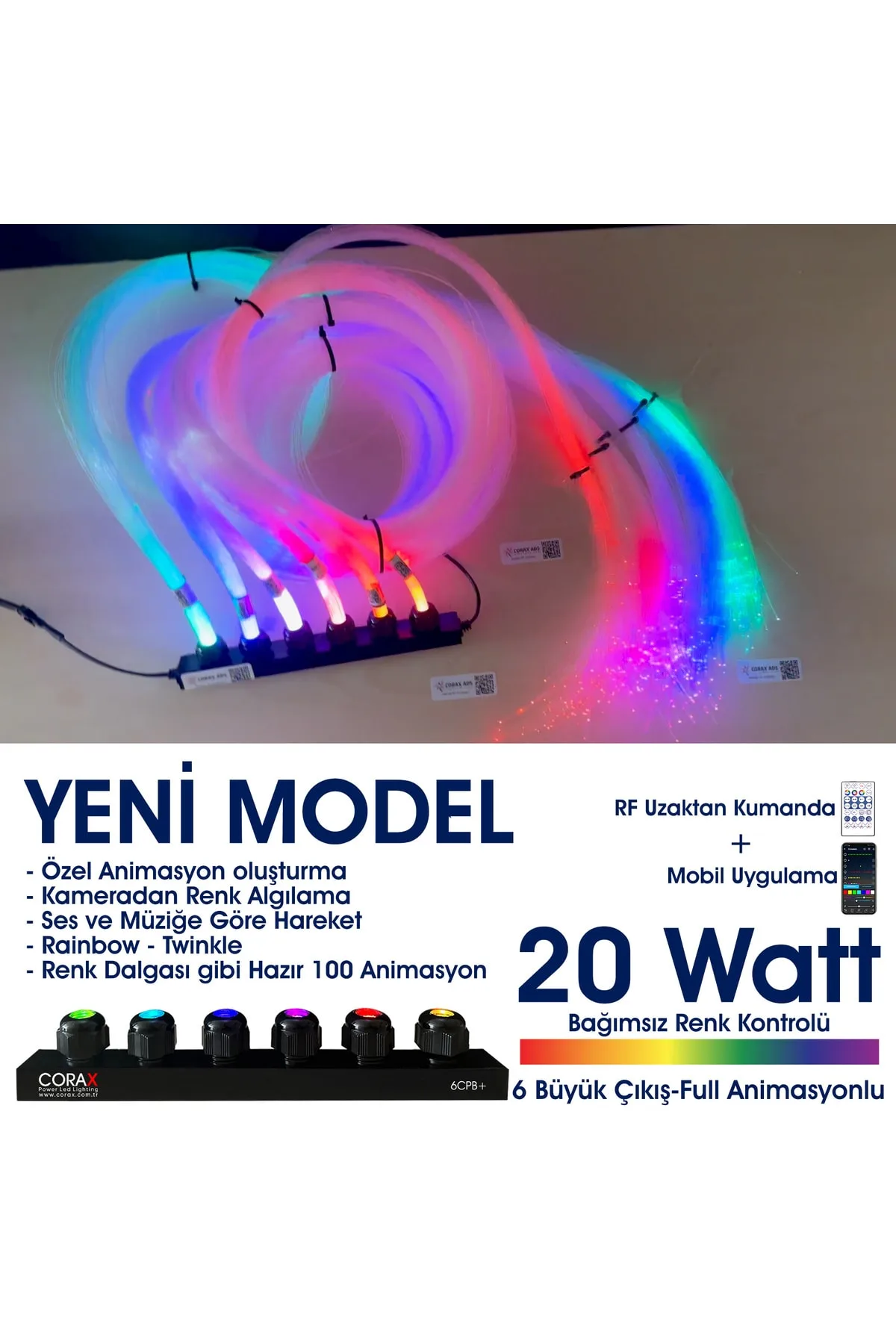
On the other hand, ARGB+W carries all the features of ARGB but adds one superpower: a separate, pure white LED channel. The "+W" stands for white. In this system, each pixel actually consists of four mini LEDs: Red (R), Green (G), Blue (B), and a separate White (W). While ARGB simulates white light only by having the RGB LEDs fire at full power, ARGB+W uses a dedicated LED designed specifically for this task.
The Core Technological Difference: The Addition of the White LED
This is where the critical distinction emerges. The technical answer to the question What is the difference between ARGB and ARGB+W? lies in how white light is produced. In ARGB, white is a mix of the three colors, which can often be somewhat "sterile" or have a slightly bluish tint. In ARGB+W, however, there is a pure, clean white light source untouched by color mixing. This allows the system to offer a much broader and more natural range of white tones, from warm yellow-white (2700K) to daylight white (6500K). This is indispensable in architectural projects where neutral and warm white lighting is part of the decor. This fundamental technological distinction forms the most important basis for the difference between ARGB and ARGB+W.
"In 2026, lighting has moved beyond being a visual effect to become an element that weaves the emotional fabric of living spaces. ARGB+W is the most concrete technological expression of this transition. Pure white cleanses the 'noise' of colored light, bringing tranquility and clarity to a space."
What is the Difference Between ARGB and ARGB+W? The Importance of White LED and 2026 Trends
Adding a white LED isn't just a specialized technical improvement; it's a revolution in lighting philosophy. 2026 trends demand spaces to be multifunctional and personalized. At this point, ARGB+W occupies an unrivaled position.
The Decorative and Emotional Impact of Pure White Light
Furthermore, the power of pure white is undeniable when you want to establish an emotional connection. When you want to warmly welcome guests in a hotel lobby, accurately show the colors of food in a restaurant, or create a peaceful reading nook in a bedroom, ARGB's mixed white falls short. The pure white provided by ARGB+W adds a sense of depth and quality to a space. For example, in starry ceilings, the white stars created by ARGB often appear bluish and artificial, while ARGB+W offers realistic star effects, indistinguishable from the real sky, containing both warm and cool tones.
ARGB+W Superiority in Color Accuracy and Vibrancy
On the other hand, the Color Rendering Index (CRI) is of vital importance in professional projects. ARGB+W systems, especially thanks to the white LED channel, often achieve 80+ CRI values, reflecting the true colors of objects much more accurately. This quality is essential for revealing the crystal clarity of water in pool lighting or the sparkle of jewelry in a display case. This superiority makes ARGB+W not only a decorative but also the only valid option for functional lighting needs.
2026 Trend: Dynamic and Personalized Ambient Lighting
In conclusion, in 2026, smart homes no longer just change colors; they reshape the environment according to the time of day, season, or your mood. When you want to wake up to an invigorating white light in the morning, switch to neutral white for focus at noon, and embrace warm yellow-white and dim colors to relax in the evening, these transitions need to be flawless. ARGB+W lies at the very heart of these dynamic scenarios. Indeed, the ARGB+W models offered in CoraxAds's ARGB Pixel Light Source product range are developed precisely to bring this flexibility to your projects.
What is the Difference Between ARGB and ARGB+W? Project Selection Guide 2026
Choosing the right technology depends on your project's spirit and practical needs. This decision matrix is a guide created from my experiences over the years.
Projects Wanting Only Color Effects: ARGB is Sufficient
If your goal is solely colorful light play, animations, and atmospheric effects, ARGB is a perfect and economical solution. It is ideal for gaming corners in kids' rooms, dance floor lighting in bars, simple ceiling applications where only colored star effects are desired, or attention-grabbing color shows in commercial displays. In these projects, the naturalness or functionality of white light is secondary.
Projects Also Requiring White Lighting: ARGB+W is a Must
However, if white light also has a functional or decorative role in your project, ARGB+W is the only correct choice. Here are some indispensable examples:
- Starry Ceilings: Realistic white stars, Milky Way clouds.
- Restaurants and Cafes: Pure white illuminating food on tables, with colorful ambiance in seating areas.
- Pool and Water Feature Lighting: White light highlighting water clarity alongside decorative blue/green tones.
- Hotel and Spa Spaces: Therapeutic warm white in relaxation areas, dynamic color transitions in corridors.
- Architectural Accent Lighting: Highlighting a sculpture or architectural element with both white and colored lighting.
Decision Matrix: Choose Based on Your Project Type
The simple table below provides a clear roadmap for which technology to lean towards based on your project type. This table clearly shows how the difference between ARGB and ARGB+W translates into a practical choice.
| Project Type | Recommended Technology | Critical Justification |
|---|---|---|
| Gaming Room / Entertainment Wall | ARGB | Only color and animation are important; white quality is secondary. |
| Luxury Starry Ceiling (Realism Important) | ARGB+W | Pure white channel is essential for realistic star effects and natural white tones. |
| In-Pool Lighting | ARGB+W | Water clarity (white) and decorative colors (blue/green) are needed simultaneously. |
| Store Window Animation | ARGB | Attention-grabbing color shows are sufficient; product color accuracy is not a priority. |
| Restaurant (with Tables) | ARGB+W | High-CRI white over dining tables, colorful ambiance in seating areas. |
For more in-depth information on this topic, you can review our article titled What are the Advantages of ARGB+W Pixel Fiber Optik Aydınlatma?.
What is the Difference Between ARGB and ARGB+W? Price and Performance Analysis 2026
Budget is always a critical parameter when deciding. However, looking only at the initial investment cost can be misleading in the long run. Understanding the cost dimension of the question What is the difference between ARGB and ARGB+W? is also important for your project's sustainability.
Initial Investment Cost Comparison
As a general rule, an ARGB+W system of the same quality and pixel density can have an initial cost approximately 20% to 35% higher than a classic ARGB system. The main reason is the extra white LED in each pixel and the more complex driver circuits needed to control it. In the 2026 market, both versions of 5V addressable pixel strips are widely available. However, before focusing on this price difference, it's necessary to consider the increase in value it provides.
Long-Term Efficiency and Lifespan
On the other hand, ARGB+W offers significant advantages in terms of performance and lifespan. First, when a white LED is used for pure white light, the RGB LEDs work only to produce color. This allows each LED type to operate at lower power and more efficiently, potentially extending the total system lifespan. Second, higher CRI and better light quality increase your project's value and longevity. Having the lighting in a hotel lobby still look vibrant and natural after 5 years is priceless for brand value.
Example: 5V Addressable WS2812B Pixel Strip LED
Let's take the popular WS2812B chip. The standard ARGB version contains 1x RGB LED per pixel. The ARGB+W version (sometimes referred to as SK6812) contains 1x RGB + 1x White LED per pixel. This small physical difference gives you separate white channel control and all the color superiority mentioned above. When making a 5V addressable LED strip selection, I recommend evaluating your needs from this perspective.
What is the Difference Between ARGB and ARGB+W? Popular Culture and Light Therapy Effects
This technology is now part of culture and psychology, not just engineering. Light has become a powerful tool that directly affects our emotions. Examining the question What is the difference between ARGB and ARGB+W? from a sociocultural angle will deepen your project's impact.
The Color Language of the Digital Age: ARGB and Freedom of Expression
Gaming PCs, streamer setups, and social media content studios have witnessed the rise of ARGB as a tool for digital expression. Users personalize the color of every component, from computer cases to keyboards, according to their in-game status or momentary mood. This is a trend that humanizes the cold face of technology. ARGB+W adds dimension to this personalization by adding a "relaxing white" option.
The Psychology of Color: From Decoration to Therapy
The calming effect of blue and the invigorating effect of red are now widely known. Clinical research supports that warm white light (2700K-3000K), resembling gold, evokes feelings of peace and comfort. ARGB+W systems are the easiest way to put this knowledge into practice. You can program your home for relaxing warm white in the evenings and energizing cool white in the mornings. This is more than simple decoration; it's light therapy you can apply at home.
2026 and Beyond: Personalized Light Environments
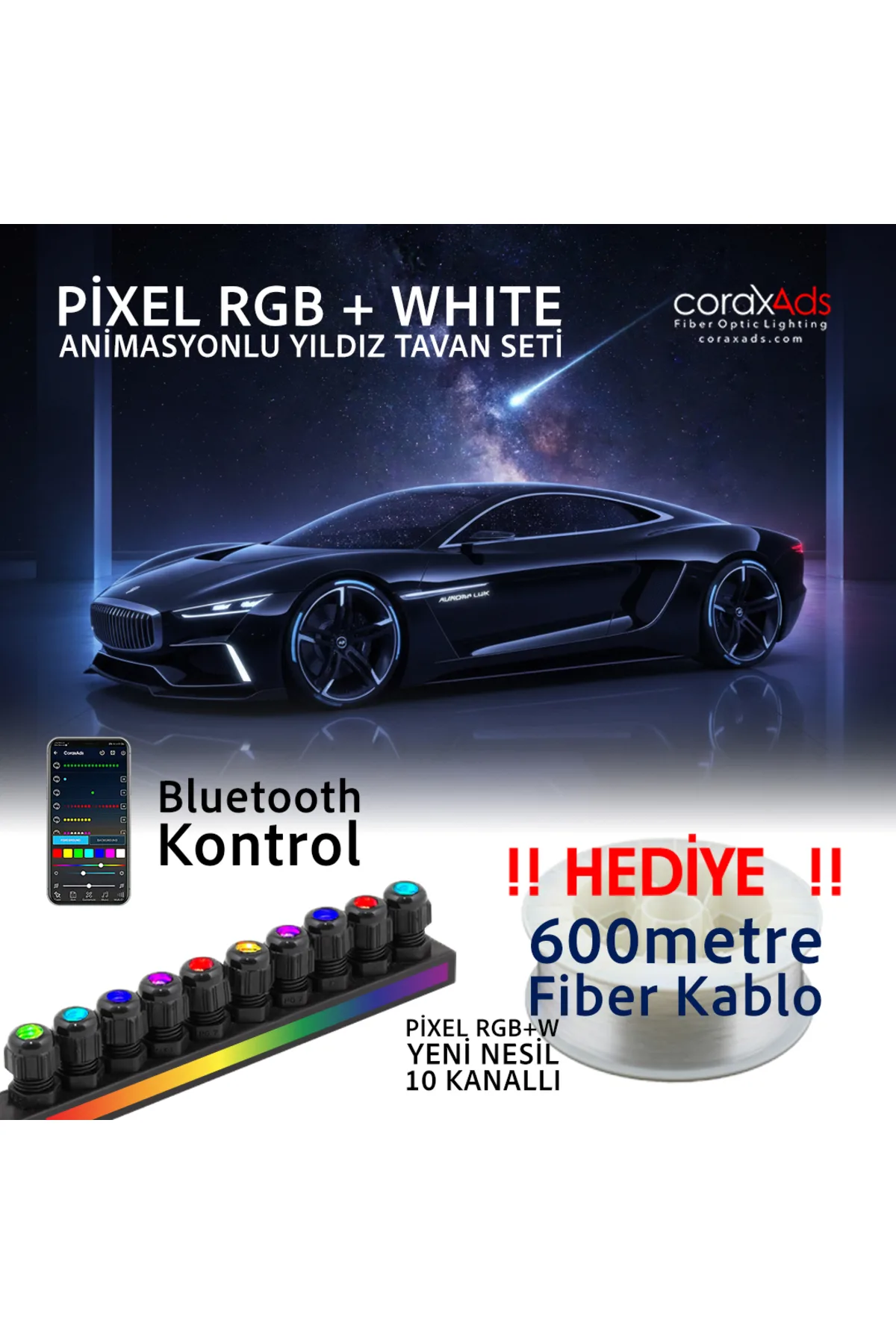
The future points to a world where everything is personalized. Light is part of this trend. In 2026, homes and offices are equipped with ARGB+W lighting systems that automatically adjust based on the occupant's biorhythm, the task at hand, or the desired atmosphere. Such projects require a large number of independent control channels. At this point, the ARGB Pixel Light Source models offered by CoraxAds, with capacities of up to 30 outputs, allow you to bring any personalized scenario to life.
What is the Difference Between ARGB and ARGB+W? Frequently Asked Questions (FAQ)
Does ARGB+W work with ARGB controllers?
Generally, no. Because ARGB+W requires a fourth control channel (white), it will not operate at full capacity with standard 3-channel (R, G, B) ARGB controllers or software. To control ARGB+W systems, you need specially designed controllers and software protocols that can manage all four channels separately. It is important to double-check compatibility before purchasing.
Can I add white LEDs to my existing ARGB system later to convert it to ARGB+W?
Unfortunately, this is not technically practical or economical. ARGB and ARGB+W have fundamentally different hardware architectures. ARGB strips do not have a separate physical LED and control line for white. Instead of modifying your existing system, a smarter solution would be to add a new ARGB+W strip or a specialized light source like Power Pixel to the areas where needed.
Why is ARGB+W recommended for pool lighting?
Pools combine two fundamental needs: decoration and safety. ARGB (especially blue/green tones) turns the pool into a visual spectacle at night. However, to see clearly inside the water while swimming or to illuminate slippery surfaces around the pool edge, a pure, bright white light that shows colors accurately is needed. ARGB+W is the only technology that can meet these two needs in a single system, simultaneously.
Does ARGB+W increase energy consumption for white light?
It can actually be more efficient. When you want to produce pure white light, instead of firing all RGB LEDs in an ARGB system at full power, you use only the white LED channel in ARGB+W. This generally means lower power consumption. On the other hand, using color and white simultaneously will, of course, increase total power. However, thanks to channel usage based on need, overall efficiency can favor ARGB+W.
Which one should I choose for my starry ceiling? How can I tell the difference?
If you're looking for realism and a "wow" effect, definitely ARGB+W. Do a simple test: turn on pure white light with both systems. ARGB's white will look slightly bluish, purplish, or "artificial." ARGB+W's white will be clean and natural, just as you'd expect from a bulb or LED panel. If you want your stars to shine like they do in the real sky, the extra cost for ARGB+W is worth it. You can review starry ceiling examples in our article on the uses of ARGB Pixel systems.
What is the Difference Between ARGB and ARGB+W? Conclusion and Recommendations
In this comprehensive guide, we examined the difference between ARGB and ARGB+W in every aspect, covering two important technologies in the world of decorative lighting. To summarize the basics: ARGB is an excellent, more economical starting point for color play and dynamic effects. ARGB+W offers an indispensable advantage in any application considered professional or luxurious, where white light quality and color accuracy are important.
When deciding, ask yourself these questions:
- Is my budget limited and is my goal only colorful effects? → ARGB may be sufficient.
- Is the functionality of the lighting (reading, working, clear vision) critical for me? → Definitely ARGB+W.
- Am I looking for a realistic and natural look in my project? (Starry ceiling, aquarium, architectural detail) → ARGB+W is the only correct choice.
- Is energy efficiency and long-term color quality my priority? → ARGB+W's white LED channel is advantageous here.
Our over ten years of industry experience show that even if customers initially lean towards ARGB due to price, they tend to be dissatisfied with white light quality and eventually transition to ARGB+W systems over time. Therefore, thinking about your project's future and choosing the right technology from the initial investment is the smartest way to avoid saying "I wish I had."
Discover the Right Lighting with CoraxAds
Still unsure which technology is best for you? Or curious about technical details specific to your project? As the CoraxAds expert team, we are ready to offer you the most accurate solution with our 10 years of fiber optik aydınlatma experience. Contact us immediately to test the difference between ARGB and ARGB+W firsthand with our products, review our catalogs, and receive free project consultation. Let us help you choose the right light for your professional lighting solutions.