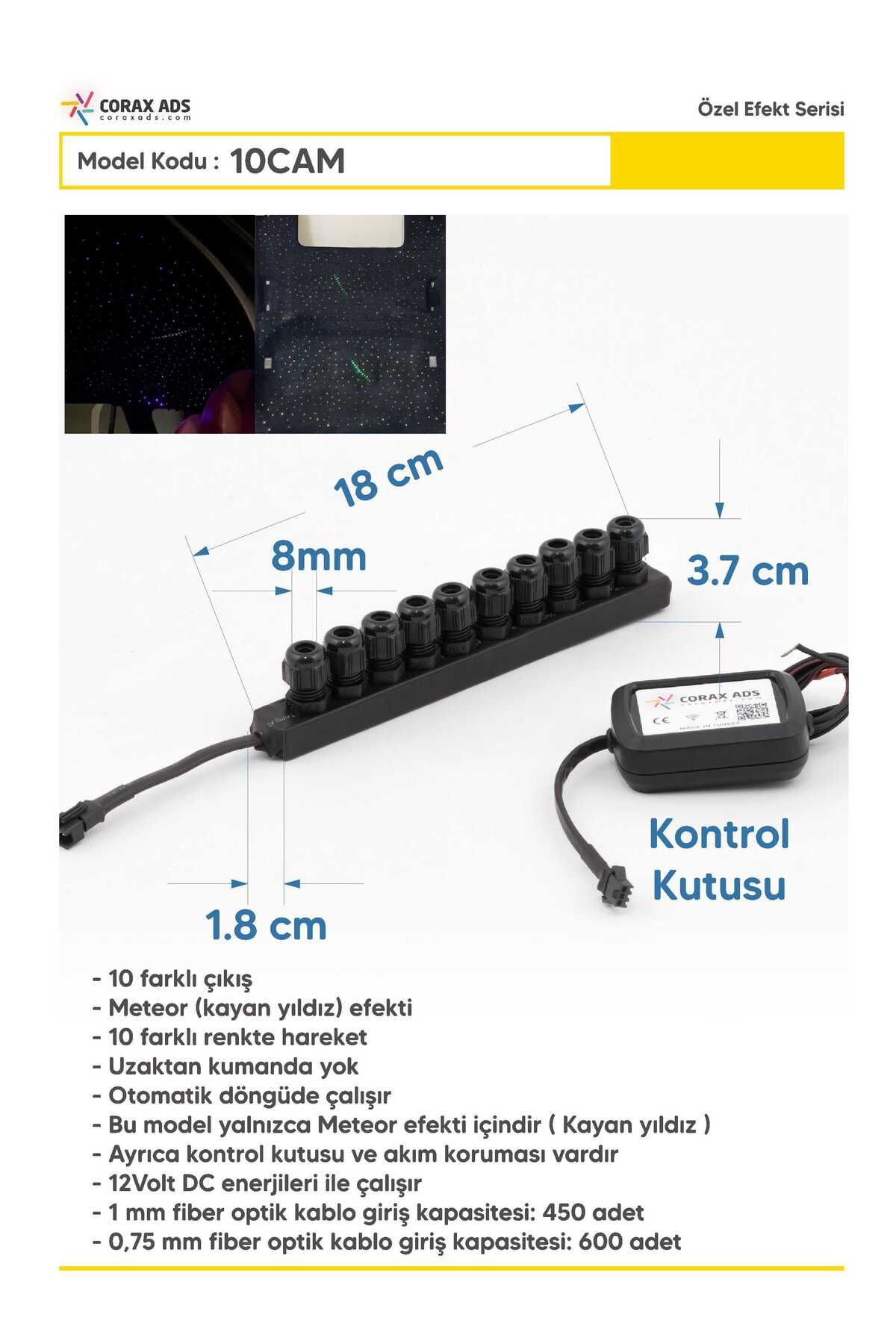
Looking for a brand-new technology in the world of decorative lighting? This is precisely where the question, what is an ARGB pixel light source used for?, comes into play. It's a tool that fundamentally transforms traditional lighting concepts. By enabling independent color and effect control for thousands of points from a single source, it allows us to bring to life designs that were previously hard to imagine. For instance, you could create a virtual, undulating sky on a hotel lobby ceiling. Or, synchronize dazzling light shows with products in a store window. Furthermore, in your home theater, it becomes possible to have ambient lighting that perfectly matches the film's atmosphere. The results are truly spectacular!
Table of Contents
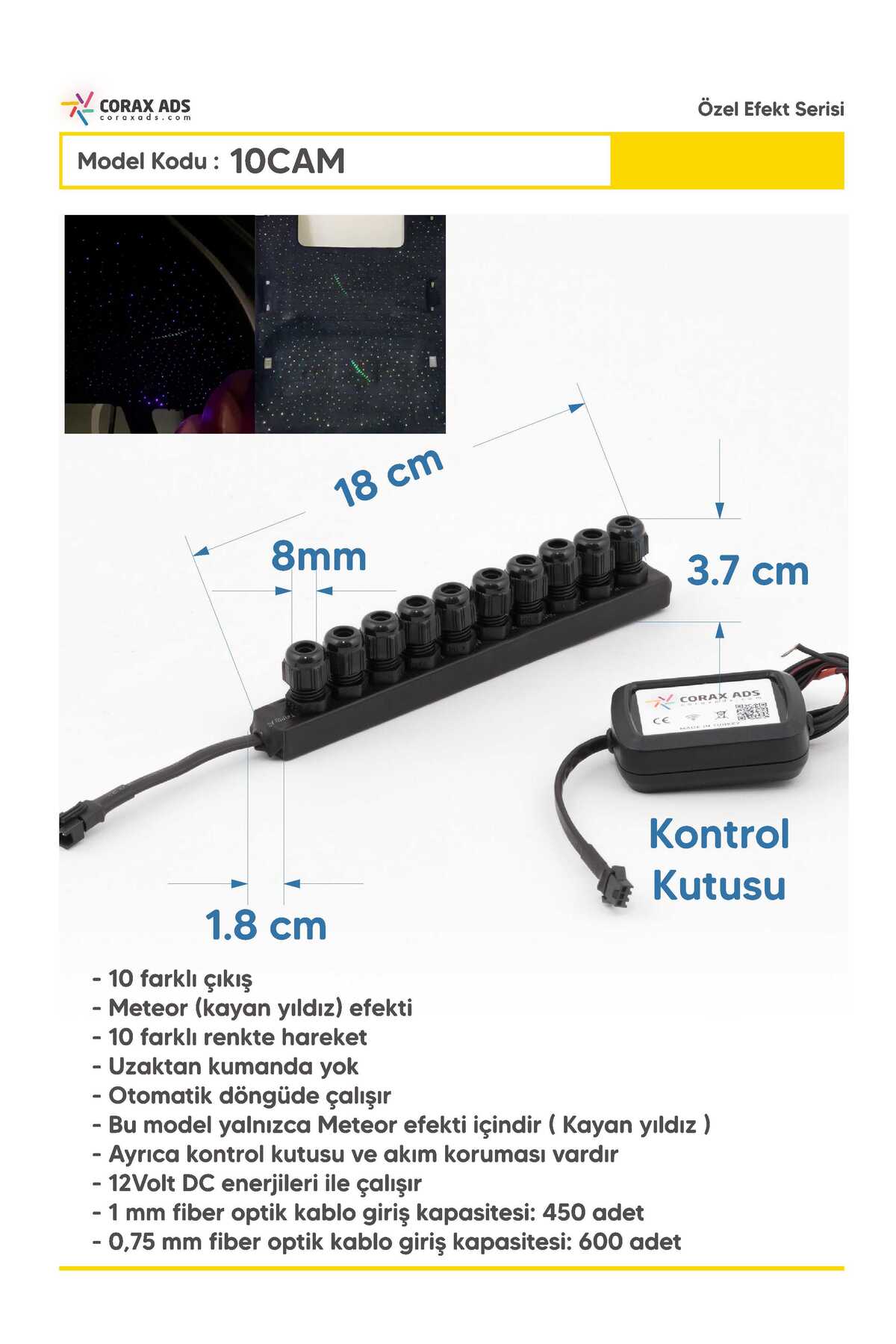
- What is an ARGB Pixel Light Source Used For? Practical and Creative Applications
- The Role of ARGB Pixel Lighting Systems in Architectural and Commercial Projects
- Comparison with Traditional LED Strips and Fiber Optik
- Choosing the Right ARGB Pixel Light Source and Control Unit
- ARGB Pixel Lighting Project Planning and Implementation Guide
- Product Comparison, Maintenance Tips, and Buying Guide
- Frequently Asked Questions (FAQ)
- Conclusion and Recommendations
In short, the ARGB pixel light source infuses spaces with emotion, movement, and identity. Indeed, it transforms light into a living work of art.
The Role of ARGB Pixel Lighting Systems in Architectural and Commercial Projects
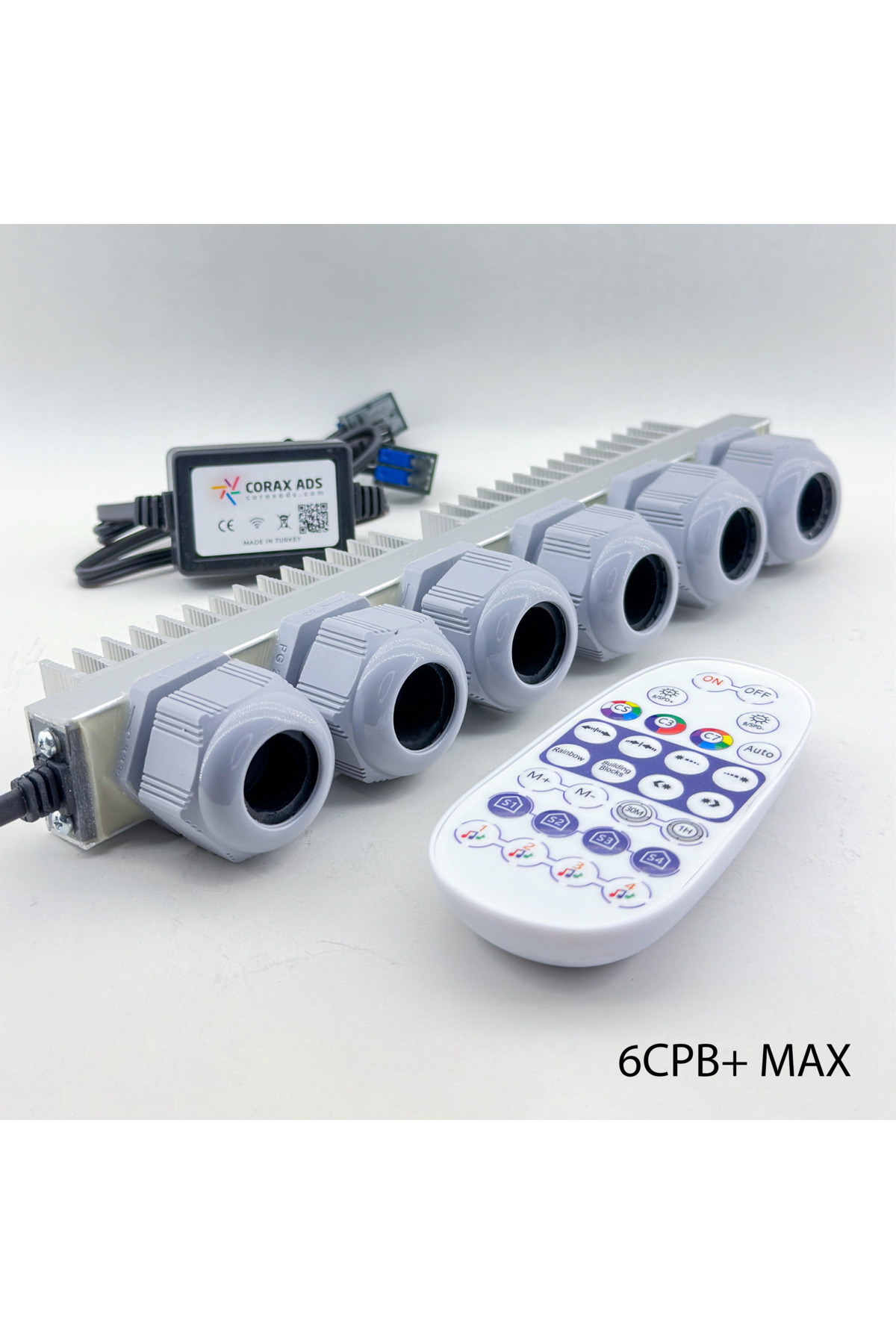
What are ARGB pixel lighting systems used for in architectural and commercial projects? They are an indispensable tool for giving spaces a dynamic identity and creating interactive experiences. Furthermore, through applications like facade lighting, wayfinding systems, and atmospheric zoning, they enhance brand value and customer experience. Research is clear: dynamic lighting attracts 15-20% more attention in commercial spaces on average. This is precisely why it has become a must-have in modern architecture.
Understanding ARGB Pixel Light Sources: Comparison with Traditional LED Strips and Fiber Optik
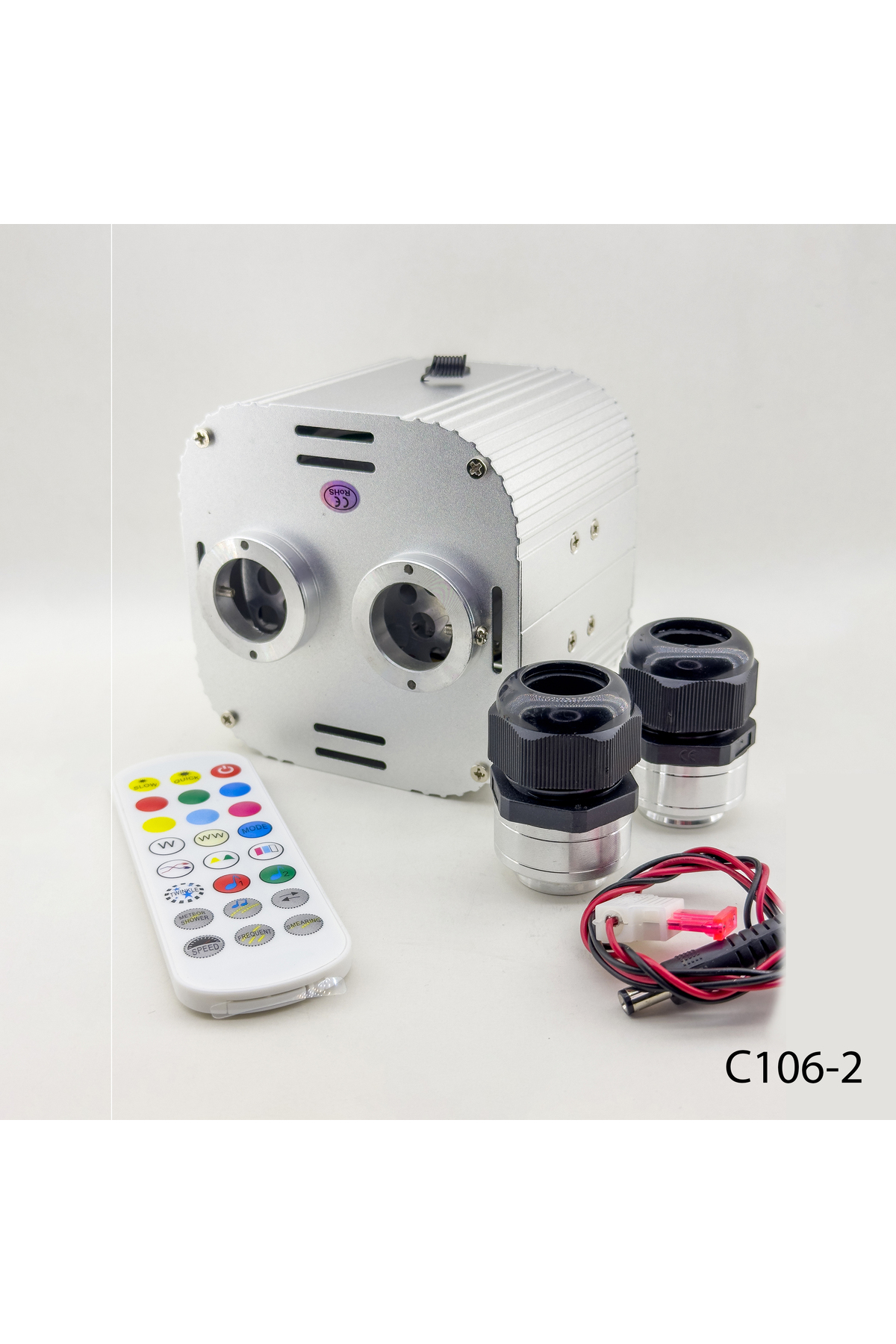
In architectural lighting and commercial space design, the ARGB pixel light source is now indispensable. For example, in facade lighting, it's used to highlight a building's architectural lines or reflect brand identity with dynamic light animations. Additionally, in shopping malls, color-coded guidance strips can be created on floors or walls. Similarly, in restaurants and bars, different atmospheres can be crafted for various zones. In summary, these systems typically operate at low voltage (12V or 24V). Because they manage heat from a central point, they are perfectly suited for long-term, safe use.
| Feature | ARGB Pixel Light Source + Fiber Optik | Traditional RGB LED Strip | Single-Color Fiber Optik Lighting |
|---|---|---|---|
| Control Level | Each pixel/fiber group can be controlled independently. | The entire strip or sections are controlled together. | The entire system is one color; no control or changes occur simultaneously. |
| Application Flexibility | Very High. Complex animations and dynamic content are possible. | Medium. Color transitions and simple effects are limited. | Low. Fixed or slow color change (via mechanical filter). |
| Installation & Management | Relatively complex, requires professional controller and software. | Relatively simple, works with standard RGB controllers. | Simple, requires only a white or colored light source. |
| Cost | High (due to technology and control system). | Low to Medium. | Medium (fiber cost can be high). |
Choosing the Right ARGB Pixel Light Source and Control Unit

So, the clearest answer to "what is an ARGB pixel light source used for?" is to give a space a dynamic identity and create interactive experiences. This technology lies behind designs that shine like gold.
Remember, the secret to impressive lighting design is the correct pairing of a powerful and flexible ARGB pixel source with a control ecosystem that can utilize its full potential. The right equipment delivers amazing results.
ARGB Pixel Lighting Project Planning and Implementation Guide
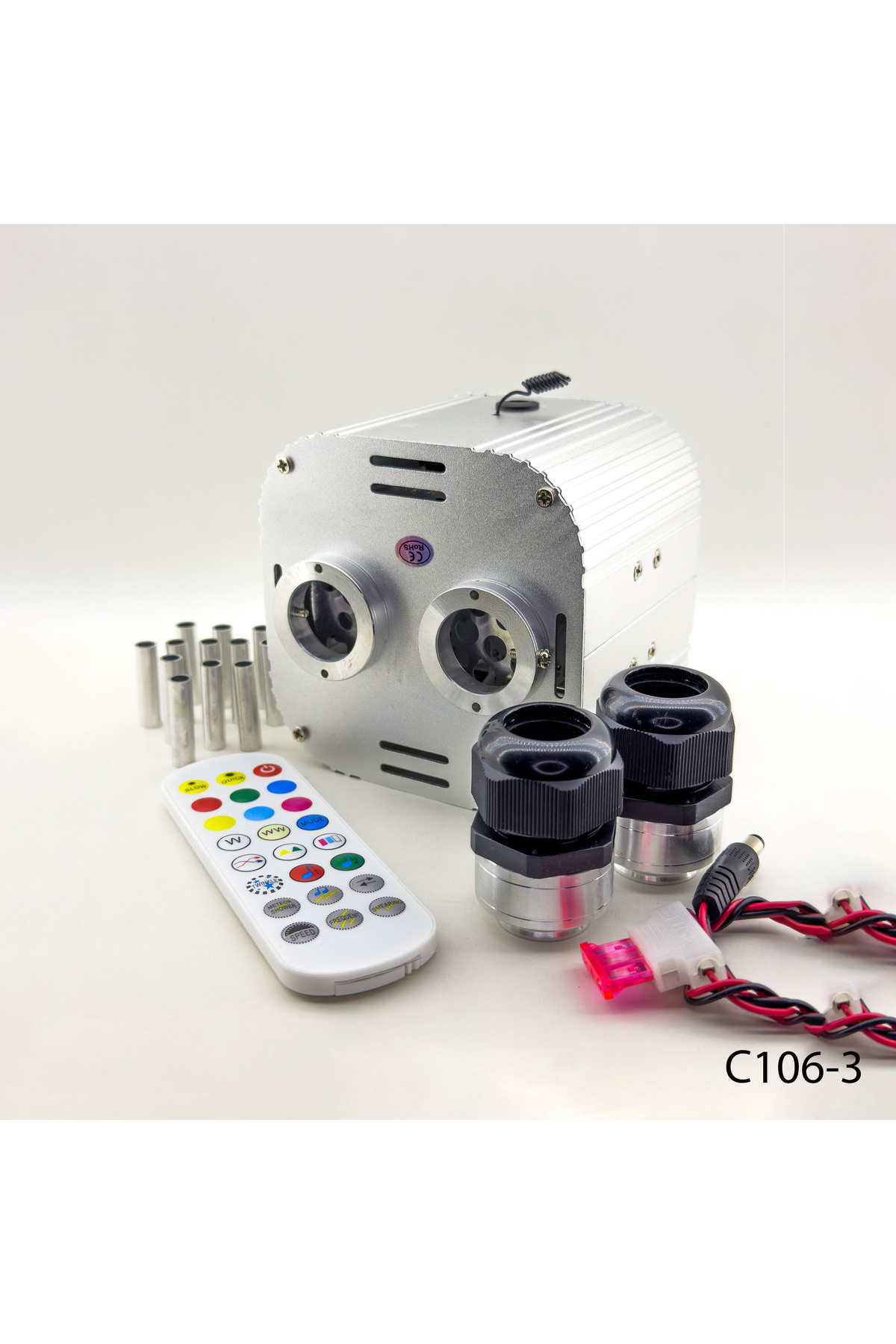
How does an ARGB pixel light source differ from traditional systems? The answer is simple: through the independent control of each pixel. In short, it is radically different from traditional LED strips or fiber optik. This enables complex animations and the playback of high-resolution light content. The comparison tables above clearly show that ARGB is unrivaled in terms of control level and flexibility.
- Concept and Design: What do you want the light to convey? A simple color transition or a complex narrative? Think it through.
- Technical Calculations: How many pixels are needed? Is the power of the light source and controller capacity sufficient? Do the math carefully.
- Equipment Selection: Choosing the appropriate ARGB pixel light source, controller, software, and fiber optik cable for the project scale.
- Installation and Cable Management: Organizing the fiber bundles and connecting them to the source correctly. This step is critical for worry-free use.
- Programming and Testing: Programming the effects or content and testing all system functions. Don't skip the final check.
Critical Points to Consider During Installation
From our years of observation, many customers confuse ARGB pixel lighting with traditional LED strips or decorative fiber optik lighting. However, there is a crucial difference here. LED strips typically emit the same color along the entire strip. Fiber optik passively transmits light, but if a color change is made at the source end, all fibers show the same color. In contrast, in a fiber optik system powered by an ARGB pixel light source, each fiber strand or a group of fibers can be colored independently of the others. This is the only way to achieve realistic constellation effects or logo animations on a starry ceiling. The table below will clarify this comparison:
Software and Control Options
How do you choose the right ARGB pixel light source? The right choice depends on technical parameters like the project's pixel count, control protocol compatibility, and cooling performance. For projects under 1000 pixels, entry-level models are sufficient, while industrial applications require professional models with 10,000+ pixel capacity and active cooling. Therefore, thermal management is essential.
Product Comparison, Maintenance Tips, and Buying Guide
When starting a project, choosing the right equipment is key to success. Therefore, the first parameter to consider when selecting a pixel light source is the number of pixels and resolution it can control. A source with a 1000-pixel control capacity will never suffice for a large project requiring 10,000 pixels. Secondly, compatibility with your chosen controller and software is vital. In summary, you must check which protocols it supports, such as DMX, Art-Net, or SPI. Furthermore, the source's cooling performance is also important; passive cooling may not be enough for systems that will run for long hours, necessitating a move to actively cooled (fan-equipped) models. At CoraxAds, we offer the most suitable LED products and control solutions for your project's scale.
Comparison of Popular ARGB Pixel Light Source Models
How do you plan an ARGB pixel lighting project? A successful project involves 5 fundamental steps from concept design to programming: 1) Defining the concept, 2) Technical calculations, 3) Equipment selection, 4) Installation and cable management, 5) Programming and testing. Based on our experience, during installation, it is critical not to over-stretch fiber optik cables and to separate control cables from power lines. A small detail can prevent major problems.
| Model Feature | Entry-Level / Home Model | Professional / Industrial Model |
|---|---|---|
| Controllable Pixel Count | 512 - 1024 Pixels | 2048 - 10,000+ Pixels |
| Cooling System | Passive (Aluminum Housing) | Active (Fanned) + Passive |
| Connection Protocols | SPI, Basic DMX | DMX512, Art-Net, sACN |
| Number of Outputs (Ports) | 4-6 Outputs | 8-16 Outputs |
| Average Lifespan | ~30,000 hours | ~50,000 hours |
| Ideal Use Case | Home theater, small niche lighting, bedroom ceiling | Shopping malls, hotel lobbies, building facades, large commercial spaces |
How to Maintain Your ARGB Pixel Lighting System: Maintenance Tips
After answering what an ARGB pixel light source is used for, it's time to discuss how to implement it. Let's outline the steps you need to take when planning a project:
Buying Guide: Asking the Right Questions
The installation phase directly affects the system's lifespan and performance. You should mount the ARGB pixel light source in a location with good air circulation. However, you must avoid bending and over-stretching fiber optik cables, as this can cause micro-cracks in the internal structure and light loss. You should also route control signal cables away from power cables to minimize electromagnetic interference. Simple precautions mean a longer life.
- Is this source compatible with my existing fiber optik bundle?
- What is the technical support and warranty coverage?
- Which control software is it compatible with?
- What is the maximum operating temperature?
- If I need to expand the system, are additional modules available?
The true power of an ARGB pixel light source is revealed through its control software. A wide range exists, from simple remote-controlled models to professional DMX controllers and even computer-based LED mapping software. For example, for a store window, you could program animations triggered by sensors. For your home theater, you could use special software that analyzes screen content and synchronizes the wall lighting. The limit is defined by your imagination.
Frequently Asked Questions (FAQ)
How many meters of fiber optik light transmission can be achieved with an ARGB pixel light source?
This depends on the thickness and quality of the fiber optik cable used. As a general rule, transmission of 5-7 meters without significant light loss is possible with a 0.75mm diameter fiber, and 10-15 meters with a 1.5mm diameter fiber. For longer distances, intermediate injectors or more powerful sources should be used. Professional solutions are essential to maintain quality over long distances.
Can I install these systems in my home by myself?
While basic connections are possible, topics like pixel addressing, control software installation, and effect programming require professional knowledge. Incorrect installation can lead to equipment damage or failure to achieve the desired visual effect. We recommend seeking professional support. Don't worry, we're here to help.
What is the lifespan of ARGB pixel lighting systems?
The lifespan of a quality ARGB pixel light source is typically between 30,000 and 50,000 hours. Under normal use conditions, this corresponds to over 10 years of service. The most important factor affecting lifespan is the product's heat dissipation performance. Good cooling means a longer life.
Can I add an ARGB pixel source to my existing fiber optik star ceiling later?
Yes, it's theoretically possible. However, the grouping and number of your existing fiber ends must be compatible with the new pixel source's input port. Additionally, the entire control infrastructure may need to be replaced. Consulting an expert for a feasibility study is the best approach. Plan ahead to avoid saying "we thought of it later."
Can it play video content? For example, can I watch a video on my ceiling?
Yes, if you have enough pixels and are using suitable control software, it is possible to play simple animations or low-resolution video content. This provides a level of visual clarity that varies depending on your pixel density. With enough pixels, you can create wonders.
What is the difference between ARGB and RGB?
In RGB systems, all LEDs are the same color, and there is no zonal control. However, in ARGB systems, each LED or pixel group has a unique address and can be controlled independently. This is the most fundamental and powerful feature of an ARGB pixel light source. Being addressable changes everything.
Conclusion and Recommendations
How are ARGB pixel light source models compared? Models should be evaluated based on criteria like controllable pixel count, cooling system, connection protocols, and lifespan. According to industry data, professional models offer a 50,000-hour lifespan and 10,000+ pixel capacity, while home models are limited to 30,000 hours and 1024 pixels. Dust cleaning and firmware updates are essential for maintenance. Please, don't skip software updates.
Below, you can find the basic features of two commonly preferred models in the industry. This comparison will help you answer the question "what is an ARGB pixel light source used for?" from a technical perspective.
Source: tr.wikipedia.org
Regular maintenance is essential for your system's longevity. First, ensure the air intake and exhaust vents of the light source are not clogged with dust. Dust reduces fan efficiency, leading to overheating. Second, periodically check connection ports and connectors for oxidation or looseness. Finally, keep your software and controller firmware up to date. These updates can bring performance improvements and new effect features. A little care means many long years.
Before purchasing an ARGB pixel light source, be sure to ask your supplier the following questions:
Therefore, working with a company specialized in fiber optik products and lighting systems will ensure you get a return on your investment. The right step brings the right result.
In answering the question "what is an ARGB pixel light source used for?", we have essentially been talking about the future of lighting. This technology, which fundamentally changes the static and passive understanding of lighting, transforms light into a digital canvas or a dynamic communication tool. It offers unique opportunities for architects, interior designers, store owners, and even home users who want to infuse spaces with emotion, movement, and identity. With proper project planning and professional implementation, boundary-pushing designs can be realized.
With over 10 years of industry experience, CoraxAds offers you not only products but also technical consultancy and project solutions. To get more detailed information about ARGB pixel light sources and what you can achieve with this technology, browse our product catalog, or request a quote for your specific project, visit our contact page now. Let's explore the dynamic world of light together. We look forward to welcoming you to a brighter future.